The Context: Why a Rate Cut Now?
Inflation and Employment: The Dual Mandate
The Federal Reserve operates under a dual mandate: to promote maximum employment and stabilize prices. Recent economic data presents a mixed picture. Inflation remains stubbornly above the Fed’s 2% target, with a recent uptick to 2.7% in November, while the job market, though cooling, remains relatively strong. This scenario complicates the Fed’s decision-making process, as it must balance the need to stimulate economic activity with the risk of exacerbating inflation.
Historical Context: A Year of High Rates
The anticipated rate cut follows a period where the Fed maintained rates at a two-decade high, peaking at 5.3%. This aggressive stance was initially adopted to combat soaring inflation, which had reached over 9% in mid-2022. However, as inflationary pressures have eased somewhat, the Fed has shifted towards a more accommodative policy, cutting rates in September and November.
Political and Economic Uncertainties
Adding to the complexity is the incoming administration of President Donald Trump, whose proposed tariffs could impact inflation and economic growth. These potential policy shifts introduce additional uncertainty into the Fed’s future decisions, as they could either necessitate further rate cuts or prompt a more cautious approach.
The Immediate Impact: What a Rate Cut Means for You
Credit Cards and Consumer Loans
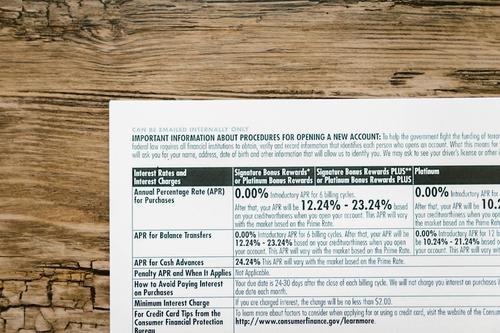
A reduction in the federal funds rate typically leads to lower borrowing costs for consumers. However, the impact on credit card interest rates may be delayed, as issuers are often slower to pass on rate cuts compared to hikes. Currently, average credit card rates stand at 20.25%, and any decrease may take up to three months to materialize.
Mortgages and Housing Market
Mortgage rates, particularly for fixed-rate loans, are more closely tied to Treasury yields than the Fed’s rate. As of early December, the average rate for a 30-year fixed mortgage is 6.67%. While the Fed’s actions may not directly lower these rates, they could influence broader market conditions, potentially leading to more favorable terms for homebuyers.
Auto Loans and Student Loans
For auto loans, the average rate on a new five-year car loan is around 7.59%. While a rate cut could ease borrowing costs, rising car prices remain a significant concern. Similarly, federal student loan rates are fixed, but private loans with variable rates tied to the Treasury bill may see some relief.
Savings Accounts
On the flip side, savers may find that yields on savings accounts remain competitive, with top online accounts offering rates near 5%. This is a silver lining for those looking to grow their savings despite the Fed’s rate cuts.
The Bigger Picture: What Lies Ahead?
Future Rate Cuts: Sparse and Cautious
While the December rate cut seems almost certain, the path forward is less clear. Economists predict a slower pace of cuts in 2025, with some suggesting only three quarter-point reductions instead of four. The Fed’s cautious approach reflects ongoing concerns about inflation and the need to avoid overly expansionary monetary policy.
Market Reactions: Volatility and Uncertainty
The Fed’s decision will likely lead to increased volatility in financial markets, as investors react to the central bank’s cautious stance. A robust retail sales report, for instance, could complicate the rate cut decision, leading to potential dissent within the FOMC. Moreover, the Fed’s statement accompanying the rate decision is expected to emphasize caution, further influencing market dynamics.
Long-Term Outlook: A Gradual Return to Neutral
Looking further ahead, the Fed is projected to signal a slower and shallower path for rate cuts in 2025, with a potential terminal rate of around 3.5% to 3.75% by the third quarter. This gradual approach aims to balance the risks of persistent inflation with the need to support economic growth.
Practical Takeaways for Investors
Stay Informed and Flexible
In this environment of uncertainty, staying informed is crucial. Keep an eye on economic indicators, Fed statements, and market reactions to anticipate potential shifts in monetary policy.
Diversify Your Portfolio
Given the potential for market volatility, diversification remains a key strategy. Consider a mix of asset classes, including equities, bonds, and alternative investments, to mitigate risk and capture opportunities.
Focus on Long-Term Goals
While short-term market movements can be unsettling, maintaining a focus on long-term financial goals is essential. Ensure your investment strategy aligns with your risk tolerance and time horizon.
Monitor Interest Rate Trends
For those with variable-rate loans or considering new borrowing, monitoring interest rate trends can help you make informed decisions. Locking in rates when favorable or refinancing existing debt could lead to significant savings.
Navigating the Road Ahead
As the Federal Reserve prepares for its December meeting, the anticipated rate cut reflects a delicate balancing act between stimulating economic growth and managing inflationary pressures. While the immediate impact on borrowing costs may vary, the broader implications for financial markets and the economy are significant. By staying informed, diversifying investments, and focusing on long-term goals, investors can navigate this uncertain landscape with confidence. As always, the key is to remain adaptable and prepared for whatever the future may hold.