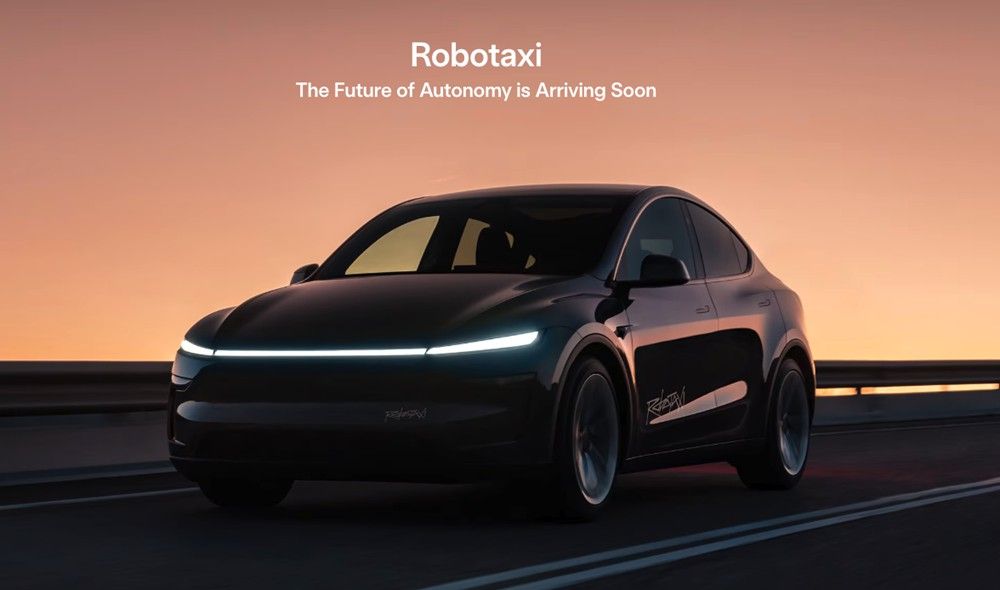
The autonomous vehicle industry witnessed significant developments recently as Tesla (NASDAQ: TSLA) and Lyft (NASDAQ: LYFT) unveiled new robotaxi initiatives that captured investor attention. These strategic moves in the self-driving transportation sector could fundamentally transform urban mobility while creating both opportunities and challenges for shareholders. As these companies position themselves against established competitors like Uber Technologies (NYSE: UBER), the financial implications of their robotaxi ambitions are becoming increasingly important for market watchers and investors alike.
Tesla's Permit: A Step Forward or Just Smoke?
Tesla's recent acquisition of a permit from the California Public Utilities Commission (CPUC) marks a significant
milestone in its journey toward launching a robotaxi service. This permit allows Tesla to operate a fleet for
employee transportation, a precursor to a full-fledged autonomous ride-hailing service. However, it's important to
note that this permit does not yet authorize public robotaxi operations.
The Significance of the Permit
- Regulatory Progress: Securing this permit is a crucial step in navigating the complex regulatory landscape.
It signals Tesla's commitment to advancing its autonomous technology, despite the hurdles.
- Market Potential: The autonomous mobility industry is projected to reach $2.3 trillion by 2030. Tesla's entry
into this market could unlock substantial growth opportunities.
- Data Advantage: With access to extensive real-world driving data from over 400,000 vehicles, Tesla is
well-positioned to refine its Full Self-Driving (FSD) software, providing a competitive edge over rivals like Waymo
and Cruise.
Investor Sentiment
While the permit is a positive development, it hasn't significantly altered analysts' views on Tesla's shares. The
journey toward a fully operational robotaxi service is ongoing, and progress appears relatively slow. However, the
potential for Tesla's robotaxi network to generate substantial profits remains a key driver of investor optimism.
Lyft's Driverless Ambitions: A Game Changer?
Lyft, the second-largest player in ride-sharing behind Uber, plans to launch its driverless ride-hailing service as
soon as this summer. This initiative, in partnership with May Mobility, marks a significant shift in Lyft's
strategy and could position the company as a formidable competitor in the robotaxi space.
Key Developments
- Partnerships: Lyft has signed agreements with partners like May Mobility, Mobileye, and Marubeni to roll out
autonomous vehicles (AVs) on its platform.
- Market Expansion: The service will initially launch in Atlanta, with plans to expand to Dallas and other
cities by 2026.
- Hybrid Model: Lyft envisions a future where human drivers and AVs coexist, especially during peak demand
periods.
Implications for Lyft Shares
- Competitive Positioning: While Lyft is making strides, it remains at a disadvantage compared to Uber, which
has a larger market share and partnerships with industry leaders like Waymo.
- Investor Outlook: Analysts suggest that while Lyft's developments are promising, the company faces
significant challenges in catching up to Uber's dominance in the ride-hailing market.
Wall Street's View on Robotaxis
Wall Street analysts are closely watching the developments in the robotaxi sector, as it holds the potential to
disrupt traditional ride-hailing models and redefine urban transportation.
Tesla's Prospects
- Bullish Predictions: Some investors, like Cathie Wood, are highly optimistic about Tesla's future, predicting
a significant rise in stock price driven by the robotaxi business.
- Challenges: Despite the optimism, Tesla faces challenges, including regulatory hurdles, competition from
established players like Waymo, and public skepticism about autonomous technology.
Lyft's Position
- Strategic Partnerships: Analysts highlight the importance of Lyft's partnerships with emerging AV players as
pivotal for its stock performance.
- Market Risks: The potential consolidation of the AV market could erode Lyft's pricing power, posing a risk to
its competitive positioning.
The Competitive Landscape: Tesla vs. Lyft vs. Uber
The robotaxi market is highly competitive, with major players like Tesla, Lyft, and Uber vying for dominance. Each
company brings unique strengths and faces distinct challenges.
Tesla
- Strengths: Tesla's extensive data collection and FSD technology provide a strong foundation for its robotaxi
ambitions.
- Challenges: Regulatory hurdles and competition from established players like Waymo pose significant
challenges.
Lyft
- Strengths: Strategic partnerships and a hybrid model that integrates human drivers and AVs.
- Challenges: Smaller market share compared to Uber and the need to catch up in the robotaxi race.
Uber
- Strengths: Dominant market share and partnerships with industry leaders like Waymo.
- Challenges: High operational costs and the need to integrate autonomous technology into its platform.
Conclusion: What Does This Mean for Investors?
The developments in the robotaxi sector present both opportunities and challenges for investors. Tesla's permit
approval is a positive step, but the journey toward a fully operational robotaxi service is fraught with
challenges. Meanwhile, Lyft's driverless ambitions are promising, but the company faces significant hurdles in
catching up to Uber.
Actionable Insights
- For Tesla Investors: Monitor regulatory developments and Tesla's progress in refining its FSD technology. The
successful launch of a robotaxi service could be a game-changer for Tesla's stock.
- For Lyft Investors: Keep an eye on Lyft's partnerships and market expansion efforts. The company's ability to
integrate AVs into its platform will be crucial for its competitive positioning.
- For Uber Investors: Consider Uber's dominant market share and strategic partnerships as key strengths.
However, the integration of autonomous technology remains a critical challenge.
In the rapidly evolving world of autonomous vehicles, staying informed and adaptable is key. As the robotaxi market
continues to develop, investors should remain vigilant and ready to seize opportunities as they arise.