MarketLens
Chipotle's Mexico Gambit: A High-Stakes Bet to Reignite Growth

Key Takeaways
- Chipotle's entry into Mexico, marked by its first restaurant opening in Nuevo León on July 16, 2026, signals a bold international expansion strategy to fuel future growth.
- This aggressive overseas push comes as the company navigates domestic challenges, including a modest 0.5% comparable restaurant sales increase and a 17.9% decline in diluted EPS in Q1 2026.
- The success of Chipotle's Mexico venture hinges on its ability to adapt its model to a highly competitive local fast-food market while simultaneously addressing softening transaction trends in its established U.S. operations.
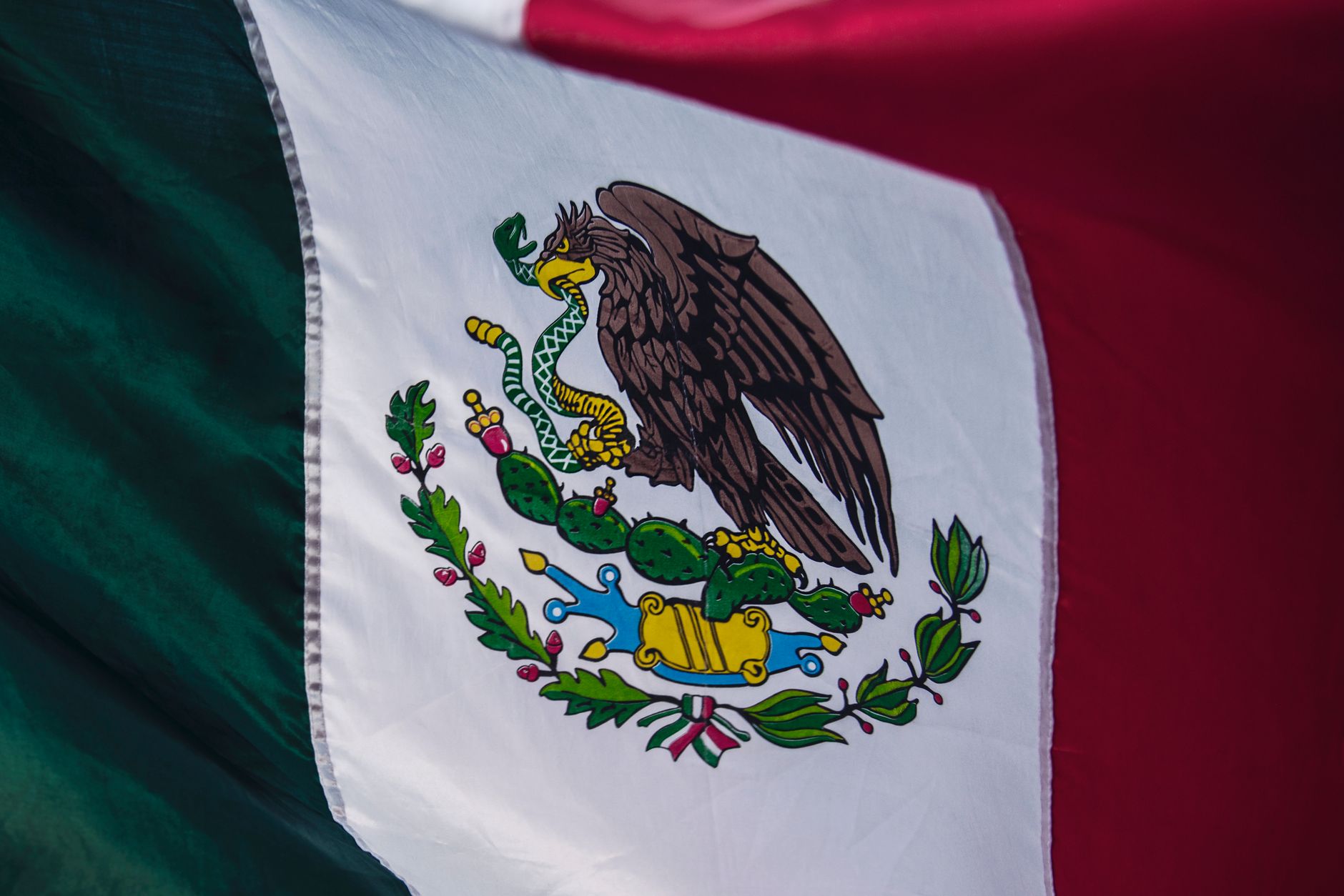
Chipotle Mexican Grill (NYSE: CMG) is making a calculated bet on its future, pushing aggressively into Mexico—the very heartland of its culinary inspiration. With its first restaurant in San Pedro Garza García, Nuevo León, set to open on July 16, 2026, this strategic move, announced yesterday, July 13, 2026, represents more than just a new market entry; it's a critical test of the company's "Recipe for Growth" strategy. This international gambit arrives at a pivotal moment, as Chipotle grapples with a mixed financial picture in its core U.S. market, characterized by slowing comparable sales and declining profitability.
The company, currently trading at $36.43 with a market capitalization of $46.73 billion, finds itself at a crossroads. Its 52-week range of $28.04 to $55.14 highlights recent volatility, with shares down 8.38% year-to-date as of July 14, 2026. The Mexico expansion, executed through a partnership with leading Latin American operator Alsea, is designed to unlock new growth vectors and diversify revenue streams, but it also introduces a fresh set of execution risks in a fiercely competitive landscape. Investors are watching closely to see if this bold international play can deliver the sustained growth needed to justify Chipotle's premium valuation.
A Mixed Q1 2026 Picture Fuels International Ambition
Chipotle's latest financial results paint a picture of a company leaning heavily on new unit expansion to drive top-line growth, while its established restaurants show signs of strain. In the first quarter of 2026, total revenue increased by 7.4% year-over-year to $3.1 billion. However, this growth was primarily driven by the opening of 49 new company-owned restaurants, 42 of which included a Chipotlane, a key component of its expansion strategy.
The underlying performance of existing stores was less robust. Comparable restaurant sales rose by a modest 0.5%, a figure primarily supported by a 0.6% increase in transactions, which was partially offset by a 0.1% decrease in average check size. This indicates that while more customers are visiting, they are spending slightly less per visit. The pressure on profitability was also evident, with operating margin declining to 12.9% in Q1 2026, down from 16.7% in the same period last year. Consequently, diluted earnings per share (EPS) fell by 17.9% to $0.23 from $0.28 in Q1 2025.
| Metric | Q1 2026 | Q1 2025 | YoY Change |
|---|---|---|---|
| Total Revenue | $3.1 billion | $2.88 billion | +7.4% |
| Comparable Restaurant Sales | +0.5% | N/A | N/A |
| Operating Margin | 12.9% | 16.7% | -3.8 pts |
| Diluted EPS | $0.23 | $0.28 | -17.9% |
| New Company-Owned Restaurants | 49 | 57 | -14.0% |
Source: Chipotle Q1 2026 Earnings Release
Management's outlook for the full year 2026 anticipates comparable restaurant sales to be "about flat," reinforcing the narrative that new unit growth will be the primary engine for revenue expansion. The company plans to open between 350 and 370 new restaurants in 2026, including 10 to 15 international partner-operated locations. This aggressive development pipeline, with approximately 80% of new company-owned restaurants featuring a Chipotlane, underscores Chipotle's commitment to its "Recipe for Growth" strategy, which aims for a long-term target of 7,000 locations in the U.S. and Canada. The current TTM P/E ratio of 33.42, alongside an EV/EBITDA of 22.64, suggests investors are still pricing in significant future growth, making successful execution of this expansion paramount.
The "Recipe for Growth" and International Ambition
Chipotle's "Recipe for Growth" strategy is a multi-faceted approach centered on operational excellence, digital innovation, menu development, people, and aggressive unit expansion. The recent Q1 2026 results, while showing some softness in comparable sales, highlight the company's unwavering commitment to this plan, particularly on the development front. The opening of 49 new company-owned restaurants in the quarter, with a strong emphasis on Chipotlanes, demonstrates the continued belief in physical footprint expansion as a core growth driver.
The international component of this strategy is now taking center stage with the Mexico entry. As Scott Boatwright, Chief Executive Officer of Chipotle, stated on the April 29, 2026, earnings call, the first quarter "exceeded expectations as we advanced our Recipe for Growth strategy, delivering tangible progress across operations, digital, menu innovation, people, and development." He further emphasized the company's ambition to become a "global iconic brand," a vision that the Mexico expansion directly serves. This move follows earlier international partnerships, such as the July 2023 agreement with Alshaya Group for the Middle East, which has already resulted in 15 restaurants across the UAE, Kuwait, and Qatar. Additionally, a joint venture with SPC Group in September 2025 is set to bring Chipotle to Asia, with openings planned for South Korea later this year and Singapore in early 2027.
The decision to enter Mexico, specifically through a development agreement with Alsea, a prominent restaurant operator across Latin America and Europe, is a calculated one. Nate Lawton, Chief Business Development Officer of Chipotle, articulated the strategic rationale, saying, "We've spent years evaluating opportunities to bring Chipotle to Mexico, and this week's opening reinforces our confidence in the market." He added that the initial focus is on "opening one great restaurant and learning alongside our guests and our partners at Alsea," viewing this first location as a "proof-of-concept" to understand local consumer preferences before expanding further into Nuevo León and Mexico City in 2027. The company's confidence stems from Mexico's "familiarity with our ingredients and affinity for fresh food," making it an "attractive growth market." This strategy of measured entry, local learning, and leveraging an experienced partner like Alsea, which operates over 4,700 units across various global brands, is crucial for navigating the complexities of a new international market.
Mexico's Fast-Casual Landscape: A Competitive Entry
Chipotle's entry into Mexico places it squarely in a dynamic and highly competitive fast-food market, where global giants and local players alike are vying for consumer attention. The Monterrey metropolitan area, chosen for Chipotle's inaugural restaurant, is a strategic hub due to its robust economy, growing population, and status as a business and innovation center. However, this also means entering a market already saturated with established brands.
Key players in the Mexico fast-food market include Domino’s Pizza Inc., Yum! Brands, Inc. (operating Taco Bell, KFC, Pizza Hut), and McDonald’s Corp., all of whom have deep roots and localized strategies. These competitors are actively focusing on menu tiering, premium limited-time offerings, and redesigning store formats to support delivery and takeaway dominance. McDonald’s, for instance, prioritizes menu simplification, automated ordering, and smaller footprint stores with drive-thru capabilities. Yum! Brands emphasizes localization in protein selection and spice profiles, while Papa John’s International focuses on high-income urban clusters and expanding delivery coverage.
The competitive landscape is characterized by a strong emphasis on localization, supply chain resilience, and digital innovation. Major players are expanding local sourcing to reduce import dependency and volatility, with multi-year commissary agreements becoming common to ensure consistency and cost visibility. Companies are also optimizing store footprints, investing in automation, and refining delivery menus to balance cost control with differentiated product positioning. Chipotle's commitment to sourcing many of its ingredients from suppliers throughout the region and maintaining its "signature menu prepared fresh throughout the day with the same chef-led standards" will be critical. However, it will need to prove that its differentiated value proposition—fresh, customizable burritos and bowls—can capture market share against entrenched competitors who have spent years adapting to local tastes and operational challenges. The success of this initial "proof-of-concept" in Nuevo León will be key to validating its broader expansion plans into Mexico City and beyond.
The Bear Case: Domestic Traffic Troubles and Execution Risks Abroad
While Chipotle's international expansion carries significant upside potential, a robust bear case highlights several critical challenges, particularly concerning domestic operational performance and the inherent risks of global execution. The most pressing concern for CMG bulls is the persistent softness in comparable restaurant sales and, more acutely, the underlying transaction trends. Although Q1 2026 saw a marginal 0.6% increase in transactions, this follows a troubling trend from Q3 2025, where comparable restaurant sales grew by a mere 0.3%, driven entirely by price increases, while actual customer transactions fell by 0.8%. This suggests that fewer people are walking through Chipotle's doors, and revenue growth is increasingly reliant on price hikes rather than organic customer volume.
This reliance on price to offset declining traffic is a precarious strategy, especially as consumers become more cautious. An equity research analyst noted a "neutral" sentiment, observing that while sales grew, "higher costs and heavy buybacks pressured earnings." Indeed, food, beverage, and packaging costs rose slightly as a percentage of sales in Q1 2026 due to inflation in beef, freight, and produce. Labor, occupancy, and other operating costs also increased, contributing to the significant drop in operating margin from 16.7% to 12.9% year-over-year. The company's aggressive share repurchase program, with $700.8 million executed in Q1 2026 and $1.01 billion still authorized, provides EPS support but also represents a substantial capital allocation that could be scrutinized if underlying operational performance continues to falter.
The international expansion, while strategically important, introduces its own set of execution risks. Entering Mexico, a market already dominated by established fast-food chains like McDonald's and Yum! Brands, requires significant localization and adaptation. While Chipotle plans to maintain its signature menu, the nuances of local preferences, supply chain complexities, and intense competition for real estate and labor could strain margins. The "proof-of-concept" approach in Monterrey is prudent, but scaling successfully into Mexico City and other regions will test the partnership with Alsea and Chipotle's ability to replicate its U.S. operational discipline in a new cultural context. If transaction declines worsen domestically, or if new international stores fail to meet productivity expectations, the current valuation, trading at 33.42 times TTM earnings, could face significant compression.
Analyst View: A Cautious Optimism on the Path Ahead
Analyst sentiment surrounding Chipotle is currently characterized by a cautious optimism, acknowledging the company's strong brand equity and long-term growth potential, but also recognizing the immediate challenges. While specific firm ratings and price targets for the Mexico expansion are not yet widely available, the broader view on CMG's investment narrative is shaped by its "Recipe for Growth" strategy and the unit expansion targets.
Simply Wall St, for example, projects Chipotle's narrative to reach $16.1 billion in revenue and $2.0 billion in earnings by 2029, requiring a 10.5% yearly revenue growth. This forecast yields a fair value of $44.59, suggesting a potential 22.4% upside from the current price of $36.43. This implies that analysts are largely factoring in the success of the aggressive unit expansion, including international markets like Mexico, to drive future earnings. However, this optimism is tempered by the recognition that "comparable sales remain under pressure," as noted by Simply Wall St in an April 10, 2026, article.
The market has recalibrated expectations, moving past the era of "triple-digit multiples driven by explosive same-store sales growth." Chipotle is now valued as a "high-quality growth restaurant operator" rather than an "unstoppable growth machine," according to Kavout. While its TTM P/E of 33.42 is high in absolute terms, it appears "almost cheap" compared to some other growth-oriented fast-casual names like Shake Shack (76.53x earnings) or Dutch Bros (116.72x multiple). This relative valuation suggests that the market is giving Chipotle credit for its company-owned model, which captures all unit-level profitability directly, and its long-term growth runway. However, analysts emphasize that the "valuation debate ultimately comes down to execution." If Chipotle delivers on its unit expansion targets and successfully integrates new markets while maintaining operational efficiency, the current multiple could be justified. Conversely, if traffic declines worsen or new store productivity disappoints, a multiple compression could erode investor gains. The upcoming Q2 2026 earnings release on July 29, 2026, will be a critical update for analysts to reassess traffic and margin trends.
The Verdict: A High-Risk, High-Reward Expansion
Chipotle's entry into Mexico is a pivotal moment, representing both a significant opportunity and a substantial risk. The company is betting on its "Recipe for Growth" strategy, particularly aggressive unit expansion into new international markets, to offset the recent softening in comparable restaurant sales and margin pressure in its established U.S. operations. While the long-term vision of becoming a "global iconic brand" is compelling, the immediate challenge lies in proving that this expansion can deliver profitable growth amidst fierce competition and evolving consumer preferences.
For investors, Chipotle presents a high-risk, high-reward proposition. The stock's current valuation, with a TTM P/E of 33.42, prices in considerable future growth, making successful execution of the Mexico gambit and the broader international strategy non-negotiable. The initial "proof-of-concept" restaurant in Nuevo León, followed by expansion into Mexico City in 2027, will be crucial tests. If Chipotle can successfully adapt its model, localize its supply chain, and resonate with Mexican consumers while simultaneously stabilizing domestic traffic trends, the stock could see significant upside. However, if domestic operational headwinds persist or if the international expansion falters, the premium valuation could quickly unravel.
Given the current dynamics, a cautious approach is warranted. Investors should consider an entry zone between $34.00 and $35.50, allowing for potential near-term volatility ahead of the Q2 2026 earnings report. A 12-month target of $44.50 is reasonable, reflecting the potential upside from successful international expansion and a stabilization of domestic trends, aligning with some analyst fair value estimates. However, an invalidation level of $32.00 is critical; a sustained break below this level would signal a deeper erosion of the growth narrative and a failure to execute on the "Recipe for Growth," necessitating a re-evaluation of the investment thesis. Chipotle's future hinges on its ability to turn its Mexican gamble into a winning hand.
Want deeper research on any stock? Try Kavout Pro for AI-powered analysis, smart signals, and more. Already a member? Add credits to run more research.
Related Articles
Category
You may also like


Can Chipotle Convert Rewards Growth Into Stronger Traffic?

Chipotle Mexican Grill, Inc. (CMG) Presents at Bernstein 42nd Annual Strategic Decisions Conference Transcript

The Smartest Growth Stocks to Buy With $1,000 Right Now
Breaking News
View All →Featured Articles
Top Headlines

Google Gemini Launch Delayed as Tech Falls Short of Internal Goals

Microsoft's Nadella rips Anthropic's Fable restrictions in staff meeting: 'Doesn't make sense'

Why QYLD's 11% Yield Quietly Erodes Your Wealth Every Month

Apple (AAPL) Rises As Market Takes a Dip: Key Facts