MarketLens
From Value Meals to Weight-Loss Drugs: Navigating the Evolving Consumer Landscape

Key Takeaways
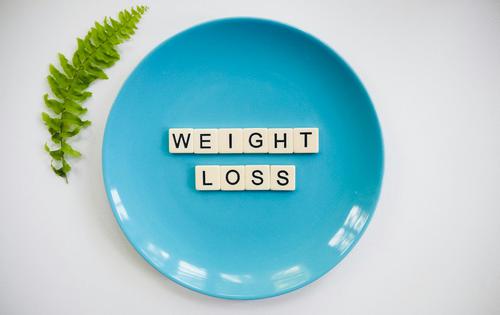
- GLP-1 weight-loss medications are catalyzing a profound shift in consumer spending, impacting food, beverage, apparel, and leisure sectors, with an estimated 12.4% of Americans now using these drugs.
- Retailers and restaurants are adapting by focusing on smaller portions, high-protein options, and wellness-centric messaging, with companies like Chipotle and McDonald's already testing new strategies.
- Investors should scrutinize companies' ability to innovate and pivot their business models to cater to this evolving consumer, favoring those with flexible supply chains and a focus on health-conscious offerings.
How Are GLP-1 Drugs Reshaping the Consumer Landscape?
GLP-1 weight-loss medications are fundamentally altering consumer behavior, creating ripples across diverse sectors from quick-service restaurants to luxury apparel. This isn't just another diet trend; it's a health revolution, reminiscent of the impact statins had on heart disease, with the market projected to reach $150 billion by 2030 and potentially 30 million users in the U.S. The shift is already palpable: over 12.4% of American adults are now relying on GLP-1s, a figure that doubled from 6% in May 2024 to November 2025. This rapid adoption is forcing businesses to rethink everything from product development to marketing strategies.
The core impact stems from GLP-1s' ability to suppress appetite, slow gastric emptying, and alter taste preferences, leading users to consume 20% to 30% fewer calories per day. This translates directly into reduced spending on food, particularly in indulgent categories like sweet and salty snacks, baked goods, and alcohol. Households with at least one GLP-1 user cut grocery spending by approximately 5.5% within six months, equating to a $416 reduction in annual food purchases. Higher-income households, often early adopters, show an even sharper decline of 8.6%, or $690 annually.
Beyond food, the effects extend to lifestyle choices. Users report increased confidence and a desire for more active experiences, influencing spending on apparel and travel. However, the current out-of-pocket costs for these drugs, coupled with persistent inflation, are also putting pressure on discretionary spending for out-of-home entertainment. Companies that fail to understand these nuanced shifts and adapt their offerings risk losing relevance in a market increasingly defined by health-conscious choices and smaller appetites. The challenge for investors is identifying which businesses are proactively embracing this disruption and which are likely to be left behind.
What Does This Mean for the Food and Beverage Industry?
The food and beverage industry faces a seismic shift as GLP-1 adoption accelerates, demanding a strategic pivot from volume-centric models to nutrition-focused offerings. Consumers on GLP-1s are not just eating less; their preferences are changing dramatically, gravitating towards protein-rich, nutrient-dense foods and shunning sugary drinks, high-fat snacks, and excessive alcohol. This is a direct challenge to traditional fast-food and CPG giants whose business models often rely on large portions and indulgent treats.
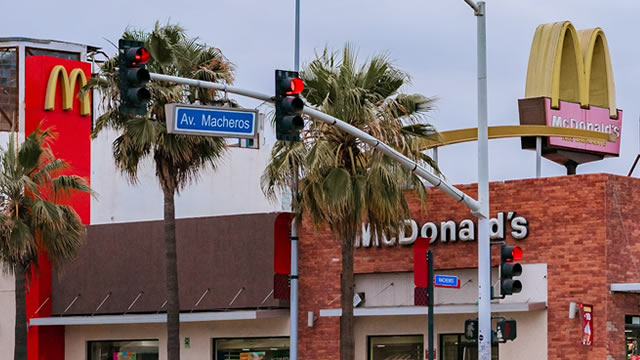
Fast-food chains, in particular, are feeling the pressure. A 2023 Morgan Stanley study found that GLP-1 users visited fast-food restaurants 77% less frequently and pizza joints 74% less over the previous year. McDonald's CEO Chris Kempczinski acknowledged the trend, stating, "As adoption grows, we know that consumers' behavior changes." McDonald's (MCD), currently trading at $327.58, down 1.36% today, is already testing high-protein menu items and experimenting with less sugary beverages. Their global comparable sales increased 5.7% in Q4 2025, but future growth will hinge on successful adaptation.
Other players are also responding. Chipotle Mexican Grill (CMG), whose shares are at $36.30, up 1.28% today, has launched items like a 32g protein cup with grilled chicken, catering to the GLP-1 crowd. Shake Shack introduced a "Good Fit Menu" featuring high-protein, lower-calorie options like a 42g protein chicken lettuce wrap. Even grocery retailers like M&S and Morrisons in the UK are releasing "GLP-1 friendly" ready meals focused on fiber, protein, and low calories. This indicates a broader industry movement towards smaller, more nutritious portions and a marketing emphasis on wellness rather than indulgence. The key for investors is to identify companies that can innovate their product lines and marketing to capture this evolving demand, rather than clinging to outdated models.
How Are Retailers and Leisure Companies Adapting?
Beyond the plate, GLP-1 medications are also reshaping spending patterns in retail and leisure, creating both challenges and opportunities for companies. The "newfound confidence" that many users experience with weight loss is driving demand for new wardrobes and activewear, yet the high cost of the drugs can simultaneously constrain discretionary spending on out-of-home entertainment. This creates a complex dynamic for businesses that requires careful navigation.
Apparel retailers, for instance, are seeing a shift in purchasing behavior. Nearly a third of GLP-1 users feel more positive about their body and are buying smaller sizes, with a fifth investing in more workout and activewear. This could lead to a $5 billion potential margin hit for retailers by 2027 if they don't recalibrate sizing curves and inventory planning regionally. Companies like Ross Stores (ROST), trading at $196.54, up 0.87% today, or Target (TGT), at $115.76, up 2.72%, which offer diverse clothing options, may benefit from this shift if they can quickly adapt their inventory and marketing to emphasize body confidence and active lifestyles.
In the travel and entertainment sectors, the picture is more nuanced. While 62% of GLP-1 users report spending the same or slightly less on out-of-home entertainment due to drug costs, their preferences are evolving. There's a noticeable shift towards active, wellness-focused vacations over sedentary, dining-centric ones. Travel and hospitality brands are responding by creating wellness-centered packages, offering diverse exercise options, and healthy dining. This suggests that companies focusing on immersive experiences, ecotourism, or fitness retreats might see increased demand, while traditional entertainment venues heavily reliant on food and beverage sales could face headwinds. The Estée Lauder Companies (EL), currently at $108.24, up 1.71%, might also see shifts as users report "Ozempic face" and other skin/hair changes, potentially boosting demand for specific beauty products.
What Are the Broader Economic Implications and Risks?
The widespread adoption of GLP-1 drugs carries significant broader economic implications, extending beyond individual consumer choices to impact entire supply chains, labor markets, and even public health policy. With the U.S. inflation rate at 2.27% and consumer sentiment at 52.90 as of December 2025, any major shift in consumer spending habits, especially in essential categories like food, will have a magnified effect on the economy. The potential for 30 million users by 2030 means this isn't a niche market; it's a fundamental reordering of demand.
One major risk is the potential for reduced total food volumes, which could impact agricultural production and food processing industries. While some argue this could be a "demand-side sustainability tool" by reducing beef production, it also raises concerns about distributional effects, potentially straining access to affordable protein for lower-income consumers if market prices adjust upwards. Companies like Costco Wholesale (COST), trading at $1018.48, up 1.96%, and Walmart (WMT), at $133.89, up 0.19%, which cater to a broad consumer base, will need to carefully manage their inventory and pricing strategies to adapt to these shifts.
Furthermore, the "GLP-1 friendly" trend could lead to a bifurcation of the market. Companies that successfully reformulate products, offer smaller portions, and market effectively to health-conscious consumers will thrive. Those that don't could see significant revenue declines. The restaurant industry, with its "Restaurants" sub-sector already down -1.50% today and an average P/E of 63.6, is particularly vulnerable. The shift also has implications for healthcare, with potential for reduced rates of obesity-related diseases, but also new demands for cosmetic procedures to address side effects like "Ozempic face." Investors must consider the long-term ripple effects across various sectors and evaluate companies based on their agility and foresight in navigating this evolving landscape.
Who Stands to Win and Lose in the GLP-1 Era?
In the rapidly evolving GLP-1 era, certain companies are better positioned to thrive, while others face significant headwinds, making careful stock selection crucial for investors. The winners will be those that embrace innovation, prioritize health-conscious offerings, and demonstrate agility in adapting their business models. The losers will likely be those slow to react, clinging to outdated strategies that no longer resonate with the changing consumer.
On the winning side, companies that offer high-protein, nutrient-dense, and portion-controlled options are poised for growth. Fast-casual chains like Chipotle (CMG) are already adapting with protein-focused menu items. CPG companies that can reformulate products to be lower in sugar, fat, and calories, or introduce new lines specifically for GLP-1 users, stand to gain. Nestle, for example, has already launched its "Vital Pursuit" line. The "Consumer Defensive" sector, up +1.43% today with an average P/E of 44.0, may see some resilience if companies within it can pivot effectively. Retailers focusing on activewear and flexible sizing, like Ross Stores (ROST), could also benefit from renewed consumer confidence and apparel purchasing.
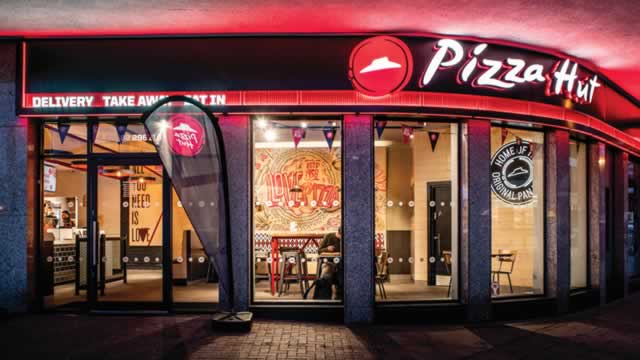
Conversely, companies heavily reliant on high-volume sales of sugary snacks, processed foods, and alcoholic beverages face substantial risks. The "Restaurants" industry, down -1.50% today, and "Consumer Electronics," down -2.37%, highlight the immediate impact on discretionary spending. Companies like Yum! Brands (YUM), trading at $160.57, down 1.66%, which owns Pizza Hut, may need to innovate beyond traditional indulgent offerings, despite recent marketing efforts like the heart-shaped pizza. Best Buy (BBY), at $65.80, up 1.43%, could see reduced demand for certain discretionary items if consumers prioritize health spending. The overall trend suggests a move away from "empty calories" and towards "functional foods," rewarding companies that can deliver on both health and convenience in smaller formats.
What Should Investors Watch For?
Investors navigating the GLP-1 landscape should focus on companies demonstrating proactive adaptation and strategic foresight. Look for clear communication from management regarding their GLP-1 strategy, including product innovation, marketing pivots, and supply chain adjustments. The ability to offer flexible, portion-controlled, and high-protein options will be paramount.
Pay close attention to earnings calls for insights into how companies are tracking GLP-1 user behavior and integrating these findings into their long-term plans. Companies that are transparent about their efforts to cater to this new consumer segment, rather than downplaying the impact, are likely to be more resilient. The ongoing shifts in consumer sentiment and spending habits, coupled with the potential for further price drops in GLP-1 drugs, mean this trend is still in its early stages, offering both risks and significant opportunities for discerning investors.
The market is in flux, and the companies that can reinvent their business models to align with this health revolution will be the ones that deliver long-term value.
Invest Smarter with Kavout Pro
Trusted by investors, traders, advisors and portfolio managers.
- AI Research Agents — 8 AI analysts working 24/7. Get institutional-grade research on stocks, crypto, forex, and ETFs in seconds.
- AI Stock Picker — Discover your next winning stocks with AI-powered rankings across 20+ global exchanges.
- Smart Money — See what insiders, analysts, Congress members, and billionaire investors are buying — in real time.
- Smart Signals — Spot high-probability trade setups others miss with powerful AI scanning technology.
- Portfolio Toolbox — Build direct-index portfolios, analyze factor exposures, and optimize for maximum Sharpe ratio.
Subscribe to Kavout Pro today — stop guessing, start investing with an edge.
Related Articles
Category
You may also like
No related articles available
Breaking News
View All →No topics available at the moment