MarketLens
Has UnitedHealth Group Hit Rock Bottom, Or Is More Pain Ahead

Key Takeaways
- UnitedHealth Group (UNH) shares have plummeted over 40% from their 52-week high, driven by a cyberattack, cautious 2026 guidance, and Medicare Advantage headwinds.
- Despite near-term challenges, UNH's immense scale, diversified Optum segment, robust free cash flow, and strong analyst consensus suggest a potential long-term recovery.
- Investors are weighing significant operational and regulatory risks against a compelling valuation, with the stock trading well below analyst price targets and technical support levels attracting contrarian buyers.
Has UnitedHealth Group Hit Rock Bottom, Or Is More Pain Ahead?
UnitedHealth Group (NYSE: UNH), a behemoth in the healthcare sector, has found itself in an unfamiliar position: under siege. Once a seemingly unassailable growth stock, UNH shares have experienced a dramatic repricing, falling from highs above $600 to trade around $293.27 as of February 27, 2026. This precipitous decline, which saw the stock shed 23.1% over the past month and a staggering 40.3% over the last year, has ignited fierce debate across FinTwit and among active traders. The core question for investors now is whether this healthcare giant is presenting a generational "buy the dip" opportunity or if the current headwinds signal a prolonged period of underperformance.
The confluence of a major cyberattack, conservative 2026 guidance, and mounting pressure on its lucrative Medicare Advantage (MA) business has created a perfect storm for UNH. Management's forecast of a potential revenue decline in 2026 – a rarity for the company – coupled with a disappointing Medicare Advantage rate proposal from the Trump administration, has fundamentally shifted market sentiment. While some institutional players and insiders are accumulating shares, signaling confidence in a long-term rebound, the immediate outlook remains clouded by operational challenges and regulatory uncertainty. This complex backdrop demands a closer look at the forces shaping UnitedHealth's trajectory.
The current price action reflects a significant re-evaluation of UNH's near-term prospects, moving from sustained trade above $500 in early 2025 to testing the high-$200s by mid-February 2026. This sharp correction has left many investors reeling, but it has also opened the door for contrarian plays. The debate centers on whether the market has overreacted to what could be temporary disruptions, or if these challenges represent a more fundamental shift in the healthcare landscape that will continue to erode profitability. Understanding these dynamics is crucial for anyone considering an investment in this embattled healthcare leader.
What's the Real Impact of the Cyberattack and Cautious Outlook?
The operational fallout from a recent cyberattack has cast a long shadow over UnitedHealth Group, directly contributing to its cautious 2026 outlook. This disruption, affecting parts of its business, has forced the company to issue conservative guidance, raising the possibility of its first annual revenue decline in decades. While the company reported consolidated revenues of $447.6 billion for 2025, representing 12% growth year-over-year, the forecast for 2026 projects revenues of more than $439 billion, a roughly 2% drop. This projected $15 billion shortfall compared to Wall Street's initial projections has been a primary catalyst for the stock's recent weakness.
The cyberattack's true financial and operational toll is still being assessed, but it has undoubtedly strained resources and diverted management attention. The need for systems and operations to normalize quickly is paramount for the company to regain its footing. This operational disruption, combined with other challenges, led to a $1.6 billion net of taxes charge in Q4 2025, largely non-cash, which was excluded from adjusted earnings. While UnitedHealth aims for adjusted earnings per share (EPS) of over $17.75 in 2026, the revenue contraction signals a challenging environment.
UnitedHealthcare, the company's health benefits arm, saw its adjusted operating earnings fall sharply by 41.1% to $9.6 billion in 2025, despite a 15.7% revenue climb to $344.9 billion. This significant margin compression, with the adjusted operating margin declining to 2.8% from 5.4% a year earlier, highlights the direct hit to profitability. The company is actively implementing repricing actions to offset these cost pressures, with operating earnings expected to rebound to more than $10.8 billion in 2026. However, the cautious revenue guidance suggests that these actions may not fully compensate for the broader headwinds in the near term, making execution in 2026 a critical watchpoint for investors.
How Are Medicare Advantage Headwinds Reshaping UNH's Core Business?
The landscape for Medicare Advantage (MA) plans is undergoing a significant shift, posing substantial challenges for UnitedHealth Group's core UnitedHealthcare segment. Social media discussions erupted following UNH's disclosure of proposed flat MA rates for 2027 under Trump-era policies, a stark contrast to the 5.06% rate increase seen in the prior year. This lower-than-expected rate proposal, a mere 0.09% increase, has been described by analysts as "disappointing" and "well below expectations and inflationary trends," signaling a tightening environment for insurers.
UnitedHealthcare expects to lose a substantial 1.3 million to 1.4 million Medicare Advantage members in 2026. This anticipated decline stems from the company's strategic decision to reprice plans to improve margins amidst rising medical costs and intense competition. While management frames this pullback as intentional, aimed at restoring profitability, it directly impacts enrollment and revenue in the near term. The medical care ratio (MCR), which is the percentage of premiums spent on medical care, rose to 89.1% in 2025 from 85.5% in 2024, reflecting "consistently elevated utilization" and higher service intensity. For 2026, management projects the MCR in the 88.3–89.3% range, indicating continued pressure.
This confluence of flat reimbursement rates, rising medical costs, and expected membership pressure creates a formidable headwind for UnitedHealthcare, which remains the company's primary revenue engine. The debate among traders highlights concerns that rising medical costs are eroding profitability, with a "death cross" formation on the charts signaling further downside risk for some. The ability of UNH to navigate these policy and cost pressures, stabilize its MA business, and demonstrate effective execution in repricing and cost management will be crucial for its long-term performance and investor confidence.
What's the Bull Case for UnitedHealth Amidst the Turmoil?
Despite the significant headwinds, a compelling bull case for UnitedHealth Group emerges from its unparalleled scale, diversified business model, and strong financial fortitude. UNH remains the top U.S. healthcare revenue generator, with $447.6 billion in 2025 revenues, a massive enterprise that offers inherent resilience. Its diversified Optum services, which expanded revenues 7% to $270.6 billion in 2025 and supported over 123 million consumers, provide a crucial buffer against pressures in the UnitedHealthcare segment. Optum's growth prospects, driven by data analytics and pharmacy services, are often cited by analysts as a key supporting factor.
The company's robust free cash flow strength and consistent dividend payments remain focal points for long-term investors. UnitedHealth Group authorized a quarterly dividend of $2.21 per share, translating to a yield of 3.01% at current prices. This commitment to shareholder returns, even amidst a challenging period, signals financial stability and confidence from management. News reports also highlight that UnitedHealth Group's stable dividend amidst negative news indicates financial resilience, potentially attracting income-focused investors and supporting stock price stability.
Furthermore, insider buying and hedge fund accumulation suggest that some sophisticated market participants see long-term value in UNH at these depressed levels. While insider purchases have been limited to one instance in the past six months, hedge funds like Rockefeller Capital Management L.P. significantly increased their position in Q4 2025, adding 1.57 million shares for an estimated $517.6 million. This institutional confidence, coupled with technical floors near $270-280 where prior bounces occurred, is drawing mean-reversion trades and options bets targeting a rebound. Bulls underscore demographic tailwinds supporting the healthcare sector and UNH's dominant market position as factors that will drive a multi-year recovery trajectory.
Is UNH Undervalued, and What Are Analysts Saying?
The sharp decline in UnitedHealth Group's stock price has led many to question its current valuation, with several metrics suggesting it may be significantly undervalued. Simply Wall St's analysis indicates that shares are trading a remarkable 66.5% below an estimated fair value, pointing to a sizable valuation gap. This perspective is supported by the fact that the current price of $293.27 sits approximately 25% below the consensus analyst target of $385.38. This discrepancy between the market price and intrinsic value estimates is a key driver for "buy the dip" sentiment.
Wall Street analysts, despite recent target reductions, largely maintain a bullish stance on UNH. The overall analyst rating consensus is a "Buy," with 52 analysts covering the stock (1 Strong Buy, 40 Buy, 7 Hold, 4 Sell, 0 Strong Sell). The median price target stands at $390.50, implying a substantial upside of over 33% from current levels. Even the lowest analyst target of $327.00 suggests a recovery from the current price. Firms like Mizuho and JP Morgan recently maintained their "Outperform" and "Overweight" ratings, respectively, albeit with some target adjustments to reflect the updated 2026 guidance and Medicare Advantage rate uncertainty.
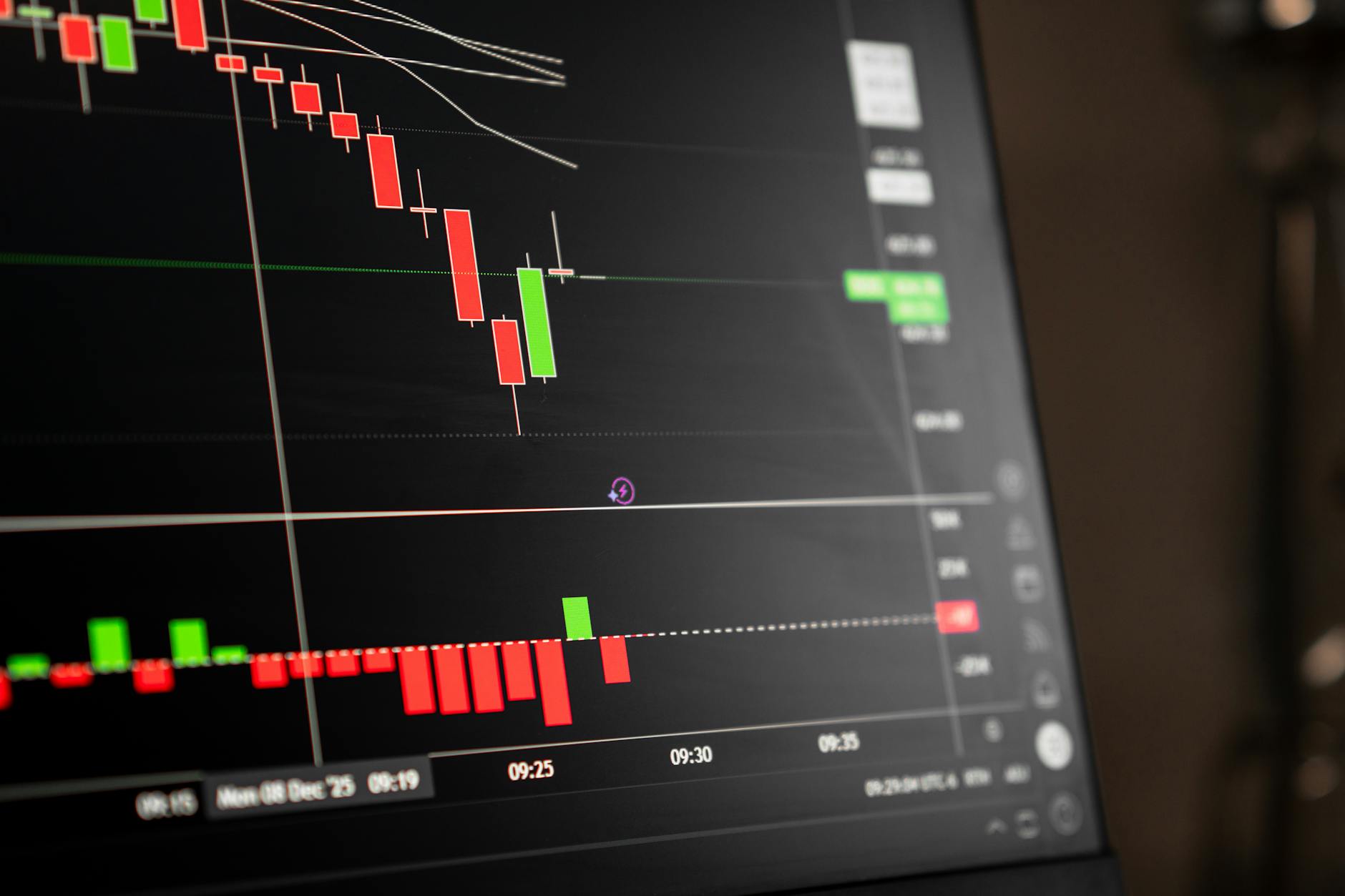
Technically, the stock is trading below its short- and medium-term moving averages, with the 20-, 50-, 100-, and 200-day moving averages all above the current price. The 14-day Relative Strength Index (RSI) is in neutral territory around 44.9, while the Average Directional Index (ADX) near 38.7 suggests an established trend. Key technical support levels are identified around $308.40 and $258.93, while potential resistance lies near $336.40 and $385.87. The combination of a compelling valuation gap, strong analyst backing, and technical support levels presents a complex but potentially attractive entry point for long-term investors willing to stomach near-term volatility.
What Should Investors Watch Next?
For investors considering UnitedHealth Group, the path forward hinges on several critical developments. Keep a close eye on how quickly the company restores its systems and operations following the cyberattack, as operational normalization is key to stabilizing performance. Any updates to the 2026 outlook, particularly regarding revenue and earnings guidance, will be closely scrutinized for signs of improvement or further deterioration.
The evolution of Medicare Advantage membership trends and margins will also be paramount. Watch for any changes in regulatory policy or new proposals that could impact reimbursement rates, as these will directly affect the profitability of UnitedHealthcare's largest segment. Finally, monitor the company's debt levels, as a high debt load could become a risk if earnings or cash flow are strained during this period of operational and regulatory challenges.
UnitedHealth Group is navigating a turbulent period, but its fundamental strengths and market position remain formidable. While the near-term outlook is undoubtedly challenging, the current valuation and strong analyst consensus suggest a potential long-term opportunity for patient investors. The coming quarters will be a crucial test of management's execution and the company's resilience in a rapidly evolving healthcare landscape.
Want deeper research on any stock? Try Kavout Pro for AI-powered analysis, smart signals, and more. Already a member? Add credits to run more research.
Related Articles
Has the AI Stock Rally Finally Hit a Wall
Category
You may also like


Stock Of The Day: Where Will Ulta Beauty Find A Bottom?

Canopy Growth: Is There Any Hope Left for This Beaten-Down Stock?

Has Bitcoin bottomed? Why $60K may not be BTC's floor
Breaking News
View All →Featured Articles
Top Headlines

Accenture: No, The Software Apocalypse Isn't Coming

The S&P 500 just flashed a bearish sign — but more damage is being done beneath the market's surface

Nvidia's strategic pivot

JPMorgan analysts cut S&P 500 target, flagging market complacency despite oil shock