MarketLens
How Did Major Drilling's Stock Price Rise After a Q3 Earnings Miss

Key Takeaways
- Major Drilling Group International (TSX:MDI) defied a Q3 FY2026 earnings and revenue miss, seeing its stock price rise 1.83% on investor optimism for future growth in North American mining.
- The company's strategic investments in capacity and a strong outlook for commodity prices, particularly copper and gold, are outweighing current margin pressures and quarterly losses.
- Despite a high P/E ratio of 105.6x and recent earnings volatility, analysts maintain a "Strong Buy" consensus, projecting significant earnings and revenue growth for MDI.
How Did Major Drilling's Stock Price Rise After a Q3 Earnings Miss?
Major Drilling Group International (TSX:MDI) delivered a curious performance following its Q3 fiscal year 2026 earnings report, with shares climbing 1.83% despite a substantial miss on both EPS and revenue expectations. The company reported a net loss of CA$10.8 million, or CA$0.13 per share, widening from a CA$9.1 million loss, or CA$0.11 per share, in the same quarter last year. Revenue, while up 14.9% year-over-year to CA$184.6 million, still fell short of analyst consensus. This contrarian market reaction signals that investors are looking beyond the immediate quarter's red ink, focusing instead on the underlying narrative of future growth and strategic positioning.
The market's resilience in MDI shares suggests a strong belief in the company's long-term prospects, particularly its exposure to the robust mining exploration sector. Management's commentary highlighted significant optimism, pointing to increased financing activity and growing exploration budgets across the industry. This forward-looking sentiment appears to be the primary driver, overshadowing the current quarter's operational headwinds and margin compression. Investors seem to be giving MDI a pass on the short-term pain, betting on a substantial payoff as these industry tailwinds materialize.
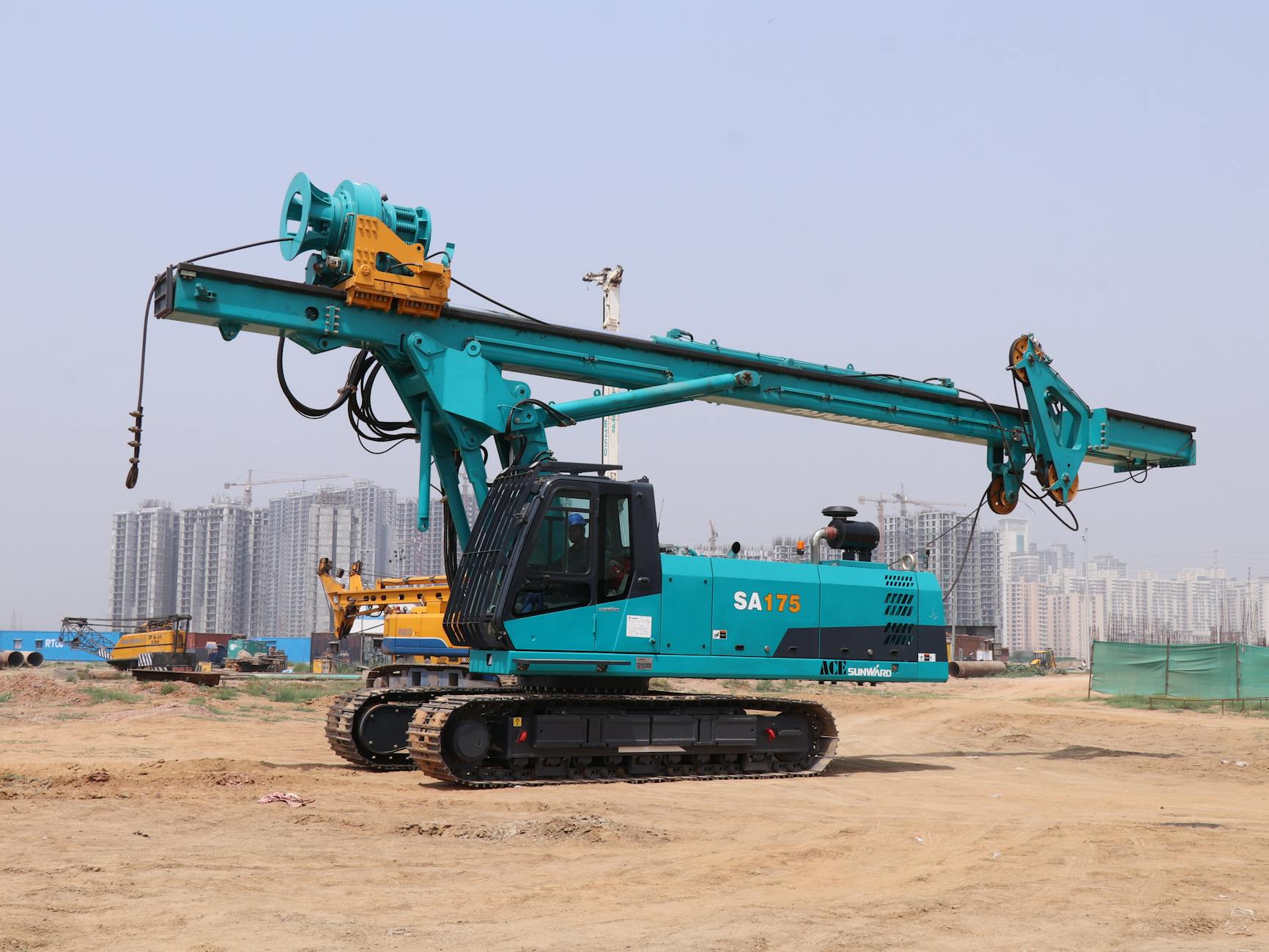
A key factor in this optimism is the company's proactive investment in capacity. MDI noted it incurred costs to "aggressively prepare for increased activity levels through calendar 2026." This suggests that the current margin pressure, with adjusted gross margin at 14.3%, is a deliberate trade-off for future revenue capture. In essence, the market is interpreting these higher costs not as inefficiency, but as strategic spending to capitalize on an anticipated boom in drilling demand, especially in critical minerals. This investment narrative is powerful enough to deflect concerns over a quarter that saw a swing from a CA$13.9 million net income in Q2 FY2026 to a loss in Q3.
What's Driving Investor Optimism Despite Margin Pressures?
Investor optimism for Major Drilling Group International, despite its Q3 FY2026 margin pressures, is largely fueled by a confluence of macroeconomic factors and strategic company positioning. The mining sector is experiencing a significant uptick in financing activity and exploration budgets, which directly benefits a contract driller like MDI. According to the TSX Market Intelligence Report, equity capital raised by mining companies in 2025 surged by over 53% to nearly CA$16 billion. This influx of capital is expected to translate into increased drilling contracts as exploration and development projects accelerate throughout 2026 and beyond.
Furthermore, the CEO, Denis Larocque, explicitly stated that senior mining customers have released "sharply higher exploration budgets for calendar 2026." This forward guidance from the industry's major players provides a strong signal of sustained demand for MDI's services. The company is positioned as the largest provider of drilling services to the mining sector, making it a prime beneficiary of this industry-wide expansion. This anticipated surge in activity is seen as a powerful counter-narrative to the current quarter's thinner margins and net loss.
The robust pricing of precious and base metals also underpins this bullish outlook. Strong commodity prices incentivize mining companies to invest more in exploration and expanding their reserve bases, creating a fertile environment for drilling contractors. For instance, the copper market is projected to swing into a 1 million metric ton deficit in 2026, driven by demand from electric vehicles and data centers. Such a tight market signals higher price risk and potential supply-chain constraints, pushing miners to secure new reserves, which requires extensive drilling.
This long-term demand picture, coupled with MDI's strategic investments in preparing for increased activity, suggests to investors that the current quarter's underperformance is transient. The company's decision to incur costs now to scale up operations is viewed as a necessary step to capture future market share and revenue, rather than a sign of fundamental weakness. This forward-looking perspective allows the market to discount the immediate financial results and focus on the projected growth trajectory.
Is MDI's High P/E Justified by Future Growth Prospects?
Major Drilling Group International currently trades at a trailing P/E ratio of 105.6x, significantly higher than the Canadian Metals & Mining industry average of 22.5x and its peers at 14.3x. This elevated multiple, especially in the face of a Q3 FY2026 net loss of CA$10.8 million and a trailing twelve-month net profit margin of just 1.7% (down from 4.9% a year earlier), presents a critical point of contention for investors. The core question is whether MDI's future growth prospects can truly justify such a premium valuation.
Bulls argue that the high P/E reflects the market's anticipation of substantial future earnings growth, rather than current profitability. Analysts are forecasting impressive earnings growth of approximately 30.6% per year and revenue growth of about 13.4% per year. These projections are predicated on the expected deployment of the CA$16 billion in equity capital raised by mining companies in 2025 and the sharply higher exploration budgets for 2026. If MDI can successfully convert this anticipated demand into profitable contracts, its earnings could expand rapidly, making the current P/E appear less daunting in hindsight.
However, skeptics warn that this valuation, coupled with recent earnings volatility—a swing from CA$13.9 million net income in Q2 FY2026 to a CA$10.8 million loss in Q3—is fragile. A P/E multiple several times higher than its peers demands consistent, stable earnings growth, which the latest quarter does not demonstrate. The path from a 1.7% net margin to the 5.5% consensus profit margin expected over the next few years requires a level of earnings stability that has yet to materialize. Bears highlight that if future reports resemble Q3, the market's willingness to support such an elevated valuation could quickly erode.
The disconnect between the current financial performance and the optimistic forecasts creates a high-stakes scenario. While a discounted cash flow (DCF) fair value estimate of CA$22.01 suggests an upside from the current share price of CA$18.25, this relies heavily on those aggressive growth assumptions. Investors are essentially betting on MDI's ability to bridge the gap from its current loss-making quarter to the much higher profit figures embedded in these bullish scenarios, a leap that requires flawless execution and a sustained positive market environment.
What Role Do Commodity Price Trends Play in MDI's Outlook?
The trajectory of commodity prices is a fundamental determinant of Major Drilling Group International's financial health and future prospects. As a contract driller, MDI's business directly correlates with the exploration and development spending of mining companies, which in turn is heavily influenced by the profitability and outlook for key metals. The current environment, characterized by "very strong precious and base metal prices," as noted by MDI's CEO, provides a robust tailwind for the company.
Consider copper, a critical base metal. BloombergNEF forecasts the copper market to swing into a 1 million metric ton deficit in 2026. This deficit is driven by surging demand from energy transition requirements, particularly electric vehicles and the proliferation of copper-intensive data centers, while supply faces acute long-term pressures from mine disruptions and slow permitting. Such a tight market signals higher prices, which directly incentivizes mining companies to increase exploration efforts to secure future supply, thereby boosting demand for MDI's drilling services.
Gold, a key precious metal, also plays a significant role. While not explicitly detailed in the Q3 report, strong gold prices typically encourage increased exploration and development spending, especially for junior miners who rely on equity financing. The overall increase in equity capital raised by mining companies, up over 53% to nearly CA$16 billion in 2025, is partly attributable to the attractiveness of gold projects in a high-price environment. This capital directly fuels the drilling activity that MDI provides.
Conversely, a downturn in commodity prices could quickly reverse MDI's fortunes. If metal prices were to soften significantly, mining companies would likely curtail their exploration budgets and delay new projects, leading to reduced demand for drilling services. This inherent cyclicality makes MDI's performance highly sensitive to global commodity market trends. For now, the prevailing strength in both precious and base metals provides a strong foundation for the bullish outlook, suggesting that the current commodity cycle is far from over and will continue to drive demand for MDI's specialized drilling expertise.
What Does This Mean for Investors in MDI?
For investors considering Major Drilling Group International (TSX:MDI), the Q3 FY2026 results present a complex picture of short-term challenges against a backdrop of strong long-term potential. The immediate takeaway is that the market is willing to overlook a quarterly loss and margin compression, choosing instead to focus on the company's strategic positioning and the robust outlook for the broader mining sector. This indicates a high degree of confidence in MDI's ability to capitalize on future industry growth, particularly in North America.
The bullish case for MDI hinges on several key factors. The significant increase in mining company financing, with over CA$16 billion raised in 2025, and sharply higher exploration budgets for 2026, signals a strong pipeline of future work. MDI's proactive investments in capacity, while impacting current margins, are seen as necessary steps to meet this anticipated demand. Furthermore, the sustained strength in precious and base metal prices, especially the projected 1 million metric ton copper deficit in 2026, provides a powerful incentive for miners to expand exploration.
However, investors must also acknowledge the risks. MDI's trailing P/E of 105.6x is exceptionally high, demanding flawless execution and consistent earnings growth to justify. The recent swing from a CA$13.9 million net income in Q2 to a CA$10.8 million loss in Q3 highlights earnings volatility that could challenge this premium valuation if it persists. Margin compression and project delays remain tangible concerns, and any significant downturn in commodity prices could quickly erode the positive sentiment.
Ultimately, MDI represents a high-growth, high-risk proposition. The appointment of veteran mining geologist Shannon McCrae to the board adds technical and governance depth, which is directionally supportive of the long-term story. However, it doesn't immediately mitigate the profitability risks highlighted by the recent loss. Investors need to weigh the compelling long-term industry tailwinds and MDI's market leadership against its current profitability struggles and elevated valuation, recognizing that this is a bet on future execution in a cyclical industry.
Major Drilling Group International's Q3 FY2026 results underscore a market prioritizing future growth over present struggles, driven by a strong commodity outlook and strategic capacity investments. While the high valuation demands close scrutiny, MDI remains a key player poised to benefit from the accelerating global demand for critical minerals. Investors should monitor the company's ability to translate increased activity into improved margins and consistent profitability in the coming quarters.
Want deeper research on any stock? Try Kavout Pro for AI-powered analysis, smart signals, and more. Already a member? Add credits to run more research.
Related Articles
Category
You may also like


Why Is Halliburton (HAL) Up 4.9% Since Last Earnings Report?

Why Energy Stocks Are Rallying While Oil Prices Stall

CGAU's Shares Hit Fresh 52-Week High: What's Driving the Stock?
Breaking News
View All →Featured Articles
Top Headlines

SPHQ: Invesco's S&P 500 Quality ETF Is Well-Positioned To Outperform

Tesla (TSLA) Sees a More Significant Dip Than Broader Market: Some Facts to Know

Vertiv, Lumentum, Coherent, EchoStar set to join S&P 500

Vertiv, Lumentum, Coherent, and EchoStar to Join S&P 500