MarketLens
Is AEVEX Aerospace Poised to Dominate the Defense Tech Market

Key Takeaways
- AEVEX Aerospace's impending IPO signals a strategic private equity exit in a robust defense tech market, driven by rising global demand for advanced ISR and autonomous systems.
- The company's focus on full-spectrum airborne ISR, AI-driven autonomy, and uncrewed systems aligns perfectly with evolving U.S. defense priorities and substantial budget allocations.
- While AEVEX benefits from a strong market tailwind and deep government relationships, investors should weigh its competitive landscape and the inherent risks of government contracting.
Is AEVEX Aerospace Poised to Dominate the Defense Tech Market?
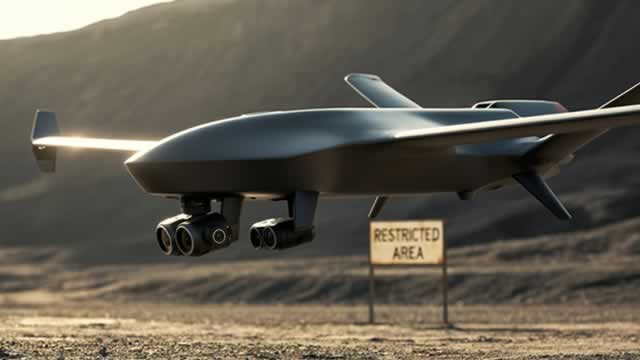
AEVEX Aerospace, a defense technology company backed by Madison Dearborn Partners (MDP) and CoVant Management, is gearing up for a U.S. initial public offering, a move that could reshape the public market's perception of specialized defense contractors. This isn't just another tech IPO; it represents a strategic play in a sector experiencing an undeniable resurgence, driven by geopolitical realities and a rapid technological arms race. AEVEX specializes in full-spectrum airborne intelligence, surveillance, and reconnaissance (ISR), alongside advanced autonomy and uncrewed systems, positioning it squarely at the intersection of critical national security priorities.
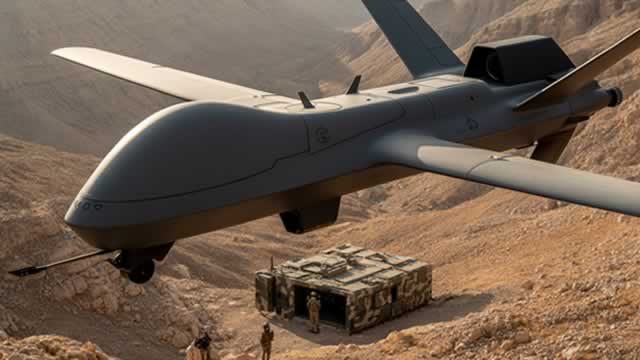
The company's core offering revolves around operating and sustaining manned and unmanned aircraft equipped with cutting-edge ISR systems. This includes everything from persistent airborne coverage and advanced sensor integration (EO/IR, radar, SIGINT) to real-time intelligence analysis, transforming raw data into actionable insights for decision-makers. Such capabilities are not merely incremental improvements; they are foundational to modern warfare and intelligence gathering, providing a decisive edge in dynamic mission environments. AEVEX's "CompassX" platform, an open-standards, AI-driven navigation and autonomy system, further underscores its commitment to next-generation defense solutions, uniting crewed and uncrewed systems for unmatched precision and resilience.
This public debut comes at a time when the broader Industrials sector is experiencing mixed signals, with a slight dip of -0.01% today, yet the defense industry itself is at a genuine inflection point. Government spending priorities continue to heavily favor defense, cybersecurity, and advanced technology, a trend expected to persist through 2026. Contractors like AEVEX, offering cyber resilience, AI, and data-driven capabilities, are in high demand across both defense and civilian agencies. The market is ripe for companies that can deliver efficiency-focused solutions and enhance national security through innovative technology.
AEVEX's strategic acquisitions, such as Veth Research Associates in October 2024 and select assets from drone maker RapidFlight, demonstrate a proactive approach to expanding its capabilities and market footprint. These moves are critical in an industry where technological innovation is a major trend, with leading companies prioritizing the development of advanced solutions to meet surging demand. By integrating new technologies and talent, AEVEX aims to enhance its competitive positioning worldwide, particularly in areas like next-generation airborne ISR and AI-enabled software capabilities.
What Drives Demand in the Airborne ISR and Autonomy Sector?
The demand for airborne Intelligence, Surveillance, and Reconnaissance (ISR) and advanced autonomy solutions is experiencing a significant expansion, fueled by a confluence of geopolitical tensions, technological advancements, and evolving military strategies. The global airborne ISR market, in particular, is poised for substantial growth, driven by the increasing need for comprehensive surveillance across military and civilian applications. AEVEX Aerospace is a direct beneficiary of this trend, offering end-to-end airborne ISR operations, from aircraft deployment and mission execution to data delivery, ensuring persistent situational awareness and rapid intelligence flow.
Modern conflicts and national security imperatives necessitate persistent, precise intelligence. AEVEX's ability to deliver continuous ISR support through a fleet of manned and unmanned aircraft, optimized for endurance and flexibility, directly addresses this critical need. Their operations teams ensure consistent visibility in dynamic environments, providing commanders with the intelligence required for operational decision-making. This isn't just about collecting data; it's about transforming complex data from multi-domain sensor platforms into actionable insights, enhancing situational awareness, shortening response times, and delivering operational advantage.
Beyond traditional ISR, the defense sector is undergoing a profound digital transformation, making AI and advanced analytics no longer aspirational but essential. Defense budgets are increasingly channeling investment into autonomous unmanned systems, drones, and advanced weapons platforms. AEVEX's "CompassX" platform, which powers AI-driven navigation and autonomy for both crewed and uncrewed systems, positions the company at the forefront of this shift. From GPS-denied navigation to autonomous targeting and guidance, these solutions deliver assured performance across every domain, directly aligning with the DoD's modernization priorities.
The emphasis on "speed to field" has become a unifying metric across defense portfolios, pushing for rapid development and deployment of next-generation capabilities. AEVEX's agile and customized approaches to rapidly define, develop, and deliver specialized solutions for airborne intelligence requirements are a direct response to this demand. Furthermore, the implementation of Cybersecurity Maturity Model Certification (CMMC) 2.0, which took effect in November 2025, makes robust cybersecurity a prerequisite for many DoD bids. Companies like AEVEX, which integrate advanced data analytics and secure networks into their intelligence analysis, are well-positioned to meet these stringent compliance requirements and capitalize on the heightened demand for secure, data-driven capabilities.
How Does AEVEX Stack Up Against Competitors?
The competitive landscape for airborne ISR and defense technology is robust, populated by well-established corporations and emerging innovators. Giants like Raytheon Technologies, Lockheed Martin, BAE Systems, and Northrop Grumman dominate the broader defense sector, offering a vast array of solutions including airborne ISR. These prominent players have deep pockets, extensive R&D capabilities, and long-standing relationships with government agencies. However, AEVEX Aerospace carves out its niche by focusing on specialized, full-spectrum mission support, often operating with greater agility and a more tailored approach than its larger counterparts.
AEVEX differentiates itself through its emphasis on end-to-end mission solutions, from operating advanced ISR aircraft to providing real-time intelligence analysis and developing proprietary autonomy platforms like CompassX. While larger primes might offer components of these services, AEVEX aims to deliver integrated, mission-ready insight globally. Its expertise spans ISR operations, system sustainment, sensor integration, and field deployments, providing a comprehensive offering that appeals to specific U.S. Department of Defense, Special Operations, and Intelligence Community customers who value agility and specialized performance.
The company's strategic acquisitions, such as Veth Research Associates and assets from RapidFlight, are crucial for staying competitive and expanding its technological edge. These acquisitions allow AEVEX to integrate new capabilities, particularly in unmanned aircraft systems (UAS) and loitering munitions, which are high-growth areas within defense. This inorganic growth strategy helps AEVEX to quickly adapt to evolving threats and technological demands, a critical factor in a market driven by rapid innovation.
However, the competition isn't solely from the defense behemoths. The airborne ISR market also includes other specialized players and new entrants focused on specific technologies like drone automation and data analysis, such as Skycatch and DroneDeploy. AEVEX must continuously innovate and demonstrate superior performance to maintain its competitive edge against both large, diversified defense contractors and nimble, tech-focused startups. Its ability to attract and retain top talent, invest in cutting-edge R&D, and leverage its strong relationships within the national security apparatus will be paramount to its long-term success in this intensely competitive environment.
What Are the Bull and Bear Cases for AEVEX's IPO?
The bull case for AEVEX Aerospace's IPO is compelling, rooted in its alignment with robust defense spending trends and its specialized technological offerings. The company operates in a high-growth segment of the defense market, particularly airborne ISR and advanced autonomous systems, which are top priorities for the U.S. government. Defense spending is projected to rise, with a strong emphasis on reinvestment in domestic industrial capacity and supply-chain resilience. AEVEX, with its U.S.-centric operations and focus on delivering mission-critical solutions, is perfectly positioned to capture a significant share of this increased allocation.
Furthermore, AEVEX's expertise in AI-driven autonomy (CompassX) and uncrewed systems (UAS, USV, loitering munitions) places it at the forefront of defense modernization. These technologies are seeing accelerated adoption, driven by the "speed to field" imperative and the need for enhanced situational awareness in complex environments. The company's proven performance, global deployment capabilities, and strong relationships with the DoD, Special Operations, and Intelligence Community provide a stable revenue base and opportunities for expansion. Madison Dearborn Partners' deep experience in the government technology sector, including prior successful investments, also lends credibility to AEVEX's growth trajectory and operational efficiency.
On the flip side, the bear case highlights several inherent risks in the defense contracting space. While government spending is robust, it's also subject to political shifts, budget cycles, and heightened scrutiny. The FTI Strategic Communications report from January 2026 noted that government tolerance for delivery delays, budget overruns, and excess margin extraction is likely to decline. This means AEVEX will face intense pressure to perform, deliver on time, and manage costs effectively, especially with rising material and wage costs.
Another concern is the intense competition from larger, more diversified defense contractors who possess greater resources and established market dominance. While AEVEX has carved out a niche, scaling up as a public company will require sustained innovation and efficient execution to fend off rivals. The increasing "Buy American" thresholds, set to rise to 75% by 2029, could also pose challenges if AEVEX relies on foreign-sourced components, necessitating costly adjustments to its supply chain. Finally, the inherent risks of government contracting, including contract termination, regulatory changes, and the long sales cycles, could impact revenue predictability and growth.
What Does This IPO Signal for Private Equity in Defense?
AEVEX Aerospace's move towards a public offering is a significant bellwether for the broader private equity landscape within the aerospace and defense sector. It signals a maturing trend where private equity firms, like Madison Dearborn Partners (MDP), are successfully nurturing specialized defense technology companies and bringing them to market for lucrative exits. This isn't an isolated event; FTI Strategic Communications highlighted in February 2026 that "Defense Tech is Primed for the Public Markets," indicating a broader appetite for these types of companies among public investors.
Private equity firms have long seen the defense sector as attractive due to its stable, albeit cyclical, government funding and the critical nature of its products. MDP, with its deep experience in government technology, has a track record of partnering with founder-led teams to scale and strengthen product offerings. Their investment in AEVEX Aerospace, alongside other ventures like LGS Innovations and LinQuest Corporation, demonstrates a strategic focus on companies that provide innovative technology solutions to the DoD and Intelligence Community. The IPO represents the culmination of this strategy, validating the private equity model of identifying, investing in, and growing defense contractors.
The current market environment, characterized by increased defense spending and a focus on technological modernization, provides an opportune window for these exits. Public investors are increasingly seeking exposure to companies that offer cutting-edge solutions in areas like AI, autonomy, and advanced ISR, recognizing their long-term growth potential. A successful AEVEX IPO would likely encourage more private equity-backed defense tech companies to consider public listings, creating a new wave of investment opportunities for retail and institutional investors alike.
However, these exits also come with increased scrutiny. As these companies transition from private to public, they face greater transparency requirements and investor expectations for consistent growth and profitability. The private equity model often involves leveraging acquisitions to accelerate growth, and public markets will be watching to see if AEVEX can continue this trajectory while managing the complexities of being a publicly traded entity. Ultimately, AEVEX's IPO is more than just a company going public; it's a testament to the strategic value private equity sees in the defense tech sector and a potential blueprint for future liquidity events in this critical industry.
What Does This Mean for Investors?
For investors, AEVEX Aerospace's IPO presents an opportunity to gain exposure to a high-growth segment of the defense technology market, particularly in airborne ISR and advanced autonomy. The company's strong alignment with evolving U.S. defense priorities and its proven capabilities in mission-critical areas make it an attractive prospect for those seeking long-term growth in a resilient sector. However, a thorough due diligence process is essential, considering both the significant tailwinds and the inherent risks associated with government contracting.
Investors should closely monitor AEVEX's contract wins, R&D investments, and execution on its strategic acquisitions. Its ability to continue innovating and expanding its proprietary technology, like the CompassX platform, will be key to sustaining its competitive advantage. The defense sector, while stable, is not immune to political shifts or budget realignments, so understanding the company's diversification and customer relationships will be crucial.
AEVEX's public debut marks a significant moment for the defense technology landscape, offering a window into the future of specialized government solutions. Its success could pave the way for more private equity-backed defense firms to enter the public markets, broadening investment options in this vital sector.
Want deeper research on any stock? Try Kavout Pro for AI-powered analysis, smart signals, and more. Already a member? Add credits to run more research.
Related Articles
Category
You may also like


Is LMT Expanding F-35 Capabilities to Strengthen Air Dominance?

Is This AI Infrastructure Stock a Real Millionaire Maker or Just Hype?

Is 2026 the Year to Go Big on Defense ETFs?
Breaking News
View All →Featured Articles
Top Headlines

Top 25 High-Yield Dividend Stocks For April 2026

High-Yield And Tax-Advantaged Income Funds From NEOS (April Update)

TSMC vs. Nvidia: Which AI Supercycle Growth Stock Is the Better Long-Term Buy?

Ca$htag$: Can WMT Win Retail War Against AMZN & TGT?