MarketLens
Is Aston Martin's Valhalla a Game-Changer for the Brand

Key Takeaways
- Aston Martin's Valhalla hypercar, priced at over $1 million and limited to 999 units, is a critical "halo" product designed to redefine the brand's ultra-luxury positioning and generate over $1 billion in revenue.
- The Valhalla's blend of F1-derived technology, extreme performance, and surprising road usability positions Aston Martin directly against Ferrari and Lamborghini in the elite hypercar segment.
- Its success is crucial for Aston Martin's financial stability, driving higher average selling prices, attracting new affluent buyers, and enhancing the brand's perceived value and collector market appeal.
Is Aston Martin's Valhalla a Game-Changer for the Brand?
Aston Martin's Valhalla hypercar isn't just another exotic vehicle; it's a profound statement, a strategic pivot, and a substantial financial lifeline for the storied British marque. Priced at over $1 million and limited to just 999 units, this plug-in hybrid machine represents a calculated "billion-dollar bet" on the future of ultra-luxury performance. It's a deliberate move to solidify Aston Martin's position at the apex of the automotive world, bridging the gap between its traditional grand tourers like the DB12 and the extreme, track-focused Valkyrie.
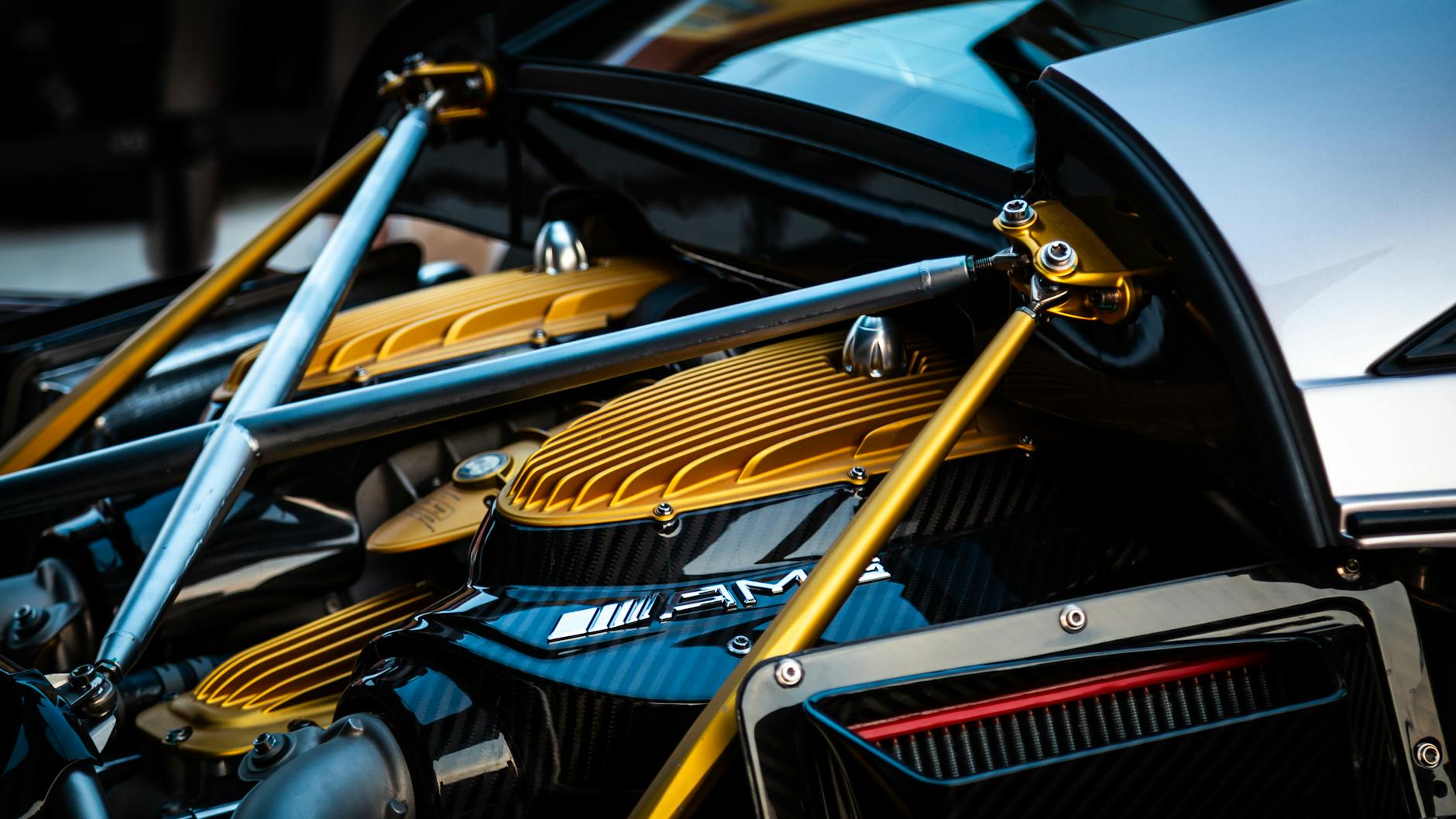
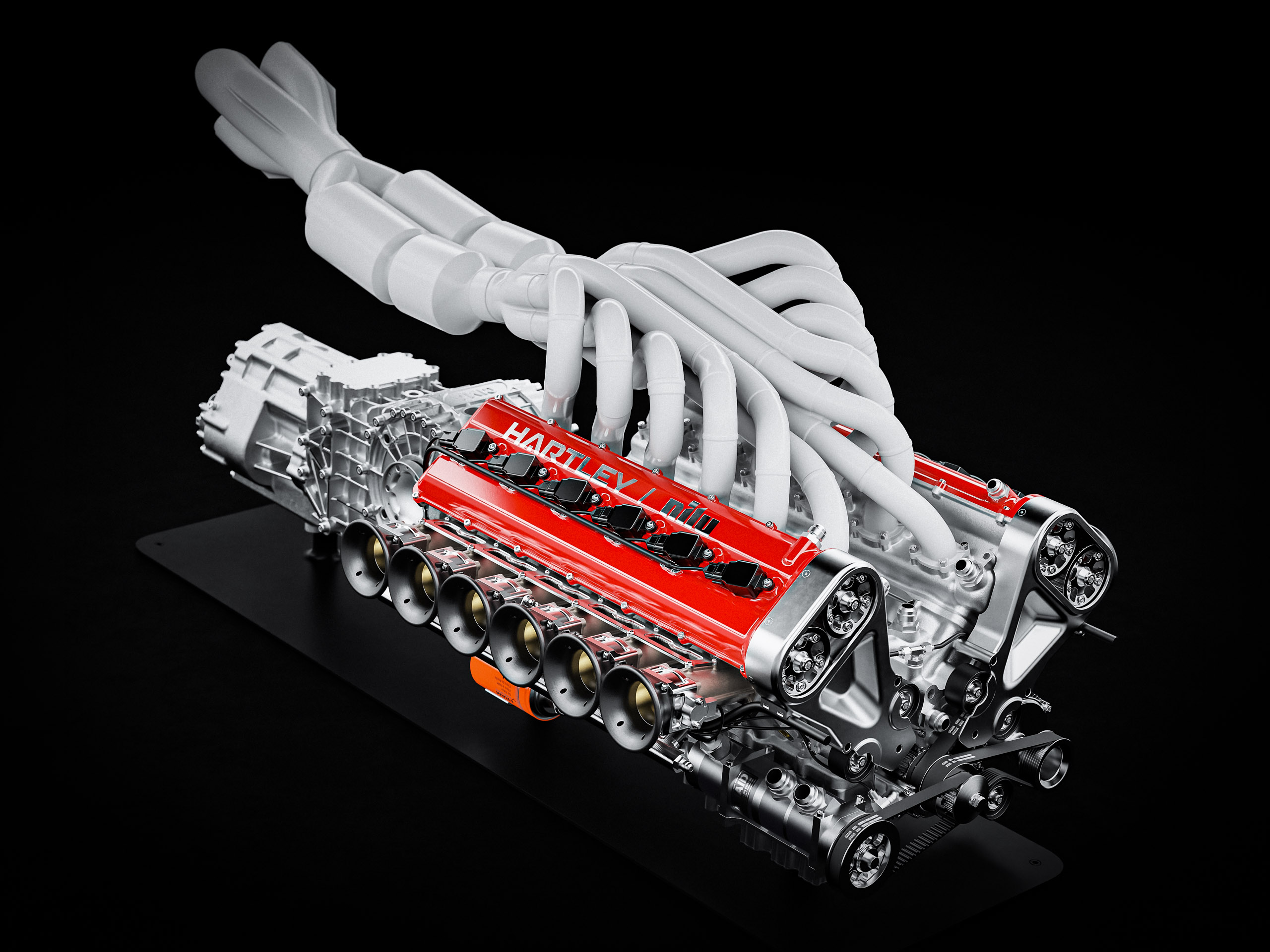
The Valhalla is a technological marvel, boasting a 1,064 horsepower plug-in hybrid powertrain that combines a twin-turbocharged 4.0-liter flat-plane crank V8 (sourced from AMG but heavily modified) with three electric motors. This setup delivers a staggering 811 pound-feet of torque, enabling a claimed 0-62 mph sprint in 2.5 seconds and a top speed of 217 mph. Reviewers have lauded its ability to harness this immense power, describing it as "remarkably engaging" and "surprisingly docile" on public roads, a rare feat for a hypercar of this caliber.
Beyond raw numbers, the Valhalla integrates Formula 1-derived technologies, including active aerodynamics that can generate over 1,300 pounds (600kg) of downforce and an advanced front-axle torque vectoring system. This F1 connection, bolstered by Aston Martin's own racing team, is critical for brand perception, signaling cutting-edge engineering and performance credentials. The car's carbon fiber monocoque and lightweight aluminum subframes contribute to a dry weight of around 3,648 pounds (1,655 kg), further enhancing its agility and handling prowess.
Ultimately, the Valhalla is designed to be a halo car, elevating the entire Aston Martin brand. Its existence is intended to lift the perceived value of every other model in the lineup, making them feel more exclusive by association. This strategy aims to attract a new generation of ultra-high-net-worth individuals, with Aston Martin reporting that 70% of Valhalla buyers are first-time customers, seeking not just a car, but a statement of arrival and entry into a rarefied club.
What Makes the Valhalla So Unique in the Hypercar Market?
The Valhalla carves out a distinctive niche in the crowded hypercar landscape by offering a compelling blend of extreme performance and unexpected usability, a characteristic often missing in its rivals. While competitors like the Ferrari F80, Lamborghini Revuelto, and McLaren W1 push boundaries with raw power, the Valhalla distinguishes itself by making its 1,064 horsepower accessible and enjoyable, both on the track and on everyday roads. This duality is a key differentiator, appealing to buyers who demand ultimate performance without sacrificing civility.
Reviewers consistently highlight the Valhalla's "surprisingly docile" nature on the road, a stark contrast to the often "ornery" or "unapproachable" character of other hypercars. Its plug-in hybrid system offers a short 6-9 mile all-electric range, perfect for navigating urban low-emission zones or quiet neighborhood departures. This practical touch, combined with a comfortable seating position and a front-axle lift system for speed bumps, makes the Valhalla genuinely livable, even if its $1,051,700 price tag means few will use it for mundane errands.
The engineering behind this balance is sophisticated. The Valhalla's advanced hybrid system, while utilizing an AMG-sourced 6.1 kWh battery, features three Aston Martin-developed electric motors and an 8-speed dual-clutch transmission designed in-house. This bespoke integration ensures seamless power delivery, with electric motors filling torque gaps during gear changes and before turbos spool. The front-axle torque vectoring, in particular, has been praised for making the car feel "smaller and more obedient" than its performance numbers suggest, actively aiding cornering and stability.
This focus on a "driver-friendly" hypercar experience, rather than just outright lap times, positions the Valhalla as a "momentum car" that rewards finesse as much as brute force. It’s a departure from the "thunderous, 12-cylinder, 11,000-RPM crescendo" of its predecessor, the Valkyrie, offering a different kind of engagement. By prioritizing a communicative chassis and a fluid driving feel, the Valhalla aims to deliver a more holistic and less intimidating experience, broadening its appeal within the ultra-luxury segment.
How Does the Valhalla Impact Aston Martin's Financial Outlook?
The Valhalla is more than a technical showcase; it's a cornerstone of Aston Martin's financial recovery and growth strategy. With a price tag starting at $1,051,700 and a limited production run of 999 units, the program is projected to generate well over $1 billion in revenue, especially when factoring in high-priced options and bespoke customizations. This substantial cash inflow is critical for a company that has faced significant financial challenges and has spent years raising capital to stay afloat.
Aston Martin CEO Adrian Hallmark explicitly stated that the Valhalla provides "huge economic leverage" from a pure cash-flow perspective, calling it the "keystone" for rounding out the company's product portfolio. The timing of deliveries is also crucial, with over 100 units already out the door in early 2026, directly impacting upcoming earnings reports. This revenue stream supports ongoing product development, including future electrified derivatives and flagship updates targeted for 2025-2026, and the company's first Battery Electric Vehicle (BEV) sports car planned for 2026+.
The Valhalla also plays a vital role in Aston Martin's strategy to increase its average selling price (ASP) and expand gross margins. By focusing on high-margin limited editions and extensive "Q bespoke" personalization options, the company aims to drive per-unit profitability rather than volume. The brand targets attachment rates of over 60% for these bespoke options, which significantly boost margins and justify the premium pricing. This shift from volume chasing to cultivating ultra-luxury scarcity has been a deliberate pivot since 2020, with ASPs already lifted above £200,000.
Furthermore, the Valhalla's success in the primary market is expected to positively influence the collector and secondary markets. Higher resale values for special Aston Martin models incentivize clients to purchase new cars, reinforcing the brand's premium status and investment potential. This "halo effect" not only attracts new buyers but also strengthens loyalty among existing clientele, ensuring sustained demand for future high-end offerings and contributing to a more stable financial future for Aston Martin.
What are the Key Risks and Opportunities for Investors?
Investing in Aston Martin (AML.L) at this juncture involves weighing significant opportunities against inherent risks, particularly concerning the Valhalla's long-term impact. The primary opportunity lies in the Valhalla's potential to solidify Aston Martin's ultra-luxury positioning and drive sustained profitability. If the car successfully establishes the brand as a credible rival to Ferrari and Lamborghini in the hypercar segment, it could lead to increased demand across the entire product line, higher average selling prices, and improved margins from bespoke personalization.
The Valhalla's ability to attract 70% first-time Aston Martin buyers is a massive opportunity for brand expansion and customer acquisition. These new, affluent clients could become repeat buyers for future Aston Martin models, including upcoming electrified vehicles. Moreover, the successful execution of the Valhalla program validates Aston Martin's engineering capabilities and its strategic pivot towards high-margin, limited-edition vehicles, potentially de-risking future product launches and attracting further investment.
However, significant risks loom. The ultra-luxury market is notoriously fickle, and there's a risk of buyer fatigue or a shift in consumer sentiment, especially if global economic uncertainty grows. A slowdown in the high-end segment could undermine the Valhalla's "halo effect" and threaten Aston Martin's premium pricing power, potentially forcing a return to discounting and volume chasing, which would erode carefully built brand equity. Execution risk on product ramps and managing the complex supply chain for such a high-tech vehicle also remain concerns.
Another critical risk is competitive intensity. While the Valhalla is highly praised, it faces formidable rivals. If competitors introduce more compelling or innovative hypercars, or if the market perceives the Valhalla as merely "following the formula" despite its unique execution, its long-term desirability could wane. Investors must also consider the timing of Aston Martin's broader electrification strategy. While the Valhalla is a plug-in hybrid, the company's full BEV sports car is targeted for 2026+, and any delays or missteps in this transition could leave it vulnerable in an evolving market.
How Does Aston Martin Plan to Sustain This Ultra-Luxury Momentum?
Aston Martin's strategy to sustain the ultra-luxury momentum generated by the Valhalla extends far beyond the car itself, focusing on a holistic approach that leverages brand experience, personalization, and strategic partnerships. The company has consciously pivoted from chasing volume to cultivating scarcity since 2020, a fundamental shift underpinning its future growth. This means prioritizing high-margin limited editions and bespoke "Q by Aston Martin" personalization options, which are crucial for driving per-unit gross margin expansion and enhancing customer lifetime value.
The brand's experiential sales model is key to this strategy. Rather than traditional dealer-led transactions, Aston Martin offers a personalized, high-touch process, including direct-to-consumer configurators and curated allocation systems. This approach is designed to manage buyer psychology, creating artificial scarcity and a sense of achievement for owners. The goal is to achieve attachment rates of over 60% for bespoke options, transforming each vehicle into a unique, personalized artifact that deepens emotional connection and justifies premium pricing.
Strategic partnerships, particularly with its Formula 1 team and technology providers like AMG (for core engine components), are vital for maintaining a cutting-edge image and driving demand. The "track-to-road" technology transfer from F1 operations enhances the brand's performance credentials and provides high-ROI marketing activations. This continuous association with elite motorsport reinforces Aston Martin's commitment to innovation and performance, essential for attracting and retaining ultra-luxury buyers.
Looking ahead, Aston Martin's product pipeline includes a "front-engine renewal" completed by 2025, followed by electrified derivatives and flagship updates in 2025-2026. The company's first full Battery Electric Vehicle (BEV) sports car is targeted for 2026+, with timing adjusted to align with technology readiness and market demand. This phased electrification, combined with continued limited-run specials and continuation cars, aims to capture scarcity premiums and ensure the brand remains relevant and desirable in a rapidly evolving automotive landscape.
Aston Martin's Valhalla is a bold statement, a high-stakes gamble that appears to be paying off. Its success in redefining the brand's image and financial trajectory is undeniable, but the long-term challenge lies in maintaining this delicate balance of exclusivity, innovation, and market appeal. For investors, the Valhalla's performance offers a glimpse into a potentially brighter future, contingent on the company's ability to execute its ambitious ultra-luxury strategy consistently.
Want deeper research on any stock? Try Kavout Pro for AI-powered analysis, smart signals, and more. Already a member? Add credits to run more research.
Related Articles
Category
You may also like

Is Uber's Mega Deal With Rivian a Game-Changer in the Robotaxi Space?

Stellantis Earnings Preview: Deep Value Or Deep Trouble?

Can Jabil's Advanced Automotive Solutions Drive Future Profits?
Breaking News
View All →Featured Articles
Top Headlines

Prediction: These 5 Stocks Will Be the Best Performers of 2026

Top 25 High-Yield Dividend Stocks For April 2026

High-Yield And Tax-Advantaged Income Funds From NEOS (April Update)

TSMC vs. Nvidia: Which AI Supercycle Growth Stock Is the Better Long-Term Buy?