MarketLens
Is BMW's New i3 a True Tesla Model 3 Killer

Key Takeaways
- BMW's new 2027 i3, built on the Neue Klasse platform, is poised to directly challenge the Tesla Model 3 with superior range, faster charging, and a luxurious, tech-forward interior.
- The i3's rumored 560-mile WLTP range and 400 kW fast charging could set new benchmarks, potentially eroding Tesla's long-held advantages in core EV metrics.
- While Tesla maintains a strong brand and Supercharger network, the i3's NACS compatibility and premium features signal a significant threat to its market dominance, particularly in the luxury EV segment.
Is BMW's New i3 a True Tesla Model 3 Killer?
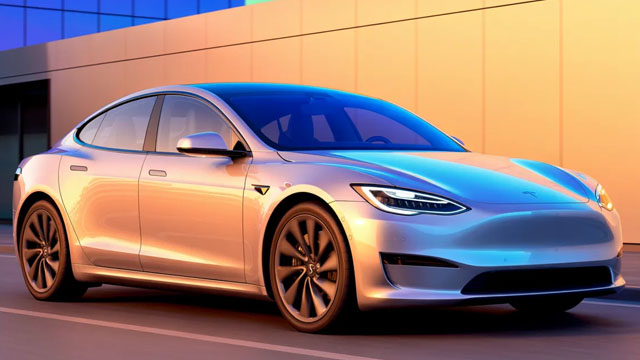
The electric vehicle landscape is rapidly evolving, and the competition is heating up like never before. For years, Tesla, Inc. ($TSLA) has largely defined the mass-market EV segment, particularly with its popular Model 3. However, legacy automakers are no longer playing catch-up; they're coming for Tesla's crown, and BMW's upcoming 2027 i3 sedan is perhaps the most formidable challenger yet. This isn't the quirky i3 hatchback of old; this is a full-fledged electric 3 Series designed from the ground up to dominate.
Tesla currently trades at $397.79, commanding a staggering market capitalization of $1.49 trillion, a testament to its pioneering role and brand strength. Yet, its stock has seen volatility, with a 52-week range spanning from $214.25 to $498.83. The entry of a highly competitive luxury EV from a brand like BMW could introduce new pressures on Tesla's pricing power and market share, especially as the broader EV market matures and consumer choices expand. Investors need to understand the implications of this intensifying rivalry.
The new BMW i3, set to begin production in July 2026 for an early 2027 launch, boasts impressive specifications that directly target the Model 3's strengths. With a rumored 440-mile EPA range (or up to 560 miles WLTP) and the ability to accept up to 400 kilowatts of power from DC fast chargers, it's clear BMW isn't just entering the race; it's aiming to lead it. This head-to-head battle will redefine expectations for electric sedans and could significantly impact both companies' trajectories.
How Does the i3's Performance Stack Up Against the Model 3?
The BMW i3 is poised to redefine performance benchmarks in the electric sedan segment, directly challenging the Tesla Model 3's long-held advantages. The launch version, the i3 50 xDrive, is estimated to deliver a remarkable 440-mile range, with some reports suggesting a WLTP range of up to 560 miles on a full charge. This figure significantly surpasses the 2025 Tesla Model 3 Long Range's official EPA estimate of 358 miles, placing BMW in a leading position for range anxiety relief.
Underpinning this impressive range is BMW's sixth-generation battery technology, featuring new cylindrical cells that offer 20% more energy density than previous generations. This technological leap not only extends driving range but also reduces weight and cooling requirements, contributing to overall efficiency. While Tesla utilizes a mix of LFP and NCA/NMC battery chemistries, BMW's Gen6 packs could reset the benchmark for luxury EVs in terms of battery performance and efficiency.
Beyond range, the i3 is also targeting performance enthusiasts. The rumored i3 M60 xDrive variant is expected to deliver up to 630 horsepower, significantly outmatching the Model 3 Performance's 510 horsepower. This power advantage, combined with ultra-fast charging capabilities of 300-400 kW, allows the i3 to add up to 217 miles (350 km) WLTP of range in just 10 minutes for the top spec. This is a notable improvement over the Tesla Model 3, which maxes out at 250 kW and adds around 175 miles in 15 minutes.
What Charging Advantages Does BMW Bring to the Table?
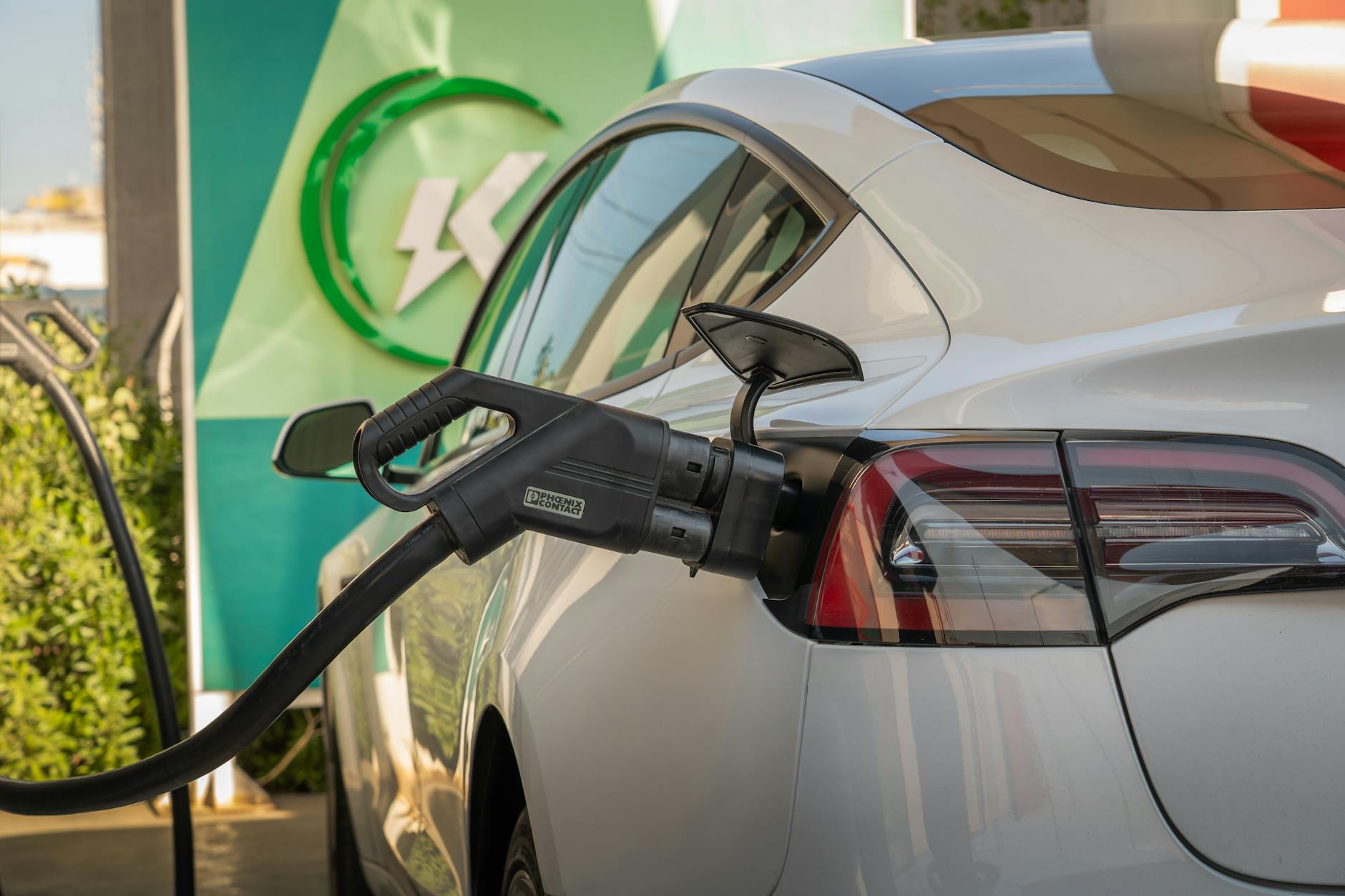
BMW is making a strategic move in the charging arena that could significantly level the playing field against Tesla. The new i3 lineup will support DC fast charging speeds ranging from 300 to 400 kW, a substantial upgrade over the Tesla Model 3's maximum of 250 kW on its Supercharger network. This means the i3 can replenish its battery much faster, potentially adding up to 217 miles (350 km) WLTP of range in as little as 10 minutes for the top-tier models. For comparison, Tesla typically adds around 175 miles in 15 minutes under optimal conditions.
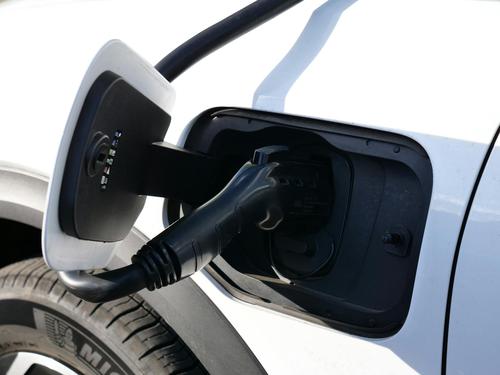
This charging speed advantage is critical for long-distance travel and daily convenience, directly addressing one of the primary concerns for EV adoption. But BMW's most impactful decision for the North American market is the adoption of the NACS (North American Charging Standard) port for its Neue Klasse models, including the i3. This move ensures full compatibility with Tesla's extensive Supercharger network, effectively neutralizing one of Tesla's most significant competitive moats – its proprietary charging infrastructure.
By embracing NACS, BMW eliminates the need for adapters and gives i3 owners seamless access to a vast and reliable charging ecosystem. This strategic alignment not only enhances the user experience for BMW customers but also puts pressure on other automakers to follow suit, further standardizing EV charging. The combination of faster charging speeds and universal network access positions the i3 as a highly practical and convenient option, directly challenging Tesla's historical dominance in charging infrastructure.
How Will the i3's Interior & Technology Impact the Luxury EV Market?
The interior and technological offerings of the new BMW i3 are designed to set a new standard in the luxury EV segment, reflecting a broader industry shift where cabin experience is becoming as crucial as performance. BMW's Neue Klasse platform introduces a clean, minimalist layout centered around a massive 17.9-inch central touchscreen and an innovative Panoramic Vision display that projects information across the entire width of the windshield. This approach contrasts with Tesla's singular 15.4-inch display and offers a more immersive and driver-focused digital environment.
This emphasis on interior design and digital integration aligns with recent trends, where metrics like screen size and ambient lighting are increasingly influencing purchase decisions. The i3's cabin will feature BMW's iDrive X software system, promising a highly intuitive and customizable user experience, complete with over-the-air (OTA) updates, similar to Tesla's OS. The inclusion of a small front trunk, or "frunk," also addresses a common customer request, expanding cargo capacity and matching a feature pioneered by Tesla.
The i3's interior is not just about screens; it's about creating a holistic, luxurious environment. While full interior specifications are still under wraps, the focus on premium materials, advanced connectivity, and sophisticated driver assistance systems is clear. This commitment to a superior in-cabin experience positions the i3 as a strong contender for luxury buyers who value comfort, aesthetics, and cutting-edge technology as much as, if not more than, raw horsepower. This could draw a significant segment of the market away from Tesla, which has often been criticized for its more spartan interior design.
What Are the Broader Implications for Tesla and the EV Landscape?
The arrival of the 2027 BMW i3 marks a pivotal moment for the electric vehicle industry, signaling a new era of intense competition that could significantly reshape the market. For Tesla, this means facing a direct, well-resourced challenge from a legacy luxury automaker that is finally bringing its full engineering prowess to bear on EVs. The i3's competitive advantages in range, charging speed, and luxury interior design could put considerable pressure on Tesla's Model 3 sales and, by extension, its profitability and market share.
Tesla's stock, currently trading at $397.79, has benefited from its first-mover advantage and strong brand loyalty. However, as more compelling alternatives emerge, this advantage may erode. The Model 3's starting MSRP of $38,380 (for the 2025 model year) offers a strong value proposition, but if BMW can price the i3 competitively while offering superior features, it could force Tesla to adjust its pricing strategy, impacting margins. The market's perception of Tesla as the undisputed leader in EV technology is also at stake.
This heightened competition is ultimately beneficial for consumers, driving innovation and offering a wider array of high-quality electric vehicles. For investors, it means a more complex landscape where differentiation and execution will be key. Tesla's ability to innovate further, perhaps with its next-generation platform or advanced autonomous driving features, will be crucial in maintaining its edge. The i3's launch underscores that the EV market is maturing, moving beyond early adoption into a phase where traditional automotive strengths like luxury, build quality, and dealer networks will play a more significant role.
Is Now the Time to Re-evaluate Tesla's Position?
The impending launch of the BMW i3 forces a critical re-evaluation of Tesla's long-term competitive moat. While Tesla has undeniably led the EV revolution, the gap in core performance metrics is rapidly closing, and in some areas, like charging speed and rumored range, the i3 appears to be pulling ahead. This isn't just about one model; it's about BMW's broader commitment to its Neue Klasse platform and sixth-generation battery technology, signaling a sustained threat.
Investors should consider how Tesla will respond to this escalating competition. Will it accelerate its own innovation cycle, introduce more aggressive pricing, or lean heavily on its software and Supercharger network advantages? The adoption of NACS by BMW significantly diminishes Tesla's charging network exclusivity, a key differentiator it once held. The market will be watching closely to see if Tesla can maintain its growth trajectory and premium valuation in an increasingly crowded and competitive landscape.
The i3's entry suggests that the "Tesla premium" might face downward pressure as luxury and performance become more democratized across the EV sector. While Tesla's brand remains powerful, the narrative of unchallenged technological superiority is becoming harder to sustain. This dynamic shift necessitates a nuanced perspective on Tesla's future, recognizing that its path to continued dominance will be far more challenging than in years past.
The electric vehicle market is entering its most competitive phase yet, and BMW's new i3 is a clear declaration of intent. Tesla's investors should brace for intensified rivalry, as legacy automakers are now bringing compelling, technologically advanced EVs to market. The coming years will reveal whether Tesla can maintain its lead or if the traditional automotive giants will reclaim their dominance in the electric era.
Want deeper research on any stock? Try Kavout Pro for AI-powered analysis, smart signals, and more. Already a member? Add credits to run more research.
Related Articles
Category
You may also like


Is AI Killing Bitcoin Mining? Here's The Truth

The Tesla Killer

Tesla Under Scrutiny Due to Model 3 Door Release Concerns
Breaking News
View All →Featured Articles
Top Headlines

NVIDIA CEO Jensen Huang Says AGI Is Here. If He's Right, These Stocks Win Big

Iran Has Threatened America's Tech Giants. Time to Sell?

These 3 Stocks Just Rewarded Investors With Big Dividend Bumps

Valuation to the Moon? SpaceX Gears Up for IPO Liftoff With a Confidential Filing