MarketLens

Log in

Is Boeing's KC-46 Tanker Finally Turning a Corner

6 hours ago
SHARE THIS ON:

Is Boeing's KC-46 Tanker Finally Turning a Corner

Key Takeaways

  • The U.S. Air Force (USAF) has expressed renewed confidence in Boeing's KC-46 Pegasus tanker program, specifically regarding the long-delayed Remote Vision System (RVS) 2.0 fix, following initial flight testing completion on June 3, 2026.
  • Despite the RVS 2.0 fielding now slipping to early 2028, the USAF and Boeing have agreed on a comprehensive recovery plan that integrates retrofits into existing maintenance schedules, significantly compressing the upgrade timeline for the current fleet.
  • This newfound confidence, coupled with a pending $2.47 billion contract for 15 additional KC-46s and plans for a larger 75-aircraft tranche, signals a potential turning point for Boeing's defense segment and its heavily scrutinized fixed-price tanker program.

Is Boeing's KC-46 Tanker Finally Turning a Corner?

Boeing (BA) has been grappling with the KC-46 Pegasus aerial refueling tanker program for over a decade, accumulating more than $7 billion in losses on the fixed-price contract. However, recent developments suggest a potential inflection point for this beleaguered defense project. On June 9, 2026, Air Force Secretary Troy Meink publicly stated the USAF's confidence in the proposed fix for the tanker's critical Remote Vision System (RVS) 2.0, a pivotal component for safe mid-air refueling. This announcement comes just days after Boeing confirmed on June 3, 2026, that it had completed the first phase of flight testing for the redesigned RVS 2.0, validating its optical performance and hardware maturity.

The RVS 2.0 system is designed to replace the original RVS 1.0, which was plagued by issues such as image washout, 3D distortions, and even caused physiological symptoms like eye-strain and headaches for boom operators. These deficiencies led to two Category 1 design failures in 2016, the most severe classification, and severely limited the aircraft's operational capabilities. The new RVS 2.0 promises a full-color, high-resolution, immersive 3D display, aiming to optimize operator performance and enhance viewing comfort during long missions. This upgrade is crucial for the KC-46 to achieve its full mission set, particularly for delicate refueling operations with aircraft like the A-10 and F-15E carrying heavy stores.

While the RVS 2.0's initial fielding target has slipped again, now projected for early 2028 – more than three years later than the original mid-2024 goal – the USAF and Boeing unveiled a joint recovery plan on May 13, 2026. This plan is designed to accelerate the integration of RVS 2.0 into the existing fleet. Instead of individual visits for each Pegasus, the retrofit will be incorporated into routine depot maintenance schedules, compressing the retrofit window from 13 years to 7 years. This strategic integration aims to significantly reduce the time it takes for the approximately 90 delivered KC-46s to receive the crucial upgrade, improving fleet readiness and unlocking the aircraft's full potential.

What Does the RVS 2.0 Delay Mean for Boeing's Defense Backlog?

The repeated delays of the RVS 2.0, now pushed to early 2028, have significant implications for Boeing's defense segment, particularly concerning future contract awards. Lt. Gen. James C. Slife, USAF Vice Chief of Staff, stated in 2025 Congressional testimony, "No new KC-46 order goes forward until the deficiencies are fixed. We will not buy more of an aircraft we cannot use to its full mission set." This firm stance has forced Boeing to keep production lines warm at its own expense since 2024, betting on the eventual resolution of these issues to unlock further large block buys.

The May 13, 2026, joint recovery plan and the USAF's subsequent expression of confidence on June 9, 2026, are the first concrete signs that Boeing's bet might be paying off. Air & Space Forces Magazine reported that a $2.47 billion contract for 15 additional KC-46s (Production Lot 12) is currently moving through congressional review, contingent on the recovery plan's successful execution. This contract would increase the total number of KC-46s on order or in service globally to 183, including those for Japan and Israel. Furthermore, the USAF approved a new acquisition strategy in March 2026 for a second tranche of 75 additional KC-46s, for a total potential fleet of 263 aircraft, with this contract expected in "subsequent years" after the fixes are delivered.

Despite the positive momentum, the extended timeline for RVS 2.0 fielding means that the KC-46 will have been in operational service for seven years under "interim" restrictions by the time the new vision system is fully implemented. Boeing originally promised these restrictions would last only 18 months. This protracted struggle has not only cost Boeing substantial financial losses, including a $565 million loss tied to the KC-46 in its fourth-quarter 2025 earnings release, but has also impacted its reputation. While the KC-46 is actively supporting frontline operations and senior officials like Air Force Secretary Troy Meink have expressed support, the program's history of deficiencies, including structural cracks and boom stiffness issues, has been a persistent overhang.

How Will the Recovery Plan Impact KC-46 Fleet Readiness?

The KC-46 Pegasus fleet, despite being relatively new, has struggled with readiness. In 2024, the last year the Air Force publicly released aircraft readiness rates, the Pegasus had a mission capable rate of just 62%. This figure underscores the urgency of the recently announced recovery plan. William Bailey, acting assistant secretary of the Air Force for acquisition, technology, and logistics, acknowledged the "fleet readiness challenges" during a May 13, 2026, congressional hearing. The new readiness improvement initiative between the Air Force and Boeing is specifically designed to address these shortcomings, promising a near-term availability boost of approximately 6% and a long-term aircraft availability increase of over 20% by 2030.

A key component of this readiness boost is the accelerated RVS 2.0 retrofit schedule. By integrating the upgrade into existing depot maintenance cycles, the Air Force aims to equip its approximately 90 delivered KC-46s with the new system more efficiently. Air Force personnel at the Oklahoma City Air Logistics Complex will be responsible for the installation of RVS 2.0, with Boeing providing engineering, hardware kits, and training. This collaborative approach is intended to streamline the process and ensure a faster rollout of the critical vision system, which is essential for the KC-46 to perform its full range of refueling missions safely and effectively, particularly in challenging combat-like conditions.

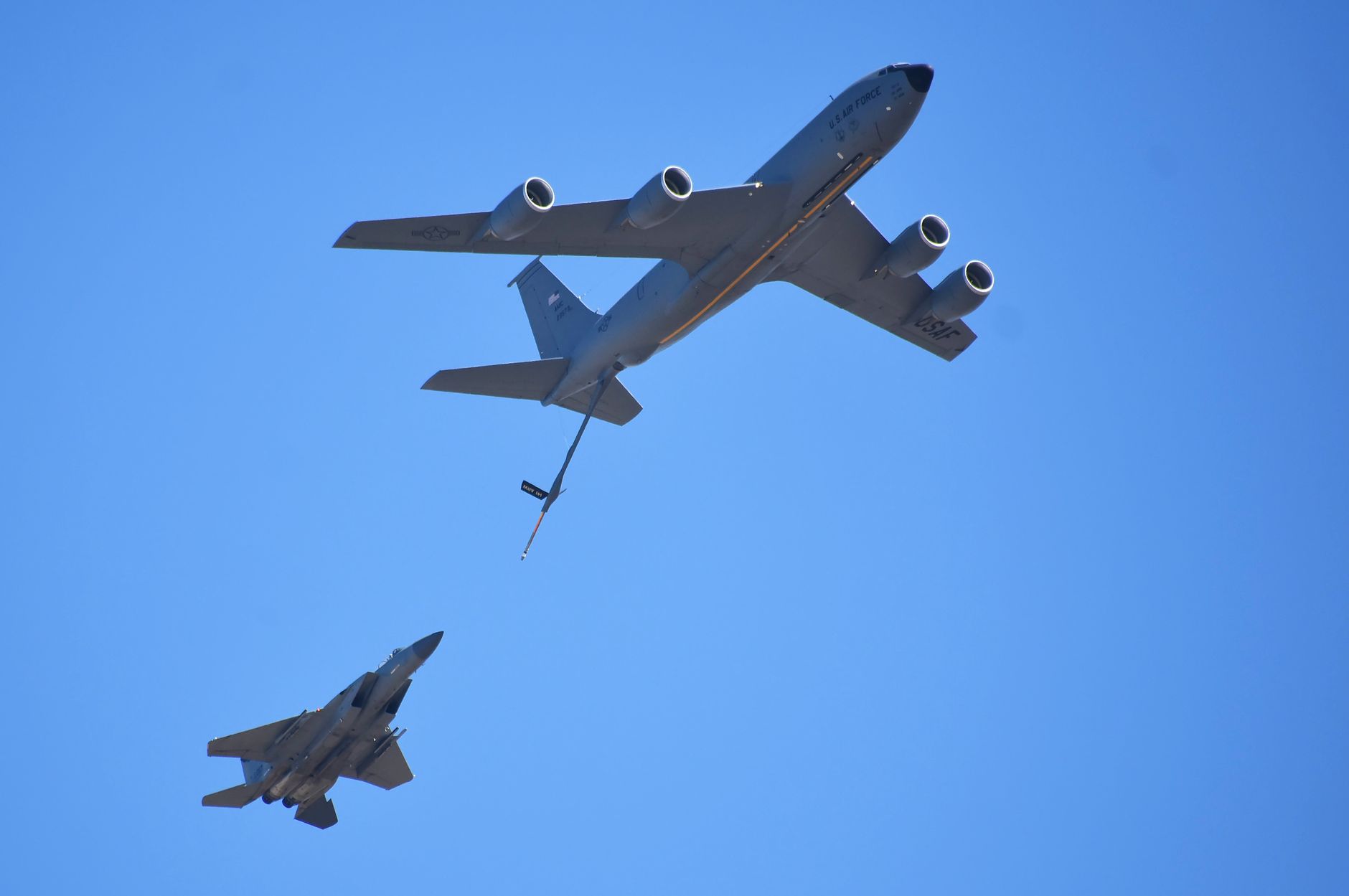
Beyond the RVS 2.0, the recovery plan also includes a five-year "performance-based logistics agreement." This arrangement shifts more sustainment liability to Boeing for the fleet's readiness, aiming to reduce disputes over costs and ensure better support for the aerial-refueling subsystem and other key components. This is a crucial step, as the KC-46 has faced other issues, including a redesigned boom telescoping actuator to address stiffness problems that prevented refueling certain aircraft like the A-10 Thunderbolt II. The overall goal is to transform the KC-46 from a troubled program into the indispensable capability the Air Force needs to replace its aging KC-135 Stratotanker fleet, which averages 64 years old and currently performs the heavy lifting of American long-range air power.

What Are the Financial Implications for Boeing?

Boeing's KC-46 program has been a significant financial drain, with the company accumulating over $7 billion in losses since the contract award. This includes a $565 million loss disclosed in its fourth-quarter 2025 earnings release. The fixed-price nature of the contract means Boeing bears the brunt of cost overruns and delays, making the successful implementation of the RVS 2.0 fix and the subsequent unlocking of new orders critical for the program's financial viability. The recent USAF confidence and the pending $2.47 billion contract for 15 additional KC-46s represent a much-needed revenue injection and a potential path to mitigating further losses.

However, the financial landscape for the KC-46 is not without its challenges. Budget documents show a projected increase in future unit prices, rising from around $235 million in fiscal year 2027 to roughly $334 million for aircraft bought in fiscal year 2028. While some of this increase might be attributed to planned communications and survivability upgrades, Congress is closely scrutinizing both the aircraft's technical maturity and its price trajectory. This rising unit cost, combined with the program's history of losses, means that even as the Air Force needs more modern tankers, Boeing must demonstrate consistent performance and cost control to secure long-term, profitable contracts.

The long-term financial outlook for Boeing's defense segment hinges on its ability to deliver on the KC-46 recovery plan and secure the full planned fleet of 263 aircraft. The Air Force's commitment to purchasing another 75 KC-46s, in addition to the current program of record for 188, signals a strong demand for the tanker. This expansion is crucial for replacing the legacy KC-135s and bridging the gap to the Next Generation Air-refueling System (NGAS). If Boeing can successfully execute the RVS 2.0 rollout and improve fleet readiness, it could solidify its position as a key defense contractor, potentially offsetting some of the commercial aviation challenges it has faced. The market capitalization of $169.10 billion and a stock price of $214.51 on June 9, 2026, reflect a company navigating a complex recovery phase, where defense contract stability is increasingly important.

What's Next for Boeing and the KC-46 Program?

The immediate focus for Boeing and the USAF will be the continued flight testing and certification of the RVS 2.0 system. While the initial "non-contact" testing, completed on June 3, 2026, validated the system's optical performance, further lab and flight tests, including actual refueling connections, are required before full certification and fielding in early 2028. Boeing has stated that "remaining work will include additional lab and flight test and other formal certification activities, performed in collaboration with the Air Force." The successful completion of these phases is paramount, as the USAF has made it clear that new contracts are contingent on the resolution of outstanding deficiencies.

Beyond RVS 2.0, Boeing must also continue to address other lingering issues with the KC-46. While the boom telescoping actuator has been redesigned, and a five-year performance-based logistics agreement is in place to support the aerial-refueling subsystem, the program's history of "nozzle binding" mishaps and other maladies continues to vex the fleet. These issues have reportedly cost the USAF tens of millions in damage, including $23 million from nozzle binding incidents alone. Boeing's ability to demonstrate consistent reliability and maintainability across all aspects of the KC-46 will be critical for rebuilding trust and securing future orders.

Looking ahead, the successful deployment of RVS 2.0 and the overall improvement in KC-46 readiness will directly influence the Air Force's long-term tanker strategy. By 2028, when RVS 2.0 is expected to field, the KC-46 will be ten years into service, with roughly 140 aircraft in the fleet. This will allow the KC-135 fleet to begin retiring at scale, a critical step for modernizing the USAF's air power projection capabilities. The Air Force's decision to pursue a second tranche of 75 KC-46s, and potentially a total of 263, underscores the aircraft's indispensable role despite its troubled development. Boeing's performance on the KC-46 in the coming years will undoubtedly shape its prospects for the Next Generation Air-refueling System (NGAS) program, the clean-sheet tanker platform intended to be survivable in a modern air combat environment.

The USAF's renewed confidence in the KC-46's RVS 2.0 fix, coupled with the accelerated retrofit plan, marks a pivotal moment for Boeing's defense segment. While significant challenges remain, including the need for continued testing and addressing other deficiencies, the path to unlocking substantial future contracts appears clearer. Investors should watch for concrete progress on RVS 2.0 certification and the finalization of the $2.47 billion contract for 15 additional tankers, as these milestones will signal the program's trajectory toward long-term stability and profitability.


Want deeper research on any stock? Try Kavout Pro for AI-powered analysis, smart signals, and more. Already a member? Add credits to run more research.

SHARE THIS ON:

Related Articles

Category

You may also like

Stock News3 hours ago

US Air Force confident in fix for Boeing KC-46 refueling tanker

The U.S. Air Force is confident a fix has been found for a key system on Boeing's KC-46 tanker, Secretary Troy Meink told a Senate subcommittee Tuesday.
Stock News4 days ago

Boeing Delivers Riyadh Air's First Two 787 Dreamliner Jets

Boeing delivered the first two 787-9 Dreamliner jets to Riyadh Air, marking a key milestone for the startup carrier. This delivery initiates an order for up to 72 aircraft, supporting the airline's up...
Stock News1 week ago

Is Boeing Running Into More Quality-Control Issues? Investigative Error Raises Questions.

The FAA and NTSB are investigating a November UPS Airlines crash, with preliminary findings suggesting Boeing failed to identify critical quality risks. This scrutiny could lead to increased regulator...
Stock News1 months ago

The Best New Military Drones Aren't U.S.-Made. That's a Problem for the Pentagon.

The U.S. military is increasing spending on drone technology to match battle-tested systems emerging from Ukraine. This shift creates a competitive challenge for domestic manufacturers as the Pentagon...

Breaking News

View All →

Top Headlines

View More →
Stock News1 hour ago

World Cup 2026 Stock Winners: Water Breaks To Boost Fox, US Soccer Could Lift Apple

Stock News1 hour ago

FDA approves Lilly's EBGLYSS® (lebrikizumab-lbkz) for one maintenance dose every eight weeks in patients with moderate-to-severe atopic dermatitis

Stock News1 hour ago

The Capex Signal That Will Make or Break IGPT in the Next 12 Months

Stock News1 hour ago

Apple Just Joined the AI Revolution. Investors Could Be in for a Windfall, According to Several Wall Street Analysts.

Stock News2 hours ago

Baptist Health and Amazon One Medical Announce Partnership to Transform Healthcare in South Florida