MarketLens

Log in

Is Constellation Brands Poised to Profit from America's Snack Shift

2 hours ago
SHARE THIS ON:

Is Constellation Brands Poised to Profit from America's Snack Shift

Key Takeaways

  • Constellation Brands (STZ) is strategically positioned to capitalize on evolving consumer preferences, particularly the shift from chocolate to salty snacks, through its robust beverage portfolio and potential for distribution leverage.
  • Despite recent revenue headwinds, STZ's core beer brands like Modelo and Corona demonstrate strong loyalty, while strategic investments in non-alcoholic and premium offerings are paving new avenues for growth.
  • The company's strong cash generation, commitment to shareholder returns, and a reasonable valuation make it an attractive consideration for investors seeking exposure to resilient consumer defensive trends.

Is Constellation Brands Poised to Profit from America's Snack Shift?

The American consumer palate is undergoing a subtle yet significant transformation. Recent data suggests a notable shift away from traditional chocolate consumption towards a growing appetite for salty snacks. This isn't just a fleeting trend; it reflects deeper changes in lifestyle, health consciousness, and the desire for diverse flavor experiences. For investors, this evolving landscape begs the question: which companies are best positioned to ride this wave, and could Constellation Brands (NYSE: STZ), a beverage alcohol powerhouse, be an unexpected beneficiary?

Constellation Brands, primarily known for its iconic beer brands like Corona and Modelo, alongside a diverse portfolio of wine and spirits, operates squarely within the consumer defensive sector. While not a direct player in the salty snack market, the company's extensive distribution network, brand-building expertise, and strategic ventures into adjacent categories could offer a compelling pathway to leverage this emerging trend. The blurring lines between traditional meal times and snacking occasions, coupled with a demand for innovative flavor profiles, creates an intriguing opportunity for a company with STZ's market reach.

Consider the broader implications: if consumers are increasingly reaching for savory options, this could influence purchasing decisions across the entire grocery basket. While Hershey (HSY) might feel the pinch, companies with a strong presence in convenience stores and supermarkets, particularly those with a knack for understanding evolving consumer habits, stand to gain. Constellation's established relationships with retailers and its proven ability to adapt its product offerings to meet demand could be its secret weapon in this evolving snack-centric world.

This article will delve into Constellation Brands' current standing, its strategic moves, and how the shifting snack landscape could indirectly, or even directly, influence its future growth trajectory. We'll explore its financial health, market position, and the potential avenues for expansion or synergy that could emerge from this significant consumer trend.

How is Constellation Brands Adapting to Evolving Consumer Tastes in Beverages?

Constellation Brands is actively navigating a dynamic beverage market, characterized by moderation, a surge in non-alcoholic options, and a persistent demand for premiumization. The company's core beer division, anchored by Mexican imports like Corona Extra and Modelo Especial, remains a formidable force, yet management is keenly aware of the need to diversify and innovate. This strategic agility is crucial as younger generations, particularly Gen Z and Millennials, re-evaluate their relationship with alcohol, seeking connections without the "hangxiety" and prioritizing mental and physical health.

The company's recent acquisition of Hopwtr, a nonalcoholic sparkling water flavored with hops, exemplifies this forward-thinking approach. Having been part of Constellation's venture portfolio since 2021, the full ownership of Hopwtr, finalized in March 2026, expands STZ's reach into the burgeoning non-alcoholic sector. Hopwtr differentiates itself with adaptogens and nootropics, directly addressing consumers' demand for functional benefits in their beverages—a trend mirroring the "better-for-you" movement seen in salty snacks. This move complements Constellation's existing non-alcoholic offerings of its signature beer brands, such as Modelo and Corona.

Beyond non-alcoholic, Constellation is refining its spirits portfolio, as evidenced by its August 2019 agreement to divest Black Velvet Canadian Whisky for approximately $266 million. This decision aligns with a broader strategy to transform its wine and spirits business, focusing on higher-end, distinctive brands like High West Whiskey and Casa Noble Tequila. This premiumization strategy, combined with an emphasis on functional and non-alcoholic alternatives, demonstrates Constellation's proactive stance in adapting to a consumer base that is increasingly discerning and health-conscious, even within the indulgence categories.

These strategic shifts are not just about new products; they reflect a deeper understanding of evolving consumption patterns. With fewer people drinking and more questioning the health impact of "moderate" consumption, the entire beverage alcohol category is being reshaped. Constellation's efforts to innovate with new flavors, low-to-no alcohol launches, and functional ingredients position it well within this changing landscape, ensuring its relevance to a broader spectrum of consumer preferences.

What Does the Shift to Salty Snacks Mean for Constellation Brands?

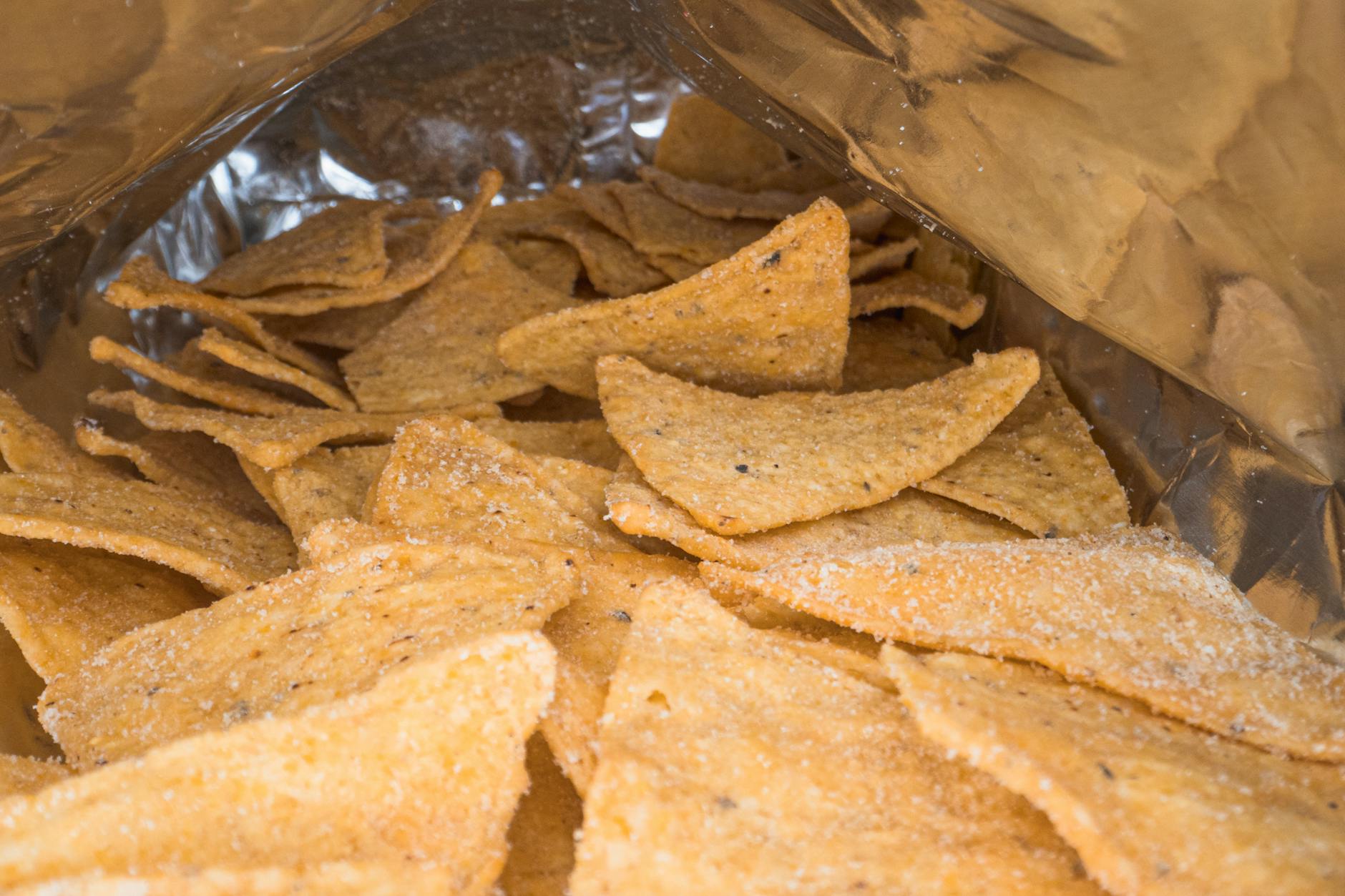
The pronounced consumer shift from chocolate to salty snacks, driven by a desire for layered flavors, convenience, and functional benefits, presents a fascinating indirect opportunity for Constellation Brands. While STZ is not directly in the salty snack business, its robust distribution channels and brand-building expertise could be leveraged in unexpected ways. This trend isn't just about what people eat, but how they eat—snacking has become a regular part of the day for about three-quarters of US consumers, with over half becoming more mindful of healthy choices.

This evolving snacking landscape aligns with several macro trends Constellation Brands is already addressing in beverages. Consumers are seeking "better-for-you" options, protein-rich snacks, and products that offer functional benefits for body and mind. Consider the success of Quest Nutrition Protein Chips or KIND Protein Max bars, which directly cater to the "Powerhouse Protein" trend. While STZ won't suddenly launch its own line of protein chips, the underlying consumer psychology—seeking health, convenience, and flavor—is highly transferable.

The "sweet meets savory" trend, where 64% of consumers seek layered flavors, is particularly relevant. This is where cross-category mashups and brand partnerships become highly effective. We've seen examples like Pringles and Miller Lite collaborating on beer-infused chip flavors, or Campbell’s and Pabst Blue Ribbon partnering on beer-flavored soups. These collaborations demonstrate how beverage brands can "spill into" savory applications, creating novel and indulgent snack experiences. Constellation Brands, with its iconic beer brands like Corona and Modelo, could explore similar partnerships, extending its brand presence into the snack aisle without direct manufacturing.

Furthermore, STZ's existing distribution network, which efficiently moves beer, wine, and spirits into retail, could be a significant asset. If the company were to pursue strategic alliances or even minority investments in emerging salty snack brands, it could offer unparalleled market access. This approach would allow Constellation to participate in the growth of the salty snack market, diversify its revenue streams, and reinforce its position as a comprehensive consumer defensive player, all while staying true to its beverage roots.

What are the Financial Health and Growth Prospects for STZ?

Constellation Brands demonstrates a mixed but generally solid financial picture, reflecting both its resilience in core markets and the challenges of a shifting consumer landscape. The company's market capitalization stands at $28.93 billion, with shares trading at $166.15 as of April 10, 2026. This represents a 1.89% increase from its previous close, indicating some positive sentiment after recent fiscal 2026 full-year and Q4 updates.

Looking at the trailing twelve months (TTM), Constellation Brands boasts healthy margins: a 51.7% gross margin, 31.3% operating margin, and an 18.5% net margin. These figures underscore the company's operational efficiency and strong pricing power, particularly within its premium beer segment. Its return metrics are also robust, with ROE at 22.1%, ROA at 7.7%, and ROIC at 10.5%, suggesting effective capital deployment.

However, recent growth figures present a more nuanced story. While net income and EPS saw extraordinary year-over-year growth for FY2026 at 2172.1% and 2235.6% respectively (likely due to a low base or one-off items in the prior year), revenue declined by 10.5%. Operating cash flow also decreased by 15.3%, and free cash flow by 7.4%. This revenue contraction was highlighted in Q3 CY2025 results, where sales fell by 15% year-on-year to $2.48 billion, attributed by management to widespread financial anxiety among consumers. Despite these volume pressures, brand loyalty to core brands like Modelo and Corona actually increased, particularly among Hispanic and younger Gen Z demographics.

Valuation-wise, STZ trades at a P/E of 17.09, P/S of 3.17, and P/FCF of 16.12. An EV/EBITDA of 12.23 suggests a reasonable valuation for a company with its brand strength and cash generation capabilities. The company maintains a healthy dividend yield of 2.5% with a payout ratio of 42.4%, reinforcing its commitment to shareholder returns. Institutional investors like Joel Greenblatt's Gotham Asset Management and Jeremy Grantham's Grantham, Mayo, Van Otterloo & Co. have notably increased their positions, signaling confidence in STZ's durable margins and cash-return strategy.

What Risks and Opportunities Lie Ahead for Constellation Brands?

While Constellation Brands presents a compelling investment case, several risks and opportunities warrant close attention. On the risk side, macroeconomic uncertainty remains a significant headwind. Management has explicitly cited widespread financial anxiety among consumers, both Hispanic and non-Hispanic, as a major drag on beer volumes. This consumer caution, coupled with persistent margin pressure from fixed costs and potential tariffs, could continue to impact profitability. The recent withdrawal of the long-term fiscal 2028 outlook also signals management's cautious stance on future growth, raising uncertainty about how quickly alcohol consumption trends will stabilize.

Furthermore, high debt remains a flagged risk, with a Net Debt/EBITDA ratio of 3.25 and a D/E of 1.31. While the company generates strong cash flow, heavier marketing spend—such as around the upcoming 2026 World Cup—and softer beer demand could put additional pressure on cash flows if volumes do not stabilize. Competition from rivals like Anheuser-Busch InBev and Heineken is fierce, requiring STZ to continuously innovate and execute its brand strategies effectively to defend or grow its premium beer market share.

However, significant opportunities exist. The 2026 World Cup, hosted in North America, presents a major marketing activation opportunity. While historical analysis suggests a modest aggregate impact on total U.S. beer volumes, import segments like Constellation's are likely to capture a disproportionate benefit. Strategic investments in capacity and marketing, as emphasized by CFO Garth Hankinson, are aimed at long-term growth. The company's focus on price pack architecture, offering smaller and more affordable pack sizes, directly addresses affordability concerns and aims to capture demand from price-sensitive consumers.

The non-alcoholic trend, exemplified by the Hopwtr acquisition, is a clear growth avenue. Younger consumers are increasingly seeking functional beverages and low-to-no alcohol options, a segment where STZ is actively expanding. Lastly, the broader "snackification" of meals and the blurring lines between food and beverage categories offer potential for strategic partnerships or brand extensions into the savory snack space, leveraging Constellation's powerful brand equity and distribution network to capture new revenue streams.

Is STZ a Buy, Hold, or Sell Based on Current Outlook?

Constellation Brands (STZ) currently trades at $166.15, having seen an 8.1% jump recently following its fiscal 2026 results, which highlighted strong cash generation and shareholder returns despite near-term volume pressures. The consensus analyst rating is a "Moderate Buy," with an average price target of $180.36 from 22 analysts, implying a potential upside of 8.55% from the current price. The highest target stands at $256 (Roth MKM, April 2025), while the lowest is $152 (TD Cowen, September 2025).

Recent analyst actions reflect a mixed but generally cautious sentiment. Barclays, B of A Securities, and Deutsche Bank all issued ratings on April 10, 2026, with an average price target of $159.67, suggesting a slight downside from the current price. Piper Sandler maintained a "Hold" rating with a $146.00 target on the same day. However, Citigroup upgraded STZ on March 18, 2026, raising its target to $175. This divergence underscores the ongoing debate among experts regarding STZ's short-term volume challenges versus its long-term strategic positioning.

From a valuation perspective, STZ's P/E ratio of 17.09 is reasonable for a company in the consumer defensive sector with strong brand equity and consistent cash flow. Its dividend yield of 2.5% and commitment to share repurchases provide a tangible return for investors, especially in a volatile market. The company's ability to generate $1.7 billion in net income over the last year, coupled with its focus on core brands and upcoming marketing activations like the World Cup, provides a solid foundation.

Given the strong brand loyalty, strategic moves into non-alcoholic and premium segments, and robust cash generation, Constellation Brands appears to be a compelling "Hold" with potential for "Buy" on dips. While near-term volume pressures and macroeconomic uncertainties warrant caution, the company's proactive adaptation to evolving consumer tastes, including the broader snacking trend, and its commitment to shareholder value make it an attractive long-term play for investors seeking stability and growth in the consumer defensive space.


Constellation Brands is navigating a complex consumer landscape with strategic agility, positioning itself to benefit from evolving preferences for both beverages and, indirectly, savory snacks. While macroeconomic headwinds and volume pressures persist, the company's strong brand portfolio, commitment to innovation, and robust cash generation offer a compelling long-term investment thesis. Investors should monitor its execution on marketing initiatives and potential cross-category collaborations as key indicators of future success.


Want deeper research on any stock? Try Kavout Pro for AI-powered analysis, smart signals, and more. Already a member? Add credits to run more research.

SHARE THIS ON:

Related Articles

Category

You may also like

Stock News1 months ago

Campbell's Q2 Earnings on the Horizon: What Should Investors Expect?

Campbell's (CPB) faces expected Q2 sales and profit declines due to ongoing snack softness, divestitures, and rising operational costs.
Stock News1 months ago

Can Functional Snacks and Drinks Power PepsiCo's Next Leg Up?

PepsiCo (PEP) is increasing focus on functional beverages and snacks to capture health-driven consumer demand. This strategic shift aims to fuel growth beyond traditional soda and salty snack segments...
Stock News1 months ago

Can Sanmina Turn Its Modern Automotive Expertise Into Future Profits?

Sanmina is positioning itself to drive future profits by leveraging its expertise in advanced systems, ADAS, and connectivity solutions for electric and smart vehicles.
Stock News2 months ago

Is Constellation Brands Poised to Gain Share Amid Category Headwinds?

Constellation Brands (STZ) may gain U.S. beer market share despite category headwinds due to strong brand performance and pricing discipline.

Breaking News

View All →

Top Headlines

View More →
Stock News1 hour ago

Tesla's Big Rig Could Be a Big Success and Still Disappoint

Stock News3 hours ago

Google Search Generates $615 Million Every. Single. Day.

Stock News4 hours ago

Meta stock cheap despite AI-led rally, but legal overhang still clouds outlook

Stock News4 hours ago

As a Direct Challenge to Starlink, Amazon and Delta Are Teaming Up to Offer In-Flight Wi-Fi. Which Stock Will Benefit the Most?

Stock News5 hours ago

Microsoft's Copilot Problem Isn't What You Think