MarketLens
Is DHT Holdings Navigating a "Perfect Storm" in the VLCC Market

Key Takeaways
- DHT Holdings is strategically positioned to capitalize on a "perfect storm" in the VLCC market, driven by robust demand, geopolitical tensions, and a tightening compliant fleet.
- The company's aggressive fleet modernization, including four newbuilds and a 2018-built acquisition, is enhancing efficiency and increasing spot market exposure for higher earnings.
- DHT's strong balance sheet, disciplined capital allocation, and consistent dividend policy offer a compelling investment profile despite current analyst price targets suggesting limited immediate upside.
Is DHT Holdings Navigating a "Perfect Storm" in the VLCC Market?
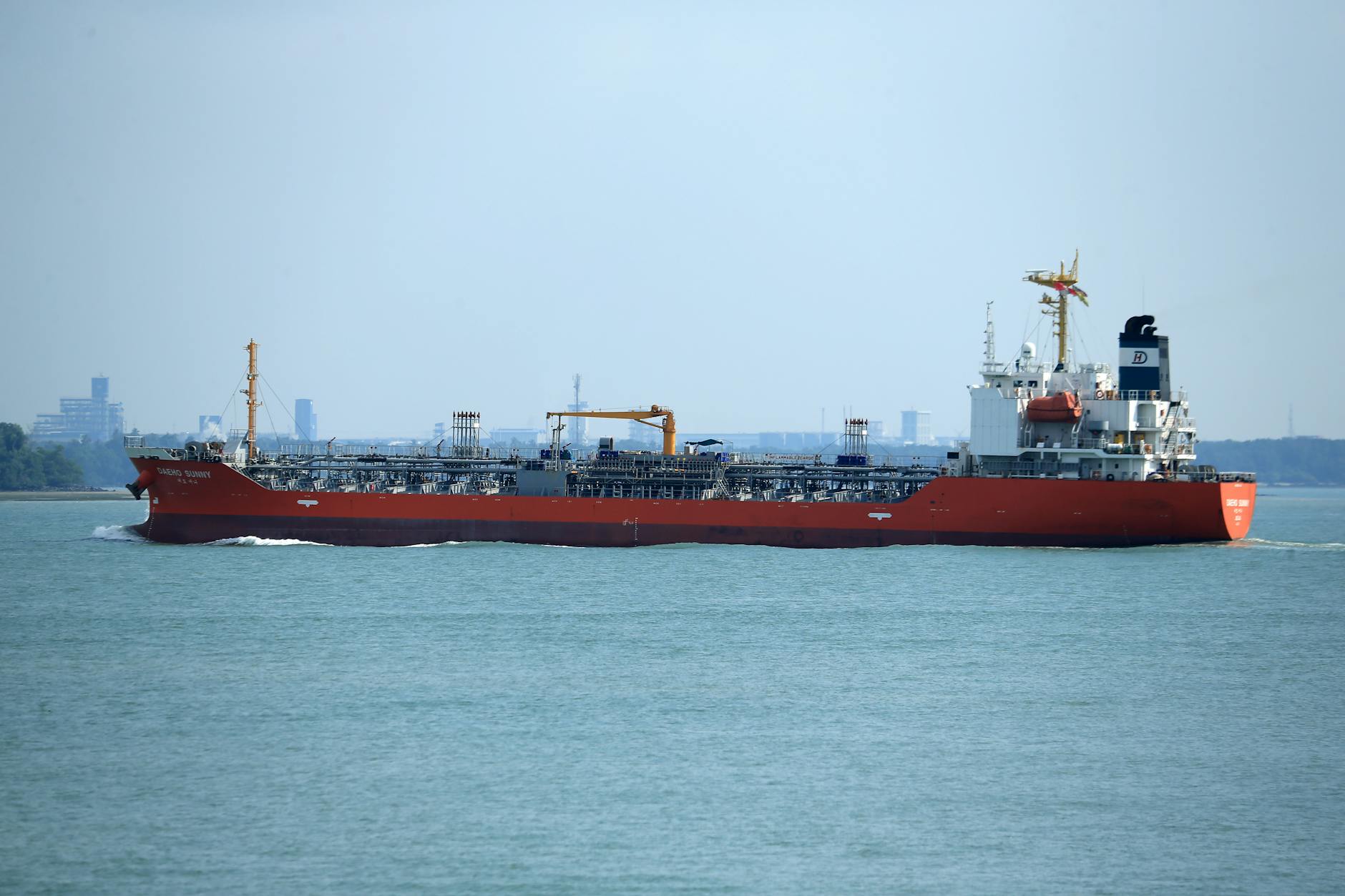
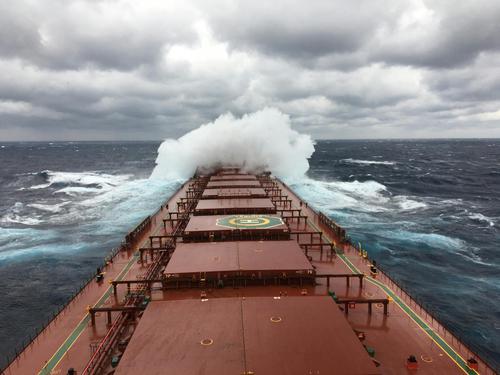
Yes, DHT Holdings appears to be strategically positioned to capitalize on a confluence of highly favorable market conditions, which its CEO aptly described as a "perfect storm." The Very Large Crude Carrier (VLCC) market is currently experiencing robust demand, heightened geopolitical volatility, a rapidly aging global fleet, and significant consolidation among compliant operators. These factors are creating a powerful tailwind for companies like DHT.
The company's recent financial performance underscores this strength. In Q4 2025, DHT reported impressive revenues of $118 million on a time charter equivalent (TCE) basis, adjusted EBITDA of $95 million, and net income of $66 million. This strong quarter was largely propelled by a dramatic surge in VLCC spot rates, which jumped 80% quarter-over-quarter to an average of $69,500 per day. This rate environment is not a fluke; it reflects fundamental shifts in the global crude oil transportation landscape.
Industry analysts from McQuilling Services and Tankers International echo this optimistic outlook, forecasting a firm VLCC market for 2026-2027. They project spot earnings for ECO tankers without scrubbers to average around $87,000 per day over this period. This sustained strength is driven by factors such as Middle East exports meeting incremental oil demand, increased long-haul movements from the Atlantic Basin to Asia, and sanctions-driven inefficiencies that reduce the effective supply of vessels. DHT's management is clearly leaning into this environment, increasing its spot market exposure to approximately 75% of its capacity by Q2 2026 to maximize participation in these rewarding rates.
How is DHT Modernizing its Fleet for Future Profitability?
DHT Holdings is aggressively renewing and expanding its fleet with modern, eco-efficient vessels while strategically divesting older tonnage, a move critical for long-term profitability and regulatory compliance. This proactive fleet management strategy positions the company to capture higher earnings from the tightening VLCC market. The company recently took delivery of the 2018-built DHT Nokota in November 2025 for $107 million, a move that immediately enhanced its age profile and efficiency metrics.
Beyond this acquisition, DHT is in the midst of a significant newbuilding program. The first of four state-of-the-art VLCC newbuildings, the DHT Antelope, was delivered on January 2, 2026, and is already trading in the spot market, demonstrating excellent fuel economics. The remaining three newbuilds are scheduled for delivery in March and June 2026. These new vessels are not just additions; they are replacements for older, less efficient ships. DHT has sold three 2007-built VLCCs – the DHT China, DHT Europe, and DHT Bauhinia – for a combined price exceeding $150 million, expecting to record a total gain of $60 million from these sales.
This fleet modernization is crucial for several reasons. Newer vessels are more fuel-efficient, reducing operating costs and aligning with stricter environmental regulations. They also command higher rates in a market increasingly prioritizing compliant and efficient transportation. By replacing older ships with modern ones, DHT is not just growing its fleet size but also improving its overall operational leverage and competitive standing. This strategy ensures the company remains at the forefront of a market where vessel age and efficiency are becoming increasingly important differentiators.
What Does VLCC Fleet Consolidation Mean for Freight Rates?
The ongoing consolidation within the VLCC market, particularly by private actors, is a significant structural shift that DHT Holdings believes will fundamentally impact freight rates and ship availability. Private aggregators are nearing control of 25% of the compliant tramping VLCC fleet, estimated at around 600 ships after excluding sanctioned and state-owned vessels. This level of control is considered a "critical market share" by DHT's management, suggesting a shift in pricing dynamics.
Historically, the fragmented nature of shipping markets has limited pricing power for individual operators. However, with a substantial portion of the compliant fleet now under fewer hands, the ability to influence supply and demand, and thus freight rates, increases. This consolidation creates pressure on timely ship availability, forcing customers to pay more for reliable, compliant seaborne crude transportation. Consider this: when a significant chunk of the fleet is controlled by a few players, they can collectively exert more influence over charter rates, especially during periods of high demand or supply constraints.
Furthermore, the "shadow fleet" – comprising approximately 100 officially sanctioned VLCCs and another 100 that have carried sanctioned barrels – further tightens the compliant market. These vessels are effectively removed from normal market participation, reducing the pool of available ships for mainstream trade. This dynamic, combined with the aging global fleet (with 46% of VLCCs older than 15 years by end of 2025), means that even with newbuild deliveries, effective fleet growth remains modest, comfortably below 3%. This supply squeeze, exacerbated by consolidation, is a powerful driver for sustained elevated freight rates, directly benefiting operators like DHT with modern, compliant fleets.
Is DHT's Balance Sheet Robust Enough for Growth and Shareholder Returns?
DHT Holdings maintains a robust balance sheet and a disciplined capital allocation strategy, which is critical for navigating the cyclical nature of the tanker market while consistently rewarding shareholders. As of December 31, 2025, the company reported $79 million in cash and total liquidity of $189 million, including $110.5 million available under revolving credit facilities. This strong liquidity position provides a significant buffer against market volatility and supports its growth initiatives.
The company's financial leverage is moderate, with total interest-bearing debt at $428.7 million and net debt of $349.7 million at year-end 2025. This translates to a low debt-to-equity ratio of 0.38 and a net debt/EBITDA of 1.05, indicating a healthy financial structure. DHT has been proactive in managing its debt, prepaying $52.6 million of long-term debt in Q2 2025 and an additional $22.1 million in Q3, covering all scheduled installments through the end of 2026. This deleveraging strategy builds staying power and flexibility.
Crucially, DHT has secured financing for its newbuilding program without issuing new shares. A $308.4 million post-delivery senior secured credit facility with a 12-year tenor and a competitive margin of SOFR plus 132 basis points will fund the four new VLCCs. This demonstrates lenders' confidence in DHT's credit quality and prudent capital structure. The company's commitment to returning capital to shareholders is evident in its policy of paying out 100% of ordinary net income as quarterly cash dividends. The Q4 2025 dividend of $0.41 per share marked its 64th consecutive quarterly payout, underscoring its consistent shareholder return focus.
What's the Outlook for DHT Investors Amidst Analyst Targets?
The outlook for DHT Holdings investors appears positive, driven by strong market fundamentals and the company's strategic positioning, though current analyst price targets suggest limited immediate upside from the stock's recent performance. DHT's Q1 2026 guidance is exceptionally strong, with 76% of spot days already booked at an average rate of $78,900 per day. This is a 13% increase from Q4's already robust rates and significantly above its spot P&L break-even of just $18,300 per day. This visibility into future earnings provides a compelling narrative for continued profitability.
Wall Street analysts currently hold a "Buy" consensus for DHT, with a median price target of $16.50. This is slightly below the current price of $17.45, implying a modest downside of -5.4%. The highest target is $18.00 from BTIG, suggesting a potential upside of 3.1%. While these targets might seem conservative given the strong market conditions, they often reflect a cautious approach to the cyclical tanker industry and may not fully factor in the potential for sustained elevated rates.
Investors should consider DHT's attractive dividend yield of 5.6% (TTM), supported by its 100% payout policy of ordinary net income. The company's focus on a modern, efficient fleet, combined with its strong balance sheet and increasing spot market exposure, positions it well to generate substantial cash flow. While the stock has already seen significant momentum, trading at its 52-week high of $17.45, the underlying structural drivers in the VLCC market and DHT's operational excellence suggest continued fundamental strength.
What Are the Key Risks and Opportunities for DHT?
For DHT Holdings, the primary opportunities lie in the sustained tightness of the VLCC market and its ability to leverage its modern fleet. The ongoing supply squeeze, driven by an aging global fleet, limited newbuild capacity extending to 2029, and the impact of sanctions removing a significant portion of vessels from the compliant market, creates a favorable pricing environment. DHT's increasing spot market exposure, coupled with its new, fuel-efficient vessels, positions it to capture these higher rates and enhance its competitive advantage. The potential for further consolidation could also strengthen pricing power across the industry.
However, risks are inherent in the cyclical and geopolitically sensitive crude oil tanker market. A significant slowdown in global oil demand growth, an unexpected increase in newbuild deliveries, or a rapid resolution of geopolitical tensions could soften freight rates. Changes in OPEC+ production policy, shifts in China's stockpiling strategy, or a reversal in long-haul trade routes (e.g., Atlantic-to-Asia flows) could also impact ton-mile demand. Furthermore, while DHT's balance sheet is strong, any major downturn could pressure its cash flow and debt service capacity, although its low leverage provides a substantial buffer.
Investors should closely monitor global oil demand trends, particularly from Asia, and the evolution of the compliant and shadow fleets. DHT's ability to maintain its operational efficiency and disciplined capital allocation will be crucial. The company's strategic moves to modernize its fleet and increase spot market exposure are designed to maximize upside in the current environment, but the inherent volatility of the shipping sector remains a key consideration.
DHT Holdings is well-equipped to navigate the current robust VLCC market, offering investors a compelling blend of strong earnings, fleet modernization, and consistent shareholder returns. While analyst targets suggest limited immediate price appreciation, the company's strategic positioning and a favorable market backdrop make it a noteworthy consideration for those seeking exposure to the energy transportation sector. The consistent dividend payout, backed by solid financials, provides a tangible return even as the market digests its recent gains.
Want deeper research on any stock? Try Kavout Pro for AI-powered analysis, smart signals, and more. Already a member? Add credits to run more research.
Related Articles
Category
You may also like
No related articles available
Breaking News
View All →No topics available at the moment