MarketLens
Is Phillips Edison & Company (PECO) a Strong Buy Amidst Retail Real Estate's Resurgence

Key Takeaways
- Phillips Edison & Company (PECO) is well-positioned to capitalize on robust demand for grocery-anchored retail, driven by strong consumer spending on necessities and strategic grocer expansion plans in 2026.
- The REIT's active acquisition pipeline, high occupancy rates of 97%, and impressive inline lease renewal spreads of over 20% underscore its operational strength and potential for continued net operating income (NOI) growth.
- While competitive pricing and macroeconomic factors like interest rates pose challenges, PECO's diversified portfolio, "locally smart" strategy, and adoption of AI in leasing provide a durable framework for long-term investor value.
Is Phillips Edison & Company (PECO) a Strong Buy Amidst Retail Real Estate's Resurgence?
Phillips Edison & Company (NASDAQ: PECO), a leading internally-managed REIT focused on grocery-anchored shopping centers, presents a compelling investment case for investors seeking stable income and growth in the current retail real estate landscape. With its strategic focus on necessity-based retail and a robust operational track record, PECO appears poised to continue its strong performance, making it a "buy" in a sector increasingly favored by institutional capital. The company's executives recently affirmed the robust demand for its asset class at ICSC Las Vegas, highlighting active retailer expansion and a healthy acquisition pipeline, which collectively paint a bullish picture for the REIT's future.
The broader retail real estate market is experiencing a significant repricing, with institutional investors rotating capital away from multifamily and into retail, a trend notably discussed at ICSC Las Vegas in May 2026. This shift is driven by a consensus that multifamily has peaked, while retail, particularly open-air and grocery-anchored formats, is entering a new cycle of value appreciation over the next five to seven years. CBRE's 2026 North American Investor Intentions Survey found that 85% of retail investors favored grocery-anchored centers, making them the most preferred retail format. This strong investor appetite, coupled with limited new supply, creates an unusually clean setup for assets like PECO's, which are well-positioned with quality anchors and dense trade areas.
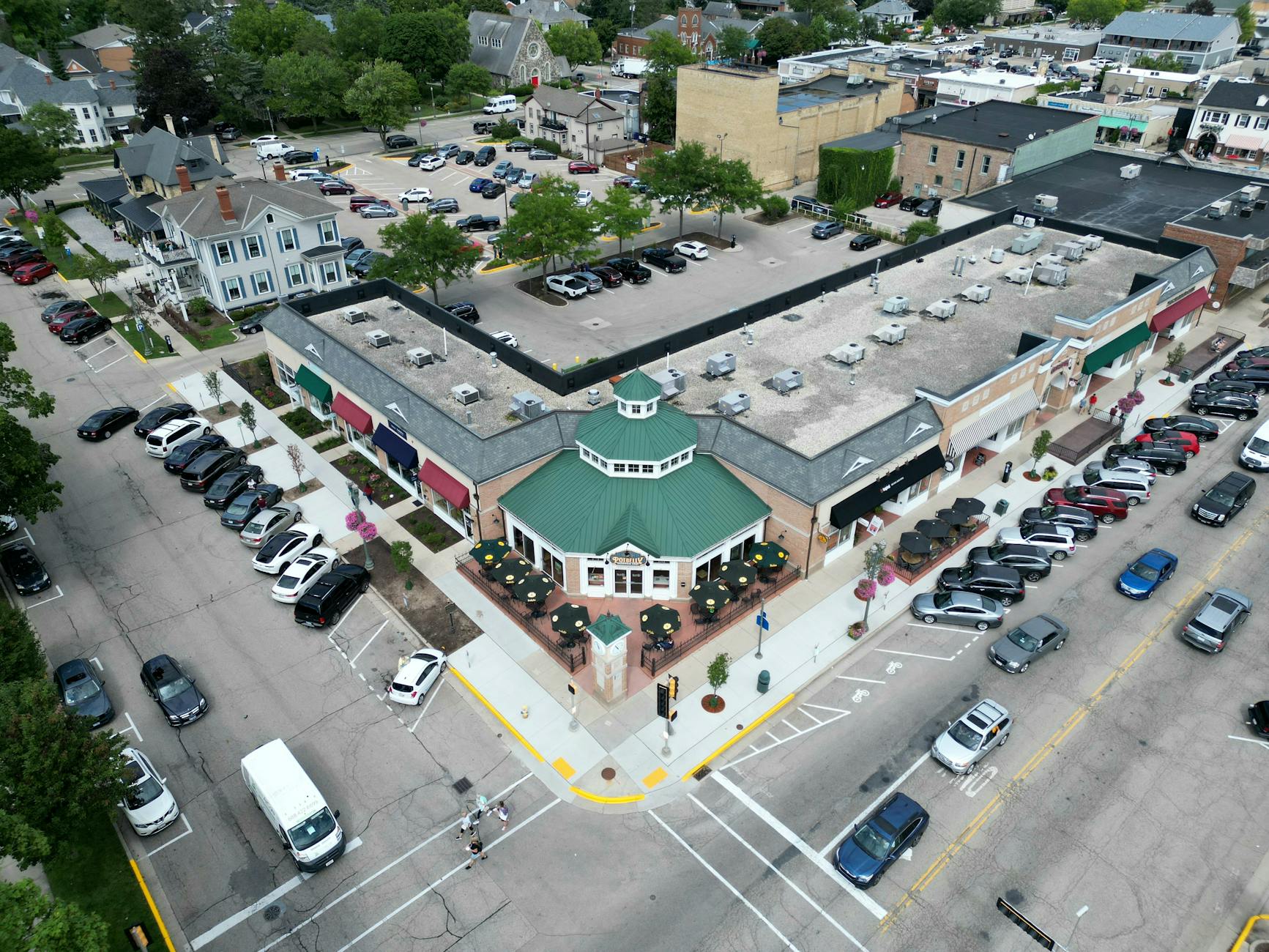
PECO's portfolio, comprising 326 centers and approximately 36.9 million square feet across 31 states, boasts a high leased occupancy of 97.1%. This metric is a testament to the enduring appeal of grocery-anchored properties, which benefit from consistent foot traffic and essential consumer spending. The company's focus on centers where 94% of its Annualized Base Rent (ABR) comes from grocery anchors, and 82% from the #1 or #2 grocer by sales in their respective markets, further solidifies its defensive positioning. As of May 29, 2026, PECO trades at $40.15, with a market capitalization of $5.06 billion, reflecting investor confidence in its specialized model.
Why Grocery-Anchored REITs Like PECO Are Thriving in 2026
The grocery-anchored retail sector is demonstrating remarkable resilience and growth in 2026, making it an increasingly attractive asset class for investors, and PECO is at the forefront of this trend. U.S. consumers spent over $915 billion on groceries in 2025, a 3% increase from 2024 and a 21% rise since 2020, according to the U.S. Census Bureau. This consistent spending, driven by a growing emphasis on health, wellness, and a preference for eating at home, directly translates into robust demand for grocery-anchored shopping centers. Grocers are responding by adding new stores, with an estimated 850 new locations planned for 2026, including 450 from Dollar General and 180 from Aldi, creating a strong tailwind for landlords like PECO.
Investment volume in grocery-anchored assets surged 42% in 2025 to nearly $11 billion, with institutional investors increasing their share of acquisitions to 27%, the highest in over a decade. This influx of capital highlights the sector's perceived stability and growth potential. PECO's Chairman and CEO, Jeffrey S. Edison, whose 2025 total compensation was $8.06 million (including $4.93 million in stock), leads a management team that owns 8% of the company, aligning their interests directly with shareholders. This insider ownership, combined with the company's strong operational focus, provides an additional layer of confidence for investors.
The physical grocery store is evolving, not disappearing, becoming critical e-commerce fulfillment engines. Online grocery sales are projected to reach $228 billion by 2030, representing over 23% of total grocery spending, with home delivery surging to 45% of online orders. This shift necessitates properties that can accommodate delivery driver staging areas and efficient traffic flow, which PECO's well-located, necessity-based centers are designed to handle. The company's portfolio is described as "Omni-Channel Landlord," complementary to e-commerce and solving for last-mile delivery, further enhancing its long-term relevance and value proposition.
Moreover, the tight supply in the retail market, with vacancy remaining structurally low due to limited new construction, is supporting rent growth. Average retail asking rent increased by 2.4% year over year to $24.59 per square foot in Q1 2026. This constrained supply, coupled with steady tenant demand from expanding grocers and service-oriented retailers, gives landlords significant leverage in strong submarkets. PECO's ability to command higher rents and maintain high occupancy in this environment is a key driver of its financial health and attractive to income-focused REIT investors.
Is PECO's Acquisition Strategy Sustainable Amidst Competitive Pricing?
Phillips Edison & Company's acquisition strategy remains robust and active, even in a competitive market characterized by compressed cap rates. David Wik, PECO's Senior Vice President and Head of Acquisitions and Dispositions, stated that the company has acquired $185 million of assets year-to-date in 2026 and has more than $200 million under contract, affirming its $400 million to $500 million gross acquisition guidance for the year. This aggressive pursuit of new properties demonstrates PECO's confidence in the long-term value of grocery-anchored centers, despite the challenges of competitive pricing.
Wik acknowledged that pricing remains challenging, and cap rates have compressed over the past 12 to 18 months, especially for high-quality grocery-anchored centers in growth markets. Nationally, cap rates averaged 6.7% at the close of 2025, a decrease of approximately 40 basis points from their cyclical peak in 2023. However, he also noted that it is difficult to see cap rates compressing much further given the current interest rate environment. PECO's strategy to navigate this involves leveraging its national platform to pivot among markets and grocer banners where pricing becomes too efficient, ensuring it can still find attractive deals.
The company's typical acquisition "sweet spot" is in the $20 million to $50 million range, where Wik believes trades are less efficient than larger deals, allowing PECO to uncover better value. This disciplined approach helps mitigate the risks associated with an overheated market. PECO targets a 9% unlevered internal rate of return (IRR) for grocery-anchored acquisitions, and a 10% unlevered IRR for its expanding "everyday retail" centers, a category where it has built a portfolio of over $220 million in the past 24 months. This diversification into complementary necessity-based retail further strengthens its income streams.
The market for grocery-anchored assets remains highly sought after, with CBRE's H2 2025 Cap Rate Survey indicating that these centers have the best expected investment performance among all retail asset types over the next 10 years. This strong fundamental appeal, combined with PECO's strategic and disciplined acquisition approach, suggests that its growth through new property additions is sustainable. The company's ability to identify and secure deals within its target IRR ranges, despite market competition, is a key factor in its continued expansion and value creation for shareholders.
How is PECO Leveraging Technology and Tenant Mix for Future Growth?
Phillips Edison & Company is actively embracing technology and strategically diversifying its tenant mix to drive future growth and enhance the resilience of its portfolio. The physical retail store is evolving, with online grocery sales projected to reach $228 billion by 2030, transforming stores into e-commerce fulfillment engines. This shift requires flexible layouts and efficient operational flows, which PECO's centers are designed to accommodate. The company's "Omni-Channel Landlord" approach ensures its properties remain relevant and valuable in an increasingly digital retail landscape, supporting both in-store shopping and online order fulfillment.
A significant development highlighted at ICSC Las Vegas 2026 was the rapid integration of AI into retail operations. PECO is at the forefront of this trend, utilizing artificial intelligence and data in its leasing processes. Casey, a PECO executive, explained that AI is not replacing human judgment but is improving the speed and precision of decision-making in markets where quality space is scarce. This includes enhancing retailer targeting, void analysis, merchandising strategy, and understanding demographics and traffic patterns. By processing massive volumes of transaction data, AI enables revenue-generating applications from retail media to dynamic pricing and demand forecasting, positioning PECO for optimized performance.
The tenant mix within PECO's centers continues to diversify beyond traditional grocery, with medical, fitness, and Quick Service Restaurant (QSR) operators expanding aggressively. These service-oriented tenants contribute to the "daily needs" nature of PECO's properties, driving consistent foot traffic. Casey noted that national accounts meetings with QSR users were growth-oriented, with companies like Dave’s Hot Chicken planning 43 new stores in 2026 and targeting 145 new openings in 2027, with average unit volumes near $3 million. This expansion of high-performing QSRs and "medtail" concepts further strengthens the tenant base and enhances the overall appeal of PECO's centers.
PECO's portfolio benefits from a strong focus on necessity-based goods and services, with 74% of its annualized base rent derived from these categories. Furthermore, the company's demographics are above the U.S. median income level, indicating a consumer base with stronger purchasing power. This strategic tenant curation, combined with technological advancements in leasing and a focus on evolving consumer behaviors, ensures PECO's centers remain vibrant community hubs and economic engines. The company's commitment to being "locally smart" by understanding local needs and creating dynamic shopping environments is key to its sustained success.
What Do PECO's Operating Metrics and Dividend Growth Signal for Investors?
Phillips Edison & Company's operating metrics consistently signal a healthy and growing enterprise, offering a compelling proposition for income-oriented REIT investors. The company's portfolio boasts an impressive 97% occupancy rate, with leasing rates at all-time highs and strong tenant retention. This high occupancy, combined with the necessity-based nature of its grocery anchors, provides stable and predictable cash flows, which are fundamental to a REIT's appeal. The consistent demand from retailers seeking suburban, necessity-based locations further underpins these strong occupancy figures.
A key driver of PECO's financial performance is the robust growth in grocer sales per square foot within its portfolio, which has increased by more than 46% since 2019. This significant rise in sales productivity directly translates to increased foot traffic for adjacent tenants and gives PECO leverage to command higher rents. The institutional thesis for grocery-anchored REITs emphasizes that the inline lease roll is where Net Operating Income (NOI) compounds, and the anchor tenant makes this possible. PECO's published renewal-spread data, showing roughly 20%+ on inline lease renewals against a 90% retention rate, provides on-the-ground evidence of this compounding effect.
For investors, PECO's commitment to returning value is evident in its dividend policy. The company provides monthly distributions to its stockholders, and its Board of Directors approved a 5.7% increase to the monthly dividend rate in 2025. This consistent and growing income stream is a significant draw for REIT investors, particularly given the current market environment. The company's strong operating results over its 30+ year history, coupled with its focus on high-quality, right-sized grocery-anchored neighborhood shopping centers, underscore its ability to generate regular income and strong returns.
The company's internally-managed structure, with an experienced management team and Board of Directors owning 8% of the company, ensures strong alignment of interests with shareholders. This alignment, combined with a diversified portfolio of well-occupied centers featuring national and regional retailers, positions PECO to deliver stable cash flows through long-term, triple-net leases. The continued strength in operating metrics and a demonstrated commitment to dividend growth make PECO an attractive option for investors seeking both income and capital appreciation in the resilient retail real estate sector.
What Are the Macroeconomic Headwinds and Risks for PECO?
While Phillips Edison & Company operates in a fundamentally strong sector, it is not immune to broader macroeconomic headwinds and specific risks that could impact its performance. One significant concern is the trajectory of interest rates. David Wik, PECO's Senior Vice President and Head of Acquisitions and Dispositions, noted that while cap rates have compressed, it's difficult to see them compressing much further given the current interest rate environment. Higher interest rates can increase borrowing costs for acquisitions and development, potentially squeezing pro formas and widening bid-ask spreads, making it harder to execute deals at target IRRs.
Consumer sentiment presents another nuanced risk. While retail sales and foot traffic continued to grow throughout Q1 2026, the University of Michigan Consumer Sentiment Index fell to a fresh 74-year low in May 2026 amid concerns surrounding inflation, tariffs, and rising gas prices. This disconnect between sentiment and spending behavior suggests consumers are becoming increasingly value-conscious and selective with discretionary purchases. Although PECO's focus on necessity-based retail provides a buffer, a prolonged period of high inflation and reduced consumer purchasing power could eventually impact even grocery spending, or at least shift it towards discount grocers.
The competitive landscape for acquiring high-quality grocery-anchored centers is also a risk. The influx of institutional capital into the sector has led to compressed cap rates, meaning lower yields for new acquisitions. While PECO has a strategy to navigate this by focusing on its $20 million to $50 million "sweet spot" and pivoting between markets, intense competition could still limit the availability of attractive opportunities or force the company to accept lower returns. The "barbell shopper" trend, where consumers either seek deep value or premium fresh formats, requires grocers to specialize, which in turn demands landlords to adapt their tenant mixes.
Furthermore, while new retail development is constrained, adaptive reuse and mixed-use redevelopment are filling the gap. This could introduce new competitive supply in certain submarkets, even if ground-up construction remains limited. The ongoing evolution of the physical store into an e-commerce fulfillment engine, while an opportunity, also presents operational complexities and requires continuous investment in technology and infrastructure. PECO's Chief Financial Officer, John P. Caulfield, whose 2025 total compensation was $2.41 million, must carefully manage these capital expenditures to ensure they translate into sustainable returns amidst a dynamic retail environment.
Phillips Edison & Company stands out as a robust player in the resilient grocery-anchored retail sector, offering investors a compelling blend of stable income and growth potential. Its strategic focus on necessity-based properties, coupled with strong operational metrics and a disciplined acquisition approach, positions PECO to navigate current market dynamics effectively. While macroeconomic headwinds warrant attention, the company's proactive use of technology and diversified tenant mix suggest a durable path forward for long-term value creation.
Want deeper research on any stock? Try Kavout Pro for AI-powered analysis, smart signals, and more. Already a member? Add credits to run more research.
Related Articles
Category
You may also like


Phillips Edison & Company (PECO) Upgraded to Buy: Here's What You Should Know

Pebblebrook Hotel Trust (PEB) Hits Fresh High: Is There Still Room to Run?

The Retail Bogeyman Has Been Slain
Breaking News
View All →Featured Articles
Is WildBrain's Strategic Pivot Paying Off
Top Headlines

Nvidia CEO to kick off and dominate Computex gathering in Taipei

Apple's Smart Glasses Reportedly Delayed Until Late 2027

Meta Plans AI Pendant as Part of Wider Wearables Effort

Is the IWM ETF Still a Buy After Its Recent Run-Up?