MarketLens
Is Snap's Losing Streak a Sign of Deeper Trouble

Key Takeaways
- Snap Inc. (SNAP) is in a precarious position, trading near its 52-week low of $4.52 after a seven-session losing streak, driven by advertising headwinds, regulatory pressures, and analyst downgrades.
- Despite beating Q4 2025 revenue and EPS estimates, the company faces skepticism regarding user growth, profitability, and the long-term viability of new ventures like its Specs AR glasses.
- While cost discipline and subscription growth offer a glimmer of hope, ongoing legal battles and intense competition in the digital advertising space present significant hurdles for a sustained turnaround.
Is Snap's Losing Streak a Sign of Deeper Trouble?
Snap Inc. (SNAP) finds itself in a challenging position, having endured a seven-session losing streak that has pushed its stock price to $4.56 as of March 13, 2026. This precipitous decline, which saw shares shed over 14% since the start of the year, has brought the social media giant perilously close to its 52-week low of $4.52. The market capitalization now stands at a modest $7.70 billion, a stark contrast to its previous highs. Investors are clearly signaling deep-seated concerns, questioning whether this downturn is merely a temporary blip or indicative of more fundamental issues plaguing the Snapchat parent company.
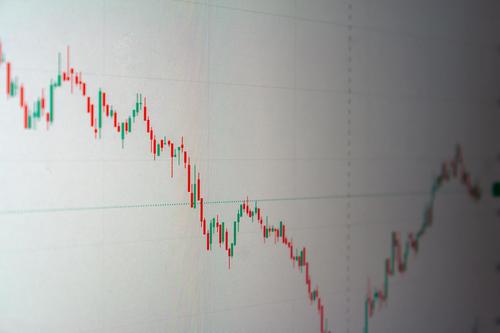
The recent price action paints a grim picture. From a close of $5.34 on March 5, the stock has steadily eroded, closing lower each subsequent trading day: $5.16, then $5.13, $4.91, $4.86, $4.65, and finally $4.56. This consistent downward pressure, coupled with a significant drop from its 52-week high of $10.41, suggests that the market is reacting to a confluence of negative factors rather than isolated events. The volume on March 13 was 42,554,206 shares, indicating active selling pressure.
This prolonged downtrend has naturally fueled speculation about Snap's future. The company, once a darling of the social media space, is now grappling with a complex web of challenges ranging from a highly competitive advertising market to increasing regulatory scrutiny and internal operational hurdles. The question on every investor's mind is whether Snap possesses the resilience and strategic foresight to navigate these stormy waters and eventually reverse its fortunes.
The current sentiment among Wall Street analysts is largely cautious, with a consensus "Hold" rating based on 71 analysts. While some firms maintain a "Buy" rating, a significant portion recommends holding, and a few even suggest "Sell." This mixed but predominantly neutral outlook underscores the uncertainty surrounding Snap's near-term prospects and the difficulty in identifying clear catalysts for a significant rebound.
What Do Snap's Recent Financials Really Tell Us?
Snap's latest financial disclosures present a mixed bag, offering both glimmers of hope and reasons for investor caution. For Q4 2025, the company managed to beat Wall Street's revenue expectations, reporting $1.72 billion against an estimated $1.70 billion, representing a 10.2% year-over-year growth. Crucially, GAAP EPS came in at $0.03, a significant beat against analyst estimates of a -$0.03 loss per share. This positive EPS figure, after a string of negative quarters, initially sparked some optimism.
However, a deeper dive reveals underlying vulnerabilities. Despite the revenue beat, growth in the core advertising business was described as "lackluster." This is a critical point, as advertising remains Snap's primary revenue driver. The company's profitability margins continue to be a concern, with an EBIT margin resting at -5.6% and net income remaining in negative territory at -$45.2 million as of the end of 2025. While the gross margin offered a silver lining at 55%, the path to consistent, robust profitability remains elusive.
One of the more encouraging developments has been the growth in subscription services. Snap reported reaching a $1 billion annualized revenue run rate from its subscription offerings, coupled with a rise in paying subscribers. This diversification away from a sole reliance on advertising revenue is a positive strategic move, offering a more stable and potentially higher-margin revenue stream. Management highlighted cost discipline and infrastructure efficiency as key contributors to Q4 performance, with infrastructure costs now being converted into revenue-generating services like Memory Storage Plans.
Yet, the positive financial beats were quickly overshadowed by other factors. The stock initially reacted positively to the Q4 earnings report, surging 7% in after-hours trading, only to nosedive 14% the very next day. This volatile reaction underscores the market's skepticism and its tendency to focus on the broader narrative rather than isolated positive metrics. The challenge for Snap is to demonstrate consistent, sustainable profitability and growth across all its business segments, not just occasional beats.
Are Advertising Headwinds and Competition Insurmountable?
Snap's core advertising business is facing significant headwinds, intensified by a fiercely competitive digital ad landscape. The company's Q4 2025 earnings, while beating revenue expectations, revealed "lackluster" growth in advertising, a critical red flag for investors. This sluggishness is not isolated to Snap; the broader digital ad industry is experiencing shifts, but Snap appears to be underachieving compared to its larger rivals.
Analyst sentiment reflects this concern, with multiple firms slashing price targets and reiterating "Hold" or "Neutral" ratings. Morgan Stanley, for instance, cut Snap's price target from $9.50 to $6.50, citing a "foggy future" regarding a potential $400 million revenue-fueled Perplexity deal and Snap's underperformance in the broader digital ad market. Barclays also lowered its target from $16 to $15, highlighting Snap's sluggish advertising business and looming regulatory challenges. Canaccord and TD Cowen followed suit, adjusting their targets downwards due to mixed Q4 results and falling sales projections for Q1.
The competitive pressure from behemoths like Meta Platforms (Facebook, Instagram) and TikTok is immense. These platforms command larger user bases and more sophisticated advertising tools, making it difficult for Snap to capture a greater share of ad spend. While Snap's average revenue per user (ARPU) in North America saw a modest increase to $9.73 in Q4 2024 (the latest available ARPU data), up from $8.96 in Q4 2023, the challenge lies in scaling this without negatively impacting user experience with excessive ads.
Moreover, Snap's global daily active users (DAUs) reached 453 million in Q4 2024, an increase from 414 million a year prior. However, the year-over-year growth rate has decelerated significantly, dropping from 15% in Q1 2023 to just 9% in Q4 2024. This slowing user growth directly impacts the addressable market for advertisers, making it harder to attract and retain ad dollars. The combination of slowing user growth, intense competition, and a challenging ad market creates a formidable obstacle for Snap's path to sustained profitability.
What Role Do Regulatory and Legal Challenges Play?
Beyond the advertising woes, Snap is grappling with a growing array of regulatory and legal challenges that cast a long shadow over its operations and reputation. These issues introduce potential legal costs, reputational harm, and could fundamentally alter how the platform operates, impacting user engagement and monetization. The Texas Attorney General, for instance, has pursued legal action against Snap, alleging deceitful practices aimed at parents over content and addictive design. This lawsuit highlights the increasing scrutiny social media companies face regarding user safety, particularly for younger demographics.
The regulatory landscape is becoming increasingly complex and fragmented globally. While the UK media regulator Ofcom acknowledged Snap's improvements in risk assessment for illegal content, this positive development was quickly tempered by concerns over more restrictive legislation. The recent social media ban for teenagers enacted in Australia, for example, serves as a stark warning. The ongoing debate in Germany about banning under-16s from social media platforms like Snapchat further intensifies regulatory risks, directly threatening user growth and engagement in key international markets.
These regulatory headwinds often force companies like Snap to implement new measures, which can have unintended consequences. Snap's introduction of age-verification measures in Australia, for instance, resulted in user removals. While management argues these actions free up resources for core, profitable markets and support long-term profitability, they undeniably create short-term engagement headwinds and can slow overall user base expansion. The trade-off between community safety and user growth is a delicate balance that Snap must navigate carefully.
The cumulative effect of these legal and regulatory pressures is significant. They not only divert management attention and financial resources but also contribute to investor uncertainty. The potential for hefty fines, mandatory operational changes, or even outright bans in certain demographics or regions creates an unpredictable operating environment. This "regulatory pushback" is a key factor contributing to the "chorus of lowered expectations" from financial analysts, making it harder for Snap to project a clear and stable growth trajectory.
Can Snap's Strategic Pivots Spark a Turnaround?
Despite the prevailing gloom, Snap is actively pursuing several strategic pivots that could, if successful, spark a turnaround. The company's focus on cost discipline and infrastructure efficiency is a notable positive. CFO Derek Andersen highlighted a shift from infrastructure being a source of margin pressure to becoming a margin-accretive investment, aided by the conversion of infrastructure costs into revenue-generating services. This disciplined approach to spending, including limiting headcount growth to core priorities, is crucial for improving profitability.
A significant long-term catalyst lies in Snap's augmented reality (AR) ambitions, particularly with the upcoming launch of its smart glasses, "Specs." CEO Evan Spiegel views Specs as a new product appealing to a different audience segment, consolidating years of R&D and developer engagement. The expectation is that early developer adoption will accelerate ecosystem growth and unlock new monetization channels. While the AR hardware market is nascent and challenging, successful execution here could differentiate Snap significantly from its social media rivals and tap into a potentially massive future market.
Furthermore, the growth in subscription services, particularly Snapchat+, is proving to be a valuable revenue diversification strategy. The company has already achieved a $1 billion annualized revenue run rate from subscriptions, with plans for international expansion of paid Creator Subscriptions. This move enhances the value proposition for Snap's massive user base and provides a more stable, higher-margin revenue stream less susceptible to the volatility of the ad market. This "evolving revenue growth trajectory" is a beacon for potential investors.
Management also anticipates continued gross margin improvement through the adoption of higher-margin ad placements and AI-driven enhancements in campaign performance. This shift, combined with subscription growth, is expected to help the company reach and potentially exceed its 60% gross margin target in 2026. While the path ahead is undoubtedly challenging, these strategic initiatives — disciplined spending, AR innovation, and subscription scaling — represent Snap's best hope for reigniting growth and achieving sustainable profitability.
What Does Technical Analysis and Analyst Sentiment Suggest for Investors?
The technical indicators for Snap (SNAP) paint a predominantly bearish picture, reinforcing the current downtrend. The stock is trading significantly below its key moving averages: the 50-day simple moving average (SMA) is $6.35, and the 200-day SMA is $7.30. This "death cross" scenario, where the shorter-term moving average falls below the longer-term one, typically signals a strong bearish trend and loss of momentum. The current price of $4.56 is far below these levels, indicating deep investor pessimism.
Support and resistance levels are critical for understanding potential price movements. The stock recently broke through a historical "floor" around the $7.00-$8.00 range, which had served as a massive support zone for years. Now, the immediate psychological support level is near its 52-week low of $4.52. A break below this could trigger further selling pressure. On the upside, resistance levels are now formed by the previous support zones, making a quick rebound challenging without significant positive catalysts.
Wall Street analyst sentiment, while not uniformly negative, leans heavily towards caution. The consensus rating is a "Hold," with an average price target of $7.51. This implies a substantial upside from the current price, but it's important to note that the low target is $5.50, and recent downgrades have pulled the average down. Firms like Morgan Stanley, Citigroup, and TD Cowen have maintained "Equal Weight" or "Neutral" ratings, reflecting uncertainty about Snap's ability to execute its turnaround strategy effectively.
The short interest in SNAP is also noteworthy. As of March 12, 2026, the short sale ratio was 23.21%, rising from the previous trading day. This high short interest, coupled with declining prices, suggests that short sellers are anticipating further declines. While some technical indicators like the Relative Strength Index (RSI) are in oversold territory (RSI 14 at 24), which can sometimes precede a rebound, the overall technical and sentiment backdrop remains challenging.
Snap's journey is undeniably fraught with both promise and peril. The company's current valuation near its 52-week low reflects significant market skepticism, fueled by advertising headwinds, regulatory pressures, and slowing user growth. While strategic pivots into subscriptions and AR, coupled with disciplined cost management, offer a potential pathway to recovery, these initiatives require flawless execution in a highly competitive and scrutinized environment. Investors should brace for continued volatility and closely monitor upcoming earnings reports and product launches for signs of a sustained turnaround.
Want deeper research on any stock? Try Kavout Pro for AI-powered analysis, smart signals, and more. Already a member? Add credits to run more research.
Related Articles
Category
You may also like


Where Will Stocks Go Next? The Bond Market Is Sending an Ominous Signal.

Schiff vs. Saylor heats up again: Is Strategy's Bitcoin bet finally cracking?

Snap (SNAP) Sees a More Significant Dip Than Broader Market: Some Facts to Know
Breaking News
View All →Featured Articles
Top Headlines

Meta Mulls Cutting 20% Or More Of Jobs Amid Big AI Spending, Setbacks

Exclusive: Meta planning sweeping layoffs as AI costs mount

The Smartest Growth Stock to Buy With $200 Right Now

Wall Street's Favorite Artificial Intelligence (AI) Bargain Stock for 2026 Is Hiding in Plain Sight