MarketLens
Is Tesla's Aggressive Japan Expansion a Game Changer

Key Takeaways
- Tesla is aggressively expanding its physical footprint in Japan, doubling service centers and showrooms by late 2026 to solidify market share and customer loyalty.
- The company is making a strategic entry into Colombia, signaling a calculated approach to penetrate emerging South American markets despite nascent EV infrastructure.
- Gigafactory Mexico, now targeting 2026 production, is crucial for Tesla's next-generation vehicle platform and North American supply chain localization.
Is Tesla's Aggressive Japan Expansion a Game Changer?
Tesla is making a significant pivot in Japan, moving away from its traditional online-only sales model to embrace a more localized, service-centric approach. The company plans to more than double its company-owned service centers from 14 to over 30 by the end of 2026, alongside expanding retail stores from 23 to 50 within the same timeframe, with a long-term goal of 100 locations. This aggressive build-out directly addresses a critical gap in after-sales support that has lagged behind robust sales growth.
This strategic shift is a direct response to the preferences of Japanese consumers, who traditionally value in-person retail and comprehensive service relationships. Tesla's sales in Japan surged by a remarkable 90% in 2025, reaching approximately 10,600 vehicles, driven by the Model 3 and Model Y. However, this rapid adoption has strained existing service infrastructure, leading to concerns about wait times and customer satisfaction. The expansion aims to alleviate these pressures, enhance brand loyalty, and reassure potential buyers.
Beyond service and retail, Tesla is rolling out a coordinated market push in Japan. Full Self-Driving (Supervised) is targeted for launch by the end of 2026, building on public road testing that began in August 2025. Additionally, Tesla Powerwall 3 became officially available in Japan in March 2026, extending the company's energy product reach into the home energy market. This multi-pronged strategy underscores a full market commitment, integrating vehicle sales, energy solutions, and advanced software.
While the expansion is promising, challenges remain. The rapid growth has led to significant staff churn, with about 60% of Tesla Japan’s staff having less than six months of tenure. Maintaining consistent service quality amidst such high turnover will be crucial for customer satisfaction and brand perception. Furthermore, Japan's mandatory vehicle inspection system, requiring a first inspection three years after registration, means a wave of Teslas will soon hit this mark, making accessible and efficient service even more critical.
What Does Tesla's Foray into Colombia Signify for Emerging Markets?
Tesla is quietly laying the groundwork for a significant expansion into South America, with Colombia emerging as its next strategic market after Chile. The company has posted at least 10 job openings across Colombia for various roles, including sales managers, advisors, and service technicians, signaling an imminent launch. This move follows a cryptic video posted by Tesla in November 2025 that appeared to outline the geographic shape of Colombia, sparking widespread speculation.
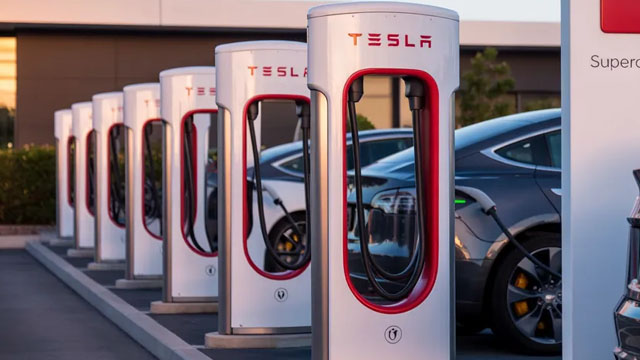
This expansion into Colombia is particularly noteworthy given the nascent state of EV infrastructure in South America. Currently, the continent hosts only two Tesla Supercharger stations, both located in Chile. This lack of charging facilities presents both a significant challenge and a substantial opportunity for Tesla to shape the EV landscape from the ground up. The company will need to invest heavily in charging infrastructure, potentially through collaborations with local businesses and governments, to support widespread adoption.
Interestingly, Tesla appears to be prioritizing "middle-market" opportunities like Colombia over larger markets such as Brazil and Argentina. This strategic decision might be rooted in logistical considerations, as entering a high-demand market like Brazil without adequate infrastructure could strain Tesla's resources. By establishing a foothold in Colombia, Tesla could be testing the waters, refining its market entry strategy, and building out foundational infrastructure before tackling larger, more complex markets in the region.
The Colombian EV market, though smaller, is experiencing a significant increase in electric vehicle deliveries, with four of the top-selling vehicles in April being electric. This growing demand, coupled with less entrenched competition compared to mature markets, offers Tesla a fertile ground for growth. While job postings don't guarantee an official launch, Tesla's past pattern of hiring ahead of market entry suggests a strong commitment. This expansion could significantly alter the electric vehicle landscape in South America, setting a precedent for future growth across the continent.
How Will Gigafactory Mexico Impact Tesla's Production and Supply Chain?
Tesla's Gigafactory Mexico, located in Monterrey, has finally secured all necessary permits, clearing the path for full-scale construction. While initial reports targeted production for Q1 2025, the facility is now expected to be completed by November 2025, with vehicle production commencing in 2026. This factory is a cornerstone of Tesla's strategy to expand its global manufacturing capacity, particularly for its next-generation vehicle platform, which is anticipated to be priced around $25,000.
The Mexico Gigafactory is designed to produce vehicles at volumes far exceeding those of the Model 3 and Model Y, requiring significant production innovations. This facility is crucial for Tesla to meet increasing demand for more affordable EVs and to capitalize on incentives provided by the Inflation Reduction Act (IRA) for vehicles produced in North America. The estimated investment for Giga Mexico is around $10 billion, and it is expected to employ approximately 7,000 workers, significantly boosting Tesla's regional economic impact.
Building a factory in Mexico has presented unique challenges, proving more difficult than initially anticipated. Logistical hurdles, higher capital expenditures, increased labor costs, and poorer existing infrastructure have contributed to delays. Tesla is actively working with its Chinese suppliers, encouraging them to establish their own factories in Mexico to support the Gigafactory. This localization effort aims to replicate the efficient supply chain model seen in Giga Shanghai, where over 95% of components are sourced locally.
Suppliers who localize production in Mexico stand to benefit, with Tesla reportedly offering purchase prices 18%-20% higher than orders in China, potentially increasing gross margins by around 3 points. However, Tesla has also made it clear that suppliers failing to complete localized production by 2025 might struggle to secure orders from the new facility and could even lose export deals to existing American factories. This aggressive push for a localized supply chain underscores Tesla's commitment to efficiency and cost reduction for its future vehicle lineup.
What Are the Broader Implications of Tesla's Global Expansion Strategy?
Tesla's aggressive global expansion, particularly its tailored regional strategies in Japan and its cautious entry into Colombia, signals a maturing approach to international markets. The company is moving beyond a one-size-fits-all model, adapting to local consumer preferences and infrastructure realities. This shift is critical as Tesla navigates increasing competition from traditional automakers and emerging EV players, especially from China, who are rapidly introducing lower-cost models and faster refresh cycles.
The Japanese market strategy, with its emphasis on physical service centers and showrooms, demonstrates Tesla's willingness to adjust its direct-sales model to meet specific cultural expectations. This localized approach, coupled with the rollout of FSD (Supervised) and Powerwall 3, aims to build deeper brand loyalty and market penetration in a country known for its discerning domestic car buyers. Success here could serve as a blueprint for other mature markets where a purely digital sales model has faced resistance.
In South America, the Colombia entry reflects a calculated risk. By targeting a "middle-market" country with developing EV infrastructure, Tesla can incrementally build its presence and charging network without immediately overwhelming its resources in larger, more complex markets like Brazil. This phased approach allows the company to learn and adapt, laying the groundwork for future, broader expansion across the continent. It highlights Tesla's long-term vision for global EV dominance, even in regions where the market is still nascent.
However, this ambitious expansion comes with inherent risks. New markets like India, for example, require careful pricing strategies to achieve economic parity, and missteps could lead to underwhelming volume growth or prolonged operating losses. The global EV landscape is becoming increasingly competitive, with players like BYD and Xiaomi reshaping the market with more affordable offerings. Tesla's ability to execute these diverse regional strategies effectively, while maintaining its technological edge and managing operational complexities, will be key to its sustained growth and profitability.
What Does This Mean for TSLA Investors?
Tesla (NASDAQ: TSLA) shares are currently trading at $355.28, down 1.81% today, reflecting the broader market's cautious sentiment. The company's market capitalization stands at a substantial $1.33 trillion, yet its stock has seen considerable volatility, with a 52-week range between $214.25 and $498.83. This aggressive global expansion strategy, while promising for long-term growth, introduces both significant opportunities and notable risks for investors.
The bullish case for TSLA hinges on the successful execution of these expansion plans. Increased service and retail presence in Japan, coupled with new market entries like Colombia, could unlock substantial new revenue streams and solidify Tesla's global market share. The ramp-up of Gigafactory Mexico, producing a lower-cost, next-generation vehicle, could significantly boost delivery volumes and address a wider consumer base, potentially re-accelerating growth that has seen some deceleration.
However, the bear case points to mounting challenges. Intensifying global EV competition, particularly from Chinese manufacturers with lower-cost models, continues to pressure Tesla's pricing power and margins. Demand softness into 2025 has led to street projections calling for full-year delivery declines, despite record revenue. Furthermore, the monetization of Full Self-Driving (FSD) remains uncertain, with limited licensing interest from other automakers and ongoing regulatory hurdles restricting full deployment.
Investors should closely monitor Tesla's execution in these new markets and its ability to manage the associated operational complexities. The success of the Japan expansion in improving customer satisfaction and converting interest into sustained sales will be a key indicator. Similarly, the progress in building out infrastructure and establishing a market presence in Colombia will offer insights into Tesla's emerging market strategy. The timeline and cost-efficiency of Gigafactory Mexico's production ramp will also be critical for future profitability.
Tesla's global expansion is a high-stakes gamble, aiming to solidify its leadership in a rapidly evolving EV landscape. While the company's ambition is clear, investors must weigh the significant growth potential against the execution risks and intensifying competitive pressures. The coming quarters will be crucial in determining if these aggressive moves translate into sustainable financial performance and justify its premium valuation.
Want deeper research on any stock? Try Kavout Pro for AI-powered analysis, smart signals, and more. Already a member? Add credits to run more research.
Related Articles
Category
You may also like


Is Uber's Mega Deal With Rivian a Game-Changer in the Robotaxi Space?

BYD Just Announced 5-Minute EV Charging. Should Tesla Investors Be Concerned?

Does Tesla's February Sales Surge Signal a Turnaround in Europe?
Breaking News
View All →Featured Articles
Top Headlines

Meta Platforms (META) Advances While Market Declines: Some Information for Investors

Exxon Mobil: Boosted By Powerful Pricing And Volume Tailwinds

2 Dividend Growers Providing Inflation-Beating Income Boost

1 Brilliant Growth Stock to Buy Before It Joins Nvidia, Apple, and Alphabet in the $3 Trillion Club