MarketLens

Log in

Is the Golden Pass LNG Startup a Game-Changer for Global Energy Security

1 hour ago
SHARE THIS ON:

Is the Golden Pass LNG Startup a Game-Changer for Global Energy Security

Key Takeaways

  • The startup of the Golden Pass LNG facility, a joint venture between QatarEnergy and ExxonMobil, arrives at a critical juncture, offering a much-needed supply boost amidst severe geopolitical disruptions in the Middle East.
  • Italy is aggressively diversifying its energy supply, leveraging new LNG import capacity and pipeline deals with Algeria to reduce reliance on volatile sources, a strategy that could reshape European energy security.
  • The global LNG market is transitioning from a seller's to a buyer's market in 2026 due to a massive wave of new liquefaction capacity, which is expected to pressure global gas prices lower despite ongoing geopolitical risks.

Is the Golden Pass LNG Startup a Game-Changer for Global Energy Security?

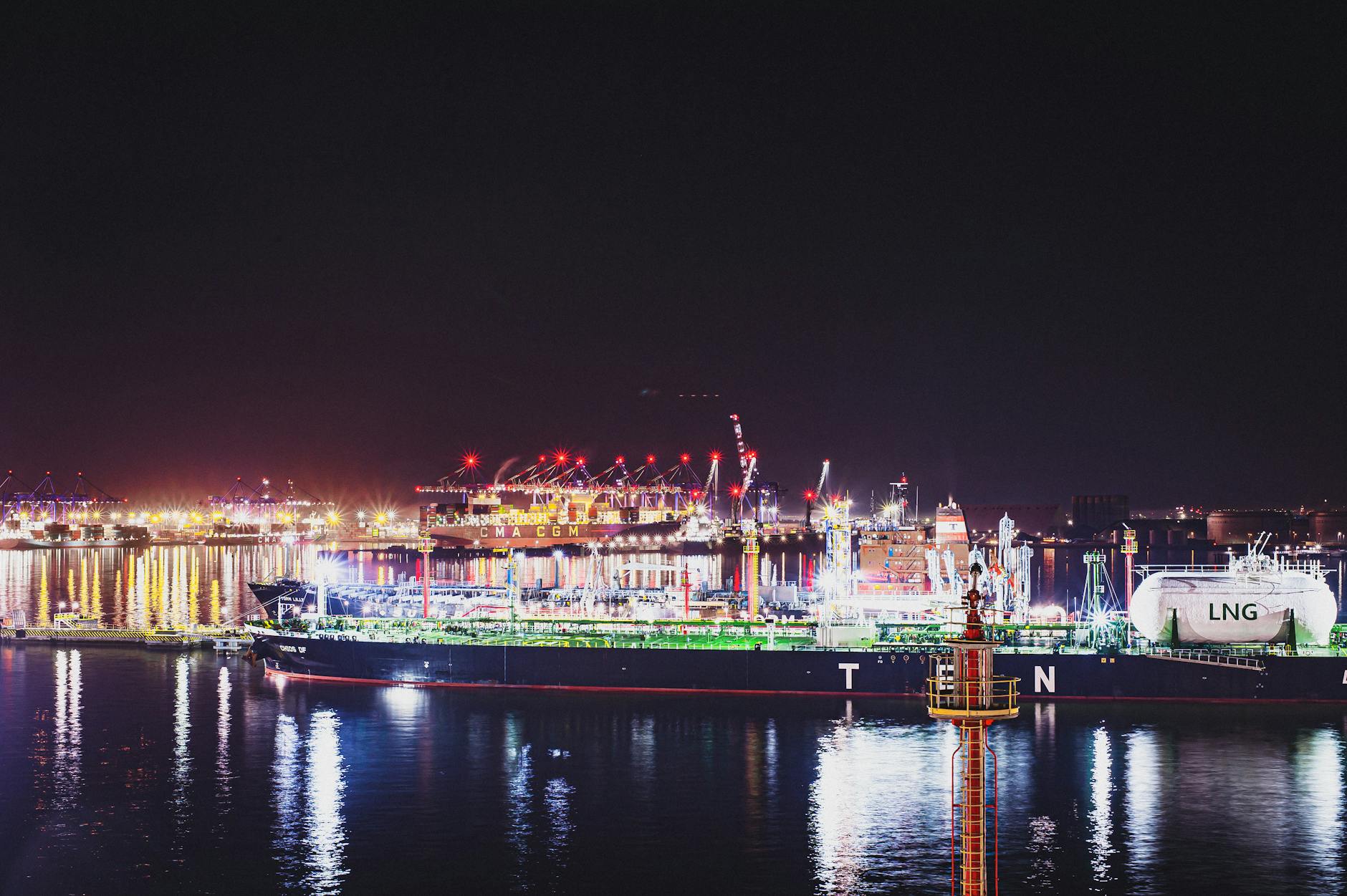
The Golden Pass LNG facility, a $10 billion joint venture between QatarEnergy (70%) and ExxonMobil (30%), has officially commenced production from its first train at Sabine Pass, Texas, on March 30, 2026. This milestone marks a significant step towards its full operational capacity of 18 million tonnes per annum (mtpa), with the initial Train 1 adding 6 mtpa to global supply. The first cargo is anticipated to be dispatched as early as April, injecting crucial volumes into a global market reeling from unprecedented geopolitical shocks.

This timely arrival couldn't be more critical. The ongoing US-Iran conflict has severely disrupted traditional LNG flows, particularly from Qatar, a major global supplier. Iranian missile strikes on Qatar's Ras Laffan industrial center in March 2026 knocked out approximately 17% of the country's existing liquefaction capacity, a reduction that could last for three to five years. This disruption, coupled with an effective closure of the Strait of Hormuz – a chokepoint for 20% of the world's LNG – sent Asian spot prices soaring by up to 85% and European gas prices spiking by as much as 70% in the first week of March.

The Golden Pass project, despite facing prior delays and cost overruns since its 2019 final investment decision, now stands as a beacon of stability. Its strategic location in the US Gulf Coast offers geographic diversity, mitigating the risks associated with concentrated supply routes. For ExxonMobil, which will receive just under 2 mtpa from the facility, and QatarEnergy, which gets slightly more than 4 mtpa, this venture reinforces their positions as key players in the evolving global energy landscape, providing a much-needed lifeline to energy-hungry markets.

The startup of Golden Pass underscores a broader shift in energy diplomacy, where LNG has become a strategic weapon. The US, with its burgeoning export capacity, is cementing its role as a reliable global supplier, offering an alternative to volatile regions. This project is a testament to the long-term strategic planning by QatarEnergy, which announced plans in 2018 to invest $20 billion in the US energy sector, highlighting the increasing interconnectedness of global energy markets and the strategic importance of diversified supply chains.

How is Italy Reshaping its Energy Strategy Amidst Middle East Chaos?

Italy is at the forefront of European nations aggressively diversifying their energy supply, a strategy amplified by the recent Middle East conflict and the resulting disruption to Qatari LNG exports. The country's multi-pronged approach involves significantly boosting its LNG import infrastructure and strengthening pipeline ties with North Africa, particularly Algeria. This proactive stance aims to insulate Italy's energy system from geopolitical volatility and reduce its dependence on any single supplier or transit route.

A key move in this strategy is Snam, Italy's dominant gas transporter, acquiring a 48.2% stake in the Livorno LNG terminal, expected to close in the first half of 2026. This will give Snam a controlling 97.3% share in the facility, tightening its grip on Italy's regulated LNG terminals and enhancing national energy security. Concurrently, the Adriatic LNG terminal, the country's largest, is undergoing an upgrade to increase its regasification capacity from 9 to 9.5 billion cubic meters per year, with the additional capacity becoming available in the first quarter of 2026. These expansions are crucial as Italy's LNG imports surged nearly 40% year-to-date in 2025, now meeting approximately one-third of its domestic gas demand.

Beyond LNG, Italy is leveraging its existing pipeline network to tap into alternative sources. Energy dialogues with Algeria have accelerated, with Algeria planning the Trans-Saharan Gas Pipeline to redirect 30 billion cubic meters (bcm) of Nigerian gas to Europe by 2026. This, combined with Algeria's own efforts to stabilize its output near 80 bcm, positions North Africa as a critical alternative for European gas supply. Italy's strategic pivot is already yielding results, with the country aiming to structurally replace over 85% of its demand for Qatari gas within twelve months through a combination of renewables, energy efficiency, and electrification, alongside utilizing existing import infrastructure.

The European Council, in its March 19, 2026, conclusions, reaffirmed that long-term solutions lie in the energy transition, not increased fossil fuel dependence. Italy's strategy aligns with this, focusing on immediate energy-saving plans and public awareness campaigns to preserve gas reserves and avoid prohibitive refilling costs for storage facilities. This comprehensive approach highlights Italy's commitment to a more resilient and sustainable energy future, even as it navigates immediate supply challenges.

What Does the Looming LNG Supply Surge Mean for Global Gas Prices?

The global LNG market is on the cusp of a significant transformation, with a massive wave of new liquefaction capacity expected to come online in 2026, fundamentally altering the balance of power between producers and consumers. This surge is projected to shift the market from the tight conditions seen since 2022 towards a phase of oversupply, which experts believe will exert downward pressure on global gas prices. This dynamic is particularly relevant given the current geopolitical disruptions, as new supply could help stabilize markets.

Approximately 93 mtpa of new capacity is expected to enter the market across 2025 and 2026, with 48 mtpa scheduled for 2026 alone. This double-digit increase of about 10% in global LNG supply, rising from roughly 428 million tons in 2025 to around 470 million tons in 2026, would mark one of the strongest annual supply gains in over a decade. Major projects driving this expansion include the Golden Pass, Corpus Christi Stage 3, and Plaquemines LNG in the US, alongside Qatar’s North Field East expansion, Canada’s LNG Canada, and Mexico’s Costa Azul LNG. The US alone is set to account for the vast majority of the 40 bcm increase in global LNG supply.

Analysts at brokerage firm Bernstein forecast that global LNG demand will rise to about 441 mtpa in 2026, an annual increase of approximately 8.5%. This growth is expected to be driven almost entirely by emerging markets in Asia, while Europe’s LNG imports are projected to stabilize near 120 mtpa. Despite the robust demand growth, the sheer volume of new supply is anticipated to create a buyer's market. Spot prices are expected to ease towards $10 per MMBtu, a significant drop from the elevated levels witnessed during recent crises. In Europe, early 2026 prices translated to about $536 to $643 per tonne, but this could soften as new supply hits the market.

China, as the world’s largest LNG buyer, will play a pivotal role in absorbing this supply surge. After a contraction driven by high prices and trade tariffs, Wood Mackenzie forecasts a 5% demand rebound for China in 2026, while Reuters analysts anticipate import growth ranging from 3-10% year-on-year. This recovery, fueled by infrastructure projects and a recovering real estate sector, will be crucial in balancing the market. While the new supply will compress margins for US LNG offtakers, it is not expected to lead to widespread cargo cancellations, reinforcing the long-term role of LNG in global energy security.

What's ExxonMobil's Position in the Evolving LNG Landscape?

ExxonMobil (NYSE: XOM), with a market capitalization of $669.47 billion and currently trading at $160.67, is strategically positioned to benefit from the evolving global LNG market dynamics, particularly through its 30% stake in the Golden Pass LNG project. The startup of this 18 mtpa facility, which will provide ExxonMobil with just under 2 mtpa of LNG, is a key component of the company's long-term growth strategy in natural gas. This investment underscores ExxonMobil's commitment to expanding its global energy footprint and capitalizing on the increasing demand for cleaner-burning fuels.

The company's involvement in Golden Pass is more than just an operational asset; it's a strategic hedge against geopolitical volatility. While QatarEnergy, its joint venture partner, faces disruptions to its domestic liquefaction capacity due to Middle East conflicts, ExxonMobil's US-based assets offer geographic diversification and supply reliability. This is particularly valuable as the US cements its position as the world's largest LNG exporter, with another 120 mtpa of capacity under construction across six sites expected to come online through the early 2030s. ExxonMobil's participation in such projects ensures a steady stream of cash flow from export operations.

ExxonMobil's robust financial health and integrated business model provide a strong foundation for navigating the cyclical nature of commodity markets. With natural gas prices (NGUSD) currently at $2.80, near the lower end of its 52-week range of $2.62 – $7.83, the long-term outlook for LNG remains positive, especially as a "bridge fuel" in the global energy transition. The company's ability to leverage its deep expertise in large-scale project development and its extensive global trading network will be critical in optimizing its LNG portfolio amidst the projected supply surge and potential price compression in 2026.

Investors should monitor ExxonMobil's progress at Golden Pass and its broader LNG strategy. The company's commitment to disciplined capital allocation and its focus on high-return projects like Golden Pass are crucial for sustained shareholder value. While the stock currently carries a Zacks Rank #3 (Hold), its strategic investments in LNG, combined with its diverse upstream and downstream operations, position it well to capture opportunities in a global energy market increasingly shaped by both economic fundamentals and geopolitical realities. The current 10-year Treasury yield at 4.31% and an inflation rate of 2.34% suggest a stable, albeit competitive, macroeconomic environment for energy investments.

How is Geopolitics Weaponizing LNG and Reshaping Trade Routes?

The global gas market is undergoing a profound transformation, where LNG has evolved from a flexible commodity into a potent geopolitical instrument. This "weaponization of LNG" is reshaping trade routes, supplier dependencies, and national energy strategies, moving beyond traditional market fundamentals to be driven by political agreements and security concerns. The recent US-Iran conflict and its impact on Qatari exports have starkly validated this shift, permanently embedding a higher geopolitical risk premium into the market.

Historically, LNG offered flexibility, able to reach any market with an import terminal. However, recent events, particularly the Russia-Ukraine war and the Middle East crisis, have demonstrated that LNG flows are now as much about diplomacy as they are about prices. The effective closure of the Strait of Hormuz, a critical chokepoint, highlighted the catastrophic failure point of concentrated supply chains. This has cemented the US's role as the global swing supplier, as its geographically diverse export infrastructure in the Gulf of Mexico offers a secure alternative to volatile regions.

Europe's energy dependence has dramatically shifted. As Russian pipeline supplies dwindle, the EU is increasingly relying on LNG, with US LNG expected to account for around 60% of its imports in 2025. This new dependence, however, comes with its own set of geopolitical considerations. While US LNG offers security, the potential for political interference beyond mere regulatory oversight is a growing concern. The concentration of global LNG export capacity in the US and Qatar, projected to account for roughly half by the early 2030s, creates an unprecedented level of supply concentration, surpassing even OPEC’s share in crude oil.

This geopolitical weaponization is forcing major buyers and portfolio players like Shell and Equinor to actively renegotiate their supply portfolios, prioritizing security over lowest-cost procurement. Expect a wave of new, long-term (15-20 year) Sale and Purchase Agreements (SPAs) with US producers. Furthermore, the crisis makes an overwhelming economic and security case for accelerating domestic renewables, battery storage, and nuclear power in import-dependent nations, as their costs are insulated from global gas price volatility. The outcome of Russia-Ukraine peace negotiations and stability in the Middle East will continue to be critical drivers, potentially easing shipping bottlenecks and improving delivery flexibility, but uncertainty remains the defining feature of this new energy order.

What Does This Mean for Investors?

For investors, the evolving LNG landscape presents a complex but potentially rewarding environment. The immediate takeaway is that energy security has permanently superseded cost efficiency as the primary driver in global LNG procurement. This structural shift favors US LNG exporters and companies with diversified, geographically secure assets like ExxonMobil.

The projected LNG supply surge in 2026 will likely temper spot prices, creating a more favorable environment for buyers but potentially compressing margins for some producers. However, the underlying geopolitical risk premium will likely keep a floor under prices, preventing a return to pre-crisis lows. Companies with long-term contracts and robust infrastructure will be best positioned to navigate this dynamic.

Consider the long-term implications: the push for energy diversification will accelerate investment in renewables and energy efficiency, particularly in Europe. While LNG remains a critical transition fuel, the strategic imperative for self-sufficiency will drive capital towards sustainable alternatives. Investors should look for companies that can adapt to this dual energy transition, balancing traditional hydrocarbon assets with growing renewable portfolios.

The global LNG market is undergoing a fundamental realignment, driven by both supply-demand fundamentals and geopolitical forces. Companies with resilient supply chains, diversified assets, and a clear strategy for navigating energy security concerns are likely to outperform. This is a story of strategic adaptation, where the ability to provide reliable energy in an uncertain world will be paramount.


Want deeper research on any stock? Try Kavout Pro for AI-powered analysis, smart signals, and more. Already a member? Add credits to run more research.

SHARE THIS ON:

Related Articles

Category

You may also like

News1 week ago

Weeks of War Are Reshaping Global Gas Markets

Natural gas prices soared following strikes on Middle East energy infrastructure, a disruption that analysts suggest could reshape global gas markets for years.
Stock News1 months ago

Is NuScale Power the Next Nuclear Millionaire Maker and Future Dividend Giant?

NuScale Power, a start-up focused on small modular reactors (SMRs), is attempting to bring its technology to the mainstream energy sector.
Crypto News2 months ago

Is the XRP Ledger About to Unlock a Tokenized Gold Revolution?

The XRP Ledger is gaining attention as a foundation for tokenized gold due to strong interest from analysts and developers. Its fast settlement and low transaction costs present a practical network fo...
Stock News3 months ago

Will USAR's Arnold Partnership Strengthen Rare-Earth Supply Chains?

USA Rare Earth's LCM unit partnered with Arnold to supply rare-earth metals for advanced permanent magnets. This move aims to strengthen a secure and diversified global supply chain.

Breaking News

View All →

Top Headlines

View More →
Stock News1 hour ago

This Artificial Intelligence (AI) Stock Could Be a Hidden Gem (and Here's Why)

Stock News1 hour ago

Microsoft to Invest $10 Billion in Japan on AI Infrastructure, Cybersecurity

Stock News2 hours ago

Tesla eyes Japan's top imported-car spot as it expands store, service network

Stock News2 hours ago

Japan's Sakura Internet jumps 20% as Microsoft plans $10 billion AI push with SoftBank

Stock News3 hours ago

3 Stocks to Sell Before Earnings Season