MarketLens
Is the Small Hydropower Market a Hidden Gem for Sustainable Investors

Key Takeaways
- The global small hydropower market is poised for significant growth, projected at a 12.4% CAGR from 2026-2033, driven by urgent demand for clean energy and climate resilience.
- HydroPower Innovate is strategically positioned to capitalize on this expansion, particularly in developing nations where micro-hydro solutions directly combat energy poverty and foster sustainable economic development.
- While high upfront costs and regulatory complexities present hurdles, technological advancements and strong community engagement strategies offer a compelling pathway for long-term project viability and investor returns.
Is the Small Hydropower Market a Hidden Gem for Sustainable Investors?
The global energy landscape is undergoing a profound transformation, driven by an urgent need to decarbonize and address persistent energy poverty. In this shift, small hydropower, particularly micro-hydro systems, is emerging as a critical, often overlooked, solution. It's not just about utility-scale dams anymore; the real story is in decentralized, community-focused power generation. This market segment is experiencing dynamic growth, projected to expand at a compound annual growth rate (CAGR) of 12.4% from 2026 to 2033, signaling a robust opportunity for companies like HydroPower Innovate.
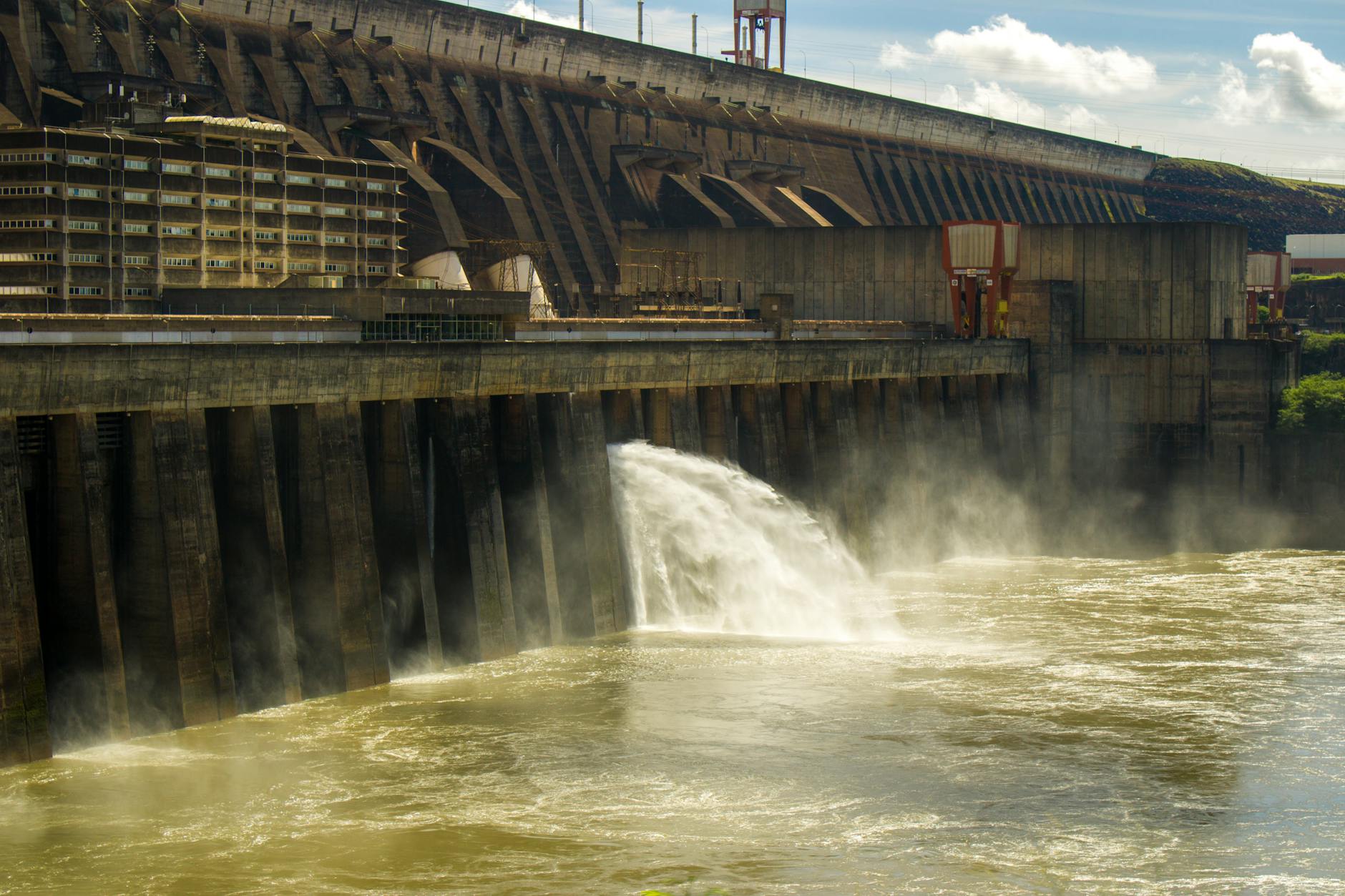
This isn't merely a niche market; it's a foundational element for achieving global energy security and climate goals. The International Hydropower Association (IHA) reported a global hydropower capacity surge of 24.6 GW in 2024, with conventional hydropower contributing 16.2 GW of that total. This expansion underscores the increasing recognition of hydropower's role, not just in large-scale grids but also in empowering remote communities. HydroPower Innovate, by focusing on micro-hydro plants in developing nations, is tapping directly into this high-growth, high-impact segment.
The investment thesis here extends beyond simple kilowatt-hour generation. It encompasses environmental sustainability, social equity, and economic development. Governments worldwide are increasingly supporting sustainable practices and renewable energy, with specific incentives for smaller-scale projects that can reach underserved populations. This regulatory tailwind, combined with technological advancements in turbine efficiency and energy storage, makes the small hydropower sector, and HydroPower Innovate's role within it, particularly compelling for investors seeking both financial returns and positive societal impact.
Consider the sheer scale of the problem: 95% of people in Sub-Saharan Africa and Asia live in electricity poverty, with 80% residing in rural areas. Micro-hydro systems offer a direct, scalable answer to this challenge, providing reliable power where traditional grids are impractical or too costly. This dual benefit of climate mitigation and poverty alleviation positions HydroPower Innovate at the nexus of two of the most pressing global issues, making its expansion strategy not just a business decision, but a strategic move towards a more equitable and sustainable future.
How Do Micro-Hydro Solutions Tackle Energy Poverty and Drive Development?
HydroPower Innovate's focus on micro-hydro power plants directly addresses the critical issue of energy poverty, particularly in remote and rural communities where grid access is a distant dream. These small-scale systems, typically generating up to 100 kilowatts (kW), are transformative catalysts for socio-economic development. They provide reliable, clean electricity, which in turn unlocks a cascade of benefits, from improved education and healthcare to new economic opportunities. This isn't just about lighting homes; it's about powering progress.
Take Nepal, for instance, where approximately 3,300 community-run micro-hydro systems have revolutionized rural electrification. These projects, often supported by government subsidies and international donors, have expanded energy access, bolstering local economies, improving educational outcomes, and enhancing healthcare services. Similarly, in Indonesia, micro-hydropower, often utilizing run-of-river operations, has been instrumental in achieving 99.2% electrification, with capacities reaching up to 3,000 kW. Local farmers and small business owners actively participate in developing and maintaining these systems, fostering a strong sense of ownership and sustainability.
The impact on daily life is profound and immediate. In places like the El Palero community in the Dominican Republic, a micro-hydropower plant, built by residents over a decade, now supplies electricity to 180 households, rural micro-enterprises, a school, a church, and public lighting. This access to power has enabled significant progress despite poor infrastructure and limited resources. Women, in particular, benefit from reduced household chores, allowing for more leisure time and participation in economic activities, as seen in Putsil village where a 3-HP rice mill led to families earning an additional Rs 10,000–12,000 annually.
HydroPower Innovate's strategy aligns perfectly with these proven models. By empowering local communities and providing decentralized energy solutions, the company isn't just selling equipment; it's investing in human potential and local resilience. These systems boast low maintenance costs and impressive longevity, with some plants lasting up to five decades without major replacement parts for 30 years. This long-term reliability makes micro-hydro an ideal, sustainable choice for regions where consistent power is a game-changer, solidifying HydroPower Innovate's role as a key player in global development.
What Are the Market Dynamics and Growth Drivers for Small Hydropower?
The small hydropower market is experiencing a significant tailwind, driven by a confluence of global trends and regional imperatives. This isn't a static sector; it's dynamic, innovative, and rapidly expanding across continents. HydroPower Innovate is operating within a market that is fundamentally reshaped by the increasing global demand for clean energy, the urgent need for climate change mitigation, and a strategic shift towards decentralized power solutions. These factors collectively create a robust growth environment, making the sector attractive for sustained investment.
Geographically, the growth is widespread. The Asia-Pacific region, spearheaded by economic powerhouses like China and India, dominates the market due to vast untapped hydropower potential and supportive government policies. Africa is also accelerating its growth, commissioning 4.5 GW of new hydropower capacity in 2024, more than doubling its development from the previous three years. Even established markets in Europe, particularly Germany, France, and the U.K., are prioritizing sustainability and driving momentum for pumped storage and small hydro. This global embrace underscores the versatility and necessity of hydropower.
Key drivers fueling this expansion include substantial government incentives and supportive policies. The European Union, for instance, allocated €57 million in 2023 for renewable energy projects, including small hydropower, to make installations more financially viable for smaller operators. Beyond subsidies, technological advancements are enhancing efficiency and reducing costs. Innovations in turbine technology, coupled with the integration of smart grid solutions and IoT-enabled remote monitoring, are making small-scale installations more attractive and manageable. HydroPower Innovate's success will hinge on leveraging these advancements to deliver cost-effective and reliable solutions.
Furthermore, the market is seeing a shift towards hybrid systems that integrate small hydropower with other renewable sources like solar and wind. This approach ensures a more continuous power supply, mitigating the risks associated with seasonal water flow variability. The expansion of private sector investments, particularly in emerging markets like Africa and Southeast Asia, is also playing a crucial role. Companies like General Electric and Andritz Hydro are leading project development, demonstrating confidence in the sector's long-term potential. This vibrant ecosystem of policy support, technological innovation, and private capital creates a compelling narrative for HydroPower Innovate's strategic expansion.
What Challenges Must HydroPower Innovate Overcome for Sustainable Growth?
While the small hydropower market presents a compelling growth narrative, HydroPower Innovate must navigate several significant challenges to ensure sustainable expansion and long-term profitability. These hurdles range from substantial upfront capital requirements to complex regulatory landscapes and inherent environmental considerations. A clear-eyed understanding and strategic mitigation of these factors will be crucial for the company's success in developing nations.
One of the most formidable obstacles is the high initial capital investment required for deploying micro-hydro systems, especially in remote rural areas. Despite lower operational and maintenance costs over the long term, the initial outlay for civil works, electromechanical equipment, and electrical infrastructure can be prohibitive. This necessitates innovative financing models, robust government support, and strategic partnerships to de-risk projects and attract investment. HydroPower Innovate will need to master securing funding through a mix of public grants, private equity, and community-based financing to overcome this barrier.
Regulatory fragmentation and complex permitting processes also pose significant setbacks. Differing regulatory frameworks across countries, particularly in regions like Africa, can complicate cross-border projects and increase uncertainties for investors. Navigating undefined water rights, environmental impact assessments, and local compliance requirements demands a sophisticated understanding of regional governance. HydroPower Innovate must invest in strong legal and local engagement teams to streamline approvals and ensure adherence to best practices, such as those outlined by the Hydropower Sustainability Standard.
Environmental concerns, though generally smaller for micro-hydro than large-scale dams, still require careful management. Construction activities can disturb terrestrial and aquatic ecosystems, potentially disrupting river flows and affecting fish mortality. Forest clearing and land modifications can lead to habitat loss and vegetation degradation. HydroPower Innovate must prioritize meticulous site selection, implement protective barriers around sensitive habitats, and adhere to stringent environmental safeguards to minimize ecological impact. This commitment to eco-friendly development is not just ethical; it's essential for gaining community acceptance and regulatory approval, ensuring that projects are truly sustainable in every sense.
Finally, the inherent variability of natural water flows, influenced by seasonal changes and climate change-induced droughts, presents an operational challenge. Ensuring sufficient and consistent water flow is critical for efficiency and reliability. HydroPower Innovate can mitigate this by integrating hybrid energy systems (e.g., with solar), employing advanced control systems, and conducting thorough hydrological studies. Addressing these challenges head-on with robust planning, technological innovation, and strong stakeholder engagement will be paramount for HydroPower Innovate's continued success.
How Can HydroPower Innovate Build Resilience and Community Trust?
Building resilience and fostering community trust are not just ethical considerations for HydroPower Innovate; they are fundamental pillars for the long-term viability and success of its micro-hydro projects. In developing nations, where local populations are directly impacted, genuine engagement and a commitment to climate resilience transform projects from mere infrastructure into shared assets. This approach ensures sustainability, mitigates risks, and creates a powerful social license to operate.
Community involvement, from the initial planning stages through implementation and maintenance, is paramount. As demonstrated by the IBEKA project in Indonesia, strong community governance and participatory development are instrumental in overcoming challenges like poor infrastructure and limited accessibility. When local communities are empowered and involved, they develop a sense of ownership, which is crucial for the long-term upkeep and success of the facilities. HydroPower Innovate must prioritize this participatory approach, ensuring projects are tailored to local needs and build local capacity.
Climate resilience is another non-negotiable aspect. Hydropower projects, while reducing emissions, are themselves exposed to increasing risks from floods, droughts, and other climate-related hazards. HydroPower Innovate must adopt a structured, tiered approach to assessing and managing these climate risks across the entire project lifecycle. This includes understanding climate change issues, conducting detailed assessments, and implementing management strategies at project, corporate, and system levels, aligning with international standards for corporate reporting on climate risks and sustainability.
Furthermore, leveraging modular micro-hydro technologies can significantly enhance resilience and reduce environmental impact. These systems can utilize existing irrigation canals, non-powered dams, and other water infrastructure, bypassing complicated permitting processes and costly new construction. Off-site modularity and prefabrication simplify on-site installation and labor, making deployment faster and less disruptive. This technological adaptability allows HydroPower Innovate to be more agile in diverse geographies and minimize its footprint, further solidifying its commitment to sustainable development.
Ultimately, HydroPower Innovate's ability to thrive will depend on its capacity to integrate these strategies seamlessly. By championing community empowerment, rigorously applying climate resilience best practices, and deploying innovative modular technologies, the company can not only overcome operational challenges but also establish itself as a trusted partner in the global energy transition. This holistic approach ensures that its micro-hydro solutions deliver not just electricity, but also lasting socio-economic benefits and environmental stewardship.
What Does This Mean for Investors in the Sustainable Energy Sector?
For investors looking at the sustainable energy sector, HydroPower Innovate represents a compelling opportunity to participate in a high-growth market with significant social and environmental impact. The small hydropower market's projected 12.4% CAGR from 2026-2033 underscores its robust potential, driven by global decarbonization efforts and the critical need to address energy poverty. This isn't just a feel-good investment; it's a strategic play in a sector poised for substantial expansion.
HydroPower Innovate's focus on micro-hydro in developing nations positions it at the forefront of a movement that delivers tangible benefits, from rural electrification to improved health and education outcomes. The long operational lifespans and relatively low maintenance costs of these systems offer attractive long-term returns, while the increasing global emphasis on ESG (Environmental, Social, and Governance) factors enhances its appeal to a broader investor base. As the world seeks reliable, decentralized energy solutions, HydroPower Innovate's model gains increasing relevance.
The company's ability to navigate regulatory complexities, secure innovative financing, and foster deep community engagement will be key determinants of its success. Investors should look for strong partnerships, a commitment to technological innovation, and a proven track record of sustainable project development. HydroPower Innovate is not just selling power; it's selling progress, making it a noteworthy consideration for those seeking both financial growth and a meaningful contribution to a sustainable future.
Want deeper research on any stock? Try Kavout Pro for AI-powered analysis, smart signals, and more. Already a member? Add credits to run more research.
Related Articles
Category
You may also like


SETM: Critical Minerals Strategy Designed For The Energy Future

Fund-Raising for Forest Restoration Shows Climate Efforts Alive

Renewables in vogue as Iran war drives up Europe power prices
Breaking News
View All →Featured Articles
Top Headlines

Questcorp Mining and Riverside Resources Report High-Grade Gold, Silver and Base Metal Results and Advance Toward Fully Funded Phase 2 Drill Program at La Union, Sonora

Apple Considers Using Intel, Samsung to Build Device Processors

Explainer: Tesla's road to Full Self-Driving approval in Europe

Exclusive: Tesla faces EU skepticism over automated-driving tech, records show