MarketLens

Log in

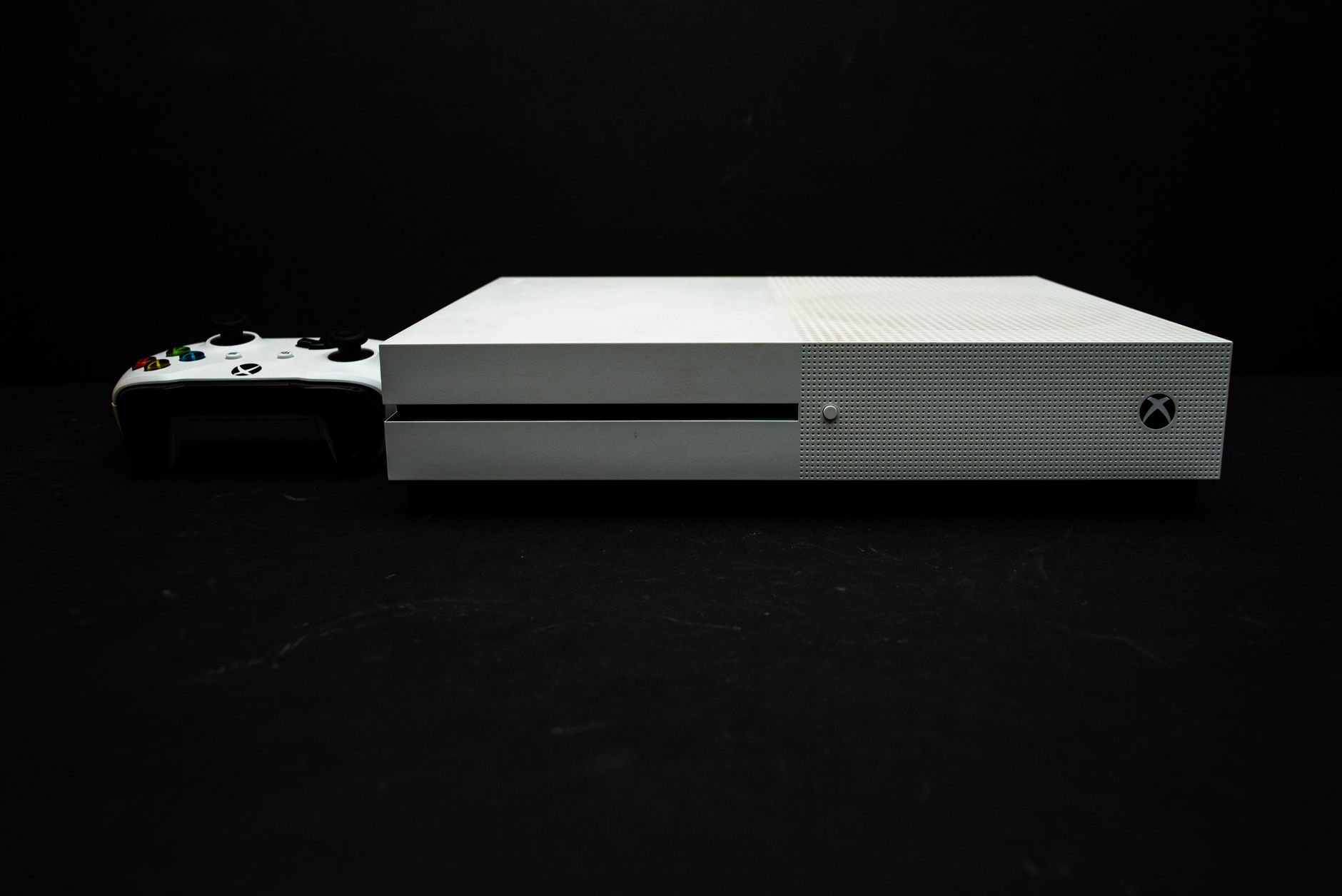
Microsoft's Xbox 'Reset' Exposes a Cracking Foundation in Gaming

2 hours ago
SHARE THIS ON:

Microsoft's Xbox 'Reset' Exposes a Cracking Foundation in Gaming

Key Takeaways

  • Xbox CEO Asha Sharma's declaration of an "unhealthy" gaming business, marked by 3,200 layoffs and studio divestitures, signals a significant strategic pivot for Microsoft's entertainment division.
  • Despite Microsoft's overall robust financial performance driven by AI and cloud, the gaming segment's declining revenue and poor margins highlight a costly misallocation of capital and a failure to achieve expected growth from Game Pass.
  • While Wall Street maintains a strong "Buy" consensus and high price targets for MSFT, the deep restructuring in gaming introduces a new layer of execution risk that investors should monitor closely.

The Gaming Division's Harsh Reality Check

Microsoft Corporation, a titan of the tech world with a $2.87 trillion market capitalization, often appears invincible, especially as its cloud and AI initiatives continue to drive robust growth. Yet, beneath this veneer of consistent success, a significant crack has emerged in its gaming empire. On July 6, 2026, Xbox CEO Asha Sharma delivered a stark message, announcing a sweeping "reset" for the division that includes laying off 3,200 workers over the next fiscal year and divesting up to five studios. This move, which saw 1,600 roles eliminated immediately, sent Microsoft shares down more than 1% to $386.74, a notable dip for a stock that has traded as high as $555.45 in the past year.

Sharma's candid assessment that "Our business today is not healthy" underscores a painful truth for a segment that has seen massive investment but struggled to deliver commensurate returns. This isn't just a minor adjustment; it's the "most significant restructure in XBOX history," as Sharma described it in an internal memo. For investors, the question isn't whether Microsoft can weather this storm—its diversified portfolio and strong balance sheet suggest it can—but what this deep-seated problem in gaming reveals about capital allocation and strategic execution within the broader company. The gaming division's struggles stand in sharp contrast to Microsoft's AI-driven narrative, forcing a re-evaluation of where the company's true strengths and vulnerabilities lie.

The Numbers Behind the Gaming Glitch

Microsoft's latest financial report for the second quarter of fiscal year 2026, ended December 31, 2025, painted a picture of overall strength. The company reported total revenue of $81.3 billion, marking a 17% increase year-over-year. Operating income surged 21% to $38.3 billion, while GAAP net income impressively rose 60% to $38.5 billion, with diluted earnings per share reaching $4.27. These figures largely reflect the continued momentum in Microsoft Cloud and AI services.

However, a closer look at the "More Personal Computing" segment, which houses Xbox, reveals the underlying issues. Revenue in this segment decreased 3% to $14.3 billion. Within gaming, the situation was more pronounced: overall gaming revenue declined 9%, with Xbox content and services revenue specifically falling 5%. This performance lagged behind other areas, such as Search and news advertising, which saw a 10% increase excluding traffic acquisition costs. Despite these segment-specific challenges, Microsoft continued its robust capital return program, distributing $12.7 billion to shareholders in the form of dividends and share repurchases during the quarter, a 32% increase from the prior year. The company also reported significant net gains of $7.6 billion from its investments in OpenAI during the same period, further highlighting the stark contrast between its successful AI bets and its struggling gaming ventures.

MetricQ2 FY26 (Ended Dec 31, 2025)Change YoY (GAAP)
Total Revenue$81.3 billion+17%
Operating Income$38.3 billion+21%
Net Income (GAAP)$38.5 billion+60%
Diluted EPS (GAAP)$4.27
More Personal Computing Revenue$14.3 billion-3%
Gaming Revenue-9%
Xbox Content & Services Revenue-5%
Shareholder Returns$12.7 billion+32%
Net Gains from OpenAI$7.6 billion

The Story Behind the Gaming Reset

The recent layoffs and studio divestitures at Xbox are not merely a response to a single poor quarter but rather a dramatic course correction following years of strategic missteps. Xbox CEO Asha Sharma's internal memo, released on July 6, 2026, laid bare the division's deep-seated problems, stating unequivocally: "Our business today is not healthy." She elaborated that Xbox was "operating at margins that are 3-10x lower than comparable platform and publishing businesses," a critical admission that points to systemic inefficiencies and a lack of profitability.

Sharma highlighted that the division had entered the current console generation with a smaller install base and a higher cost structure than competitors like Sony and Nintendo. The strategy to grow through Game Pass and a broader portfolio of content, including putting first-party games on rival systems, "did not grow at the pace we expected." This led to significant financial drain, with Sharma revealing that "in a typical year, we lost 64 cents for every dollar we invested." Beyond the financial performance, operational bloat was also a key factor. Sharma noted that work within the division often passed through as many as 14 layers of management, and platform teams had grown 40% since the start of the console generation, leading to slowed decisions and blurred accountability. Adding to these internal challenges is an industry-wide "hardware component crisis," with costs for the 2027 holiday season projected to be five times higher than just two years prior, further squeezing already thin margins. This comprehensive "reset" aims to simplify operations, reduce vendor spend by 50%, and refocus on core, large-scale franchises.

Gaming's Costly Expansion and Abrupt Contraction

The "reset" of Xbox is a dramatic reversal of a strategy that saw Microsoft aggressively expand its studio portfolio since 2018, acquiring numerous independent developers in a bid to bolster its content library and Game Pass offerings. This expansion, however, proved unsustainable and inefficient. The recent announcement confirms that 3,200 Xbox workers will be laid off throughout fiscal year 2027, with 1,600 roles eliminated immediately. Furthermore, four studios—Ninja Theory, Undead Labs, Compulsion Games, and Double Fine Productions—will be spun out to become independent entities, retaining their intellectual property. A fifth studio, Arkane Studios, is also reportedly being prepared for sale or spin-off.

This move marks a significant shift from the previous strategy, which, according to Sharma, resulted in the company losing "64 cents for every dollar we invested" in content, platform, and hardware subsidies over the last five years, despite spending over $20 billion. The new focus will be on "larger-scale franchises," such as Halo, Elder Scrolls, and Fallout, and addressing the perceived staleness of Minecraft by having Mojang and King report directly to Sharma. This strategic contraction comes amidst a broader industry downturn, with the video game sector experiencing mass layoffs, totaling an estimated 45,000 jobs lost between 2022 and July 2025. The COVID-19 pandemic fueled an unsustainable surge in demand, leading to over-expansion that the market could not sustain as consumer habits shifted and development costs spiraled. Xbox's restructuring is thus part of a wider industry "reset phase," but its scale within a company as large and diversified as Microsoft is particularly striking.

The AI Narrative vs. Gaming's Reality

Microsoft's current narrative is heavily centered on artificial intelligence, with significant investments and product integrations driving growth across its enterprise and productivity segments. The company's overall financial health, as evidenced by its Q2 FY26 results, largely reflects the success of these AI and cloud initiatives. For instance, the Microsoft 365 Copilot artificial intelligence add-on has already garnered over 15 million paid seats, demonstrating strong adoption and revenue potential from AI-powered productivity tools. The $7.6 billion net gains from OpenAI investments further underscore the strategic importance and financial benefit of its AI bets.

This robust performance in AI and cloud makes the gaming division's struggles even more conspicuous. While Microsoft is pouring resources into AI to secure its future, the Xbox unit has been a drain, operating at significantly lower margins and failing to generate expected returns from its substantial investments. The company's decision to cut 4,800 jobs across the company, including sales and consulting, alongside the Xbox layoffs, indicates a broader cost-control effort aimed at freeing up capital for high-growth areas like AI. This strategic re-prioritization suggests that Microsoft is willing to prune underperforming assets, even large ones like Xbox, to double down on its most promising ventures. The contrast between the vibrant, forward-looking AI narrative and the painful, backward-looking gaming "reset" highlights a crucial tension within Microsoft's diversified portfolio, where not all segments are contributing equally to its future vision.

The Bear Case: Beyond the Gaming Glitch

While Microsoft's overall financial strength and leadership in AI provide a strong foundation, the Xbox "reset" and broader company layoffs introduce several risk vectors that investors should consider. The 3,200 job cuts within Xbox are part of a larger wave of 4,800 total layoffs across Microsoft, representing approximately 2.1% of its global workforce. This follows previous significant reductions, including 6,000 roles in May 2025 and an additional 9,000 employees in July 2025, indicating a pattern of ongoing cost-cutting that extends beyond the gaming division to areas like sales and consulting. Such repeated restructurings, even if aimed at efficiency, can impact employee morale and potentially disrupt other business units.

Furthermore, the gaming industry itself is facing severe headwinds. Xbox CEO Asha Sharma explicitly cited an "industry hardware crisis," with component costs for the 2027 holiday season projected to be five times higher than two years prior. This, combined with a general slowdown in post-pandemic gaming growth and intense competition, suggests that even a "reset" may not guarantee a quick turnaround for Xbox. Beyond gaming, Wall Street analysts have raised concerns that AI, while a growth driver, could eventually replace certain software services, potentially impacting some of Microsoft's core offerings in the long term. The company's stock has already experienced volatility, slumping approximately 19% in the past month, signaling that investors are sensitive to both internal strategic shifts and broader market anxieties. While Microsoft's diversified portfolio offers resilience, the scale and persistence of these challenges warrant careful monitoring.

Analyst View: Consensus Amidst Uncertainty

Despite the significant restructuring within its gaming division, Wall Street analysts largely maintain a bullish outlook on Microsoft. The consensus rating for MSFT is a "Buy," with 66 analysts recommending a Buy and 16 a Hold, out of a total of 82 firms. There are no Sell or Strong Sell ratings, reflecting a strong belief in the company's long-term prospects, particularly its Intelligent Cloud and AI segments.

Analyst price targets for MSFT are robust, with a consensus target of $550.28 and a median target of $550.00. This median target implies a substantial upside of approximately 42.2% from the current price of $386.74. The highest price target stands at $680.00, while the lowest is $400.00, suggesting a wide range of potential outcomes but a generally positive trajectory. Recent rating changes include Stifel maintaining a Hold rating on June 25, 2026, and Cantor Fitzgerald maintaining an Overweight rating on June 4, 2026. Analysts are also projecting strong future earnings, with consensus estimates for fiscal year 2029 EPS at $27.00 and fiscal year 2030 EPS at $33.34, further underpinning the optimistic long-term view despite the current gaming challenges. Microsoft's next earnings report is scheduled for July 29, 2026, which will provide further clarity on its financial performance and strategic direction.

The Verdict: A Strategic Reset with Long-Term Implications

Microsoft's aggressive "reset" of its Xbox division, characterized by substantial layoffs and studio divestitures, is a critical strategic move that underscores the company's commitment to efficiency and profitability, even at the cost of a once-ambitious gaming expansion. While the gaming segment's "unhealthy" margins and declining revenue present a notable crack in Microsoft's otherwise robust growth story, particularly its AI and cloud successes, this decisive action is likely a necessary step to reallocate resources towards higher-return opportunities. The market's initial reaction, a modest dip in share price, suggests that investors are largely confident in Microsoft's ability to manage this transition and that the gaming issues are viewed as contained rather than systemic to the entire enterprise.

For investors, the current price offers an attractive entry point into a company that continues to dominate critical technology sectors. The long-term growth trajectory, fueled by AI and cloud computing, remains compelling.

Entry Zone: Investors could consider accumulating shares in the $380-$390 range, capitalizing on any short-term volatility stemming from the Xbox news. 12-Month Target: Based on the median analyst price target, a 12-month target of $550.00 appears achievable, driven by continued AI adoption and cloud expansion. Invalidation Level: A sustained close below the 52-week low of $349.20 would invalidate this thesis, signaling broader operational or market concerns beyond the gaming division.

Microsoft is not merely cutting costs; it is sharpening its focus, ensuring that every dollar invested contributes meaningfully to its future. This strategic discipline, while painful for the Xbox division, ultimately strengthens the company's long-term investment case.


Want deeper research on any stock? Try Kavout Pro for AI-powered analysis, smart signals, and more. Already a member? Add credits to run more research.

SHARE THIS ON:

Related Articles

Category

You may also like

Stock News6 hours ago

Xbox Laying Off 3,200 and Dropping 4 Studios in 'Reset' of Microsoft's Games Strategy

Xbox laid off 1,600 employees and closed 4 studios in a strategic reset, with another round expected before June 2027 per CEO Asha Sharma.
Stock News1 week ago

Will Gaming Expansion Help Microsoft Anchor the Cloud Reach?

Microsoft's gaming revenue fell as Xbox hardware slumped, but cloud streaming, Game Pass, and new content could strengthen its cloud ecosystem ties.
Stock News2 weeks ago

Microsoft's Xbox Problem Is Bigger Than a Console War

Microsoft’s Xbox strategy pivot signals a shift beyond console hardware, driven by a massive catalyst that forced the issue.
Stock News3 weeks ago

Microsoft CEO Satya Nadella on Xbox: ‘We have to turn this into a sustainable business'

Microsoft CEO Satya Nadella acknowledged the company has subsidized Xbox for years, signaling a strategic shift to prioritize profitability and sustainability for the gaming business.

Breaking News

View All →

Top Headlines

View More →
Stock News1 hour ago

This Semiconductor ETF Is Up 54% This Year and Refuses to Own Intel

Stock News1 hour ago

Alphabet (GOOGL) Exceeds Market Returns: Some Facts to Consider

Stock News1 hour ago

Intel (INTC) Outpaces Stock Market Gains: What You Should Know

Stock News1 hour ago

Will AMD Be a $1 Trillion Company Before 2026 Is Over?

Stock News1 hour ago

Google Expands AI Training to Include User-Uploaded Media via Search Tools