MarketLens

Log in

The AI Power Surge: How Data Center and Utility Stocks are Benefiting from Tech's Growing Energy Demand

4 hours ago
SHARE THIS ON:

Key Takeaways

  • The insatiable electricity demand from AI data centers is fundamentally transforming the utility sector from a defensive play into a robust growth vehicle.
  • Data center infrastructure providers and semiconductor firms are direct beneficiaries, but the physical availability of grid-scale power is now the primary bottleneck for expansion.
  • Investors should prioritize utilities with strong balance sheets and regulatory footing, alongside infrastructure and chip companies that offer innovative power solutions or critical components.

Is AI's Power Demand a Game Changer for the Energy Sector?

Absolutely. The explosive growth of artificial intelligence is fundamentally reshaping electricity demand, turning the energy sector into an unexpected, yet robust, growth frontier. This isn't a fleeting sentiment play; it's a direct response to a fundamental, capital-intensive super-cycle driven by the need to power advanced AI models and the massive data centers that house them.

Consider the scale: U.S. data centers' electricity demand is projected to triple between 2024 and 2030, eventually consuming a staggering 10% of the nation's total power, according to Morningstar forecasts. This acceleration is already visible, with total U.S. electricity consumption rising by 2.3% in 2025, a notable increase directly attributed to data center growth. A single AI-related task can consume up to 1,000 times more electricity than a traditional web search, illustrating the immense computational and energy intensity of this new technological era.

The financial commitment from hyperscalers underscores this shift. Tech giants like Meta, Microsoft, Amazon, and Alphabet are projected to spend an eye-watering $700 billion on AI build-outs in 2026 alone. This investment is fueling a global data center sector expansion projected at a 14% CAGR through 2030, requiring up to $3 trillion in total investment. This structural tailwind, rather than a cyclical peak, presents a multi-year opportunity for companies positioned to supply the necessary power and infrastructure.

This unprecedented demand is creating a new investment landscape where energy availability is paramount. The focus has shifted from computational efficiency to the physical availability of grid-scale power, making "speed to power" the most critical factor for project viability. This dynamic is not just theoretical; it's driving strategic capital allocation decisions, with companies now prioritizing regions with robust energy infrastructure and renewable energy partnerships.

How Are Utilities Capitalizing on the AI Boom?

Utilities, traditionally viewed as defensive assets, are now strategic growth vehicles, directly benefiting from the massive, contracted power needs of AI data centers. The sector's transformation was evident in 2025, when utilities delivered a 16.0% return, outpacing the S&P 500. This rally is not merely speculative; it's underpinned by concrete demand data, strategic partnerships, and clear capital investment plans.

The AI growth thesis for utilities is robust. It's supported by the multi-year build-out of physical infrastructure, creating a sustained need for utility capital investment. This often translates into higher earnings for regulated utilities, as they can secure rate increases from regulators to cover these investments. For instance, the collaboration model, exemplified by Entergy building power plants to support a massive AI data center development by Meta Platforms, provides a tangible link between utility investment and contracted power needs.

However, the sector is bifurcated. While regulated utilities offer relative stability, independent power producers (IPPs) like NRG Energy have seen explosive growth, posting a 94.81% gain in 2025. This highlights a higher-growth, higher-risk frontier tied directly to AI spending. For institutional investors, this demands a nuanced, quality-focused approach, prioritizing utilities with strong balance sheets and regulatory footing to manage both the AI build-out and operational risks.

Companies like Ameren Corporation (AEE) and CenterPoint Energy (CNP) are well-positioned to capitalize on this trend. Ameren, currently trading at $110.97 with a market cap of $30.02 billion, operates in a regulated environment that allows for capital recovery on infrastructure investments. CenterPoint, at $42.52 with a market cap of $27.76 billion, also benefits from a stable, regulated utility model. Both are critical players in regional grids that will feel the direct impact of increased data center demand, offering investors exposure to the foundational energy supply for the AI revolution.

What Does the Data Center Infrastructure Build-Out Mean for Tech?

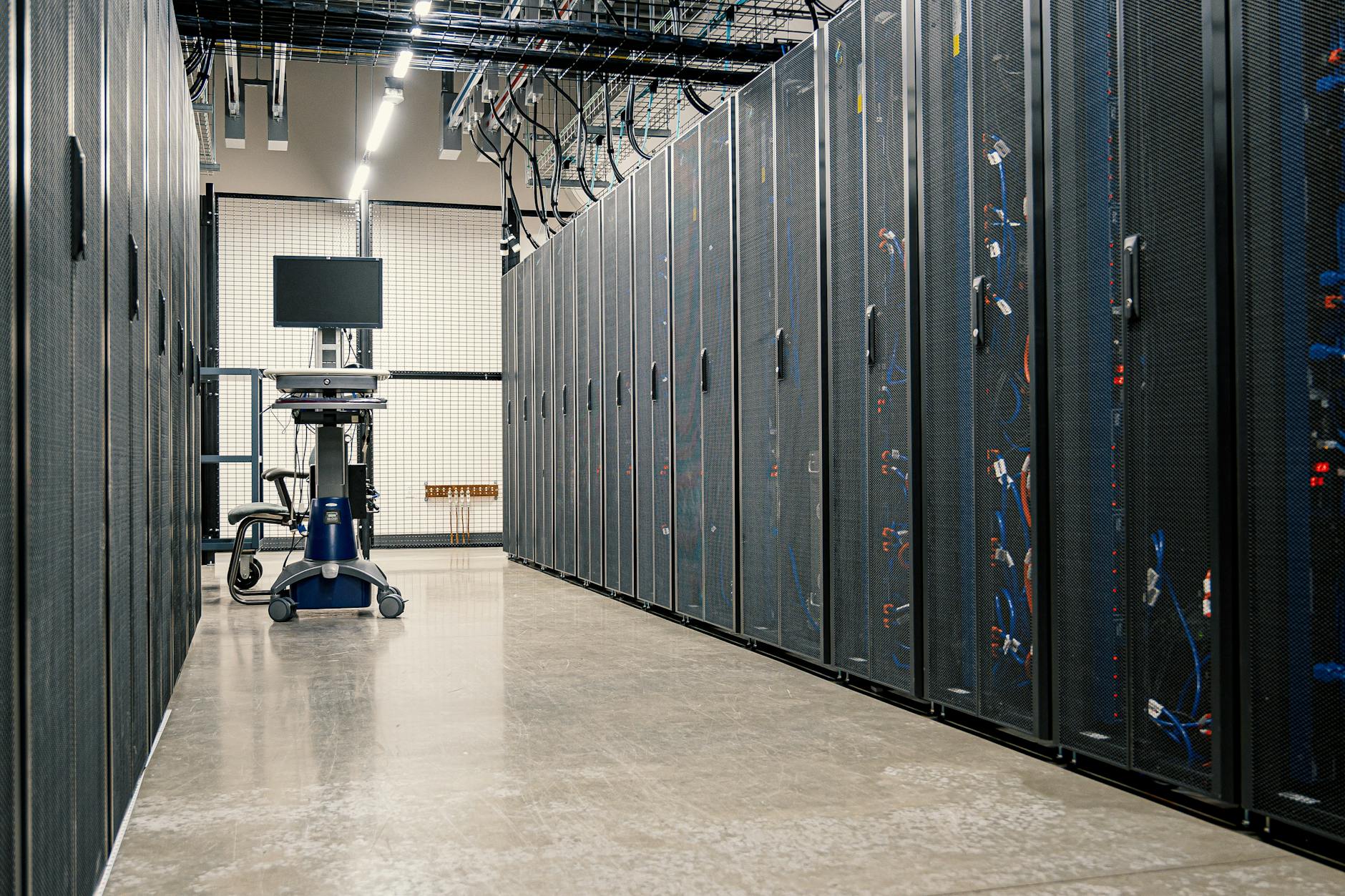
The unprecedented build-out of AI data center infrastructure presents a monumental opportunity for technology companies, particularly those involved in semiconductors, networking, and specialized cooling solutions. The sheer scale of investment is staggering, with roughly 100 GW of new data centers anticipated to come online between 2026 and 2030, equating to $1.2 trillion in real estate asset value creation, plus an additional $1 to $2 trillion for IT equipment fit-out.

This demand translates directly into a boom for semiconductor manufacturers. Micron Technology (MU), a leader in memory and storage solutions, is a prime beneficiary. Trading at $411.66 with a market cap of $463.33 billion, Micron's products are indispensable for high-performance computing required by AI. The company's TTM financials show impressive growth, with FY2025 revenue up 48.9% and net income soaring by 997.6%, reflecting the surging demand for its components in AI servers. Its P/E ratio of 38.89 and P/S of 10.95 indicate significant market confidence in its future growth trajectory.

Beyond chips, the physical construction and outfitting of these facilities are critical. Comfort Systems USA, Inc. (FIX), an HVAC and mechanical services provider, stands to gain significantly. Currently priced at $1337.95 with a market cap of $47.19 billion, Comfort Systems is at the forefront of designing and installing the complex cooling systems essential for high-density AI data centers. A single AI-focused hyperscaler can consume as much electricity as 100,000 households, with cooling systems drawing millions of gallons of water per day, making efficient thermal management paramount. The company's stock has seen remarkable performance, with its current price near its 52-week high of $1399.00, reflecting strong market sentiment for its role in this infrastructure supercycle.

Hyperscalers like Meta Platforms (META) are not just consumers but also massive investors in this infrastructure. Meta's commitment of over $10 billion for an AI-optimized data center campus in Louisiana highlights the direct investment by tech giants. Trading at $639.77 with a market cap of $1.61 trillion, Meta's own build-outs drive demand for all the underlying components and services, creating a virtuous cycle for the entire ecosystem. The company's TTM revenue growth of 22.2% and impressive gross margin of 82.0% underscore its strong position to continue investing in and benefiting from AI infrastructure.

What Are the Key Risks and Regulatory Headwinds?

While the AI-driven energy demand presents immense opportunities, it also introduces significant risks and regulatory headwinds that investors cannot ignore. The primary concern is the physical availability of grid-scale power, which has emerged as the leading commercial risk for AI data center expansion. Regional electricity grids were simply not designed for such concentrated, high-magnitude loads, leading to potential power shortages that Gartner predicts could restrict 40% of AI data centers by 2027.

This grid strain has tangible consequences. In some areas, new AI data center clusters are pushing local power grids to their operational limits, turning "speed to power" into the most critical factor for project viability. This has led to project delays and forced companies to explore alternative solutions like behind-the-meter generation, integrated battery storage, and even small modular reactors. The average wait time for a grid connection in primary data center markets now exceeds four years, highlighting the severity of the bottleneck.

Beyond operational challenges, regulatory and political pressures are mounting. The rapid expansion of data centers is driving up electricity bills for everyday Americans, making it a hot-button election issue. Goldman Sachs predicts higher electricity prices will boost core inflation by 0.1% in both 2026 and 2027, with lower-income households disproportionately affected. Politicians, including former President Trump, are calling for tech giants to "pay their own way" for the electricity required by AI, rather than shifting costs to consumers.

New legislative efforts, such as the Guaranteeing Rate Insulation From Data Centers (GRID) Act, aim to prevent data-center-related price increases from affecting consumers' utility bills and prioritize grid access for non-data center users. This regulatory uncertainty creates an overhang for utilities, particularly those with concentrated geographic exposure to data center hubs. Furthermore, the sector faces physical operational risks from extreme weather events, like Winter Storm Fern, which can trigger emergencies, disrupt cash flows, and lead to costly damages and public scrutiny over outage management.

How Can Investors Navigate This Evolving Landscape?

Navigating the AI-driven energy landscape requires a selective and quality-focused approach, balancing the immense growth potential with the emerging operational and regulatory risks. For utilities, the focus should be on companies with diversified portfolios, strong balance sheets, and a proven ability to manage both the AI build-out and the inherent operational risks.

Look for utilities that are actively engaged in strategic partnerships with hyperscalers, demonstrating a clear path to contracted power needs and capital recovery. Companies like Ameren (AEE) and CenterPoint Energy (CNP), with their stable, regulated business models, offer a degree of predictability in earnings visibility, especially as they invest in grid modernization and capacity expansion. Ameren's current price of $110.97 and CenterPoint's $42.52 reflect their established positions, but investors must monitor their capital expenditure plans and regulatory rate case outcomes closely.

In the technology and infrastructure space, the "picks and shovels" plays remain compelling. Micron Technology (MU) is a critical enabler of AI, with its memory solutions directly benefiting from the increasing power density in data centers. Its strong TTM revenue growth of 48.9% and robust returns on equity (22.4%) and assets (13.9%) underscore its market leadership. Comfort Systems USA (FIX), trading at $1337.95, is another essential player, providing the specialized HVAC systems crucial for managing the intense heat generated by AI servers. Its near 52-week high reflects strong demand for its services.

However, investors must also consider the broader implications. The shift towards "speed to power" means that companies offering innovative energy solutions, such as advanced battery storage or behind-the-meter generation, could see significant upside. The market is fragmenting, with future data center growth likely concentrating in regions with independent or dedicated power solutions. This trend could favor companies that can provide these localized, resilient power sources, mitigating grid constraints.

The AI-energy nexus is a multi-decade supercycle, but it's not without its complexities. A diversified portfolio approach, combining stable, well-managed utilities with key technology and infrastructure providers, while closely monitoring regulatory developments and energy supply innovations, will be crucial for long-term success.

The AI-driven energy revolution is here, demanding a strategic re-evaluation of traditional investment paradigms. Companies that can effectively bridge the gap between insatiable AI demand and reliable power supply will be the clear winners in this transformative era. Investors who understand these dynamics and select quality assets are poised for sustained growth.

Invest Smarter with Kavout Pro

Trusted by investors, traders, advisors and portfolio managers.

  • AI Research Agents — 8 AI analysts working 24/7. Get institutional-grade research on stocks, crypto, forex, and ETFs in seconds.
  • AI Stock Picker — Discover your next winning stocks with AI-powered rankings across 20+ global exchanges.
  • Smart Money — See what insiders, analysts, Congress members, and billionaire investors are buying — in real time.
  • Smart Signals — Spot high-probability trade setups others miss with powerful AI scanning technology.
  • Portfolio Toolbox — Build direct-index portfolios, analyze factor exposures, and optimize for maximum Sharpe ratio.

Subscribe to Kavout Pro today — stop guessing, start investing with an edge.

SHARE THIS ON:

Related Articles

Category

You may also like

No related articles available

Breaking News

View All →

No topics available at the moment