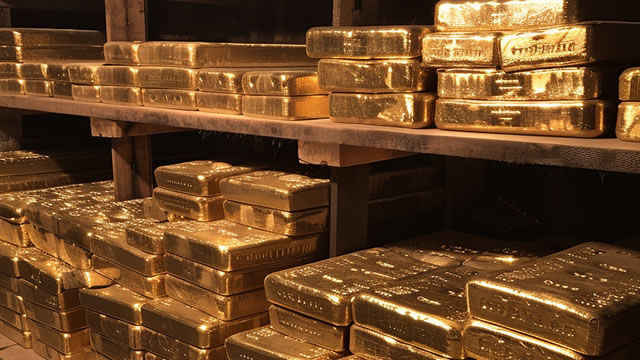
Central Bank Gold Buying Trends in 2024
Recent Purchases and Trends
In April 2024, central bank gold buying saw a notable rebound, with net purchases totaling 33 tonnes (t). This marked a significant increase from the revised net purchases of 3t in March and was comparable to the 27t bought in February. The Central Bank of Turkey, National Bank of Kazakhstan, and Reserve Bank of India were among the prominent buyers, contributing to the broad-based demand.
Emerging market central banks have been particularly active in gold purchases. For instance, the Central Bank of Turkey alone has accumulated 38t of gold year-to-date (y-t-d) in 2024. This trend underscores the strategic importance of gold for these institutions, especially in the face of economic uncertainties and currency volatility.
Historical Context and Record Purchases
The trend of central bank gold buying is not new but has gained momentum in recent years. In 2022, central banks purchased a record 1,136 tonnes of gold, followed by 1,037 tonnes in 2023. These figures highlight the sustained interest in gold as a reserve asset, driven by factors such as geopolitical tensions, inflation concerns, and the desire to diversify away from the US dollar.
According to the World Gold Council’s 2024 Central Bank Gold Reserves survey, 29% of respondents plan to increase their gold reserves in the next 12 months, the highest level since the survey began in 2018. This indicates a strong forward-looking demand for gold among central banks, which could have significant implications for the gold market and investors.
Factors Driving Central Bank Gold Purchases
Macroeconomic and Geopolitical Concerns
Central banks’ increased gold purchases are largely driven by macroeconomic and geopolitical concerns. The ongoing geopolitical tensions, particularly involving major economies like the US, China, and Russia, have heightened the need for safe-haven assets. Gold, with its historical role as a store of value, has become an attractive option for central banks looking to mitigate risks associated with their foreign exchange reserves.
Inflation is another critical factor. With global inflation rates remaining elevated, central banks are turning to gold to hedge against the eroding value of fiat currencies. The resilience of gold prices during periods of high inflation further reinforces its appeal as a strategic asset.
Diversification and Reserve Management
Diversification of reserves is a key strategy for central banks. By increasing their gold holdings, central banks aim to reduce their reliance on the US dollar and other major currencies. This is particularly relevant for emerging market economies, which face higher risks of currency depreciation and economic instability.
For example, China and Russia have been significant buyers of gold, with China adding over 300 tonnes since October
- These purchases are part of broader efforts to diversify their reserves and reduce exposure to US dollar-denominated assets, which are perceived to carry higher geopolitical risks.
Implications for Gold Prices
Demand and Supply Dynamics
The sustained demand for gold from central banks has a direct impact on the supply-demand dynamics of the gold market. Central banks are significant players, and their purchases can absorb a substantial portion of the annual gold supply. This increased demand can put upward pressure on gold prices, benefiting investors who hold gold or gold-related assets.
In Q1 2024, total gold demand increased by 3% year-over-year (y/y) to 1,238 tonnes, marking the strongest first quarter since 2016. Central bank purchases accounted for a significant portion of this demand, highlighting their influence on the market.
Price Resilience and Volatility
The strong purchase momentum from central banks has been acknowledged as a main driver of gold price resilience, even during periods of rising real yields. This resilience makes gold an attractive investment option for those seeking stability and protection against market volatility.
However, it is essential to note that the gold market can still experience significant price fluctuations. Factors such as changes in monetary policy, economic data releases, and geopolitical developments can all influence gold prices. Investors should be prepared for potential volatility and consider gold as part of a diversified investment strategy.
Investment Strategies and Considerations
Portfolio Diversification
For investors, the increasing demand for gold from central banks underscores the importance of including gold in their investment portfolios. Gold is often seen as a “safe haven” asset that can provide diversification benefits, particularly during periods of economic uncertainty and market turbulence.
Retail investors can gain exposure to gold through various instruments, including physically-backed gold ETFs, futures markets, options, and structured notes. Institutional investors, such as pension funds and foundations, may prefer to hold physical gold as a long-term investment.
Risk Management
While gold can offer protection against inflation and currency depreciation, it is not without risks. The price of gold can be volatile, and its performance may not always align with other asset classes. Investors should carefully consider their financial goals, risk tolerance, and investment horizon before adding gold to their portfolios.
It is also crucial to stay informed about central bank gold buying trends and other market developments. Regularly monitoring reports from the World Gold Council and other reputable sources can provide valuable insights into the factors driving gold demand and prices.
Conclusion
Central bank gold buying trends have significant implications for investors, influencing both demand and price dynamics in the gold market. The sustained interest in gold from central banks, driven by macroeconomic and geopolitical concerns, highlights the strategic importance of this precious metal as a reserve asset.
For investors, the robust demand from central banks can provide support for gold prices, making it an attractive option for portfolio diversification and risk management. However, it is essential to be aware of the potential volatility in the gold market and to consider gold as part of a well-diversified investment strategy.
By staying informed about central bank gold buying trends and other market developments, investors can make more informed decisions and better navigate the complexities of the gold market. As the global economic landscape continues to evolve, gold is likely to remain a critical component of central bank reserves and a valuable asset for investors seeking stability and protection against uncertainty.