MarketLens
What Does a Chief Credit Officer Transition Mean for USCB

Key Takeaways
- USCB Financial Holdings (USCB) is navigating a pivotal leadership transition in its critical Chief Credit Officer role, with William "Bill" Turner's recent retirement and the appointment of Sergio Garrido, signaling a potential shift in the bank's lending philosophy.
- Turner's tenure, marked by robust asset quality and a diversified loan portfolio, established a strong foundation, with non-performing loans at a low 0.06% of total loans as of Q3 2025.
- Garrido's background and strategic vision will be crucial in maintaining USCB's strong credit performance amidst a dynamic South Florida market and evolving interest rate environment, impacting the bank's $334.4 million market capitalization.
What Does a Chief Credit Officer Transition Mean for USCB?
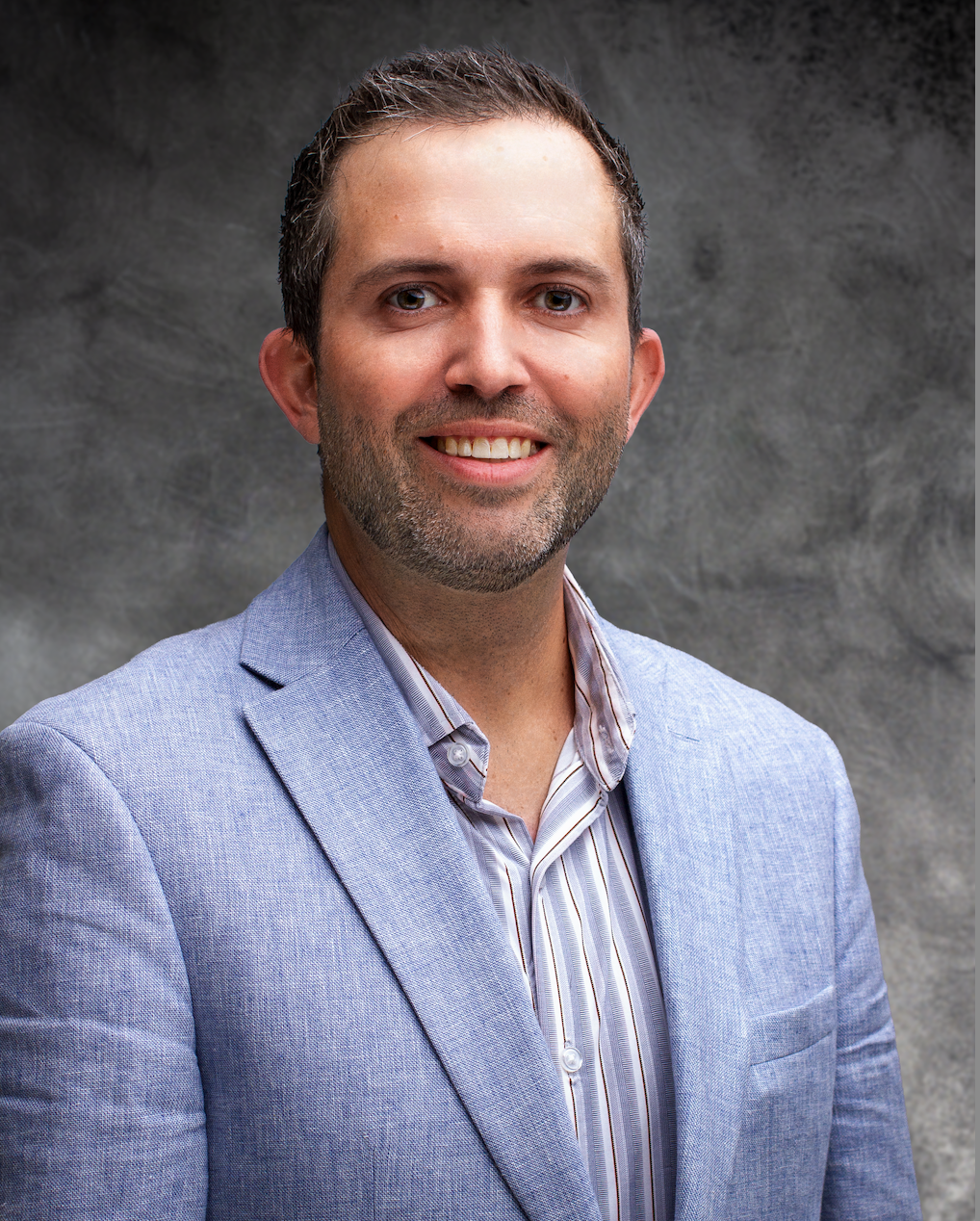
The recent leadership change in the Chief Credit Officer (CCO) role at USCB Financial Holdings (USCB) marks a significant juncture for the Miami-based regional bank. William "Bill" Turner, a veteran with over 35 years of credit experience, has retired from his post as Executive Vice President and Chief Credit Officer, a position he assumed in December 2023, succeeding Benigno Pazos. His departure opens the door for Sergio Garrido, whose appointment will inevitably shape USCB's future lending strategy and risk management framework, particularly as the bank operates in the dynamic South Florida market. This transition is not merely a personnel change; it represents a potential evolution in how USCB manages its $2.1 billion loan portfolio and navigates economic cycles.
Turner's impact on USCB's credit quality was evident during his tenure. For instance, in the Q3 2025 earnings call, he reported an Allowance for Credit Losses (ACL) of $25 million, representing an adequate 1.17% of the portfolio, with no significant losses expected in Q4 2025. This disciplined approach contributed to USCB's consistent financial performance, including a record fully diluted earnings per share of $0.45 in Q3 2025. The bank's non-performing loans (NPLs) stood at a remarkably low 0.06% of the loan portfolio, or $1.3 million, in Q3 2025, a significant improvement from 0.14% in Q3 2024. These metrics underscore the strong foundation Turner helped to solidify, emphasizing prudent risk management even amidst growth.
The CCO role is paramount for a regional bank like USCB, which primarily serves small-to-medium sized businesses in a specific geographic region. This executive is responsible for overseeing all credit functions, providing strategic direction, and guiding policies and procedures to maintain excellent credit quality. With USCB's loan portfolio heavily weighted towards commercial real estate (57% in Q3 2025), the CCO's expertise in managing these assets, particularly in a fluctuating interest rate environment, is critical. The weighted average loan-to-values for USCB's commercial real estate portfolio were reported at less than 60% in Q3 2025, with adequate debt service coverage ratios, indicating a conservative lending posture that Garrido will now inherit and potentially adapt.
How Did William Turner Shape USCB's Credit Profile?
William "Bill" Turner's tenure as Chief Credit Officer at U.S. Century Bank, though relatively brief, was marked by a steadfast commitment to maintaining a high-quality loan portfolio and disciplined risk management. Appointed in December 2023, Turner brought over 35 years of credit experience, having previously served as CCO at Interamerican Bank and Apollo Bank, and as a national bank examiner for the Office of the Comptroller of the Currency (OCC). This extensive background instilled a conservative yet effective approach to credit, which was clearly reflected in the bank's financial results through late 2025 and early 2026. His leadership was instrumental in navigating a period of economic uncertainty and evolving interest rate dynamics, ensuring the bank's loan book remained robust.
Under Turner's guidance, USCB demonstrated impressive asset quality metrics. During the Q2 2025 earnings call, he highlighted that the Allowance for Credit Losses (ACL) increased to $24.9 million, representing an adequate 1.18% of the portfolio. This increase was primarily driven by $77 million in net loan growth during the quarter, rather than deteriorating asset quality. Furthermore, non-performing loans (NPLs) decreased to $1.4 million, or 0.06% of the total portfolio, indicating strong credit performance. This figure remained consistent through Q3 2025, underscoring the stability and effectiveness of the credit policies in place. Such low NPL ratios are a testament to rigorous underwriting and proactive risk mitigation strategies implemented under his oversight.
Turner's influence extended to the diversification and quality of the loan portfolio itself. While commercial real estate (CRE) remained a significant component, representing 57% of the portfolio in Q3 2025, USCB also expanded its non-CRE loan segments, which accounted for 42% of total loans. This diversification strategy, coupled with stringent loan-to-value (LTV) ratios below 60% for CRE and adequate debt service coverage ratios, minimized concentration risk and bolstered the portfolio's resilience. The bank's past due ratio was also kept low at 0.38% in Q3 2025, further illustrating the strong payment performance across all loan segments. These metrics, consistently reported during earnings calls where Turner participated alongside CEO Luis de la Aguilera and CFO Robert Anderson, painted a picture of a well-managed and high-quality loan book.
What Are the Implications of Sergio Garrido's Appointment?
The appointment of Sergio Garrido as the new Chief Credit Officer at USCB Financial Holdings carries significant implications for the bank's future trajectory, particularly in how it balances growth with risk. While specific details about Garrido's background and prior roles are not provided in the immediate context, the transition from a seasoned veteran like William Turner suggests that USCB's board and CEO Luis de la Aguilera are looking for continuity in strong credit management, possibly with a fresh perspective on evolving market conditions. Garrido will inherit a loan portfolio that, under Turner, exhibited exceptional quality, with non-performing loans at a mere 0.06% as of Q3 2025. His immediate challenge will be to maintain this high standard while potentially adapting to new lending opportunities or macroeconomic shifts.
One key area Garrido will likely focus on is the continued diversification of USCB's loan portfolio. While commercial real estate (CRE) currently constitutes 57% of the bank's $2.1 billion loan book, the previous management had already made strides in expanding non-CRE segments to 42% by Q3 2025. Garrido might explore further avenues for growth in areas like commercial and industrial (C&I) loans or other specialized lending, which could help mitigate concentration risk in the event of a downturn in the South Florida real estate market. This strategic diversification would require careful calibration, ensuring that new loan production maintains the high yield of 6.43% seen in Q3 2025, which was 22 basis points above the portfolio average.
Furthermore, Garrido's leadership will be crucial in navigating the current interest rate environment. USCB's balance sheet was described as "liability-sensitive" for year 1 and transitioning to "almost neutral" for year 2 in the Q2 2025 earnings call. This means that if interest rates decline, the bank could reprice its funding sources more quickly than its assets, potentially boosting its net interest margin (NIM), which improved to 3.28% in Q2 2025. Garrido's credit policies will need to align with this asset-liability management strategy, ensuring that new loans are underwritten with appropriate risk-adjusted returns and that the bank remains well-positioned to capture widening spreads as the yield curve normalizes. His decisions will directly influence USCB's profitability and ability to deliver on its commitment to shareholders, especially given the bank's recent share repurchase of 2 million shares at an average price of $17.19 in Q3 2025.
How Does USCB's Strong Asset Quality Support Future Growth?
USCB Financial Holdings' consistently strong asset quality, a hallmark of William Turner's tenure, provides a robust foundation for future growth initiatives under the new Chief Credit Officer, Sergio Garrido. With non-performing loans (NPLs) at a remarkably low 0.06% of the total loan portfolio as of Q3 2025, the bank demonstrates exceptional risk management and underwriting discipline. This low NPL ratio, significantly down from 0.14% in Q3 2024, means that a minimal portion of USCB's $2.1 billion loan book is impaired, freeing up capital and resources that might otherwise be allocated to managing problem assets. This operational efficiency directly contributes to the bank's profitability, which saw net income rise to $8.9 million in Q3 2025, up 29% year-over-year.
The allowance for credit losses (ACL) of $25 million, representing 1.17% of total loans in Q3 2025, further underscores USCB's conservative approach. This adequate reserve provides a buffer against potential future losses, even as the bank pursues loan growth. In Q3 2025, a modest provision of $31,000 was added to the ACL, primarily driven by $18 million in net loan growth, rather than a deterioration in credit quality. This ability to grow its loan book by 10.3% year-over-year (from $1.9 billion in Q3 2024 to $2.1 billion in Q3 2025) while maintaining pristine asset quality is a significant competitive advantage. It allows USCB to confidently deploy capital into new lending opportunities without undue concern for credit-related setbacks.
Moreover, the quality of USCB's loan portfolio, particularly its commercial real estate (CRE) segment, is a key strength. With 57% of the portfolio in CRE, the bank has maintained weighted average loan-to-values below 60% and adequate debt service coverage ratios across all segments. This conservative collateralization and strong borrower repayment capacity reduce the inherent risk associated with real estate lending. The diversification of the loan book, with 42% of loans being non-CRE by Q3 2025, also enhances resilience. This strong asset quality profile not only supports USCB's ability to attract high-quality borrowers but also provides flexibility in its funding strategy, as evidenced by the successful $40 million subordinated debt issuance in Q3 2025, which provided capital for balance sheet leverage and share repurchases.
What Are the Key Risks and Opportunities for USCB?
While USCB Financial Holdings boasts strong asset quality and a robust growth trajectory, several key risks and opportunities warrant close attention from investors, especially with Sergio Garrido now at the helm as Chief Credit Officer. On the risk side, the bank's significant exposure to commercial real estate (CRE), which comprised 57% of its loan portfolio in Q3 2025, remains a primary concern. Although USCB has mitigated this with low loan-to-value ratios (below 60%) and strong debt service coverage, a prolonged downturn in the South Florida real estate market, perhaps triggered by higher interest rates or an economic slowdown, could pressure asset quality. The Federal Reserve's future interest rate decisions, particularly any unexpected hikes, could increase borrowing costs for CRE developers and property owners, potentially impacting repayment capacity.
Another risk factor is the competitive landscape in the Miami-Dade MSA. While USCB is one of the largest community banks headquartered in Miami, with $2.1 billion in local deposits across 10 branches as of Q2 2025, it operates alongside larger national and regional players. Intense competition for deposits could drive up funding costs, potentially compressing the bank's net interest margin (NIM), which stood at 3.28% in Q2 2025. Furthermore, the bank's employee count jumped from 199 in 2024 to 500 in 2025, a significant increase that could lead to higher operating expenses if not managed efficiently. Q4 2025 revenue of $18 million represented a -15.33% decrease year-over-year, indicating potential revenue pressures that Garrido will need to navigate through prudent lending.
Conversely, USCB is well-positioned to capitalize on several opportunities. The continued economic growth and diversification in South Florida, driven by financial services, trade, healthcare, and technology, present a fertile ground for high-quality loan and deposit opportunities. CEO Luis de la Aguilera highlighted in Q3 2025 that Florida's strength is USCB's strength, with growth in middle-market business, real estate development, and professional services. The bank's "liability-sensitive" balance sheet in the near term could also be an advantage if rate cuts occur, allowing funding sources to reprice faster than assets and boosting the NIM. Additionally, USCB's strong 5-Star rating from BauerFinancial, a leading independent bank rating firm, enhances its reputation and ability to attract new clients and deposits, particularly from its deposit-focused verticals like association banking.
What Does This Mean for USCB Investors?
For investors in USCB Financial Holdings, the transition in the Chief Credit Officer role, from William Turner to Sergio Garrido, alongside the bank's established financial performance, presents a nuanced picture. USCB shares are currently trading at $18.31, down 1.24% on June 1, 2026, with a market capitalization of $334.4 million. The stock has traded within a 52-week range of $15.56 to $20.79, suggesting some volatility but also a floor of support. The company's consistent profitability, with record fully diluted earnings per share of $0.45 in Q3 2025 and $0.40 in Q2 2025, indicates a healthy underlying business that has effectively managed risk under previous leadership.
The key for investors will be to monitor Garrido's initial strategic moves and how they align with USCB's historical emphasis on asset quality and disciplined growth. The bank's low non-performing loan ratio of 0.06% and adequate allowance for credit losses of 1.17% provide a strong starting point, but any deviation from this conservative approach could impact investor confidence. Insider selling activity, with 7 sales and 0 purchases in the past six months, including CEO Luis de la Aguilera selling 10,000 shares for an estimated $180,200, might raise questions about executive sentiment, though such sales can be for personal financial planning.
On the institutional side, Q4 2025 saw 48 institutional investors add USCB shares, while 26 decreased their positions. Notable moves include T. Rowe Price Investment Management removing 1.2 million shares and North Reef Capital Management adding 123,741 shares. This mixed sentiment suggests that while some large funds are de-risking, others see value. USCB's recent $40 million subordinated debt issuance and 2 million share repurchase at $17.19 per share in Q3 2025 demonstrate management's confidence in the stock's intrinsic value and commitment to returning capital to shareholders. Investors should look for continued strong earnings reports, particularly Q2 2026 results, and listen for Garrido's insights on future credit strategy during upcoming earnings calls, which will provide further clarity on the bank's direction.
USCB Financial Holdings stands at an interesting crossroads, balancing a legacy of strong credit performance with new leadership in a critical role. The bank's solid asset quality and strategic positioning in the growing South Florida market offer a compelling narrative, but investors must remain vigilant regarding competitive pressures and the evolving interest rate environment. The success of Sergio Garrido in maintaining USCB's low-risk profile while fostering sustainable growth will be paramount to unlocking further shareholder value.
Want deeper research on any stock? Try Kavout Pro for AI-powered analysis, smart signals, and more. Already a member? Add credits to run more research.
Related Articles
Category
You may also like


MCBANK Expands Leadership and Connectivity in Acadiana

FVCBankcorp, Inc. (FVCB) Shareholder/Analyst Call Prepared Remarks Transcript

CCC Intelligent Solutions Announces Chief Financial Officer Transition
Breaking News
View All →Featured Articles
Top Headlines

NVIDIA Unveils RTX Spark: A Closer Look

Google Fights Impersonation Scams With Fake-Call Detection Tech

Alibaba's Qwen3.7-Plus supports text, video and imagery inputs at low cost of $0.4/$1.6 per 1M token — but it's proprietary

Stock Market Today, June 2: Marvell Technology Surges After Nvidia CEO Highlights AI Infrastructure Role