MarketLens

Log in

What Does Boeing's $30 Billion Vietnamese Order Mean for Its Commercial Business

3 days ago
SHARE THIS ON:

What Does Boeing's $30 Billion Vietnamese Order Mean for Its Commercial Business

Key Takeaways

  • Boeing's recent $30 billion order for nearly 100 jets from Vietnamese carriers significantly bolsters its commercial backlog and signals a strong rebound in demand, particularly for wide-body aircraft.
  • Despite robust order momentum and improving production rates, Boeing faces ongoing execution risks related to supply chain stability, certification timelines for new variants, and intense competition from Airbus.
  • Investors should watch for sustained free cash flow generation and successful integration of Spirit AeroSystems as key indicators of Boeing's long-term financial health and ability to capitalize on its massive order book.

What Does Boeing's $30 Billion Vietnamese Order Mean for Its Commercial Business?

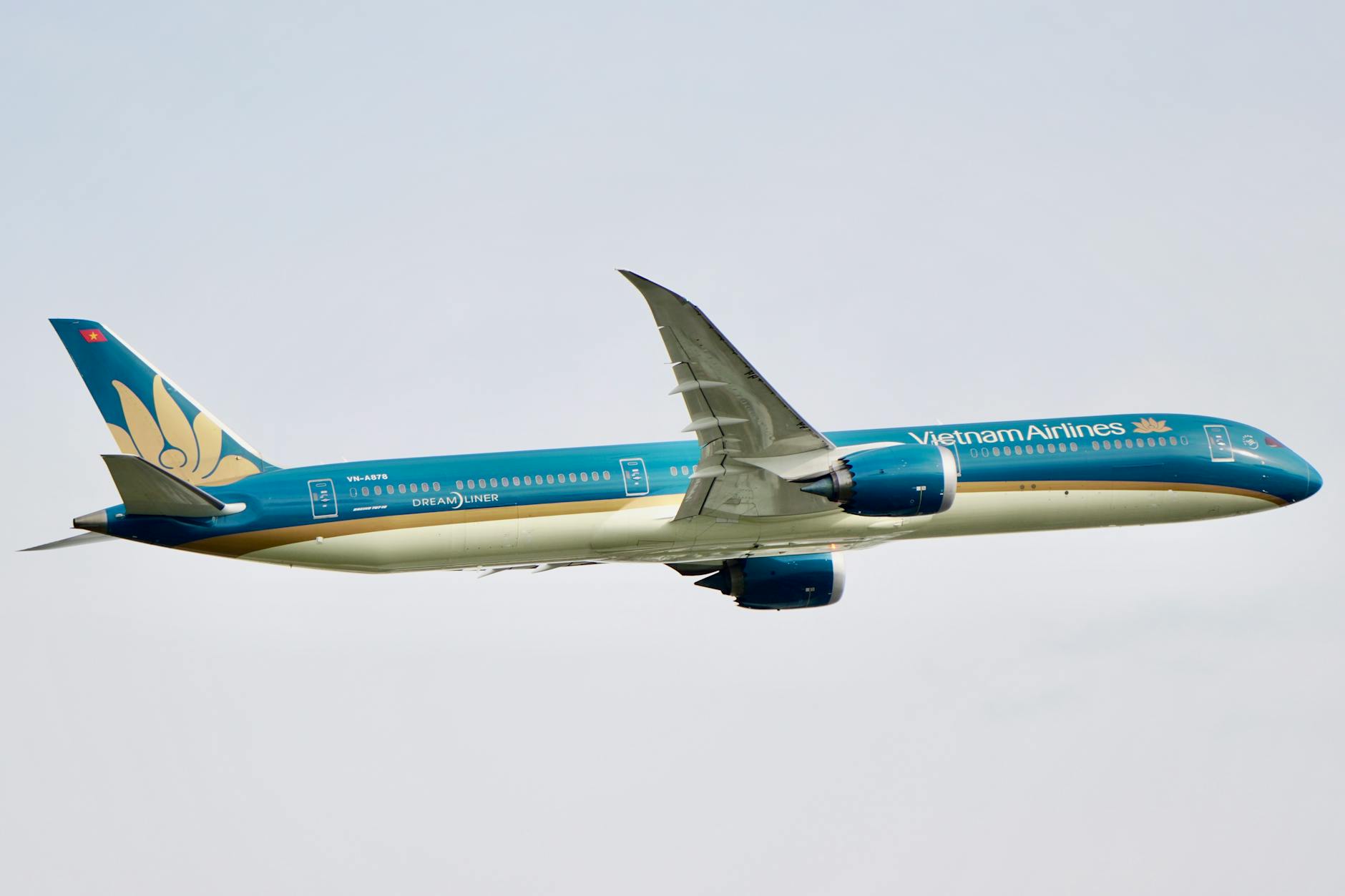
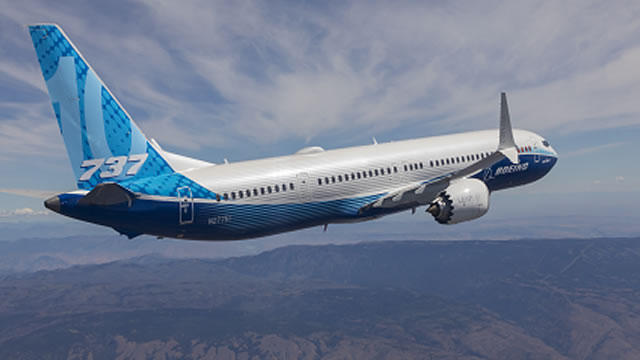
Boeing (NYSE: BA) recently secured a monumental $30 billion order for nearly 100 jets from Vietnamese carriers, a deal that profoundly impacts its commercial aircraft division and underscores a significant shift in global aviation demand. This massive influx of orders, announced during a high-level U.S.-Vietnam trade meeting, includes up to 40 787-9 Dreamliners for Sun PhuQuoc Airways, valued at $22.5 billion, and 50 737 MAX jets for Vietnam Airlines, worth around $8.1 billion. Such a substantial commitment, especially for wide-body aircraft, is a powerful endorsement of Boeing's product line and its strategic positioning in rapidly growing Asian markets.

The Sun PhuQuoc Airways deal marks the largest wide-body aircraft order ever by a Vietnamese airline and represents the carrier's first direct purchase, signaling aggressive expansion plans to grow its fleet to 100 aircraft by 2030. Similarly, Vietnam Airlines' order for the 737 MAX, with deliveries scheduled between 2030 and 2032, is a cornerstone of its fleet modernization strategy, aiming to increase its total fleet to approximately 151 aircraft by 2030. These commitments highlight a broader trend of robust demand in Southeast Asia, driven by rising passenger numbers and a strategic push for enhanced regional and international connectivity.

This influx of new orders adds considerable depth to Boeing's already impressive backlog, which stood at a record over 6,100 aircraft valued at $567 billion as of Q4 2025. The Vietnamese deals alone represent a substantial boost, providing long-term revenue visibility and strengthening Boeing's market share against its primary rival, Airbus. The political backdrop of warming U.S.-Vietnam ties and ongoing trade discussions further solidifies these agreements, suggesting that geopolitical considerations can play a significant role in securing such large-scale commercial contracts.

Beyond the headline numbers, the orders reflect a strategic diversification for Boeing. The mix of wide-body 787 Dreamliners and narrow-body 737 MAX jets demonstrates the versatility and appeal of Boeing's portfolio across different operational needs, from long-haul international routes to high-frequency regional services. This balance is crucial for Boeing as it navigates a complex global market, allowing it to cater to both established flag carriers and emerging luxury airlines like Sun PhuQuoc Airways. The long-term delivery schedules also provide a stable foundation for production planning, albeit with the inherent challenges of ramping up output.

How Does This Order Impact Boeing's Production and Backlog?

This $30 billion order significantly enhances Boeing's production visibility and strengthens its already formidable backlog, providing a clearer runway for sustained output for years to come. As of Q4 2025, Boeing's commercial backlog had reached a record over 6,100 aircraft, valued at an impressive $567 billion. Adding nearly 100 new jets to this pipeline further solidifies its long-term revenue streams and reinforces its market position. This robust order book is a critical asset, allowing Boeing to plan its manufacturing processes more efficiently and negotiate better terms with suppliers.

The new orders come at a pivotal time as Boeing works to stabilize and increase its production rates across key programs. The 737 MAX program, a major component of the Vietnamese orders, has seen its monthly production rate stabilized at 38 aircraft, with the FAA approving an increase to 42 aircraft per month in October 2025. Boeing aims to reach 52 aircraft per month between 2027 and 2028, a target that these new orders will help to justify and sustain. Similarly, the 787 Dreamliner program, central to the Sun PhuQuoc Airways deal, is stabilizing at eight aircraft per month, with a target to reach 10 per month later in 2026.

While the sheer volume of orders is a positive, the extended delivery timelines, particularly for Vietnam Airlines' 737 MAX jets between 2030 and 2032, highlight the current production constraints and the long lead times in the aerospace industry. This extended horizon means that while the revenue is secured, it won't impact near-term financials significantly. Boeing's CFO, Jesus Malave, has indicated expectations for around 500 737 deliveries and 90-100 787 deliveries in 2026, underscoring the gradual nature of the ramp-up.

The integration of Spirit AeroSystems' activities, following its acquisition, is also a crucial factor in Boeing's production outlook. Taking over 737 MAX fuselage production gives Boeing more direct control over a critical part of its supply chain, which should theoretically improve efficiency and reduce quality issues. However, this integration also presents a roughly $1 billion headwind to free cash flow in 2026, as capital expenditure is expected to rise to around $4 billion to facilitate the transition. The success of this integration will be key to unlocking the full potential of its expanded backlog.

How Does Boeing Stack Up Against Airbus in the Current Market?

Boeing's recent $30 billion Vietnamese order provides a significant boost in its ongoing competitive battle with Airbus, particularly in the crucial wide-body segment. While Airbus has historically maintained an edge in overall deliveries, Boeing's commercial orders surged 107% in 2025, securing more net aircraft orders than its European rival for the first time in nearly a decade. This shift, driven by strong demand for both the 737 MAX and 787 Dreamliner, signals a potent resurgence for the American aerospace giant, challenging Airbus's dominance.

In 2025, Boeing recorded 1,175 commercial gross orders, outpacing Airbus's 1,000 orders. This momentum continued into January 2026, with Boeing logging 107 new aircraft commitments (103 net orders) compared to fewer than 50 net orders for Airbus. This strong sales performance, particularly the large wide-body orders from Vietnam, is critical for Boeing as it seeks to close the gap in market share and capitalize on a global aviation recovery. The 787 Dreamliner, in particular, is a key differentiator, with Airbus lacking a direct competitor in that specific segment.

Despite Boeing's recent order triumphs, Airbus still holds a larger long-term backlog and consistently out-delivers Boeing. In 2025, Airbus delivered 793 planes, while Boeing delivered 600 commercial aircraft. This disparity highlights Airbus's superior industrial output and its ability to convert orders into deliveries more efficiently, a critical metric for airlines eager to expand their fleets. Airbus also targets 870 deliveries in 2026, a figure that, if achieved, would further solidify its lead in output.

The competitive landscape is not just about sales numbers; it's also about production stability and certification progress. Boeing has faced significant regulatory scrutiny and production challenges, particularly with the 737 MAX. While production rates are improving, final certification for additional MAX variants like the 737 MAX 7 and MAX 10 is still pending, which could influence delivery rates later in 2026. Airbus, while not immune to supply chain issues, has generally maintained a more consistent production cadence, allowing it to fulfill orders more predictably.

However, Boeing's strategic moves, such as the acquisition of Spirit AeroSystems' 737 MAX fuselage production, aim to enhance its control over the supply chain and improve quality. This vertical integration could eventually lead to more stable and higher production rates, allowing Boeing to better compete with Airbus's manufacturing prowess. The ongoing competition remains fierce, with both manufacturers vying for market share in a robust demand environment, making operational execution the defining factor for 2026 and beyond.

What Are the Key Financial Implications for BA Stock?

The Vietnamese orders, coupled with Boeing's broader operational improvements, carry significant financial implications for BA stock, impacting its valuation, cash flow, and overall investor sentiment. While the $30 billion deal adds substantial revenue to the backlog, the market's reaction to Boeing's turnaround has been mixed, reflecting both optimism about future growth and lingering concerns over execution risks. Currently, BA trades at $238.93, down 2.09% on the day, with a market capitalization of $187.64 billion.

Boeing's financial fundamentals reveal a company still in recovery. Its TTM P/E ratio stands at a high 82.11, and its P/B ratio is 33.65, suggesting that investors are pricing in significant future growth rather than current profitability. The company's operating margin remains negative at -6.0%, and its net margin is a modest 2.5%. While Q4 2025 saw a strong EPS beat of $9.92 against a -$0.45 forecast and 57% YoY revenue growth to $23.9 billion, these figures were materially influenced by a $9.6 billion gain from the sale of Digital Aviation Solutions.

Free cash flow (FCF) remains a critical metric for Boeing. The company reported a rare positive FCF of $375 million in Q4 2025, but its TTM FCF is still negative at -$2.44 per share. Management has guided for $1 billion to $3 billion of FCF in 2026, a target that will be crucial for deleveraging and improving financial health. This FCF guidance includes a $1 billion headwind from the Spirit AeroSystems integration and continued cash impacts from 777X timing and prior delivery delays. Sustained positive FCF is essential for reducing its substantial debt-to-equity ratio of 9.92.

Analyst sentiment for BA is generally positive, with a consensus "Buy" rating from 52 analysts and a median price target of $275.00, implying a 15.1% upside from the current price. The highest target is $298.00, while the lowest is $150.00, indicating a wide range of opinions reflecting the stock's volatility and inherent risks. JPMorgan, for instance, maintains an "Overweight" rating with a $270 price target, while Deutsche Bank downgraded its stance to "Hold," highlighting the divergence in expert views.

Ultimately, the financial trajectory of BA stock will hinge on its ability to convert its massive backlog into profitable deliveries, manage its supply chain effectively, and successfully integrate Spirit AeroSystems without further operational setbacks. The Vietnamese orders provide a strong foundation, but consistent execution and a clear path to sustainable free cash flow generation are paramount for long-term shareholder value.

What Are the Risks and Opportunities for Boeing Investors?

Investing in Boeing, even with the recent surge in orders, presents a complex risk-reward profile. The opportunities are substantial, driven by a robust global demand for aircraft, particularly in emerging markets like Vietnam, and a massive backlog that provides multi-year revenue visibility. However, significant risks persist, primarily centered around operational execution, supply chain stability, and intense competition. Investors must weigh these factors carefully when considering BA stock.

On the opportunity side, the global aviation market is in a strong recovery phase, with airlines expanding fleets and modernizing older aircraft. Boeing's $567 billion backlog, now bolstered by the Vietnamese deals, ensures a steady stream of revenue for the foreseeable future. The company's strategic focus on ramping up production of the highly demanded 737 MAX and 787 Dreamliner, with targets of 52/month and 10/month respectively, promises increased deliveries and improved cash flow. Furthermore, Boeing's defense and global services segments provide diversification, with recent defense contracts totaling $17.5 billion in late 2025, offering more stable, higher-margin revenue streams.

However, the risks are equally pronounced. Boeing's history of production issues and quality control problems, highlighted by past 737 MAX crashes and the January 2024 door plug incident, continues to cast a shadow. While the FAA has approved a 737 MAX production rate increase to 42/month, further increases are contingent on six-month stabilization periods, indicating ongoing regulatory oversight. Supply chain disruptions remain a persistent challenge, impacting both production rates and delivery schedules. The integration of Spirit AeroSystems, while strategically beneficial, introduces short-term financial headwinds and operational complexities that could lead to further delays or cost overruns.

Certification delays for new variants, such as the 737 MAX 7 and MAX 10, also pose a risk, as these aircraft cannot be delivered until regulatory approval is secured. The 777X program, another key wide-body offering, faces potential engine durability issues and remains awaiting certification, with first delivery targeted for 2027. Financially, Boeing carries a substantial debt burden, reflected in a debt-to-equity ratio of 9.92, and its ability to consistently generate positive free cash flow is crucial for deleveraging. The intense competition with Airbus, which consistently out-delivers Boeing, means that any missteps could result in lost market share.

For investors, the narrative around Boeing is one of a company with immense potential, but one that must prove its ability to execute flawlessly. The Vietnamese orders are a strong vote of confidence, but the true test lies in Boeing's capacity to translate these orders into profitable deliveries while maintaining stringent quality standards and navigating a complex operational environment.

What Does This Mean for Investors Going Forward?

For investors, Boeing's recent order wins from Vietnam underscore a powerful long-term demand narrative, but the immediate future remains a balancing act between significant opportunities and persistent execution risks. The stock, currently trading around $238.93, reflects a market that is cautiously optimistic, pricing in future growth potential rather than current profitability. The path to sustained shareholder value hinges on Boeing's ability to consistently deliver on its ambitious production targets and financial guidance.

The $30 billion Vietnamese order, alongside other recent wins, provides a robust foundation for revenue growth and strengthens Boeing's competitive standing against Airbus. Investors should closely monitor the company's progress in ramping up 737 MAX and 787 Dreamliner production rates, as well as the successful integration of Spirit AeroSystems. Achieving the projected $1 billion to $3 billion in free cash flow for 2026 will be a critical indicator of operational efficiency and financial health.

While analyst consensus points to a "Buy" rating with a median price target of $275.00, the wide range of targets highlights the inherent volatility and uncertainty surrounding Boeing. The company's ability to navigate supply chain challenges, avoid further quality control issues, and secure timely certifications for new aircraft variants will be paramount. For those with a long-term horizon and a tolerance for risk, Boeing presents an intriguing investment case, but it demands careful monitoring of its operational performance and financial metrics.


Want deeper research on any stock? Try Kavout Pro for AI-powered analysis, smart signals, and more. Already a member? Add credits to run more research.

SHARE THIS ON:

Related Articles

Category

You may also like

No related articles available

Breaking News

View All →

No topics available at the moment