MarketLens

Log in

What Does Rep. Khanna's Spouse's DXCM Trade Signal for Diabetes Tech

2 weeks ago
SHARE THIS ON:

What Does Rep. Khanna's Spouse's DXCM Trade Signal for Diabetes Tech

Key Takeaways

  • DexCom (DXCM) remains a leader in Continuous Glucose Monitoring (CGM) technology, poised for growth as diabetes management shifts towards proactive, data-driven solutions.
  • Despite recent sales by Rep. Ro Khanna's spouse's independently managed trust, the broader market trends and DXCM's innovation pipeline suggest a robust future for advanced diabetes care.
  • Investors should focus on DXCM's expanding market access, technological advancements like the G7, and the increasing global prevalence of diabetes, rather than isolated, small-scale political trades.

What Does Rep. Khanna's Spouse's DXCM Trade Signal for Diabetes Tech?

The recent disclosure of sales of DexCom Inc (DXCM) shares by the independently managed trust of Rep. Ro Khanna's spouse has drawn some attention, particularly given Khanna's vocal advocacy for banning congressional stock trading. While such disclosures often spark speculation, a deeper dive into the context reveals that these small-scale transactions are unlikely to be a bellwether for the future of diabetes care technology. Instead, they serve as a prompt to examine the underlying fundamentals of DexCom and the broader, rapidly evolving continuous glucose monitoring (CGM) market.

DexCom, currently trading at $61.63 with a market capitalization of $23.78 billion, is a dominant force in this space. The company's innovative CGM devices are transforming diabetes management from reactive finger-pricks to proactive, real-time data insights. This shift is not merely incremental; it represents a paradigm change in how millions manage their condition, offering improved health outcomes and quality of life. The market's long-term trajectory for CGM technology is driven by undeniable demographic and medical trends, far outweighing the implications of a trust's diversified portfolio adjustments.

Rep. Khanna has consistently maintained that his household's investments are managed by a third-party trustee, with neither he nor his spouse directing trades. Furthermore, his trust has reportedly underperformed the S&P 500 (SPY) for the past three years, suggesting a lack of "insider edge." For instance, in 2025, the trust returned 12.6% compared to SPY's 16.8%, and in 2024, 19.1% versus SPY's 24.9%. This context is crucial: these are not strategic moves based on privileged information, but rather routine portfolio management within a diversified trust. The sales of DXCM shares, valued between $1,000 and $15,000 on March 23, 2026, and a smaller amount on February 5, 2026, are relatively minor in the grand scheme of a $23.78 billion company.

How is DexCom Positioned in the Evolving Diabetes Market?

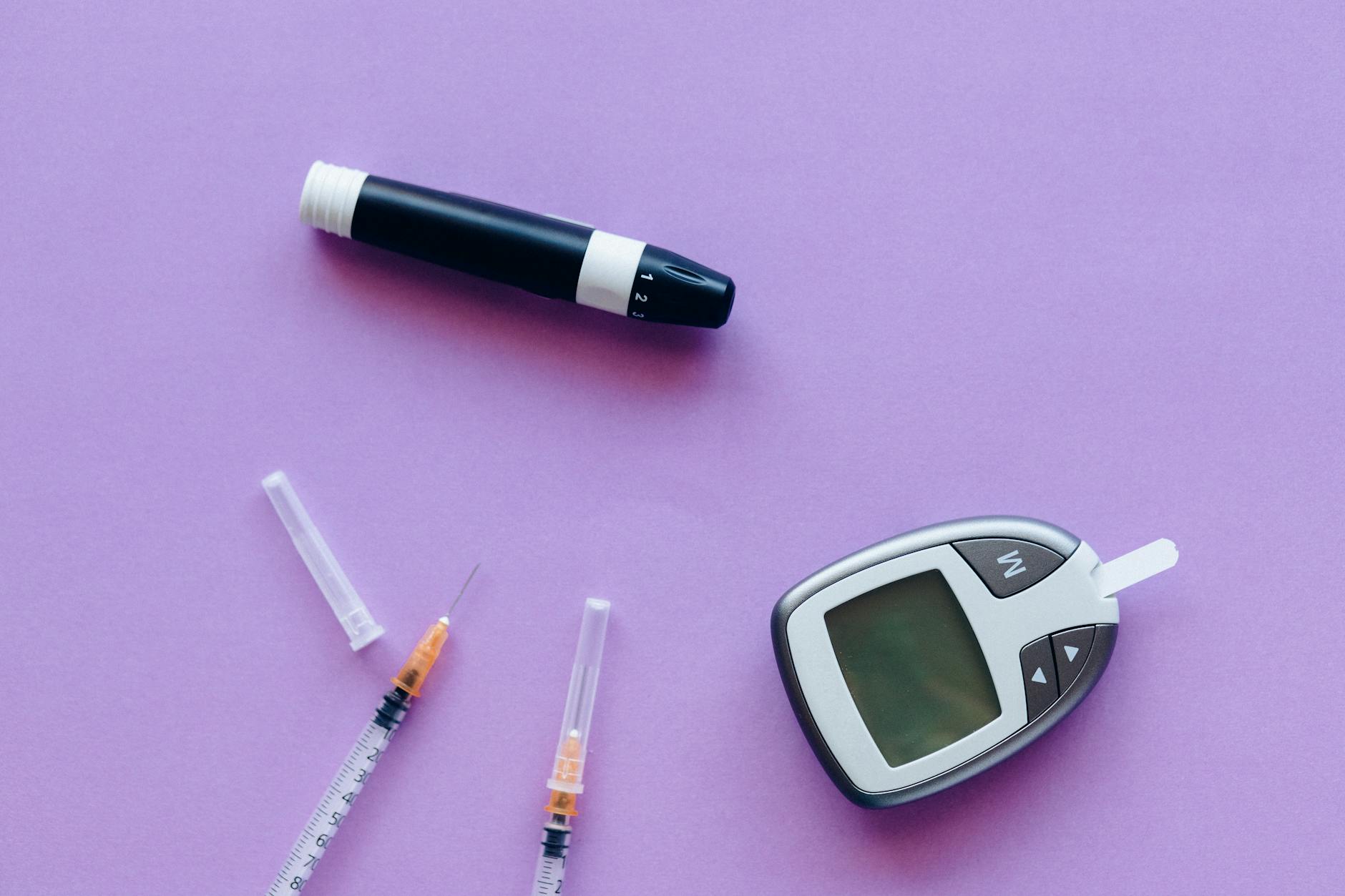
DexCom's position in the diabetes market is robust, driven by its technological leadership and expanding market penetration. The company is at the forefront of the continuous glucose monitoring (CGM) revolution, which is rapidly becoming the standard of care for both insulin-dependent and increasingly, non-insulin-dependent diabetics. This shift is fueled by compelling clinical evidence demonstrating that CGM use leads to better glycemic control, fewer hypoglycemic events, and improved overall health outcomes. DexCom's devices provide real-time glucose data, empowering users and their healthcare providers to make informed decisions, a stark contrast to the intermittent insights offered by traditional blood glucose meters.

The company's flagship product, the G7 CGM system, represents a significant leap forward. It boasts a smaller, all-in-one sensor and transmitter, a faster warm-up time, and enhanced accuracy, making it more user-friendly and less intrusive than previous generations. This continuous innovation cycle is critical in a competitive market, allowing DexCom to maintain its edge against rivals. The G7's streamlined design and improved functionality are key drivers for broader adoption, particularly as DexCom seeks to expand into the Type 2 diabetes market, a much larger patient population than Type 1.

Market access is another critical component of DexCom's strategy. The company has been aggressively pursuing expanded insurance coverage and regulatory approvals globally, which is essential for widening its addressable market. As more healthcare systems recognize the long-term cost savings and health benefits of CGM technology, reimbursement policies are evolving in DexCom's favor. This includes securing coverage for basal insulin users and exploring pathways for non-insulin users, which could unlock substantial growth. The global prevalence of diabetes continues to rise, creating a persistent and growing demand for effective management tools, positioning DexCom for sustained expansion in the years ahead.

What are the Key Growth Drivers for DexCom?

DexCom's growth trajectory is underpinned by several powerful drivers, extending beyond its current market dominance. The most significant is the ongoing expansion into the Type 2 diabetes market, particularly for individuals not on intensive insulin therapy. Historically, CGM was primarily for Type 1 diabetics. However, the benefits of real-time glucose insights for Type 2 patients, including improved lifestyle management and medication adherence, are becoming increasingly recognized. This represents a massive untapped market, with Type 2 diabetics outnumbering Type 1 by a significant margin globally. DexCom's G7, with its ease of use, is ideally positioned to capture this segment.

Another crucial driver is geographical expansion. While DexCom has a strong presence in North America and Europe, there are substantial opportunities in emerging markets and other developed regions where CGM adoption is still nascent. Securing regulatory approvals and establishing reimbursement pathways in these new territories will unlock significant revenue streams. The company's strategic partnerships and direct-to-consumer initiatives are also vital in broadening its reach and making CGM technology more accessible to a wider patient base, reducing reliance on traditional prescription models in some areas.

Furthermore, DexCom benefits from the increasing integration of CGM data with other digital health solutions and automated insulin delivery (AID) systems. The ability to seamlessly connect glucose data with insulin pumps and smart devices creates a more holistic and effective diabetes management ecosystem. This interoperability enhances the value proposition of DexCom's sensors, making them a preferred choice for patients and clinicians seeking advanced, integrated solutions. As artificial intelligence and machine learning continue to advance, the potential for predictive analytics and personalized treatment recommendations based on CGM data will further solidify DexCom's indispensable role in diabetes care.

What are the Risks and Competitive Headwinds for DXCM?

While DexCom's growth prospects are compelling, investors must also consider the inherent risks and competitive headwinds that could impact its future performance. The continuous glucose monitoring (CGM) market is not a monopoly; it is intensely competitive, with formidable players like Abbott Laboratories (ABT) and Medtronic (MDT) vying for market share. Abbott's FreeStyle Libre, with its lower price point and different form factor, has proven to be a strong competitor, particularly in the Type 2 market where cost sensitivity can be higher. This ongoing competition could exert pressure on DexCom's pricing power and market share, potentially impacting its margins and revenue growth.

Regulatory challenges also pose a significant risk. While DexCom has successfully navigated numerous regulatory hurdles, any delays in obtaining approvals for new products or expanded indications in key markets could hinder its ability to innovate and grow. Furthermore, changes in healthcare policy or reimbursement structures, particularly in major markets like the U.S. and Europe, could negatively affect demand and profitability. For example, if reimbursement for CGM devices becomes more restrictive or if coverage criteria narrow, it could limit patient access and sales volumes.

Beyond direct competition and regulation, technological obsolescence is a constant threat in the medical device sector. While DexCom is a leader in innovation, a disruptive technology from a new entrant or an existing competitor could quickly shift market dynamics. This necessitates continuous investment in research and development, which can be costly and may not always yield successful commercial products. Supply chain vulnerabilities, intellectual property disputes, and cybersecurity risks associated with connected medical devices also represent operational and financial risks that DexCom, like any other medical technology company, must meticulously manage.

Is DXCM a Buy, Sell, or Hold for Investors?

Given the robust market trends and DexCom's strong positioning, the company appears to be a compelling "Hold" with a leaning towards "Buy" for long-term investors. The recent sales by Rep. Khanna's spouse's trust, while notable for their political context, are too small and too diversified within a broader portfolio to signal any fundamental shift in DXCM's investment thesis. The company's current stock price of $61.63 is well within its 52-week range of $54.11 to $89.98, suggesting it's not at an extreme valuation, especially after today's +6.59% jump.

The bull case for DXCM rests on its continued innovation, particularly with the G7 system, and its aggressive expansion into the vast Type 2 diabetes market. The increasing global prevalence of diabetes ensures a growing addressable market, and the clear clinical benefits of CGM technology drive adoption. DexCom's ability to secure broader reimbursement and integrate its devices with advanced digital health solutions further solidifies its long-term growth potential. These macro trends and technological advantages provide a strong foundation for future revenue and earnings growth.

However, the competitive landscape, particularly from Abbott's FreeStyle Libre, and the ever-present regulatory and technological risks, warrant a cautious approach. While DexCom is a leader, it operates in a dynamic environment where innovation and market share can shift. For investors, monitoring the adoption rate of the G7, progress in Type 2 market penetration, and any changes in competitive dynamics or reimbursement policies will be crucial. The company's Q2 2026 insider trading summary, showing 0 purchases and 2 sales by directors, indicates a mixed sentiment from within, but these are small figures relative to the company's size.

Ultimately, DexCom remains a high-quality company in a high-growth sector. Its leadership in CGM technology and clear pathway for market expansion make it an attractive long-term play. Investors should look beyond the noise of political stock disclosures and focus on the fundamental drivers of this innovative medical device giant.

DexCom's trajectory in the burgeoning diabetes care market remains strong, driven by innovation and expanding patient access. While competitive pressures persist, the company's strategic positioning and technological advancements suggest continued growth. Long-term investors should keep a close eye on its market penetration and product pipeline.


Want deeper research on any stock? Try Kavout Pro for AI-powered analysis, smart signals, and more. Already a member? Add credits to run more research.

SHARE THIS ON:

Related Articles

Category

You may also like

Stock News1 week ago

This U.S. politician is down 70% on this super suspicious Micron stock trade

Representative Ro Khanna realized a 70% loss on his Micron Technology (NASDAQ: MU) position after selling shares shortly before the chipmaker’s significant rally. The stock has since become one of the...
Stock News2 weeks ago

DXCM to Launch Dexcom Flex CGM System for Type 2 Diabetes in Germany

DexCom shares rose 5.6% after the company announced the launch of its Dexcom Flex CGM system in Germany. This expansion targets Type 2 diabetes patients currently using basal insulin or oral medicatio...
Stock News3 weeks ago

Senator Buys Up Consumer Staples: Here's Two Stocks On The Shopping List

A U.S. senator recently disclosed the purchase of two consumer staples stocks, drawing attention from retail investors who monitor congressional trading activity. The disclosure highlights specific in...
Stock News1 months ago

Why DexCom (DXCM) is a Top Value Stock for the Long-Term

DexCom (DXCM) is currently highlighted by Zacks Style Scores as a top-rated value stock for long-term investors. The analysis utilizes proprietary metrics to identify equities that align with specific...

Breaking News

View All →

Top Headlines

View More →
Stock News23 minutes ago

NVIDIA Unveils RTX Spark: A Closer Look

Stock News1 hour ago

Google Fights Impersonation Scams With Fake-Call Detection Tech

Stock News1 hour ago

Alibaba's Qwen3.7-Plus supports text, video and imagery inputs at low cost of $0.4/$1.6 per 1M token — but it's proprietary

Stock News1 hour ago

Stock Market Today, June 2: Marvell Technology Surges After Nvidia CEO Highlights AI Infrastructure Role

Stock News1 hour ago

Microsoft Build 2026: See the Highlights in 15 Minutes