Key Takeaways
- Pure Harvest Smart Farms (PHOG) is pioneering sustainable, high-tech hydroponic farming in arid regions, addressing critical food security and resource challenges.
- Its strategic partnership with Richel Group and significant funding rounds position it for aggressive expansion across the GCC and Asia, targeting a $150 million deployment.
- While not USDA organic certified, PHOG's chemical-free, consistent, and locally grown produce commands a premium, appealing to consumers prioritizing freshness and reduced environmental footprint.
What is Pure Harvest Smart Farms' Core Innovation and Market Significance?
Pure Harvest Smart Farms (PHOG) is not just another agricultural company; it's a pioneer in a critical and rapidly expanding niche: controlled-environment agriculture (CEA) in some of the world's most challenging climates. Headquartered in Abu Dhabi, UAE, the company has made it its mission to revolutionize food production by growing fresh, high-quality produce year-round, even in the scorching desert. This isn't merely about convenience; it's a strategic imperative for regions grappling with food security, water scarcity, and long, carbon-intensive supply chains.
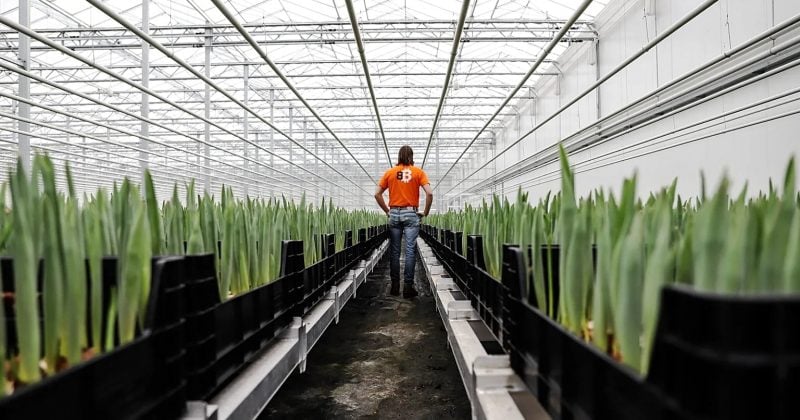
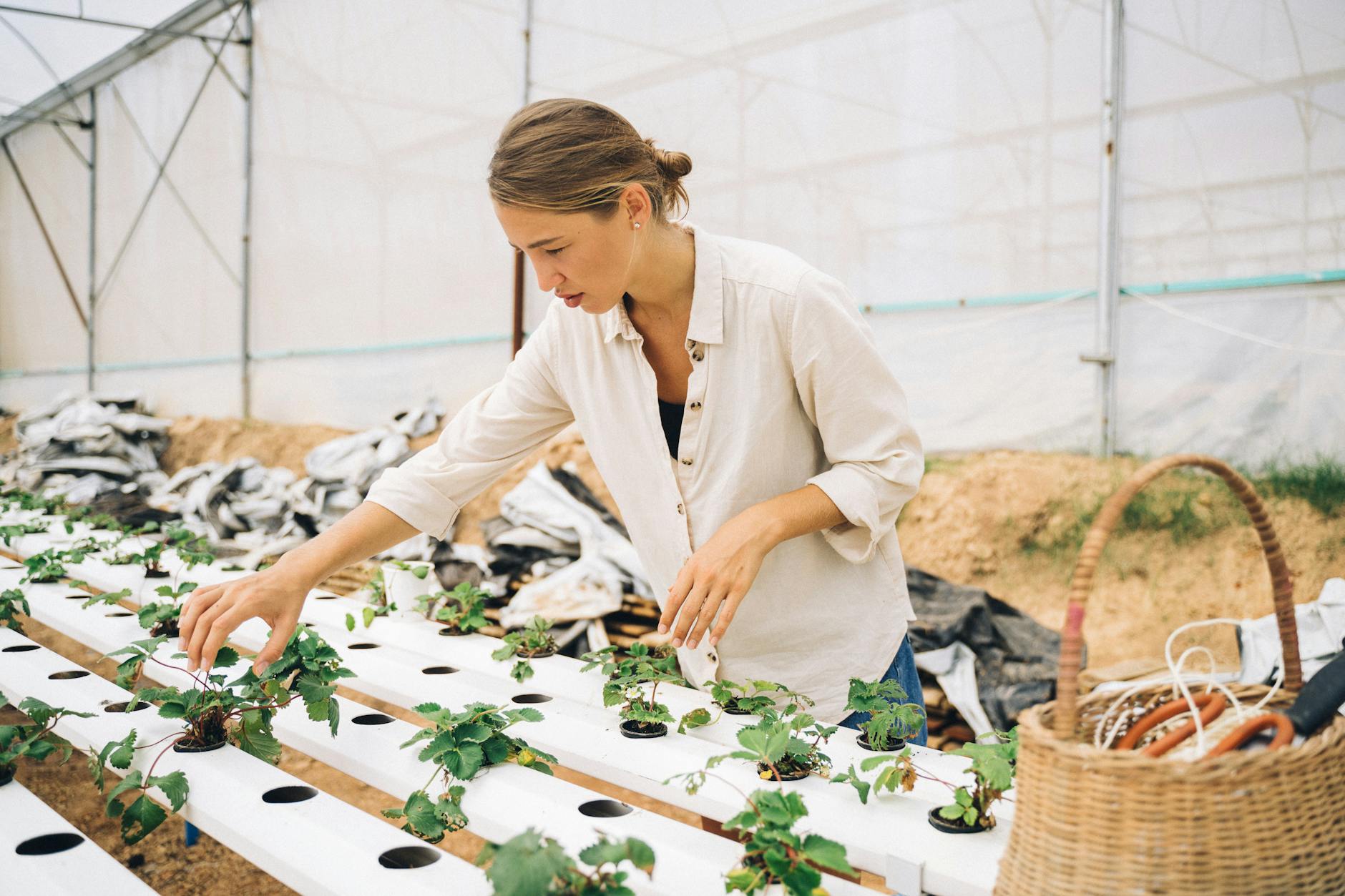
The core innovation lies in its sophisticated hydroponic greenhouses, which leverage advanced climate control, recirculated nutrient solutions, and optimized LED lighting. This technology allows PHOG to grow delicate produce like kale, tomatoes, strawberries, and melons in environments where traditional farming is nearly impossible. The impact is profound: these systems use up to 95% less water than conventional field farming, drastically reducing the ecological footprint in water-stressed areas. Moreover, by growing locally, PHOG significantly cuts down on "food miles" and the associated carbon emissions from transportation.
While Pure Harvest kale, for instance, isn't certified organic under USDA, EU, or UAE standards, it is rigorously chemical-free and residue-tested. This distinction is crucial for investors. The company prioritizes safety, purity, and consistency over a specific organic label, appealing to a growing segment of consumers who value traceability, freshness, and environmental impact. This approach allows PHOG to deliver a product with predictable texture and extended shelf life, addressing common pain points like wilting and discoloration often seen in imported produce.
The market significance of this model is undeniable, particularly in the UAE and the broader Gulf region, where 90% of food is imported. Governments are actively promoting local food production to enhance national food security and diversify their economies. Pure Harvest is directly aligned with these strategic goals, positioning itself as a key player in a market ripe for disruption. Its ability to deliver consistent, high-quality produce year-round, regardless of external climate conditions, creates a compelling value proposition for both consumers and regional authorities.
How Does Pure Harvest's Technology Translate into a Competitive Advantage?
Pure Harvest's technological prowess isn't just about growing food in the desert; it's about creating a sustainable, scalable, and economically viable model that offers distinct competitive advantages. The company's high-tech greenhouses are designed to maintain a perfect Mediterranean climate year-round, even as outside temperatures fluctuate wildly from 60°F at night to over 120°F during the day. This level of precision and control is achieved through a sustainable electrified thermal management system, utilizing Trane heat pumps and centrifugal chillers with near-zero GWP R-1233zd refrigerant. This system is expected to reduce carbon emissions by 8,293 metric tons per year, highlighting a strong ESG narrative.
This sophisticated infrastructure translates directly into product consistency and extended shelf life, which are major differentiators in the fresh produce market. Unlike conventional field-grown kale, which can be highly variable in texture and prone to wilting after long transit, Pure Harvest's hydroponic kale offers reliable crispness and freshness. This consistency reduces food waste for consumers and retailers, effectively lowering the "cost per usable gram" even if the initial price point is higher. For example, if a consumer typically discards 20% of cheaper, imported kale due to spoilage, the premium for Pure Harvest's product becomes a value proposition.
The company's strategic partnership with Richel Group, a global leader in turnkey greenhouse solutions, further solidifies its technological edge and expansion capabilities. This exclusive three-year agreement, with an immediate focus on the Middle East and Asia, aims to deploy over $150 million worth of smart growing systems. This collaboration allows Pure Harvest to leverage Richel's design and construction expertise while contributing its own experience in operating in challenging climates. This synergy is critical for industrializing and standardizing CEA, consolidating project timelines, and reducing build costs across new markets like Singapore, Kuwait, and Saudi Arabia.
Furthermore, Pure Harvest's commitment to "naturally protected" crops, relying on bumblebees for pollination rather than synthetic pesticides, resonates with health-conscious consumers. This chemical-free approach, combined with third-party microbiological testing per batch and compliance with UAE's ESMA food safety standards, builds trust and reinforces its premium positioning. The ability to grow a diverse range of produce, from leafy greens to berries and tomatoes, using these advanced methods, demonstrates a versatile and robust platform that can adapt to varying market demands and expand its product portfolio, including new ventures like 100% natural tomato sauces and fruit preserves.
What are the Financials, Funding, and Growth Trajectory for Pure Harvest?
Pure Harvest Smart Farms has demonstrated significant financial momentum, securing a total of $387.1 million in funding to date, making it one of the best-funded startups in the MEASA (Middle East, Africa, and South Asia) region. The latest growth funding round, a Series D completed on June 30, 2022, raised $180.5 million from a diverse consortium of global investors, including UK-based Metric Capital Partners, Korea-based IMM Investment Corp., and Saudi Arabia’s Olayan Group. This substantial capital infusion underscores investor confidence in Pure Harvest's business model and its potential for aggressive expansion.
The company's growth strategy is multi-pronged, focusing on R&D, expanding its footprint across the GCC, and entering new markets in Asia. CEO Sky Kurtz has articulated a clear vision: to deploy high-tech farming solutions in regions facing similar challenges to the UAE, such as fast-growing populations, seasonal import-dependence, and vulnerability to global supply chain disruptions. This strategic focus on underserved markets, combined with robust funding, positions Pure Harvest for rapid scaling. The $150 million partnership with Richel Group for deploying smart growing systems in the Middle East and Asia is a tangible manifestation of this expansion plan, with projects already underway in Singapore, Kuwait, and Saudi Arabia.
While specific revenue figures for Pure Harvest are not publicly disclosed, the company's ability to attract such significant investment suggests a strong underlying financial performance and promising growth projections. The premium pricing strategy for its produce, justified by superior freshness, consistency, and sustainability, contributes to healthy margins. The company's focus on reducing operational costs through highly efficient thermal management systems and optimized resource use (e.g., 95% less water) further enhances its economic model. This efficiency is critical for delivering produce at prices comparable to imports, despite the advanced technology involved.
Pure Harvest is also exploring new growth initiatives beyond fresh produce, including product extensions like its 100% natural tomato sauces and fruit preserves. These ventures not only diversify revenue streams but also address food waste by utilizing imperfect produce, aligning with the company's sustainability ethos. The company's employee count stood at 186 as of January 31, 2026, indicating a growing operational team capable of supporting its ambitious expansion plans. This blend of strong funding, strategic partnerships, and diversified product offerings paints a picture of a company poised for substantial financial growth in the burgeoning agritech sector.
What are the Key Risks and Challenges Facing Pure Harvest?
Despite its innovative approach and strong funding, Pure Harvest Smart Farms operates within a complex landscape that presents several notable risks and challenges. The most significant is the high initial capital investment required for controlled-environment agriculture. Building and equipping state-of-the-art hydroponic greenhouses, especially with sophisticated climate control systems like those from Trane, is exceptionally costly. This high barrier to entry means that while the long-term returns can be substantial, the upfront financial commitment and the time to profitability can be extensive, potentially straining resources if expansion doesn't meet projections.
Another critical challenge is energy consumption. While Pure Harvest's systems are designed for high efficiency, maintaining precise temperature, humidity, and lighting in extreme desert climates demands substantial energy input. Although the company uses sustainable electrified thermal management, the sheer scale of operations means energy costs will remain a significant operational expense. Reliance on non-renewable energy sources, even indirectly, could also pose sustainability concerns and expose the company to volatile energy prices, impacting its cost structure and competitive pricing.
The market acceptance of hydroponic produce, particularly in comparison to traditionally certified organic options, also presents a nuanced challenge. While Pure Harvest emphasizes its chemical-free and residue-tested status, the absence of a "certified organic" label might deter a segment of consumers who prioritize this specific designation. Educating consumers about the benefits of its produce – consistency, freshness, and local origin – over traditional organic certifications requires ongoing marketing effort and could limit market penetration in certain segments.
Furthermore, the agritech sector is becoming increasingly competitive. Pure Harvest operates alongside other well-funded competitors like AppHarvest, Gotham Greens, and Little Leaf Farms, all vying for market share in the indoor farming space. While Pure Harvest has carved out a niche in harsh climates, these competitors are also innovating and expanding, potentially leading to pricing pressures or a race for technological superiority. The need for specialized technical expertise and skilled labor to manage these sophisticated farming systems is another hurdle, as such talent can be scarce and expensive, impacting operational efficiency and scalability.
Is Pure Harvest a Viable Investment for the Long Term?
Assessing Pure Harvest's long-term viability requires weighing its significant advantages against the inherent risks of a capital-intensive, high-tech agricultural venture. The bull case for Pure Harvest is compelling: it’s a first-mover in a critical sector, addressing global food security and sustainability challenges in arid regions. Its proven ability to grow high-quality produce in extreme climates, coupled with substantial funding of over $387 million and strategic partnerships like the $150 million deal with Richel Group, positions it for aggressive expansion. The company's focus on consistency, freshness, and reduced environmental footprint resonates with modern consumer demands, allowing it to command a premium price point.
However, the bear case highlights the substantial capital expenditure, high energy costs, and the ongoing need for consumer education regarding its "chemical-free but not organic" positioning. The competitive landscape is intensifying, and while Pure Harvest has a strong regional foothold, maintaining its technological edge and market share will require continuous R&D and operational excellence. The company's success hinges on its ability to scale efficiently, reduce per-unit costs, and diversify its product offerings to capture broader market segments.
For investors, Pure Harvest represents a play on the future of food production, particularly in regions vulnerable to climate change and supply chain disruptions. Its alignment with government initiatives for food security and sustainability in the UAE and GCC provides a supportive regulatory and investment environment. The company's commitment to reducing carbon emissions by 8,293 metric tons annually and using 95% less water also makes it an attractive option for ESG-focused portfolios. The expansion into new markets in Asia, such as Singapore, Kuwait, and Saudi Arabia, demonstrates a clear pathway for growth beyond its initial base.
Ultimately, Pure Harvest is a high-growth, high-potential company operating in a vital sector. Its innovative technology, strong financial backing, and strategic vision offer a compelling narrative for long-term investment. However, investors must be prepared for the inherent risks associated with scaling a complex agricultural technology business and monitor its ability to manage operational costs and maintain its competitive advantage in a rapidly evolving market. The company's success will be a testament to whether high-tech, localized farming can truly revolutionize global food systems.
Pure Harvest Smart Farms stands at the vanguard of agricultural innovation, transforming barren landscapes into productive food sources. Its blend of cutting-edge technology, strategic expansion, and commitment to sustainability offers a compelling vision for the future of food. While challenges remain, the company's trajectory suggests it could be a pivotal player in addressing global food security and resource conservation for decades to come.
Want deeper research on any stock? Try Kavout Pro for AI-powered analysis, smart signals, and more. Already a member? Add credits to run more research.