MarketLens

Log in

What Just Happened to CSL.AX and Why

1 week ago
SHARE THIS ON:

What Just Happened to CSL.AX and Why

Key Takeaways

  • CSL Limited (ASX: CSL) shares have plunged to a 9-year low of A$128.77 following the Pentagon's decision to revoke its mandatory flu vaccine policy for U.S. service members.
  • This policy shift exacerbates an already challenging U.S. influenza vaccine market, contributing to CSL's earlier decision to cancel the spin-off of its Seqirus vaccine division and trim its FY2026 revenue outlook.
  • While CSL's core plasma-derived therapies business (CSL Behring) remains its largest earner, the vaccine segment faces significant headwinds from declining vaccination rates and a politically charged regulatory environment.

What Just Happened to CSL.AX and Why?

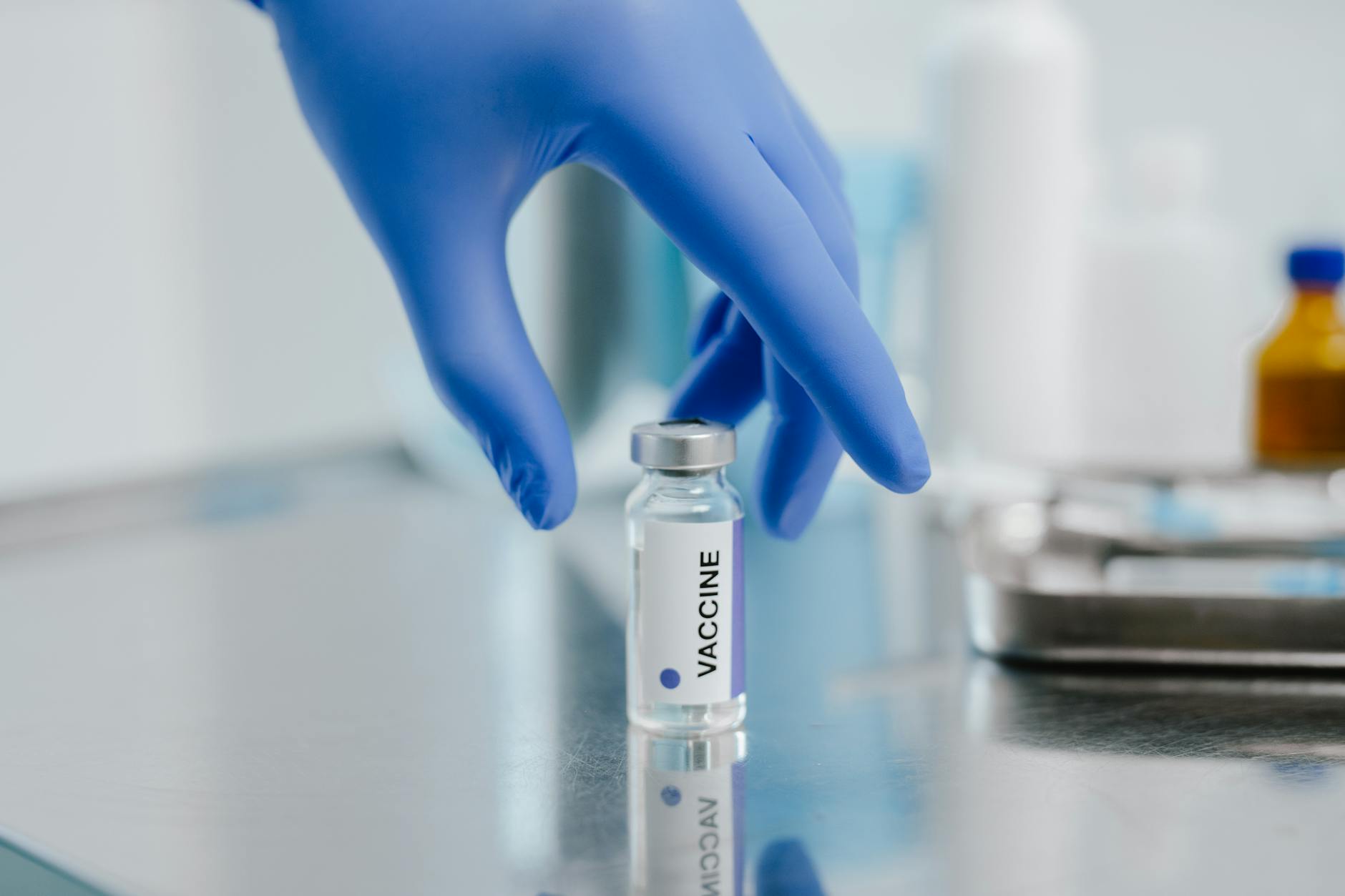
CSL Limited, Australia's biotechnology giant, saw its shares plummet to a near 9-year low of A$128.77 on April 22, 2026, marking a significant drop from its 52-week high of A$275.79. This sharp decline was triggered by the Pentagon's announcement to revoke its mandatory annual influenza vaccine policy for U.S. military service members and personnel. Defense Secretary Pete Hegseth, in a video posted on X, stated the vaccine would now be voluntary, effective immediately, citing "medical autonomy" and criticizing the previous mandate as "overly broad and not rational."

This policy reversal directly impacts CSL through its Seqirus division, one of the world's largest influenza vaccine providers and a key partner in U.S. pandemic preparedness. While the exact financial contribution from mandatory military vaccinations isn't disclosed, the U.S. market is undeniably crucial for Seqirus, which operates state-of-the-art production facilities in the U.S., U.K., and Australia. The Pentagon's move adds another layer of uncertainty to an already volatile U.S. influenza vaccine landscape, where CSL had previously noted "heightened volatility" as a reason for delaying the planned spin-off of Seqirus.

The immediate market reaction reflects investor concern over reduced demand from a previously guaranteed segment of the U.S. population. Analysts and public health experts have voiced strong criticism, with Richard Riccardi of George Washington University calling it a "serious lapse in judgment" that ignores the public health implications for troops in close quarters. This sentiment underscores the potential for a broader impact on vaccine uptake, even beyond the military, as political rhetoric surrounding vaccine mandates continues to shape public perception and policy.

How Significant is the US Military Market for CSL's Seqirus?

While specific revenue figures from U.S. military flu vaccine mandates are not publicly disaggregated, the U.S. market as a whole is a cornerstone for CSL's Seqirus division. The U.S. accounts for over a third of all global vaccine revenue, making any policy shift within this market highly impactful. Seqirus has a longstanding, multi-year agreement with the Biomedical Advanced Research and Development Authority (BARDA) for influenza pandemic preparedness and response, including the supply of AUDENZ, an FDA-approved adjuvanted, cell-based pandemic influenza vaccine. This partnership highlights the strategic importance of government contracts and the broader U.S. public health infrastructure to Seqirus's operations.

The Pentagon's decision to make flu vaccines voluntary for service members, a population historically subject to mandatory immunization programs dating back to 1945, represents a significant shift in policy. Although the military population is a subset of the overall U.S. market, the removal of a mandate for potentially millions of individuals could lead to a measurable reduction in vaccine doses purchased. This comes at a time when CSL had already trimmed its overall revenue forecast for the Seqirus business in fiscal 2026, citing weaker U.S. influenza vaccination rates.

The impact extends beyond direct sales. The policy change contributes to a narrative of eroding vaccine mandates and increasing hesitancy, which can have ripple effects across the entire U.S. vaccine market. For a company like CSL Seqirus, which is a global leader in influenza vaccines and a transcontinental partner in pandemic preparedness, stability and predictability in major markets are paramount. The "heightened volatility" in the U.S. influenza vaccine market, explicitly cited by CSL as a reason for delaying the Seqirus spin-off, is now further amplified by this high-profile federal policy change, signaling a more challenging operating environment ahead.

What are the Broader Headwinds Facing the Vaccine Industry?

The Pentagon's policy shift isn't an isolated event; it's part of a larger, more complex set of headwinds battering the vaccine industry, particularly in the United States. Flu vaccination rates for American adults dropped a staggering 24% between the 2020–2021 and 2024–2025 flu seasons, with the 2025–2026 season on pace to be the lowest in 7 years. This decline is driven by factors like perceived lack of necessity (42%), scheduling friction (41%), and concerns about side effects (26%), despite 88% of Americans believing the flu vaccine is safe and 82% believing it's effective.

Beyond individual hesitancy, the political and regulatory environment has become increasingly challenging. The Trump administration's changing flu vaccine policies and the Department of Health and Human Services (HHS) unilaterally removing six shots from the childhood vaccination schedule have created an "unpredictable environment" for vaccine developers. Moderna, for instance, has stated it will no longer invest in new Phase III vaccine studies due to difficulties in accessing the U.S. market and regulatory delays. This uncertainty is leading companies to restrain R&D, potentially abandoning promising vaccines for various diseases.

Furthermore, the effectiveness of recent flu vaccines has been questioned. The 2025-2026 influenza vaccine effectiveness was lower than in previous seasons, with a new strain dominating early winter, making overall effectiveness among the lowest in over a decade. While it still provided protection against hospitalization, reduced effectiveness can further fuel public skepticism and contribute to declining uptake. This confluence of declining public trust, political interference, and scientific challenges creates a formidable operating environment for companies like CSL Seqirus, making long-term planning and investment significantly riskier.

How Will This Impact CSL's Financials and Outlook?

The Pentagon's policy change, coupled with broader market trends, will undoubtedly pressure CSL's financials, particularly its Seqirus division. CSL had already cut its fiscal 2026 revenue growth outlook and scrapped the planned Seqirus spin-off in October 2025, citing "weaker U.S. influenza vaccination rates and slower plasma recovery." The latest development only intensifies these challenges, suggesting further downward pressure on Seqirus's revenue contribution. The company had flagged a $1.1 billion after-tax impairment for the current fiscal year, with a large part tied to cutting the value of intellectual property at its vaccines business, Seqirus, and its Vifor unit.

CSL reported a significant 81% drop in first-half net profit after tax to $384 million for the six months ended December 31, 2025, primarily due to weaker blood plasma product and vaccine sales, alongside one-off charges. While the company reaffirmed its full-year outlook for modest revenue growth and mid-single-digit underlying profit growth (excluding one-off costs), it cautioned that Seqirus would contribute less in the second half due to influenza seasonality and the loss of last year’s avian flu windfall. This implies that the core CSL Behring plasma business will need to "do most of the heavy lifting" to meet guidance, as noted by analysts.

The current stock price of A$128.77 reflects a market capitalization of A$62.49 billion (or $44.72 billion USD). Its TTM P/E ratio stands at 30.95, which, while lower than its historical highs, still suggests a premium valuation for a company facing significant headwinds in a key segment. The dividend yield is 3.3%, but with a payout ratio of 103.1%, it raises questions about sustainability if earnings continue to be pressured. The cancelled spin-off and reduced outlook underscore that the vaccine segment's challenges are not merely temporary fluctuations but structural shifts requiring a reassessment of its long-term growth profile.

CSL's Diversification and Resilience: A Counterbalance?

While the vaccine segment faces significant headwinds, it's crucial to remember that CSL is a diversified biotechnology powerhouse. Its largest earner, CSL Behring, focuses on plasma-derived therapies for rare and serious diseases, including haemophilia and immune deficiencies. This segment has historically been a strong performer, driven by consistent demand for life-saving treatments. Despite a recent dip in immunoglobulin sales (-6%) and albumin sales (-27%) due to U.S. price caps and China policy changes, CSL's interim chief Gordon Naylor emphasized that the plasma business is "where the greatest opportunity lies."

CSL also operates CSL Vifor, which manufactures and distributes products in iron deficiency and nephrology. However, this unit is also facing pressure from generic competition, contributing to the overall impairment charges. The company's strategic response to recent challenges has included expanding its ongoing share buyback by $250 million, signaling balance-sheet strength and aiming to reassure markets. This move, alongside a current ratio of 2.57, indicates a healthy liquidity position, providing some buffer against market volatility.

The company's long-term growth strategy relies on its robust R&D pipeline across all three segments and its global footprint. CSL's commitment to innovation, including advancing cell-based manufacturing technology and adjuvant use in influenza vaccines, demonstrates an effort to differentiate its offerings. While the vaccine market's political and public health dynamics are challenging, CSL's foundational strength in plasma therapies and its ongoing investment in R&D across a broad portfolio offer a degree of resilience that many pure-play vaccine companies lack. The question remains how effectively CSL can navigate the current turbulence in its vaccine arm while maintaining momentum in its other, more stable businesses.

What Does This Mean for Investors?

For investors, CSL's current situation presents a complex picture of both risk and potential opportunity. The stock's plunge to a 9-year low suggests that much of the negative news, including the Pentagon's policy shift and broader vaccine market volatility, may already be priced in. However, the path to recovery for the Seqirus division remains uncertain given the entrenched public hesitancy and the unpredictable political landscape surrounding vaccines in the U.S.

Investors should closely monitor CSL's upcoming earnings reports for updates on plasma sales recovery, the performance of the Vifor unit, and any revised outlook for Seqirus. The company's ability to meet its reaffirmed full-year guidance will be a critical indicator of its underlying resilience. While the long-term fundamentals of CSL Behring's plasma business remain strong, the vaccine segment's challenges could continue to act as a drag on overall growth and investor sentiment.

The current valuation, with a P/E of 30.95, suggests that CSL is still considered a premium growth stock despite recent setbacks. A consensus analyst price target of A$284.79 implies significant upside, but this is predicated on stabilizing vaccination demand and cost savings materializing. Investors must weigh the potential for a rebound in its core businesses against the persistent headwinds in the vaccine market and the broader political climate impacting healthcare.

CSL's current trading at A$128.77 is a stark reminder of the impact of policy shifts on even diversified healthcare giants. While the company's core plasma business offers a strong foundation, the vaccine segment faces an uphill battle against declining public trust and political interference. Investors should approach CSL with caution, focusing on its ability to execute on its core strengths and adapt to a rapidly evolving healthcare landscape.


Want deeper research on any stock? Try Kavout Pro for AI-powered analysis, smart signals, and more. Already a member? Add credits to run more research.

SHARE THIS ON:

Related Articles

Category

You may also like

Stock News2 days ago

Carlisle Companies Declares Regular Quarterly Dividend

Carlisle Companies (NYSE:CSL) declared a regular quarterly dividend of $1.10 per share. The payment is scheduled for June 1, 2026, to shareholders of record as of May 18, 2026.
Stock News2 days ago

SMCX Could Go Parabolic Again if the AI Server Boom Still Has Another Leg

SMCX, a 2x daily reset leveraged ETF, faces significant volatility risks due to the mathematical decay inherent in its structure. Investors may see performance diverge from underlying assets if the AI...
Stock News5 days ago

Why Is Tesla Stock Falling, and is it a Buying Opportunity?

Tesla shares rose 0.73% following the release of quarterly financial results. The company reported relatively solid performance metrics, though the stock's broader market movement remains subject to o...
Stock News6 days ago

Why Coursera Stock Plummeted Today

Coursera shares fell by a double-digit percentage during Friday's trading session. The sharp decline marks a significant end-of-week sell-off for the education technology company.

Breaking News

View All →

Top Headlines

View More →
Stock News58 minutes ago

Microsoft stock wipes $124 billion in a day despite double earnings beat

Stock News1 hour ago

AWS CEO dismisses AI job loss fears, says Amazon plans to hire 11,000 interns in 2026

Stock News1 hour ago

Apple climbs on earnings as China 'now a strong tailwind', says Wedbush

Stock News1 hour ago

Why smart investors are buying Nvidia and Micron after Meta's call

Stock News1 hour ago

First Light News: April Defies Headwinds