MarketLens

Log in

What Led to Eddie Bauer's Third Bankruptcy and Store Closures

19 hours ago
SHARE THIS ON:

What Led to Eddie Bauer's Third Bankruptcy and Store Closures

Key Takeaways

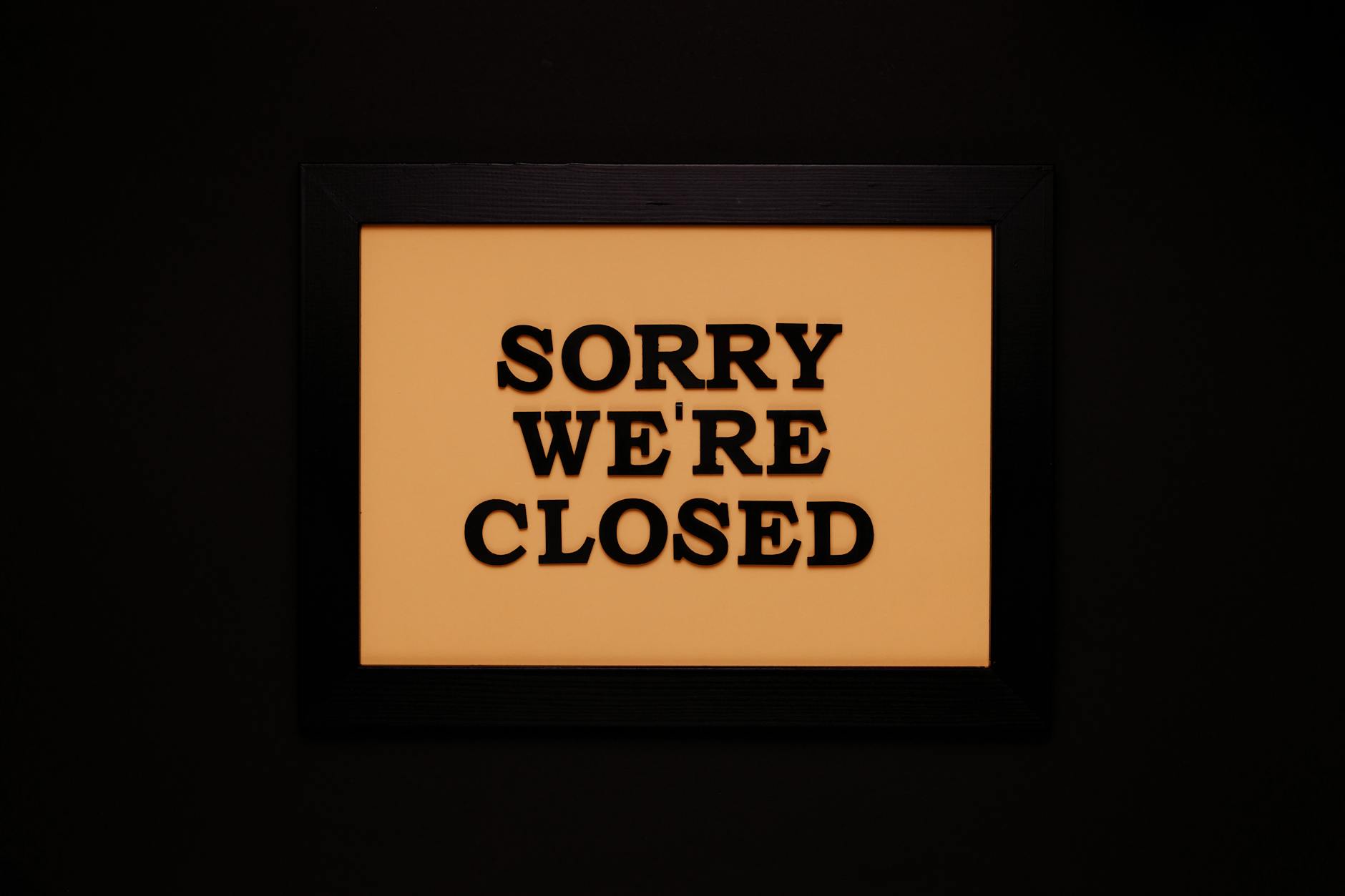
  • Eddie Bauer LLC, the North American retail operator, has failed to secure a buyer in its third Chapter 11 bankruptcy filing, signaling the likely closure of all ~180 U.S. and Canadian brick-and-mortar stores.
  • The brand's intellectual property, e-commerce, and wholesale operations remain unaffected, owned by Authentic Brands Group and operated by Outdoor 5 LLC, ensuring the Eddie Bauer name will persist.
  • This liquidation underscores the severe headwinds facing traditional mall-based apparel retailers, including high fixed costs, shifting consumer habits, and intense competition from digital channels.

What Led to Eddie Bauer's Third Bankruptcy and Store Closures?

Eddie Bauer LLC, the entity responsible for operating the brand's physical stores across the U.S. and Canada, filed for Chapter 11 bankruptcy on February 9, 2026. This marks the third time the iconic outdoor apparel retailer has sought bankruptcy protection, following filings in 2003 and 2009. The immediate trigger for this latest filing was a confluence of persistent challenges: declining sales, significant supply chain disruptions, and the relentless pressure of inflation and tariff uncertainties.

The financial picture painted in court documents was stark. Eddie Bauer LLC reported liabilities exceeding $1 billion, potentially reaching as high as $10 billion, against assets valued between $100 million and $500 million. A more granular look reveals a staggering $1.7 billion in total debt, with major creditors including Wells Fargo (>$900 million), WhiteHawk ($600 million), and Copper Retail ($216 million). This heavy debt load became unsustainable as sales dwindled.

The company's retail operations generated just $440 million in fiscal 2025 revenue, with brick-and-mortar stores contributing only 42% of that total. This revenue was insufficient to cover the high fixed costs associated with physical retail, including long-term leases, common area maintenance, and staffing. The operator had also accumulated $174 million in losses over the past four years, including an $80 million loss in 2025 alone, demonstrating a clear downward spiral in profitability.

Despite efforts to find a buyer, including contacting 126 potential acquirers (68 financial, 58 strategic) before the Chapter 11 filing, no viable offers materialized. Only two indications of interest were received, neither progressing to a qualified acquisition proposal. The auction scheduled for March 6 was ultimately canceled after no satisfactory bids were submitted by the March 3 deadline, sealing the fate of the physical stores.

Why Couldn't Eddie Bauer Find a Buyer for its Stores?

The failure of Eddie Bauer LLC to attract a qualified buyer for its ~180 U.S. and Canadian retail stores, despite a court-supervised sale process, sends a clear signal about the current state of traditional brick-and-mortar retail. The sole bid received from Colin Anten was swiftly rejected by the court, deemed to lack the "financial wherewithal" and good faith necessary to consummate the transaction. This wasn't just a procedural hiccup; it was a stark market validation that operating these stores as a going concern held little to no value for potential acquirers.

Several factors contributed to this lack of interest. The retail landscape has fundamentally shifted, with consumers increasingly favoring e-commerce and large warehouse clubs over traditional mall-based apparel stores. This trend has accelerated the "retail apocalypse," leading to thousands of store closures across the industry. For a potential buyer, acquiring Eddie Bauer's physical footprint meant inheriting a portfolio of leases in potentially declining malls, high fixed operating costs, and a business model struggling with persistent sales declines.

Moreover, the separation of Eddie Bauer's e-commerce and wholesale operations from the physical retail entity complicated matters. Authentic Brands Group (ABG), which owns the intellectual property, had already transitioned these more scalable and profitable channels to Outdoor 5 LLC in January 2026. This left the bankrupt Eddie Bauer LLC with primarily the high-fixed-cost, lower-margin physical store business, making it a far less attractive acquisition target. Buyers were essentially being asked to take on significant liabilities and operational challenges without the benefit of the brand's more resilient digital and wholesale revenue streams.

The sheer scale of the debt, totaling $1.7 billion, against dwindling assets, also deterred potential investors. Even a nominal acquisition price would likely have required significant capital investment to modernize stores, renegotiate leases, and revitalize a struggling brand identity within a challenging physical retail environment. In an era of rising borrowing costs and tightening credit conditions, few were willing to take on such a high-risk, low-reward proposition.

What Does This Mean for the Eddie Bauer Brand and Its Future?

While the physical stores of Eddie Bauer LLC are facing liquidation, it's crucial to understand that the Eddie Bauer brand itself is not disappearing. This distinction is vital for investors and consumers alike. The intellectual property (IP) of Eddie Bauer, including its brand name, logos, and product designs, is owned by Authentic Brands Group (ABG). ABG is a global brand development and licensing platform with a vast portfolio that includes other well-known names like Reebok, Nautica, Brooks Brothers, and Dockers.

ABG's strategy is centered on licensing. In January 2026, just prior to the bankruptcy filing, ABG partnered with Outdoor 5 LLC (Oved) to assume responsibility for Eddie Bauer's e-commerce and wholesale operations, as well as design and product development in the U.S. and Canada. This strategic move effectively insulated the more profitable and scalable parts of the business from the struggling brick-and-mortar segment. Consequently, Eddie Bauer's online sales and wholesale distribution channels will continue to operate normally, unaffected by the store closures.

Furthermore, Eddie Bauer stores outside of North America, which are operated by separate licensees, are also not impacted by this Chapter 11 filing and will remain open. This multi-faceted licensing structure means that consumers will still be able to purchase Eddie Bauer products online and through other retail partners globally. ABG has explicitly stated its focus on a "strategy centered on technical product innovation and digital expansion," anchored by the return of "First Ascent," Eddie Bauer's elite performance line.

For investors, this highlights the evolving nature of brand ownership in the retail sector. The value often resides in the intellectual property and the ability to license it across various channels, rather than in the direct operation of physical stores. While the closure of ~180 North American stores is a significant event, it represents a recalibration of the brand's physical presence, not its demise. The Eddie Bauer name, with its 106-year history and association with rugged outdoor wear, will persist through its digital and wholesale channels, potentially emerging leaner and more focused under ABG's strategic direction.

Eddie Bauer LLC's bankruptcy and the subsequent failure to find a buyer are not isolated incidents; they are symptomatic of profound shifts and persistent challenges plaguing the broader retail apparel industry. The "retail apocalypse" is an ongoing narrative, with over 8,100 stores closed by the end of 2025, and this trend has accelerated into 2026. Companies like Joann Fabrics, Claire's, Forever 21, Macy's, and Francesca's have all faced bankruptcy or significant store closures recently, underscoring a systemic vulnerability.

The primary driver behind this distress is the relentless rise of e-commerce. Digital channels offer convenience, wider selection, and often more competitive pricing, drawing consumers away from physical stores. This shift has been exacerbated by the high fixed costs associated with brick-and-mortar operations—rent, utilities, staffing, and inventory management—which become unsustainable when foot traffic and sales decline. Eddie Bauer's situation, where its physical stores accounted for only 42% of its $440 million in fiscal 2025 revenue, while its e-commerce business was "marginally profitable," perfectly illustrates this imbalance.

Macroeconomic headwinds have further intensified the pressure. Persistent inflation has driven up the cost of doing business, from supply chain logistics to labor, squeezing margins for retailers. Ongoing tariff uncertainties add another layer of unpredictability to sourcing and pricing. Simultaneously, consumer sentiment has weakened, with reports indicating that shoppers feel less confident now than during the height of the pandemic. While consumer spending has held up remarkably well, there are growing concerns about when this resilience might "crack," especially if the employment outlook weakens.

The Eddie Bauer case also highlights the precarious position of mall-based retailers. Many of these locations are in C- and D-rated malls, which are experiencing declining visitor numbers and increasing vacancies. Even iconic brands struggle to thrive in such environments. The failure to find a buyer for Eddie Bauer's leases, despite being marketed by RCS Real Estate Advisors, suggests a broader lack of appetite for these legacy retail spaces. This forces a re-evaluation of the viability of the mall-based retail model, particularly for apparel brands that face intense competition and rapidly changing fashion cycles.

What Are the Contagion Risks for Catalyst Brands and Other Retailers?

The liquidation of Eddie Bauer LLC's physical stores carries significant implications, particularly for Catalyst Brands, the retail holding company that operated Eddie Bauer's North American brick-and-mortar locations. Catalyst Brands was formed in early 2025 from the merger of SPARC Group (which previously oversaw Eddie Bauer and other brands) and JCPenney. Its shareholders include major players like Simon Property Group, Brookfield Corp., Authentic Brands Group, and Shein.

Catalyst Brands oversees a portfolio of other well-known mall-based retailers, including JCPenney, Aéropostale, Brooks Brothers, Lucky Brand, and Nautica. The failure to rescue Eddie Bauer's store operations, despite a Chapter 11 filing and a restructuring support agreement, casts a shadow over the entire portfolio. It raises critical questions about the viability of the mall-based retail model that Catalyst Brands largely represents. If a brand like Eddie Bauer, with its established heritage, cannot find a buyer for its physical footprint, what does that signal for other brands facing similar headwinds?

The market will now scrutinize Catalyst Brands' other holdings more closely. The underlying issues that plagued Eddie Bauer—high fixed costs, declining mall traffic, e-commerce competition, and macroeconomic pressures—are not unique to one brand. This could lead to increased pressure on Catalyst Brands to rationalize its broader store base, potentially accelerating closures or restructurings for other brands in its portfolio. The $600 million first-in, last-out facility provided by WhiteHawk Capital to Catalyst Brands in October 2025 to strengthen its capital structure now faces renewed scrutiny regarding its effectiveness in a challenging environment.

Beyond Catalyst Brands, the Eddie Bauer situation serves as a stark warning for other distressed retailers. Moody's has a negative outlook for the retail industry in 2026, noting that many vulnerable retailers are struggling to refinance debt. The inability to offload physical assets, even in bankruptcy, suggests that the market for struggling brick-and-mortar operations is extremely thin. This could accelerate the "fire-sale" mechanics seen with Eddie Bauer, where assets are sold piecemeal at deep discounts, further devaluing physical retail equity across the board. The expiration of Eddie Bauer gift cards on March 12 also highlights a common risk for consumers and a final, forced liquidation event for the brand's remaining physical value.

What's Next for Investors in the Retail Sector?

For investors tracking the retail sector, Eddie Bauer's liquidation serves as a potent reminder of the ongoing bifurcation between strong, adaptable brands and those struggling to adjust to a rapidly evolving landscape. The immediate focus will be on the final wind-down of Eddie Bauer LLC's physical stores, with liquidation sales continuing and gift cards expiring on March 12, 2026. This marks the end of an era for the brand's direct physical presence in North America.

Looking ahead, the resilience of the Eddie Bauer brand will hinge entirely on Authentic Brands Group's strategy for its e-commerce and wholesale operations under Outdoor 5 LLC. Investors should monitor ABG's execution on its stated goals of technical product innovation and digital expansion, as this is where the brand's future value now lies. The success of this digital-first approach will be a key indicator of whether the Eddie Bauer name can thrive without its traditional physical footprint.

More broadly, this situation underscores the importance of scrutinizing the financial health and operational flexibility of other mall-based apparel retailers. Companies with heavy debt loads, extensive physical footprints in struggling malls, and an inability to pivot to robust e-commerce strategies remain highly vulnerable. Investors should favor retailers demonstrating strong omnichannel capabilities, efficient supply chains, and a clear path to profitability in a competitive, inflation-prone environment.

The Eddie Bauer saga is a clear signal: the retail industry's transformation is far from over. Brands must adapt or face obsolescence, and investors must differentiate between intellectual property value and the increasingly challenging economics of traditional brick-and-mortar operations.


Want deeper research on any stock? Try Kavout Pro for AI-powered analysis, smart signals, and more. Already a member? Add credits to run more research.

SHARE THIS ON:

Related Articles

Category

You may also like

Stock News2 weeks ago

Why Camping World Stock Was Tumbling Today

Camping World shares fell after the company reported declining fourth-quarter revenue and a widening loss. The firm also paused its dividend to prioritize debt reduction efforts.
Stock News2 weeks ago

These 3 Popular Retailers Could Be Gone by Christmas

Three popular retailers face potential closure by Christmas after failing to adapt to the American retail landscape. The warning highlights the risk of total operational collapse for once-dominant cha...
Stock News3 weeks ago

Uh-Oh! Is Meta Platforms Following in Enron's Footsteps?

The comparison between Meta Platforms and Enron, which filed for a $63.4 billion bankruptcy in 2001, raises concerns about the energy giant's collapse.
News2 months ago

More than 700 US companies went bankrupt in 2025 — a 14% jump from last year

More than 700 US companies filed for bankruptcy in 2025, marking a 14% increase from the prior year, driven by cost pressures, tight credit, and trade policies.

Breaking News

View All →

Top Headlines

View More →
Stock News6 minutes ago

AI Stocks Worth Adding to Your Portfolio for Healthy Returns

Stock News14 minutes ago

Meta further diversifies beyond Nvidia as it unveils four custom AI chips

Stock News23 minutes ago

Tesla Crashes 18% – Here's Why Wall Street Is Getting Nervous

Stock News25 minutes ago

This Forgotten EV Stock Just Reported Strong Earnings

Stock News31 minutes ago

AI Demand, Institutions Keep Corning Flying