MarketLens
What's Driving Coca-Cola's India IPO Strategy

Key Takeaways
- The Coca-Cola Company (KO) is strategically pursuing an Initial Public Offering (IPO) for its Indian bottling arm, Hindustan Coca-Cola Beverages (HCCB), aiming to raise around $1 billion at a $10 billion valuation, likely in 2027.
- This move aligns with KO's global asset-light refranchising strategy, seeking to unlock a premium valuation for its high-growth Indian operations and fuel aggressive expansion in a critical emerging market.
- While the IPO could introduce short-term volatility for KO shares by shifting investor focus, it is a long-term bullish catalyst, enhancing capital efficiency and solidifying Coca-Cola's leadership in India's rapidly expanding beverage sector.
The Coca-Cola Company (NYSE: KO) is making a significant strategic play in one of the world's most dynamic consumer markets. By exploring a public listing for its Indian bottling subsidiary, Hindustan Coca-Cola Beverages (HCCB), KO is not merely seeking to raise capital; it is executing a masterclass in market localization, capital efficiency, and value unlocking. This move, expected to materialize as early as 2027 with a target valuation of approximately $10 billion for HCCB, represents a bullish long-term catalyst for KO shareholders, positioning the beverage giant to capitalize on India's burgeoning consumption story while optimizing its global operational footprint.
What's Driving Coca-Cola's India IPO Strategy?
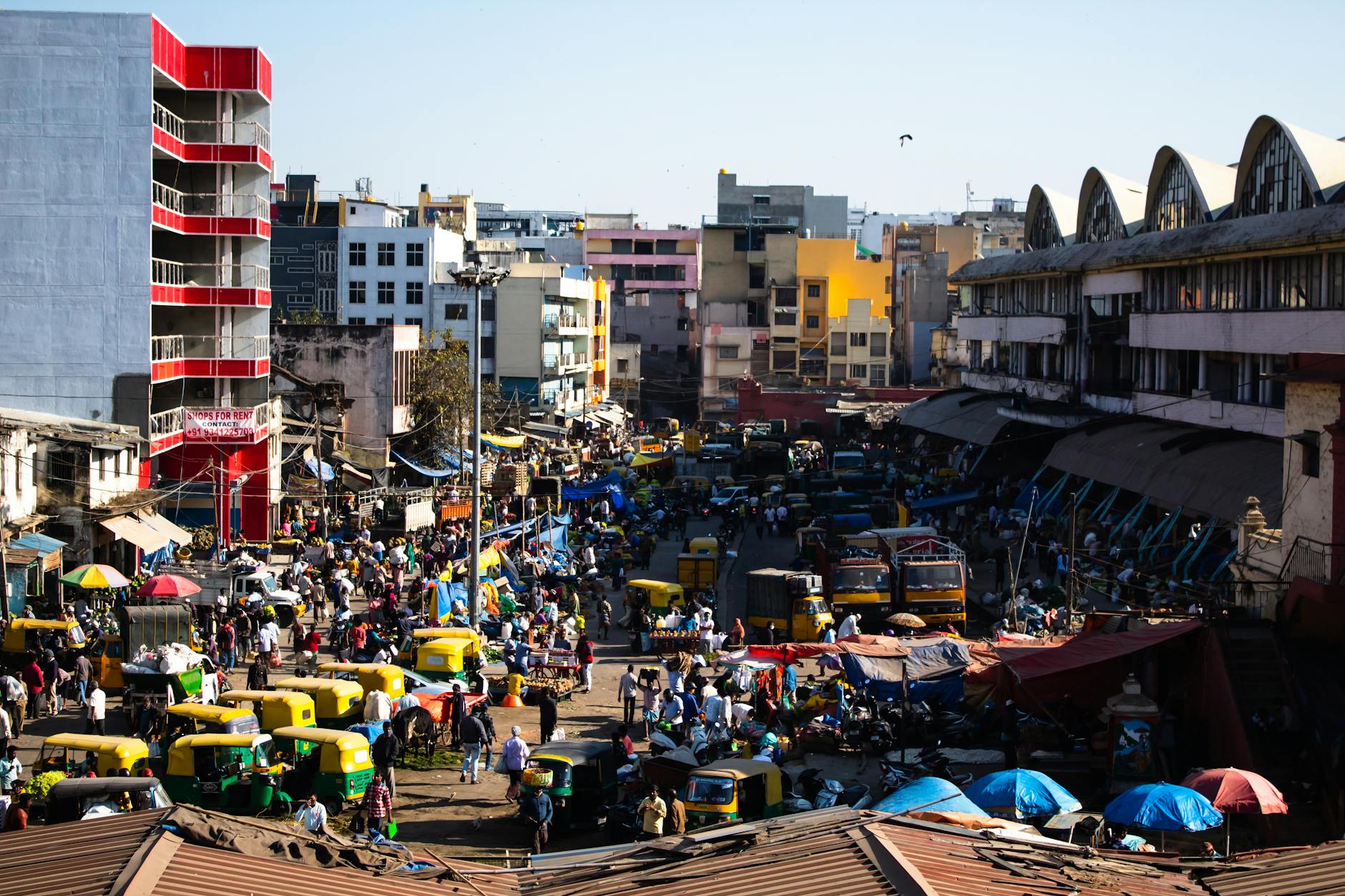
Coca-Cola's decision to pursue an IPO for Hindustan Coca-Cola Beverages (HCCB) is rooted in a multi-faceted strategic rationale, reflecting both India's unique market dynamics and the parent company's global operational evolution. India has rapidly ascended to become one of Coca-Cola's top five global markets, demonstrating robust double-digit volume growth, particularly in Q1 2025, driven by popular brands like Trademark Coca-Cola and Thums Up. This growth trajectory is fueled by a massive youth demographic, a burgeoning middle class with increasing disposable incomes, and per capita beverage consumption that remains significantly lower than developed markets, presenting a "once-in-a-generation opportunity" for expansion.
To fully capitalize on this potential, HCCB requires substantial capital investment to build new manufacturing plants, expand existing facilities, install millions of coolers across diverse retail touchpoints, and upgrade its extensive supply chain and distribution fleet. The proposed IPO, targeting a fundraise of around $1 billion (or approximately ₹9,010 crore), will provide HCCB with this critical "war chest," enabling an aggressive growth cycle without directly straining The Coca-Cola Company's balance sheet. This capital infusion is crucial for pushing penetration into hotter states and rural markets, where new competitors are emerging, and for effectively managing seasonal spikes in demand.
Furthermore, the IPO aligns perfectly with Coca-Cola's global shift towards an "asset-light" refranchising model. This strategy, successfully adopted by industry peers like PepsiCo with Varun Beverages and McDonald's with its franchisee model, involves divesting capital-intensive bottling operations to local partners. By reducing direct ownership of bottling and distribution, Coca-Cola frees up immense capital, improves its Return on Invested Capital (ROIC), which currently stands at a healthy 13.9% for KO, and allows the parent company to sharpen its focus on core competencies: brand building, marketing concentrates, and innovation. The IPO is the final step in refranchising HCCB, transforming it into a more agile, locally-managed operation deeply embedded in the Indian market.
The Scale and Significance of Hindustan Coca-Cola Beverages (HCCB)
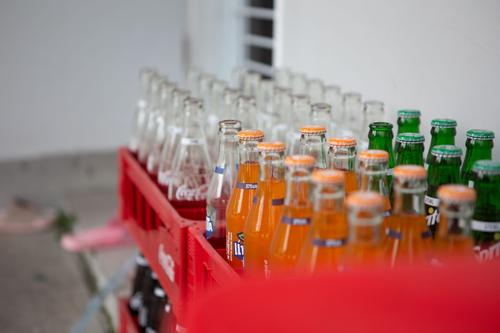
Hindustan Coca-Cola Beverages (HCCB) is not just another bottling unit; it is the backbone of The Coca-Cola Company's operations in India, playing an indispensable role in its local supply chain and market leadership. Established in 1997, HCCB is Coca-Cola India's largest bottler, responsible for the manufacturing, packaging, logistics, and distribution of a vast portfolio of sparkling and still beverages across significant swathes of the country. This includes iconic brands like Coca-Cola, Thums Up, Sprite, Fanta, Maaza, Limca, Minute Maid, Kinley, and SmartWater, making it a formidable player in India's non-alcoholic ready-to-drink beverage market.
The sheer operational scale of HCCB underscores its importance. The company operates 14 bottling plants across 10 states (some sources indicate 14 plants across 12 states and 236 districts), working with eight co-packers and a network of over 2,000 distributors. As of March 2023, it reached more than 1.7 million customers, and other reports suggest it serves over 2 million retailers and operates 80+ distribution hubs, collectively producing over 1 billion cases annually. This extensive network allows HCCB to contribute approximately 65% of Coca-Cola's total India volume, highlighting its critical role in market penetration and growth.
Financially, HCCB has demonstrated robust performance, reflecting the underlying growth in the Indian beverage market. While specific detailed financials for the IPO are yet to be fully disclosed, reports indicate that HCCB's revenue increased significantly from March 2024 to March 2025, with profit after tax (PAT) also seeing a substantial rise during the same period. For the fiscal year 2024, HCCB's revenue was reported to be over ₹15,000 crore (approximately $1.66 billion at current exchange rates), exhibiting strong double-digit growth. This financial strength and operational prowess are key factors supporting the proposed $10 billion valuation for the unit, positioning it as one of India's top consumer giants upon listing.
Unlocking the "India Premium" and Capitalizing on Market Momentum
The strategic timing of the HCCB IPO is no coincidence; it aims to capitalize on what analysts refer to as the "India Premium" valuation. Indian equity markets have consistently assigned premium multiples to high-quality consumer stocks with compelling growth narratives, a phenomenon clearly demonstrated by the stellar performance of Varun Beverages (VBL), PepsiCo's primary bottler in India. By listing HCCB as a standalone entity on Indian exchanges like the BSE and NSE, The Coca-Cola Company seeks to unlock this valuation arbitrage. A locally listed entity, deeply integrated into India's growth story, can command a higher valuation multiple than KO's own stock on the NYSE, which is valued as a mature, global giant with a P/E ratio of 24.69.
The proposed $10 billion valuation for HCCB is a direct play to leverage this market sentiment. Recent large market debuts by multinational consumer companies in India, such as Hyundai Motors India's record $3.3 billion IPO and LG Electronics' $1.3 billion listing in 2024 and 2025 respectively, have set a precedent. LG's Indian unit, for instance, saw a spectacular 50% surge on its October 2025 debut, valuing it higher than its South Korean parent company at $13 billion in market capitalization. These successes underscore the appetite of Indian investors for well-managed, high-growth consumer businesses, even if they are subsidiaries of global conglomerates.
This move also aligns with a broader trend of multinational corporations listing local units in India to attract domestic investors and enhance transparency in their fast-growing Indian businesses. The "India Premium" is not just about higher valuations; it's about accessing a deep pool of local capital and fostering a stronger connection with the Indian retail investor base. Furthermore, the listing is expected to create value for all shareholders, including the Jubilant Bhartia Group, which acquired a 40% stake in Hindustan Coca-Cola Holdings (HCCH), HCCB's parent company, in 2025. This strategic partnership, combined with the IPO, is expected to enhance synergies and solidify Coca-Cola's position in the Indian market.
Navigating Competition and Operational Challenges in India
While the prospect of an HCCB IPO is exciting, the Indian beverage market is not without its challenges, particularly intense competition and the need for continuous operational adaptation. Coca-Cola, through HCCB, faces significant rivalry from established players and aggressive new entrants. A notable competitor is Reliance's revived Campa Cola brand, which has entered the market with aggressive pricing, offering 200ml bottles at just ₹10 (approximately $0.12), roughly half the cost of comparable offerings from Coca-Cola and PepsiCo. Reports suggest Campa Cola has already garnered a double-digit market share, reaching 14% in key markets, posing a direct threat to volume and pricing power.
In response to this competitive landscape, HCCB's IPO proceeds will be crucial for funding competitive pricing strategies, ramping up marketing spends, and accelerating distribution into rural and semi-urban areas where new competitors are trying to gain a foothold. This is a defensive, yet proactive, move to protect and solidify Coca-Cola's market leadership. The company's president for India and Southwest Asia, Sanket Ray, has affirmed Coca-Cola's commitment to investing in this key bottling operation and growing its portfolio of global and local brands in India, indicating a long-term strategic focus on the region.
Operational restructuring is another ongoing theme. Coca-Cola has been steadily transitioning toward an asset-light refranchising model, which involves transferring operations in parts of North and East India to local partners. For example, Kandhari Global secured Competition Commission of India (CCI) approval to acquire specific HCCB plant and territory operations in 2025. While HCCB remains Coca-Cola's largest bottler, managing 16 factories and extensive distribution, this refranchising strategy aims to empower local partners, improve agility, and optimize capital allocation. These efforts, combined with HCCB's commitment of ₹25,760 crore (approximately $2.85 billion) in investments to expand food processing infrastructure across nine states, are designed to support long-term growth in capacity and supply chain efficiency, ensuring HCCB can effectively navigate the dynamic and competitive Indian market.
What Does the HCCB IPO Mean for Coca-Cola (KO) Investors?
For investors in The Coca-Cola Company (KO), the potential IPO of Hindustan Coca-Cola Beverages (HCCB) carries significant implications, largely positive, that align with the parent company's long-term strategic objectives. Firstly, the IPO reinforces KO's commitment to its asset-light model, a strategy that has historically proven effective in improving capital efficiency and Return on Invested Capital (ROIC). By offloading capital-intensive bottling operations, KO can free up capital that would otherwise be tied up in infrastructure, allowing it to focus on its higher-margin concentrate business and brand building. This could lead to an enhancement of KO's already robust ROIC of 13.9% and further strengthen its balance sheet, which currently shows a manageable debt-to-equity ratio of 1.30.
Secondly, the IPO provides a clear mechanism to unlock value from KO's rapidly growing Indian operations. While KO's stock price of $78.64 reflects its global, diversified nature, HCCB's listing on Indian exchanges will allow local investors to directly value a pure-play, high-growth consumer entity. This "India Premium" could lead to a higher valuation for HCCB than what is implicitly factored into KO's current market cap of $338.35 billion. While KO will likely retain a significant stake in HCCB, the public listing could lead to a re-rating of KO's overall valuation, as the market gains clearer visibility into the performance and growth potential of its Indian arm.
Furthermore, the capital raised from the IPO, estimated at around $1 billion, provides HCCB with the financial firepower needed for aggressive expansion in India, without relying solely on KO's internal capital. This allows KO to allocate its own capital to other strategic priorities globally, such as new product development, marketing initiatives, or even share buybacks and dividend increases. KO already boasts a 2.6% dividend yield with an 80.1% payout ratio, and its FY2025 dividend per share grew by 5.2%. The enhanced financial flexibility from the HCCB IPO could support continued dividend growth, a key attraction for KO's long-term shareholders. While there might be short-term volatility as the market digests the news and the IPO details, the long-term outlook suggests that this strategic move will ultimately bolster KO's financial health, growth prospects, and shareholder value.
The Coca-Cola Company's exploration of an IPO for Hindustan Coca-Cola Beverages is a strategic masterstroke, poised to unlock significant value and fuel aggressive growth in India's booming beverage market. This move not only aligns with KO's global asset-light strategy but also positions the company to capitalize on the "India Premium" valuation, ultimately strengthening its financial flexibility and long-term shareholder returns. Investors should view this as a bullish signal, reinforcing Coca-Cola's commitment to innovation and market leadership in critical emerging economies.
Want deeper research on any stock? Try Kavout Pro for AI-powered analysis, smart signals, and more. Already a member? Add credits to run more research.
Related Articles
Category
You may also like


The Coca-Cola Company (KO) Shareholder/Analyst Call Transcript

Skinny Sodas and Mini Cans: How Coke's New CEO Is Sizing Up Consumers

Coke Pops: Despite Consumer Pressure, Strong Quarter Boosts Shares
Breaking News
View All →Featured Articles
Top Headlines

Australia's competition regulator issues takedown requests to Amazon, others, for certain toys

CNBC's The China Connection newsletter: China learns to build without Nvidia

Alphabet Stock Offers Exposure To SpaceX, Anthropic Before IPOs: What That Means For Investors

Nvidia's Jensen Huang Just Announced Something Big