MarketLens
What's Driving the DHS Funding Standoff and Airport Chaos

Key Takeaways
- The ongoing DHS funding standoff, now over a month long, has severely impacted airport operations, leading to unpaid TSA staff, significant absenteeism, and widespread travel delays.
- President Trump's proposal to deploy ICE agents to airports is seen by many as a politically charged move, fundamentally mismatched with aviation security needs, and likely to exacerbate operational chaos and deter travel.
- The financial and reputational risks for airlines and the broader travel industry are substantial, as prolonged uncertainty and a militarized airport environment could depress demand and increase operational costs.
What's Driving the DHS Funding Standoff and Airport Chaos?
The Department of Homeland Security (DHS) has been mired in a funding standoff for over a month, creating a cascading crisis that has directly impacted the nation's airports. This prolonged political impasse has left thousands of Transportation Security Administration (TSA) officers working without pay, triggering a severe staffing shortage and unprecedented operational disruptions across the country. The human cost is evident, with union leaders reporting financial pressures ranging from eviction notices to overdrawn bank accounts among unpaid federal workers.
The consequences for air travel have been immediate and dramatic. Airports nationwide are grappling with soaring absenteeism rates among TSA staff, with some hubs reporting alarming figures like a 55% no-show rate at Houston's Hobby Airport on a recent Saturday. The overall no-show rate for TSA workers spiked to 10% on March 15, a clear indicator of the financial strain forcing officers to seek alternative income or simply stay home. This exodus is further compounded by at least 376 TSA officers quitting their jobs altogether since the shutdown began on Valentine's Day.
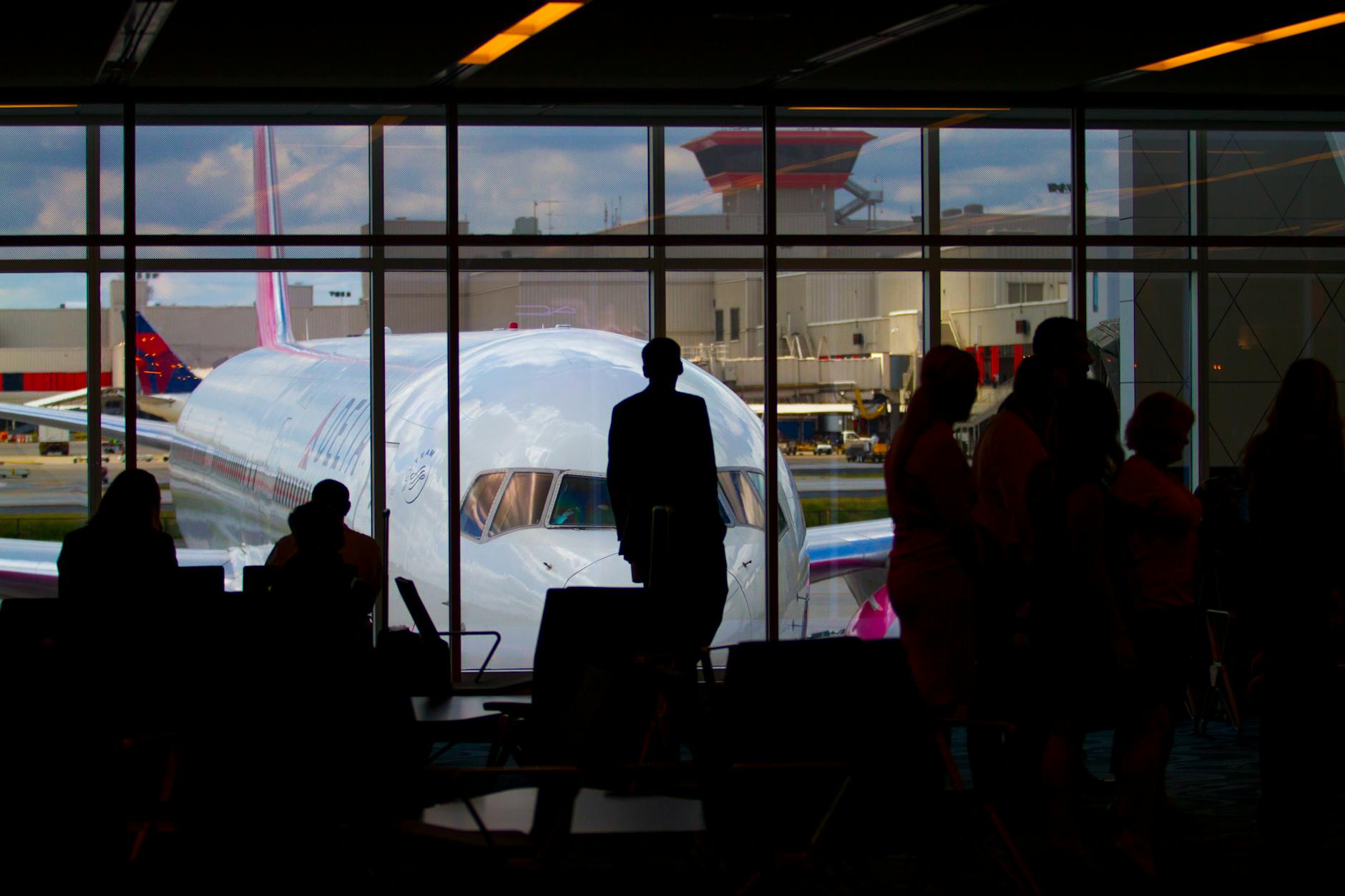
For travelers, this translates into a nightmare scenario of unpredictable and often excruciatingly long security lines, with wait times of 2, 3, and even 4 hours being reported. Airline CEOs, representing major carriers like Southwest, United, Delta, and American, have collectively sounded the alarm, labeling the situation "simply unacceptable" in a letter to Congress. They warn that the system is straining under pressure, especially during peak spring break travel, with 171 million passengers expected this season – a record high.
Beyond mere inconvenience, former TSA Administrator John Pistole has highlighted a critical national security vulnerability. He warned that longer wait times and crowded security lines create potential "soft targets" for malicious actors, posing a "double problem" of concentrated people and a strained security system. The current funding impasse is not just about politics; it's about the fundamental safety and efficiency of America's air travel infrastructure.
Why is Trump Threatening to Deploy ICE to Airports?
Amidst the escalating chaos of the DHS shutdown, President Donald Trump introduced a highly controversial proposal: deploying Immigration and Customs Enforcement (ICE) agents to airports nationwide. Announced via a Truth Social post on March 21, 2026, Trump framed this as a bold solution to the funding stalemate, promising to "do Security like no one has ever seen before," including the "immediate arrest of all illegal immigrants." This threat emerged as a direct response to the Democrats' refusal to approve DHS funding without significant policy changes regarding immigration enforcement.
The White House's rationale, as articulated by the administration, positions the use of existing federal law enforcement resources as a necessary measure to maintain operational continuity during periods of fiscal instability. By reassigning ICE agents, the administration suggests it can fill the void left by unpaid and absent TSA officers, thereby bolstering national security. This move is presented as a pragmatic way to address the immediate staffing crisis and demonstrate decisive action in the face of congressional gridlock.
However, critics widely view this proposal as less of a credible operational plan and more of a high-risk political gambit. The threat to deploy ICE agents, with their distinct reputation as a frontline deportation force, serves as a powerful negotiating tactic in the broader struggle over immigration policy. Trump explicitly linked the deployment to the arrest of undocumented immigrants, particularly singling out those from Somalia in Minnesota, thereby injecting a highly charged political dimension into airport security.
This strategy aims to put pressure on Democrats by highlighting the perceived consequences of their demands for immigration enforcement restrictions, which include requirements for judicial warrants, agents to remove masks, and an end to "roving patrols." By threatening a visible and potentially disruptive shift in airport security, the administration seeks to force concessions on its immigration agenda, using the ongoing travel disruptions as leverage in a high-stakes political showdown.
What are the Operational and Psychological Impacts of ICE at Airports?
Deploying Immigration and Customs Enforcement (ICE) agents to airports, as proposed by President Trump, presents a glaring operational disconnect and carries significant psychological implications for travelers. The core problem lies in the fundamental mismatch between ICE's primary mission and the specialized demands of aviation security. ICE agents are trained for immigration enforcement, focusing on investigation, detention, and removal operations, which is a stark contrast to the technical skills required for high-volume passenger screening, such as X-ray imagery interpretation and non-metallic explosive detection.
This lack of specialized training means ICE agents are ill-equipped to perform the nuanced duties of TSA officers, potentially leading to widespread inefficiency and new safety vulnerabilities. Airports like Hartsfield-Jackson Atlanta International or LAX operate at a rapid-fire pace, demanding precise and consistent screening processes. Introducing agents unaccustomed to this environment would inevitably slow down operations, exacerbate wait times, and compromise the predictable screening standards that have been the hallmark of air travel for over two decades. The redirection of these agents also raises concerns about understaffing in their congressionally mandated duties elsewhere, potentially leaving other borders and investigative units vulnerable.
Beyond the logistical hurdles, the psychological impact on the flying public could be profound. Replacing a civilian screening force with armed immigration agents, whose mandate includes arresting undocumented immigrants, is expected to foster a climate of fear and anxiety rather than public safety. Travelers, both domestic and international, may perceive airports as sites of potential legal confrontation, leading to a decrease in travel demand. This shift could fundamentally alter the traveler experience, moving from a service-oriented approach to a more militarized domestic environment.
The international perception of the United States is also at stake. Airports serve as symbolic entry points, offering foreign visitors their first interaction with American authority. Diplomacy experts warn that deploying armed immigration agents sends a message of isolationism and hostility, potentially tarnishing the welcoming image of the United States and negatively impacting tourism and international business relations. The proposal, therefore, risks not only domestic operational chaos but also a broader diplomatic disaster.
How Does This Affect Airlines and the Travel Industry?
The ongoing DHS shutdown and the proposed deployment of ICE agents represent a significant headwind for airlines and the broader travel industry, creating a volatile and uncertain operating environment. Airlines are already feeling the pinch from the current TSA staffing crisis, which has led to widespread delays and passenger frustration. Major U.S. carriers, including Southwest, United, Delta, and American, have collectively expressed alarm, with their CEOs warning Congress that the system is straining under pressure.
The financial implications are direct and substantial. Prolonged delays and unpredictable airport experiences can deter potential travelers, leading to a decrease in bookings and revenue. American Airlines (AAL) stock, for instance, has already seen a 23% decline over the past month, reflecting the market's pricing in of the worst-case TSA staffing collapse. The VIX, a measure of market volatility, is elevated near 27, underscoring the economic uncertainty stemming from the shutdown. While the market may have discounted the immediate impact of TSA issues, the added layer of ICE deployment introduces new, unquantifiable risks.
Should ICE agents be deployed, the operational inefficiencies and psychological deterrents discussed previously would likely translate into further reduced travel demand. A climate of fear at airports, coupled with slower screening processes, could make air travel less appealing, particularly for international visitors who contribute significantly to the U.S. tourism economy. This could lead to a downturn in tourism, impacting not just airlines but also hotels, rental car companies, tour operators, and countless small businesses dependent on travel.
Moreover, the airline industry faces increased operational costs from holding flights and rebooking passengers due to security delays. While airlines are attempting to mitigate these issues, there's a limit to what they can do without fully paid federal workers. The potential for a tarnished international image could also have long-term repercussions, making the U.S. a less attractive destination for global business and leisure travel, thereby affecting the competitiveness of U.S. carriers and the overall health of the travel sector for years to come.
What Are the Democrats' Demands and the Broader Political Stakes?
The current DHS funding standoff is not merely a budgetary dispute; it's a high-stakes political battle primarily centered on immigration enforcement policies. Democrats have made it clear they will not provide a "blank check for chaos" to the White House without significant reforms to how federal immigration agents operate. Their demands are rooted in serious concerns about accountability and the protection of civil liberties, particularly following incidents like the killing of two U.S. citizens in Minneapolis in January by federal agents during immigration enforcement actions.
Key among Democratic demands are several policy changes aimed at reining in the aggressive tactics of ICE and Customs and Border Protection (CBP). They are pushing for a requirement that ICE agents obtain judicial warrants—signed by a judge—for arrests, rather than relying on administrative warrants, which are internal agency documents. Democrats also seek to end "roving patrols," a term they use to describe broad, dragnet immigration operations, and to implement requirements for agents to wear body cameras and remove their masks in the field, citing concerns about transparency and accountability.
Furthermore, Democrats are advocating for reduced funding for immigration enforcement and a decrease in capacity at detention centers. These demands reflect a broader effort to shift the focus of immigration policy away from aggressive enforcement and towards more humane and legally stringent practices. The White House has shown some willingness to codify certain immigration enforcement areas into law, but sticking points, particularly around judicial warrants, remain "particularly challenging."
The political stakes are incredibly high for both sides. For the Trump administration, securing funding without significant concessions on immigration enforcement is crucial for demonstrating control and fulfilling campaign promises. For Democrats, holding the line on these reforms is essential for upholding their principles on civil rights and accountability. The standoff has already forced the Senate Majority Leader, John Thune, to threaten canceling the two-week Easter recess, underscoring the urgency and the deep divisions that continue to paralyze Congress and impact critical federal operations.
The Road Ahead for Investors
The current political gridlock and its direct impact on national security and travel infrastructure present a complex and uncertain outlook for investors in the airline and travel sectors. The market has already begun to price in the immediate disruptions from the TSA staffing crisis, but the long-term implications of a potentially militarized airport environment remain largely unquantified. Investors should brace for continued volatility and prioritize companies with strong balance sheets and diversified revenue streams that can weather sustained periods of reduced travel demand or increased operational friction.
The resolution of the DHS funding standoff will be a critical determinant of market sentiment. Any deal that alleviates the TSA staffing crisis without introducing new operational complexities from ICE deployment would likely be a positive catalyst. Conversely, a prolonged impasse or the actual implementation of the ICE deployment plan could further depress travel demand and increase operational costs for airlines, potentially leading to further stock price depreciation.
Beyond the immediate political theater, the underlying concerns about aviation security and the traveler experience will persist. Companies that can adapt to evolving security landscapes, perhaps through technological innovations or enhanced customer service to mitigate delays, may find themselves in a stronger position. Ultimately, the narrative around travel safety and efficiency will heavily influence consumer behavior, making it a key metric for investors to monitor in the coming months.
Want deeper research on any stock? Try Kavout Pro for AI-powered analysis, smart signals, and more. Already a member? Add credits to run more research.
Related Articles
Category
You may also like


DHS Partial Shutdown Disrupts Airports Nationwide, TSA PreCheck And Global Entry Suspended

Delta Air Lines to Report Q4 Earnings: What's in the Offing?

Bitcoin, politics, and silver shocks fuel crypto's latest narrative storm
Breaking News
View All →Featured Articles
Top Headlines

Meta Stock Slips Below $600. Time to Buy?

The Best Stocks to Invest $5,000 in Right Now
The Silicon Valley Salesman Accused of Helping China Get Nvidia's Top Chips

Why Wall Street wasn't won over by Nvidia's big conference