Key Takeaways
- United Airlines is aggressively overhauling its MileagePlus program, effective April 2, 2026, to heavily favor co-branded credit cardholders, aiming to boost high-margin ancillary revenue.
- While the strategy aligns with industry trends to deepen loyalty with high-spending customers, it risks alienating casual travelers and could face short-term customer backlash.
- UAL's stock saw initial volatility, dropping 3% before rebounding 2.71%, as investors weigh the long-term financial benefits against potential reputational costs and execution risks.
What's Driving United's Loyalty Program Overhaul?
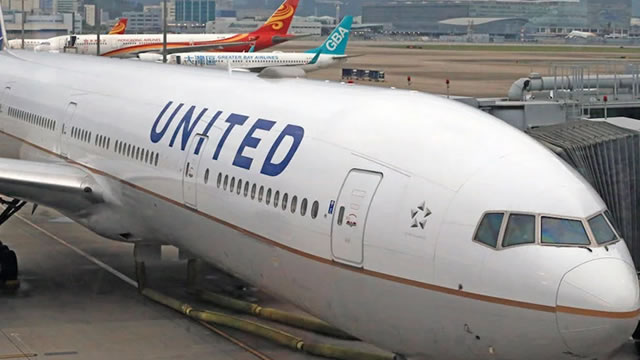
United Airlines (UAL) is making its boldest move in over a decade to reshape its MileagePlus loyalty program, a strategic shift designed to put its co-branded credit cards front and center. Effective April 2, 2026, the airline will dramatically increase mileage earnings and redemption perks for cardholders, while simultaneously scaling back benefits for those without a United-affiliated card. This isn't just a tweak; it's a full-throttle escalation in the "credit card perk wars" that have gripped the airline industry.
The core of the changes is a revamped mileage-earning structure. Primary MileagePlus cardholders will now earn up to six miles per dollar spent on United flights, a significant boost compared to the three miles per dollar non-cardholders will receive. Even more compelling, cardholders will enjoy at least a 10% discount on award flight redemptions, with Premier elite members holding a card getting even deeper savings, potentially 15% or more on premium cabins like Polaris. Crucially, non-cardholders booking basic economy tickets will no longer earn any miles, a stark "addition by subtraction" tactic.
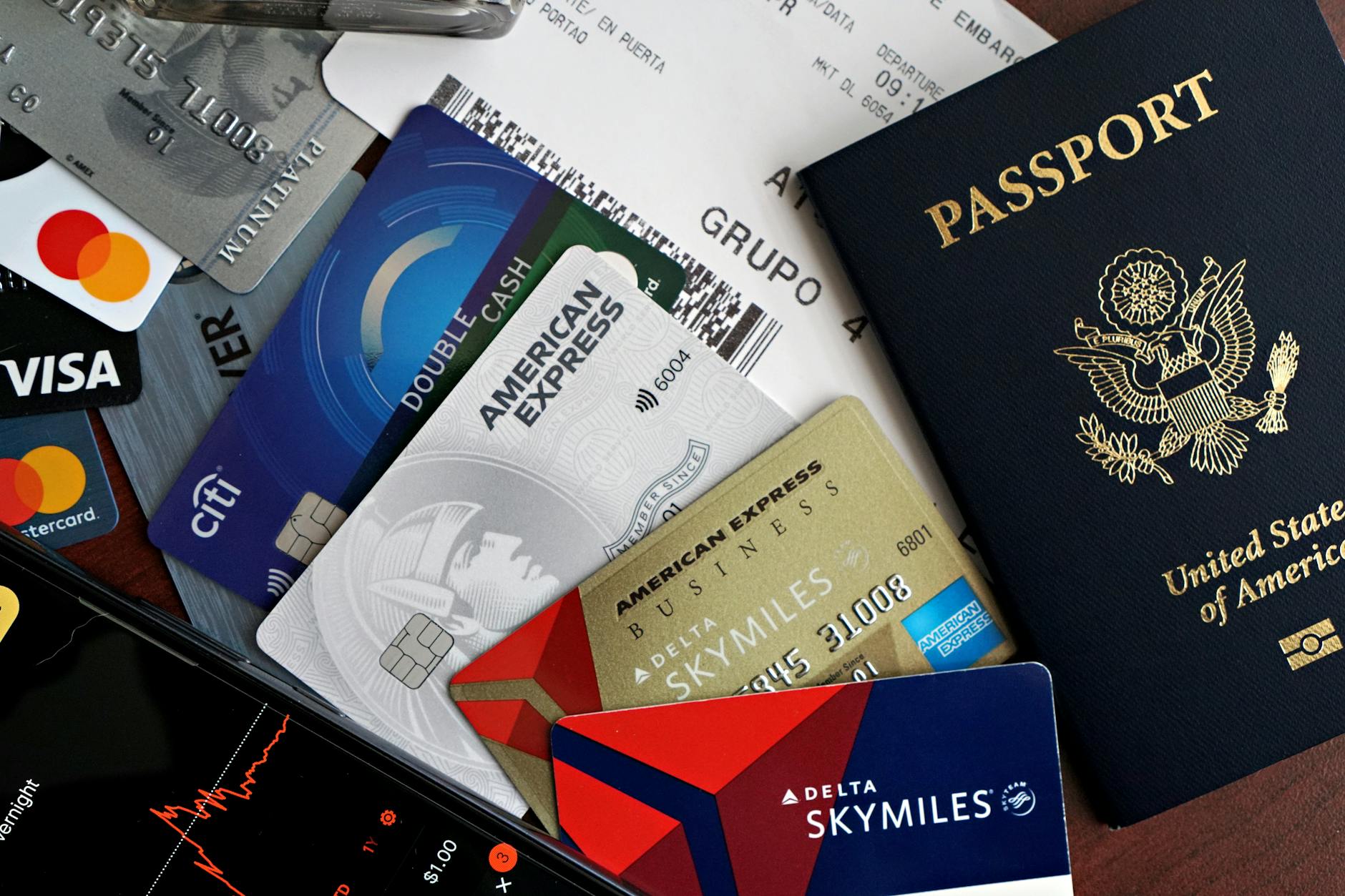
This aggressive pivot is a direct response to the intensifying competition in the travel rewards sector, where premium cards from American Express, Capital One, and Chase dominate. United's Chief Commercial Officer, Andrew Nocella, emphasized the need to differentiate the airline's offerings, making the United card a "top of wallet" choice. The airline, in partnership with JPMorgan Chase (JPM), is banking on these enhanced perks—like waived checked bag fees and priority boarding—to drive card adoption and deepen customer engagement, aligning with a broader industry trend seen at rivals like Delta and American Airlines.
How Does This Impact United's Financials and Loyalty Program Profitability?
United's MileagePlus overhaul is a calculated bet on the immense profitability of its loyalty program, a segment that has become the "lifeblood" of major airlines. These programs, particularly through co-branded credit card partnerships, are notorious cash cows, often boasting higher margins than the core flight operations. For United, this strategy aims to funnel more revenue into an already lucrative engine, leveraging its partnership with JPMorgan Chase to maximize financial gains.
Loyalty programs contribute a substantial 7-10% of total airline revenue, with some carriers like Delta reporting billions in annual revenue from their American Express partnerships alone. While United's reported $3.2 billion from its "other operating line" (primarily frequent flyer payments) in 2023 lagged Delta's $6.8 billion and American's $5.2 billion, this overhaul is a clear push to close that gap. By incentivizing card adoption, United stands to gain from increased credit card interchange fees, higher transaction volumes, and a more predictable revenue stream from the sale of miles to its banking partner.
The financial success of this move hinges on a critical trade-off: balancing increased cardholder revenue against potential losses in ticket volume or brand loyalty from alienated non-cardholders. The airline is essentially asking non-card customers to pay a higher implicit price for their miles, while offering cardholders a discount on award tickets. Investors will closely monitor post-April 2 metrics, including cardholder growth, redemption rates, and, most importantly, the reported credit card revenue and loyalty program profitability in upcoming earnings reports. If the card business grows robustly, it will validate the strategy; if not, it signals a miscalculation.
Is United Airlines Stock Fairly Valued After the Loyalty Program Shake-Up?
United Airlines stock (UAL) has experienced a mixed reaction to the MileagePlus program changes, initially dipping 3% on the announcement before rebounding 2.71% to trade at $113.03 as of February 20, 2026. This volatility reflects investor uncertainty regarding the long-term financial impact and potential customer backlash. However, a deeper look at UAL's current valuation metrics suggests the stock might be trading at a reasonable level, with potential upside if the loyalty strategy pays off.
UAL currently trades at a P/E ratio of 11.02, which is competitive within the airline sector, especially considering its TTM EPS of $10.25. The company's market capitalization stands at $36.59 billion, with an Enterprise Value (EV) of $67.10 billion, reflecting its significant debt load (D/E ratio of 2.39). While the EV/EBITDA of 8.90 indicates a valuation that factors in its operational cash flow, the P/S ratio of 0.62 suggests that the market isn't overpaying for its revenue base of $180.64 per share.
Wall Street analysts currently hold a "Buy" consensus rating for UAL, with 27 Buy ratings and 16 Hold ratings out of 43 analysts. The consensus price target is $138.27, with a median of $136.00 and a high of $150.00, implying a potential upside of 22-33% from the current price. This optimism is likely fueled by the anticipated boost from the loyalty program, alongside strong forward revenue estimates of $75.2 billion for FY2029 and $79.4 billion for FY2030. The market's initial skepticism seems to be giving way to a more nuanced view, acknowledging the strategic intent behind the loyalty overhaul.
What Are the Key Risks and Opportunities for UAL Investors?
United's aggressive loyalty program changes present a double-edged sword for investors, carrying both significant opportunities for revenue growth and notable risks that could undermine its strategic goals. The primary opportunity lies in the enhanced profitability of its co-branded credit card business. By making the MileagePlus card a near-mandatory tool for maximizing mileage accumulation and redemption value, United aims to capture a larger share of the high-margin ancillary revenue stream that loyalty programs generate.
The airline plans to highlight discounted award flights on its website, potentially driving a surge in card sign-ups and increased spending on co-branded cards. This could lead to higher credit card interchange fees and ancillary revenue, bolstering UAL's overall financial performance. Furthermore, by focusing on "highest-spending customers," United is aligning with a broader industry trend of "premiumization," where airlines prioritize high-value travelers who contribute disproportionately to profits. This strategy could strengthen United's competitive moat by deepening loyalty with its most valuable customers.
However, the risks are equally pronounced. The most immediate concern is the potential for customer backlash and erosion of goodwill among casual travelers or non-cardholders who now face reduced benefits. Critics argue that these changes could discourage new card sign-ups from price-sensitive travelers or even lead to flight cancellations. Alienating a segment of flyers could reduce overall ticket volume, offsetting the gains from increased cardholder revenue. Moreover, the long-term success hinges on execution and customer adoption meeting expectations. If the perceived value for cardholders doesn't justify the effort, or if non-cardholders simply choose other airlines, the strategy could backfire, impacting United's brand reputation and ultimately its financial health.
How Does United's Strategy Compare to Industry Trends?
United's MileagePlus overhaul isn't happening in a vacuum; it's a direct reflection of a broader, industry-wide shift in how airlines view and monetize their loyalty programs. For years, major carriers have been moving away from distance-based rewards to spend-based models, a transition United itself began in 2016. This latest intensification, however, signals a new phase: making co-branded credit card ownership almost essential for maximizing loyalty benefits.
Competitors like Delta Air Lines and American Airlines have similarly adjusted their loyalty programs to reward spenders, recognizing that these programs are major profit engines. Delta, for instance, has a highly lucrative partnership with American Express, generating billions annually. United's partnership with JPMorgan Chase for its co-branded cards positions it squarely in this competitive arena, aiming to replicate the success seen by its rivals. The perks offered, such as waived checked bag fees and priority boarding, are standard tools in this loyalty arms race, designed to boost card adoption and "top of wallet" status.
This industry-wide pivot to "credit cardization" of flying underscores how airlines are increasingly relying on financial partnerships for revenue. Loyalty programs have become so profitable that they often outpace the margins from actual flight operations. The challenge for United, and indeed for the entire industry, is to continue extracting value from these programs without pushing customers too far. While the strategy aligns with current trends, there's a growing debate among travel experts about whether the industry is approaching a "peak" in this credit card-centric approach, especially given potential disruptions from new payment networks or legislative caps on interchange fees.
What Should Investors Watch Next for UAL?
Investors tracking United Airlines (UAL) should keep a close eye on several key metrics and developments in the coming quarters to fully assess the impact of the MileagePlus overhaul. The most immediate focus will be on the post-April 2, 2026 rollout, specifically monitoring adoption rates of United's co-branded credit cards and any shifts in customer sentiment. Look for management commentary on card sign-ups, increased spending on these cards, and any early indicators of customer churn among non-cardholders.
Beyond adoption, the critical financial indicators will be United's reported credit card revenue and the overall profitability of its loyalty program. These figures, often disclosed within "other operating revenue" or similar line items, will reveal whether the increased revenue from card partnerships is effectively offsetting any potential decline in ticket sales or customer goodwill. Pay attention to UAL's upcoming earnings calls for detailed insights into these segments, as well as any adjustments to forward guidance that might reflect the program's initial success or challenges.
The long-term success of this strategy also hinges on the competitive response from other airlines and credit card issuers. If United's move proves highly successful, expect rivals to further intensify their own loyalty offerings, potentially escalating the "perk wars" even further. Investors should also remain aware of broader economic trends and potential legislative actions, such as proposed caps on credit card interchange fees, which could significantly impact the profitability of these lucrative loyalty programs across the entire airline industry.
United's bold loyalty program overhaul is a high-stakes gamble to secure a larger slice of the lucrative credit card revenue pie. While the strategy aligns with profitable industry trends, its success hinges on careful execution and the delicate balance of rewarding high-value customers without alienating the broader traveler base. Investors should monitor post-rollout metrics closely to determine if this aggressive pivot truly delivers long-term shareholder value.
Want deeper research on any stock? Try Kavout Pro for AI-powered analysis, smart signals, and more. Already a member? Add credits to run more research.