MarketLens
Back-to-School 2025: Why Walmart and Amazon Are Crushing the Competition While Target Struggles

The $40 Billion Battle That's Reshaping Retail Winners and Losers
As families gear up for the 2025 back-to-school season, a $40 billion spending spree is revealing which retailers will dominate the crucial holiday quarter ahead. The verdict is in: value-obsessed consumers are crowning clear winners while punishing those caught in the middle.
Walmart (WMT) and Amazon (AMZN) are steamrolling the competition with explosive e-commerce growth and aggressive pricing, while Target (TGT) watches customers walk out the door. Meanwhile, a surprising dark horse emerges in Best Buy (BBY), defying the tech spending slump with a strategic bet on gaming and AI-powered computers.
The Numbers Behind the Shopping Cart Wars
The 2025 back-to-school market remains massive despite economic headwinds. The National Retail Federation projects K-12 spending at $39.4 billion, up slightly from last year but below 2023's peak. What's striking is this represents a 60% increase from pre-pandemic levels—proof that back-to-school has become retail's second Christmas.
But here's what's driving stock movements: consumers aren't spreading their dollars evenly. They're consolidating spending at retailers offering rock-bottom prices and seamless shopping experiences.
Table 1: 2025 Back-to-School Spending Forecasts
| Data Source | Total K-12 Market ($B) | YoY Change (%) | Avg Spend per Household ($) |
|---|---|---|---|
| National Retail Federation | $39.4 | +1.5% | $858.07 |
| Deloitte | $30.9 | -1.3% | $570 (per child) |
| Coresight Research | $33.3 | +3.3% | $378 (per child) |
The real story isn't in these top-line numbers—it's in where consumers are shopping. Mass merchants captured 83% of parents' shopping plans, up from 77% last year. That's a market share grab that's showing up directly in earnings reports.
Walmart's Dominance Play Is Working
Walmart isn't just winning; it's demolishing expectations. The retail giant's Q2 results tell the story:
- Revenue: $177.4 billion, up 4.8%
- E-commerce growth: A staggering 25% globally, 26% in the U.S.
- Market perception: 49% of consumers believe Walmart offers the best back-to-school deals
The company's "First-Day Fresh" campaign—promising a complete back-to-school bundle for under $65—perfectly captures the zeitgeist. With inflation pushing educational supplies up 9.4% year-over-year and 70% of consumers saying inflation will limit their spending, Walmart's value proposition is irresistible.
Wall Street agrees. The stock carries a "Strong Buy" consensus with an average price target of $114.14, suggesting significant upside from current levels.
Amazon's Prime Position
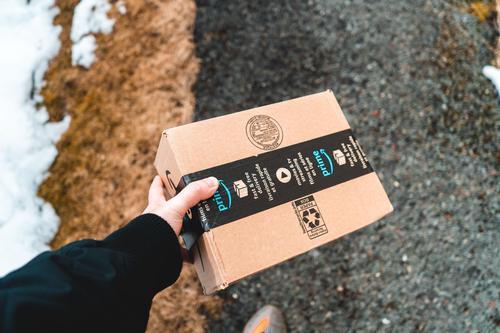
Amazon has effectively hijacked the back-to-school calendar. Its July Prime Day has become the unofficial season kickoff, with 82% of shoppers planning purchases around the event. The strategy is paying off handsomely:
- Q2 revenue: $167.7 billion, up 13% YoY
- Operating income: $19.2 billion, up from $14.7 billion
- High-margin growth: AWS up 17.5%, advertising up 22%
The bull case for Amazon extends beyond retail. Its diversified revenue streams provide insulation from margin pressures plaguing traditional retailers. With 50+ analysts rating it a "Strong Buy" and an average price target of $264.81, AMZN remains a core portfolio holding.
Target's Troubling Traffic Problem
While Walmart and Amazon celebrate, Target faces a harsh reality. Despite posting decent digital growth of 4.3%, the company's Q2 numbers reveal deep problems:
- Total revenue: $25.2 billion, down 0.9% YoY
- Comparable store sales: Down 3.2%
- Overall comp sales: Down 1.9%
The most alarming signal? Physical store traffic is hemorrhaging. Target's attempting to compete on both value and experience, but it's getting squeezed from both ends. Budget shoppers flee to Walmart while convenience seekers choose Amazon.
Analysts are split, with 50% at "Hold" and an average price target of $124.38. Until Target shows it can stem the traffic bleeding, investors should remain cautious.
The Surprise Winner: Best Buy's Tech Comeback
Here's where smart money might find opportunity. Best Buy (BBY) delivered a shock Q2 beat that suggests the market's tech pessimism is overdone:
- Revenue: $9.44 billion, beating estimates
- Comp sales: Up 1.6%, highest growth in three years
- Online sales: Up 5.1% domestically
The secret? While overall tech spending is flat, specific product cycles—Nintendo Switch 2, AI-enabled laptops—are driving robust demand. Best Buy is perfectly positioned to capture this innovation-driven spending. The stock looks undervalued as the market hasn't fully recognized this product cycle strength.
Dollar Stores: The Defensive Play That's Gaining Ground
Dollar Tree (DLTR) just dropped an earnings bombshell that should make every investor pay attention:
- Q2 EPS: $0.77 vs. $0.40 expected—a 92.5% beat
- Comp store sales: Up 6.5%
- New customer profile: Two-thirds earn over $100,000 annually
This isn't your typical recession trade. Dollar Tree is attracting affluent shoppers who are permanently changing their buying habits. It's a defensive play with offensive upside. Note that Dollar Tree has minimal e-commerce presence (about $125 million annually), instead partnering with Uber Eats for delivery services.
Table 2: Q2 2025 Retailer Performance Snapshot
| Company | Ticker | Revenue Growth (%) | E-commerce Growth (%) | EPS Surprise (%) |
|---|---|---|---|---|
| Walmart | WMT | +4.8% | +25.0% (global) | -8.1% |
| Target | TGT | -0.9% | +4.3% | +0.5% |
| Amazon | AMZN | +13.0% | +11.0% (online stores) | +26.3% |
| Best Buy | BBY | +1.6% (comp sales) | +5.1% | +4.9% |
| Dollar Tree | DLTR | +12.3% | Minimal* | +92.5% |
*Dollar Tree focuses on physical stores with Uber Eats partnership for delivery
The Category Shift That's Moving Markets
Investors need to understand a fundamental reallocation happening within back-to-school spending. Apparel is surging (up 6% according to Deloitte) while electronics are declining (down 8%). This benefits retailers with strong clothing offerings and private labels—another win for Walmart with its new "Weekend Academy" brand targeting tweens.
The shift isn't temporary. After years of buying laptops for remote learning, families are saturated with tech. Unless there's a compelling innovation—like those AI-powered computers Best Buy is pushing—tech spending stays flat.
Investment Playbook for Back-to-School Winners
Core Holdings:
- Walmart (WMT): The undisputed value champion with unstoppable momentum and 26% U.S. e-commerce growth
- Amazon (AMZN): Dominant positioning with multiple growth engines beyond retail
Growth Opportunity:
- Best Buy (BBY): Misunderstood story with product cycle tailwinds the market's missing
Defensive Value:
- Dollar Tree (DLTR): Capturing permanent shopping behavior changes across income levels with massive 92.5% earnings beat
Avoid for Now:
- Target (TGT): Stuck in no-man's land between value and convenience with declining store traffic
What This Means for Holiday 2025
The back-to-school season is retail's crystal ball for the holidays, and the message is crystal clear: value and convenience will determine winners. The trends emerging now—early shopping around mega-sales events, channel consolidation toward low-price leaders, and the embrace of private labels—will intensify during Q4.
Walmart's market share gains and Target's traffic losses aren't seasonal blips; they're structural shifts accelerating under economic pressure. With 73% of shoppers expecting further price increases from tariffs and 83% of parents reporting similar or worse financial situations than last year, the flight to value isn't ending anytime soon.
The Bottom Line
The 2025 back-to-school season has separated retail winners from losers with surgical precision. Walmart and Amazon are executing flawlessly on what consumers demand: unbeatable prices and frictionless shopping. Dollar Tree is capitalizing on a broad trading-down trend that's attracting surprising demographics. Best Buy offers a contrarian opportunity as product innovation overrides category weakness.
Target remains the cautionary tale—proof that in today's retail environment, you can't be everything to everyone. As investors position for the crucial holiday quarter, the smart money follows the clear consumer verdict: bet on value, convenience, and the retailers who've mastered both.
Ready to dive deeper into complex investment analysis like this? Discover how Kaout Pro's financial research agents can automate sophisticated market comparisons, company valuations, and strategic assessments. Our AI-powered platform transforms hours of manual research into comprehensive, data-driven insights in minutes. Subscribe to Kaout Pro today and elevate your investment research with the power of automated financial intelligence.
Related Articles
Category
You may also like
No related articles available
Breaking News
View All →No topics available at the moment