

Stock News•2 weeks ago
Here's Why I Think AT&T Stock Could Be a No-Brainer Buy Right Now
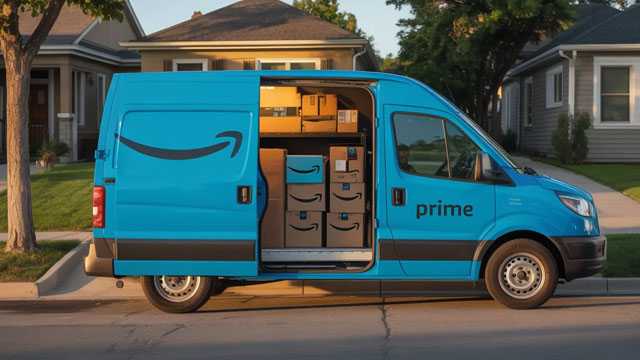
AT&T announced a deal with Amazon for satellite internet, positioning the pair to challenge SpaceX's Starlink. Terms and financial details were not disclosed.
The potential merger between DirecTV and Dish Network, two of the largest satellite TV providers in the United States, is poised to create the largest pay-TV service in the country. This report delves into the implications of this merger for the pay-TV industry and investors, examining the current landscape, historical context, financial performance, regulatory concerns, and future outlook.
The pay-TV industry has experienced a steady decline in subscriber numbers over the past decade. In 2015, the industry boasted a subscriber base of 104 million, but this number has since dwindled to less than 70 million in 2024. The primary driver of this decline has been the rapid adoption of streaming services such as Netflix, Amazon Prime Video, and Disney+, which offer consumers greater flexibility and a wider range of content.
Streaming services have not only eroded the subscriber base of traditional pay-TV providers but have also intensified competitive pressures. Companies like Netflix and Amazon Prime Video have invested heavily in original content, attracting a growing number of viewers. This shift has forced pay-TV providers to rethink their strategies and explore new avenues for growth and sustainability.
The idea of a merger between DirecTV and Dish Network is not new. In 2002, the two companies attempted to merge, but the U.S. Department of Justice blocked the deal due to antitrust concerns. The regulatory environment at the time was less favorable, with concerns about reduced competition and potential harm to consumers.
Both DirecTV and Dish Network have faced financial challenges in recent years. EchoStar, the parent company of Dish Network, reported a 9% year-over-year decline in revenues, totaling $3.96 billion in the last quarter, which missed consensus estimates by 0.6%. DirecTV, owned by AT&T Inc. and TPG Inc., has also seen its subscriber base shrink, reflecting broader industry trends.
If the merger is finalized, the combined entity would have nearly 20 million subscribers, making it the largest pay-TV provider in the United States. This consolidation could strengthen the competitive position of DirecTV and Dish Network against cable companies and streaming giants. The merger would also create a near-monopoly on satellite TV services, with 99% coverage across the country.
Despite the potential benefits, the merger is likely to face intense regulatory scrutiny. The U.S. Department of Justice and the Federal Communications Commission (FCC) will closely examine the deal to ensure it does not harm competition or consumers. However, the shift to streaming services may ease some of these concerns, as the pay-TV industry is no longer the dominant force it once was.
For consumers, the merger could have mixed implications. On one hand, a larger, more competitive pay-TV provider could offer better service and more attractive packages. On the other hand, reduced competition in the satellite TV market could lead to higher prices and fewer choices. The long-term impact on consumers will depend on how the merged entity navigates these challenges and adapts to the evolving market landscape.
The news of the potential merger has already had a positive impact on the stock performance of the involved companies. Shares of EchoStar (SATS) surged by 8.9%, closing at $26.44 following reports of the merger discussions. Similarly, stock values for AT&T and EchoStar saw increases of 7% and 2%, respectively. This reflects investor optimism about the potential for market consolidation and improved competitive positioning.
The merger could provide much-needed financial stability for both DirecTV and Dish Network. By combining their resources and subscriber bases, the companies could achieve economies of scale and reduce operational costs. This, in turn, could enhance their ability to invest in new technologies and content, driving future growth. However, the financial challenges faced by Dish Network, including $2 billion in debt due in November, remain a critical factor to consider.
While the merger presents opportunities for growth, it also carries significant regulatory risks. The antitrust concerns that blocked the previous merger attempt in 2002 could resurface, potentially delaying or derailing the deal. Investors must weigh these risks against the potential benefits, keeping a close eye on regulatory developments and the evolving competitive landscape.
The pay-TV industry is at a crossroads, with streaming services continuing to gain traction. For the merged entity to succeed, it must adapt to this new reality by embracing digital transformation and exploring hybrid models that combine traditional pay-TV with streaming offerings. This could involve partnerships with streaming platforms, investments in original content, and the development of innovative service packages.
While the merger could provide a temporary boost to DirecTV and Dish Network, its long-term viability remains uncertain. The ongoing decline of traditional cable and satellite services suggests that the pay-TV industry must undergo significant changes to remain relevant. The merged entity will need to continuously innovate and evolve to stay competitive in a market increasingly dominated by streaming services.
To enhance their market position, DirecTV and Dish Network could explore strategic partnerships and diversification opportunities. This could involve collaborations with technology companies, content creators, and other industry players to expand their offerings and reach new customer segments. By diversifying their revenue streams and leveraging new technologies, the merged entity can better navigate the challenges of the evolving pay-TV landscape.
The potential merger between DirecTV and Dish Network represents a significant development in the pay-TV industry, with far-reaching implications for the market and investors. While the merger could create the largest pay-TV provider in the United States and strengthen the competitive position of the involved companies, it also carries regulatory risks and uncertainties. The long-term success of the merged entity will depend on its ability to adapt to the streaming revolution, innovate, and explore new growth opportunities. Investors must carefully consider these factors and stay informed about regulatory developments and market trends to make informed decisions.
Pro members only. Upgrade to access this article, premium analysis, and stock recommendations.