MarketLens
Is Nintendo Primed for a "Software Reset" in Fiscal 2027

Key Takeaways
- Wedbush's forecast of a "software reset" for Nintendo in fiscal 2027 signals a strategic pivot, likely involving a new console launch and a renewed focus on digital and first-party titles.
- Despite strong Switch 2 sales, Nintendo faces margin pressures from rising chip costs and geopolitical tariffs, necessitating a shift towards higher-margin software and IP monetization.
- NTDOY's current valuation and analyst consensus of "Buy" with significant upside potential suggest investor confidence, but execution risks around hardware innovation and AI integration remain.
Is Nintendo Primed for a "Software Reset" in Fiscal 2027?
Wedbush analysts are forecasting a significant "software reset" for Nintendo (NTDOY) in fiscal 2027, a strategic move that could redefine the company's trajectory beyond the current Switch 2 cycle. This isn't just about new games; it implies a fundamental re-evaluation of Nintendo's platform strategy, likely culminating in a next-generation console that leverages its robust intellectual property (IP) and digital distribution strengths. Such a reset would aim to invigorate the ecosystem, address evolving market demands, and potentially unlock new revenue streams.
The current Switch 2, while a commercial success with 15 million units sold globally as of late December 2025, operates on an "iterative tech" model compared to its predecessor. This means that while it offers improved performance, it doesn't represent a revolutionary leap in hardware. Wedbush's perspective suggests that Nintendo recognizes the limitations of this approach in the long run, especially as competitors push boundaries with more advanced hardware and AI integration. A "software reset" would likely coincide with a more innovative hardware offering, designed to support a fresh wave of first-party titles and enhanced digital experiences.
This strategic shift is crucial for Nintendo, which has historically thrived on long hardware cycles. The company's ability to maximize the lifespan of its consoles, building out extensive software libraries and strengthening online services, is a hallmark of its business model. However, this conservative approach carries the risk of falling behind technologically. The anticipated reset in fiscal 2027 could be Nintendo's proactive move to mitigate this risk, ensuring its platform remains competitive and appealing to a broad demographic of gamers.
The emphasis on software is particularly telling. Nintendo's first-party games, such as Mario, Zelda, and Pokémon, have consistently driven sales, accounting for approximately 81% of total software sales over the past nine years of the Switch era. Digital adoption is also on a strong upward trend, with 63% of all Nintendo game purchases in 2025 being digital, up from 43% in 2020. This shift to higher-margin digital sales provides a compelling financial incentive for a software-centric platform overhaul, promising improved profitability and a more agile content delivery model.
How Has Nintendo's Recent Performance Set the Stage for This Shift?
Nintendo's recent financial performance paints a mixed picture, highlighting both the enduring strength of its brand and the growing pressures that necessitate a strategic pivot. While the Switch 2 has enjoyed brisk sales, becoming the company's fastest-selling dedicated video game platform, the underlying financials reveal challenges that a "software reset" could address. The company's TTM (trailing twelve months) revenue growth has declined by -30.3%, with net income and EPS also falling by -43.2% year-over-year for FY2025. This contraction, despite strong console unit sales, underscores the margin compression Nintendo is experiencing.
A significant factor contributing to these pressures is the surging cost of memory chips and other electronic components, driven partly by intense demand from the artificial intelligence (AI) sector. Gaming consoles, including the Switch 2, rely heavily on these components, leading to increased production costs. While Nintendo has managed to maintain a positive, albeit slim, profit margin on the Switch 2, rising SG&A expenses, up 29% year-over-year in Q2 2026, further squeeze profitability. The company has absorbed some of these higher production costs without raising console prices, relying on strong sales volumes to compensate.
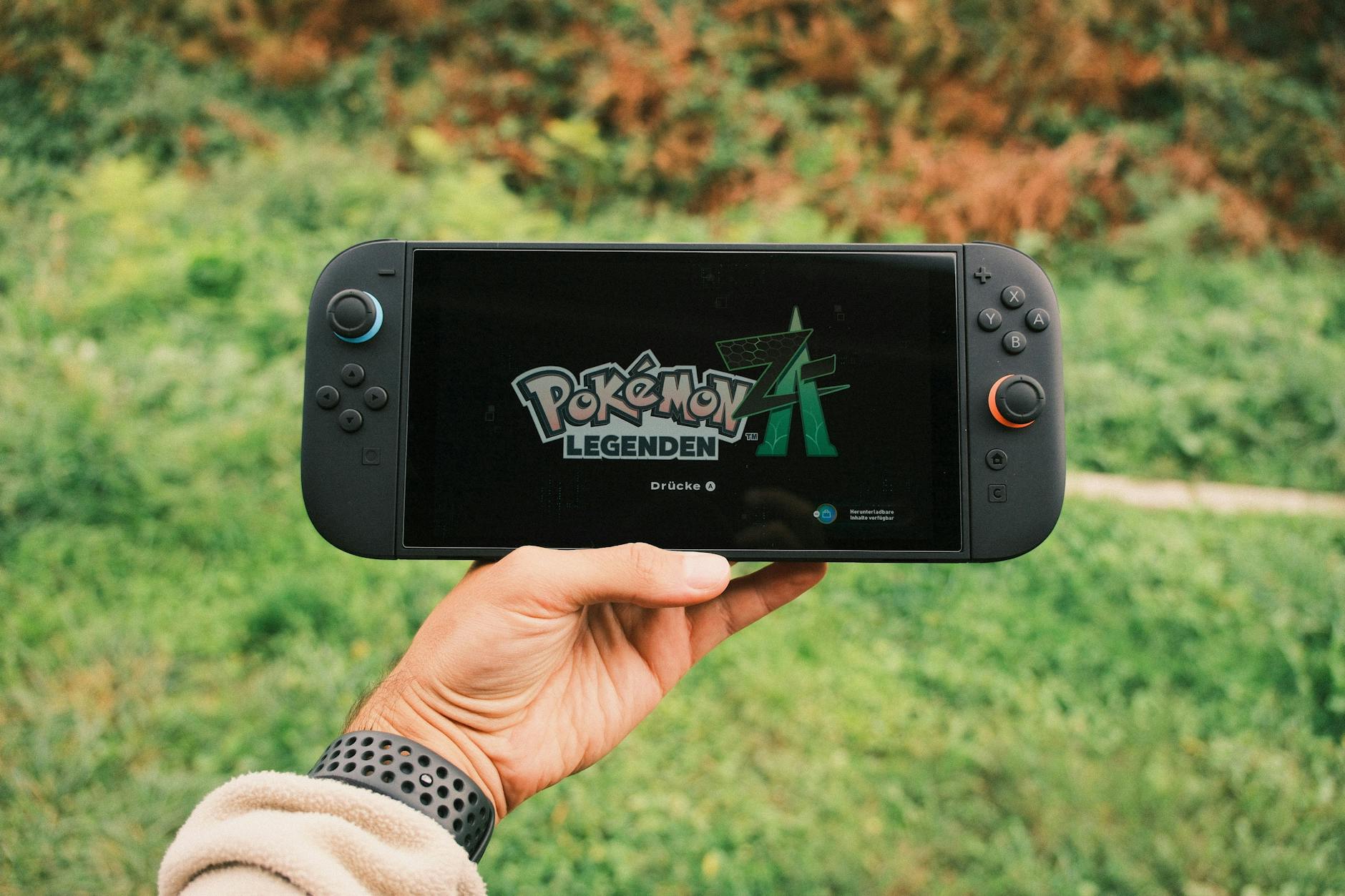
Software sales, however, remain a critical buffer. Titles like Pokémon Legends: Z-A sold 5.8 million units in its first week, demonstrating the immense power of Nintendo's first-party IP. The average Switch console boasts a tie ratio of approximately 9.5 games, indicating strong engagement and ongoing software revenue generation. This robust software ecosystem is vital, especially as digital sales, which carry higher margins, continue to grow. The company reported $54.5 billion in IP-related revenue in the first nine months of fiscal year 2026, representing 3% of overall sales but contributing significantly to the bottom line.
The stock has seen considerable volatility, trading at $12.16 as of May 4, 2026, near its 52-week low of $12.01, a stark contrast to its $24.92 high. This reflects investor apprehension regarding the company's ability to sustain growth amidst rising costs and the need for a clear future strategy. The upcoming "Super Mario Galaxy Movie" and the "Super Mario Bros. Wonder" game are expected to boost IP sales and console demand, but these are short-term catalysts. A more fundamental "software reset" is needed to address the long-term structural challenges and restore investor confidence in sustainable earnings growth.
What Are the Strategic Implications of a Major Platform Shift?
A major platform shift, as implied by Wedbush's "software reset" forecast, carries profound strategic implications for Nintendo, touching upon hardware innovation, content strategy, and its competitive stance. At its core, this move would likely involve the launch of a truly next-generation console, moving beyond the "iterative tech" of the Switch 2. This new hardware would need to offer a compelling technological leap to justify the investment from consumers and developers, potentially integrating advanced graphics capabilities, faster processing, and novel input methods to differentiate itself from rivals like Sony's PlayStation and Microsoft's Xbox.
Crucially, such a shift would necessitate a robust content pipeline. Nintendo's strength lies in its iconic first-party franchises, and a new platform would serve as a fresh canvas for these beloved characters. Expect a strong launch lineup of exclusive titles designed to showcase the new hardware's capabilities, driving early adoption. Furthermore, the company would likely emphasize backward compatibility, a feature highly valued by its loyal fanbase, ensuring that a significant portion of the existing Switch and Switch 2 software library remains playable. This continuity helps ease the transition for consumers and maximizes the value of their previous game purchases.
The "software reset" also implies a deeper commitment to digital services and online experiences. With 63% of Nintendo's game purchases in 2025 being digital, the trend is clear. A new platform would likely feature an enhanced digital storefront, improved online multiplayer infrastructure, and potentially new subscription services or cloud gaming initiatives to compete with offerings from rivals. This digital-first approach not only boosts margins but also allows for more flexible content delivery and ongoing engagement.
However, this transition is not without risks. Nintendo's conservative stance on AI integration, for example, stands in contrast to Sony and Microsoft, who are actively exploring AI-led imaging, audio, and game development pipelines. A new platform would need to address this gap, either by incorporating AI into its own development tools or by enabling AI-powered gaming experiences to avoid falling behind in a rapidly evolving technological landscape. The success of this strategic shift will hinge on Nintendo's ability to innovate meaningfully while retaining its unique identity and commitment to fun, accessible gaming.
What Headwinds Could Nintendo Face on This Journey?
Nintendo's journey towards a "software reset" and a potential new console launch is fraught with significant headwinds, ranging from macroeconomic pressures to technological challenges. One immediate concern is the persistent issue of rising memory chip costs, exacerbated by the booming demand for AI hardware. Nintendo relies heavily on partners like Nvidia for chips, and if Nvidia prioritizes AI, Nintendo risks slower hardware cycles and increased component expenses. This could compress margins on any new console, mirroring the slim profits currently seen on the Switch 2.
Geopolitical risks and tariffs also cast a long shadow. Increased tariffs on Chinese goods, which jumped to 20% in early 2025, have already impacted Nintendo, given that a significant portion of console manufacturing and parts sourcing occurs in China. While Nintendo has diversified some production to Vietnam and Cambodia, trade policy uncertainty remains a "paramount risk" for future hardware releases. These tariffs could force Nintendo to raise prices on its consoles or accessories for U.S. consumers, potentially hurting initial sales and market penetration.
Another challenge is the company's relatively quiet stance on artificial intelligence (AI) and large language model (LLM) integration. While competitors like Sony and Microsoft are actively exploring AI in their ecosystems, Nintendo has remained largely silent. This conservative approach risks leaving Nintendo behind in future software iterations and AI-enabled gaming experiences, especially as the digital world increasingly leverages AI for content creation and personalized player interactions. If consumers expect AI-driven innovation, Nintendo could find itself at a disadvantage.
Furthermore, the broader economic environment poses a threat. Signs of weakening consumer discretionary spending, coupled with a volatile U.S. economy, could dampen demand for new, potentially expensive, gaming hardware. While Nintendo has a strong balance sheet with over $15 billion in cash and no debt, allowing it to absorb some shocks, a prolonged economic downturn could severely impact sales. Investors are keenly watching for a swift resolution of geopolitical concerns and an improving global economy to bolster the business case for a major platform transition.
What Does This Mean for NTDOY Investors?
For investors holding Nintendo (NTDOY) shares, the prospect of a "software reset" in fiscal 2027 presents both considerable opportunity and inherent risk. The stock currently trades at $12.16, significantly below its 52-week high of $24.92, suggesting that much of the recent negative news, including production cuts and margin pressures, may already be priced in. This creates a potential entry point for long-term investors who believe in Nintendo's ability to execute a successful platform transition.
Analyst sentiment, while mixed in the short term, leans towards a "Buy" consensus. MarketBeat reports an average rating of "Moderate Buy," with three analysts recommending "Buy" and two on "Hold" out of five tracked by FMP. One analyst has a short-term price target of $34.90, representing a substantial 187.01% upside from the current price. This optimistic outlook is likely predicated on the expectation of a successful new console launch and continued monetization of Nintendo's powerful IP. The company's TTM P/E ratio stands at 22.09, which is within its historical range, suggesting it's not excessively overvalued despite recent challenges.
The bull case for NTDOY hinges on Nintendo's unparalleled IP power. Franchises like Mario, Zelda, and Pokémon have consistently generated staggering sales and global popularity. A new console, coupled with fresh first-party titles and expanded IP monetization through films like the "Super Mario Galaxy Movie," could reignite growth. The company's robust balance sheet, with a current ratio of 3.96 and a net debt/EBITDA of -3.29, provides ample financial flexibility for R&D and marketing a new platform. Nintendo also pays an irregular dividend, with a TTM yield of 2.4%, offering some income to patient investors.
However, the bear case cannot be ignored. The risks of rising component costs, geopolitical tariffs, and Nintendo's lagging AI integration could severely impact the profitability and competitiveness of a new console. If the "software reset" fails to deliver truly innovative hardware or compelling new experiences, or if sales volumes cannot offset increased production costs, the stock could face further pressure. Investors should monitor upcoming earnings reports (next due May 8, 2026) for signs of improving margins, clarity on future hardware plans, and strategies to address the evolving tech landscape.
The Road Ahead: Navigating Innovation and Market Dynamics
Nintendo stands at a critical juncture, with Wedbush's "software reset" forecast highlighting the imperative for strategic evolution. The company's strong IP and loyal fanbase provide a solid foundation, but future success hinges on its ability to innovate hardware and software while navigating a complex global market.
The balance between leveraging existing strengths and embracing new technologies like AI will define Nintendo's trajectory. Investors should closely watch for concrete announcements regarding a new console, its technological advancements, and how Nintendo plans to integrate emerging trends into its unique gaming philosophy. The coming fiscal years will be pivotal in determining if Nintendo can once again redefine the gaming experience and deliver sustained shareholder value.
Want deeper research on any stock? Try Kavout Pro for AI-powered analysis, smart signals, and more. Already a member? Add credits to run more research.
Related Articles
Is Formula 1 Primed for a New Era of Growth
Category
You may also like

Japan's Largest Exchange Plans To List Bitcoin, Crypto ETFs By 2027

It's time for a Microsoft ‘reset.' Here's what investors should focus on now.

Apple iPhone 20: Everything We Know About the Drastic Redesign Coming in 2027
Breaking News
View All →Featured Articles
Top Headlines

Intel soars 14% on report of Apple chip talks, hits new all-time high

Here's Why Microsoft (MSFT) is a Strong Momentum Stock

Here's Why Nvidia (NVDA) is a Strong Momentum Stock

Palantir Price Prediction: We're Bullish as AI Adoption Accelerates Toward $161 Target