MarketLens
Is Formula 1 Primed for a New Era of Growth

Key Takeaways
- Formula 1's 2026 technical regulations are designed to create more dynamic, sustainable, and engaging racing, aiming to solidify its appeal to a global, younger audience.
- The exclusive five-year Apple TV partnership in the U.S., starting in 2026, represents a significant strategic pivot to capture the crucial American "next-gen" demographic and unlock new revenue streams.
- While these bold initiatives carry execution risks, they position F1 for sustained growth in viewership, brand value, and commercial opportunities, making it an intriguing long-term play for investors.
Is Formula 1 Primed for a New Era of Growth?
Formula 1, once a niche European motorsport, has transformed into a global entertainment phenomenon, particularly in the critical U.S. market. This surge in popularity, fueled by strategic marketing and compelling content like Netflix's Drive to Survive, has brought unprecedented attention and investment to the sport. However, maintaining this momentum requires constant evolution, and F1’s leadership, under CEO Stefano Domenicali, is not resting on its laurels. The sport is now embarking on its most significant strategic overhaul in years, targeting a "next-gen audience" through a dual approach: radical technical regulations for 2026 and a groundbreaking media partnership with Apple.
The ambition is clear: make F1 more exciting, more relevant, and more accessible to a demographic that consumes content differently. The 2026 season is set to introduce a completely redesigned car, featuring smaller dimensions, a new power unit architecture, and active aerodynamics. These changes aren't just for show; they are engineered to foster closer racing, increase overtaking opportunities, and align with global sustainability goals. Simultaneously, F1 has inked a five-year exclusive streaming deal with Apple TV in the U.S., a move that signals a profound shift in how the sport intends to reach and engage its burgeoning American fanbase.
This strategic alignment of technical innovation and media distribution is a calculated bet on F1's future. It aims to deepen engagement with existing fans while aggressively courting new ones, particularly those aged 18-24 who increasingly favor streaming platforms. The success of these initiatives will dictate F1's trajectory for the next decade, influencing everything from sponsorship deals to global brand valuation. For investors, understanding these intertwined strategies is crucial to assessing the sport's long-term financial viability and growth potential.
How Will the 2026 Technical Regulations Reshape the Sport?
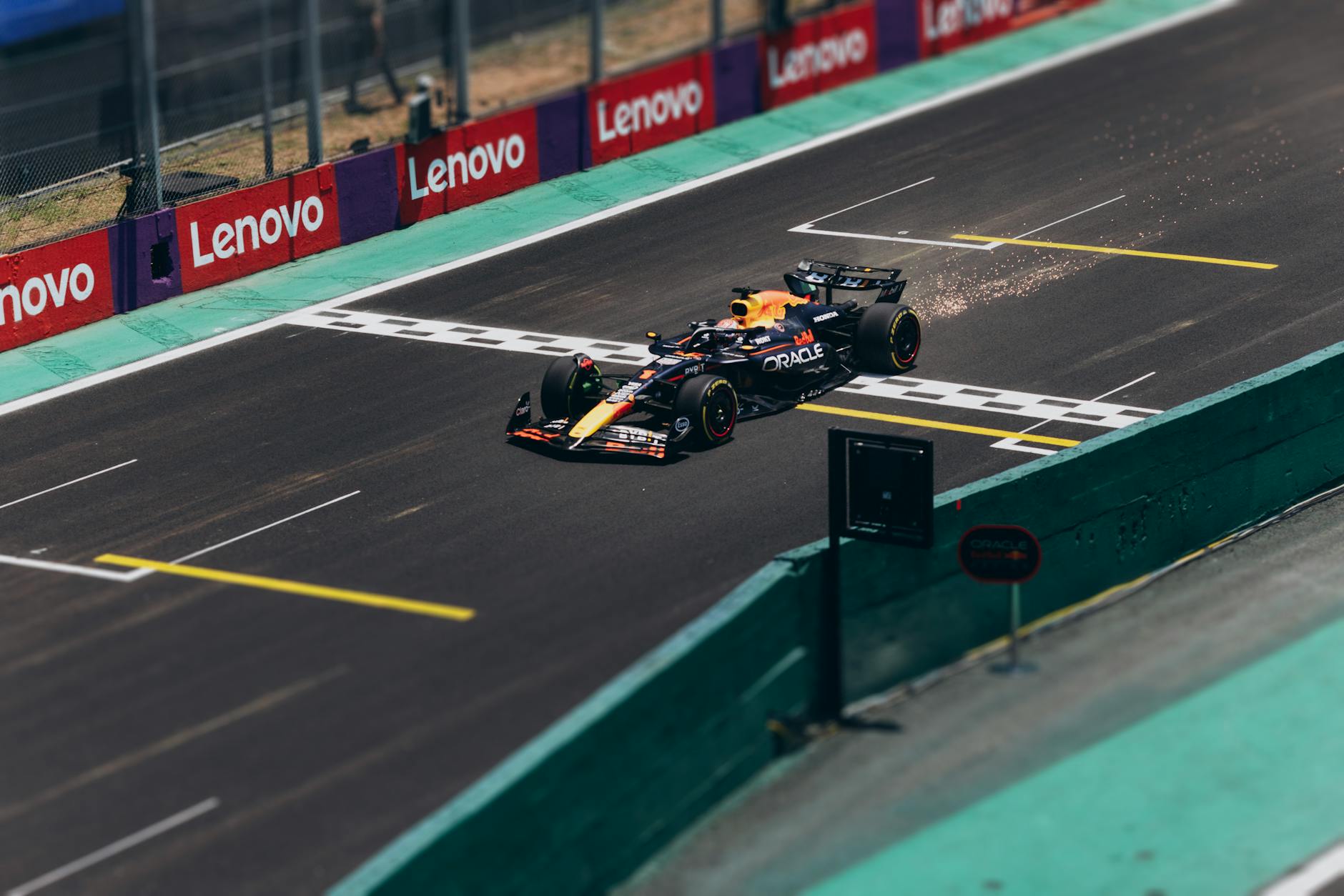
The 2026 Formula 1 technical regulations represent the biggest shake-up in over a decade, designed to make cars more nimble, sustainable, and conducive to thrilling wheel-to-wheel combat. At the heart of these changes is a new power unit architecture, shifting to a near 50-50 split between internal combustion and electric power, running on 100% advanced sustainable fuels. This move not only aligns F1 with environmental objectives but also attracts new manufacturers like Audi and General Motors, alongside returning giants like Honda, signaling increased competition and innovation.
Crucially, the cars themselves will be smaller and lighter, with a 200mm shorter wheelbase (from 3600mm to 3400mm) and a target weight reduction of around 30 kg to 768 kg. This reduction in size and weight is expected to make the cars more agile, opening up new racing lines on classic tracks and potentially reducing tire degradation, allowing for more varied pit stop strategies. The FIA's goal is to create a more challenging driving experience where driver skill is paramount, rather than relying solely on aerodynamic dominance.
Perhaps the most impactful change for racing dynamics is the overhaul of aerodynamics. The controversial Drag Reduction System (DRS) is out, replaced by active aerodynamics featuring "X-Mode" for minimal drag on straights and "Z-Mode" for high downforce in corners. Drivers will also have a more powerful "Boost Mode," delivering 350kW from the MGU-K, a significant increase from the previous 120kW. This new system, combined with a greater emphasis on battery charge management as a tactical resource, promises to create more unpredictable and strategic overtaking opportunities, moving the battle for position beyond fixed zones and into a more dynamic, lap-long chess match.
What Does the Apple TV Deal Mean for F1's US Expansion?
Formula 1’s exclusive five-year streaming rights partnership with Apple TV in the U.S., commencing in 2026, marks a pivotal moment in the sport's strategy to conquer the American market. This deal moves F1 from traditional linear TV (previously ESPN, which averaged 1.1 million viewers for the 2025 Australian Grand Prix) to an exclusive streaming platform, directly targeting the younger, digitally native audience that F1 CEO Stefano Domenicali identifies as crucial for future growth. Indeed, the 2025 Global Fan Survey revealed that 47% of new U.S. F1 fans are aged 18-24, and over half are female, a demographic more likely to consume content via streaming.
The initial results are promising, with Apple's Senior VP of Services, Eddy Cue, reporting that viewership for the 2026 Australian Grand Prix on Apple TV was up year-over-year compared to the 2025 race on ESPN, exceeding both F1 and Apple's expectations. While specific numbers remain undisclosed, any increase is a significant win, especially for a late-night race. Apple is leveraging its ecosystem to enhance the fan experience, offering "fan-first coverage" with features like Multiview, Podium View, driver cams, and stunning 4K Dolby Vision for the first time.
Beyond the live races, the partnership extends F1 content across Apple's services, including Apple News, Apple Maps (with detailed circuit maps), Apple Music (driver-curated playlists), and the Apple Sports app, which provides real-time updates and leaderboards. This deep integration aims to create a more immersive and interactive experience, drawing fans deeper into the sport. The success of Apple Original Films' "F1 The Movie," which was the highest-grossing sports movie of all time and is reportedly getting a sequel, also demonstrates Apple's ability to amplify F1's brand and attract new audiences, setting a strong foundation for this streaming venture.
Can F1's Strategic Moves Drive Long-Term Revenue and Brand Value?
The combination of the 2026 technical regulations and the Apple TV partnership is designed to be a powerful catalyst for F1's long-term revenue growth and brand value. By making the racing more exciting and sustainable, F1 aims to attract a broader audience, which in turn increases its attractiveness to global sponsors and advertisers. More engaging races, with unpredictable outcomes and closer competition, translate directly into higher viewership figures and stronger fan loyalty, creating a virtuous cycle for commercial partners.
The Apple TV deal, specifically, is a strategic play to unlock significant revenue potential in the lucrative U.S. market. While the exact financial terms of the deal are not public, exclusive streaming rights to a rapidly growing sport like F1 command substantial fees. Furthermore, Apple's ability to integrate F1 content across its vast ecosystem—from Apple Music to the Apple Sports app—creates new avenues for monetization beyond traditional broadcast advertising. This "fan-first" approach, offering premium viewing experiences and interactive features, can justify higher subscription prices and deepen customer engagement, driving recurring revenue for both F1 and Apple.
Beyond direct media rights, the enhanced global brand visibility and appeal to a younger, tech-savvy demographic will likely boost sponsorship deals, merchandise sales, and event attendance. New manufacturers entering the sport, driven by the 2026 regulations, also bring additional investment and marketing spend, further elevating F1's commercial profile. The sport is positioning itself not just as a racing series, but as a cutting-edge entertainment property at the intersection of technology, sport, and sustainability, appealing to a diverse range of corporate partners and consumers globally.
What Are the Key Risks and Challenges for F1's Bold Strategy?
While F1's strategic pivot is ambitious, it's not without significant risks and challenges. The 2026 technical regulations, while promising, are a radical departure, and there's no guarantee they will deliver the intended outcome of closer, more exciting racing. Former Red Bull team principal Christian Horner even warned that the new cars could be "Frankenstein" creations, highlighting the complexity and potential for unintended consequences. If the new power units or aerodynamic rules lead to a lack of parity or overly complex racing that alienates casual viewers, the investment could backfire.
The transition to Apple TV in the U.S. also presents a substantial hurdle. While initial viewership numbers for the Australian GP were positive, the move to an exclusive streaming platform could alienate some traditional fans who prefer linear TV or are unwilling to subscribe to another service. Early fan feedback has highlighted issues with navigating the Apple TV app and the reintroduction of ads, which were previously absent from ESPN's F1 coverage. If the user experience isn't seamless or if the ad load becomes intrusive, it could lead to subscriber churn or a backlash from the dedicated fanbase.
Furthermore, the high cost of sustainable fuels, reportedly exceeding $200 a liter, could pose a financial burden on teams and potentially limit the "drop-in" capability for wider road car adoption if not scalable. The sport also faces the ongoing challenge of global geopolitical stability, with safety concerns heightened in regions like the Middle East, where Grands Prix are scheduled. Balancing innovation, fan experience, and commercial success while navigating these complex technical, logistical, and market dynamics will be the ultimate test of F1's leadership and its bold vision for the future.
Formula 1 is clearly betting big on innovation and strategic partnerships to secure its future growth. The 2026 regulations and the Apple TV deal are bold moves designed to captivate a new generation of fans and solidify its commercial standing. While execution will be key, these initiatives position F1 as a dynamic, forward-thinking entertainment property with significant upside potential for investors willing to embrace the ride.
Want deeper research on any stock? Try Kavout Pro for AI-powered analysis, smart signals, and more. Already a member? Add credits to run more research.
Related Articles
Is Copper the New "Red Gold" of the AI Era
Category
You may also like


Apple Gets Early Formula 1 Ratings Win: Are F1 Rights Being Underestimated By Investors?

Can Prisma AIRS Become Palo Alto Networks' Next Major Growth Engine?
Microsoft clicks on Formula One grid with new Mercedes deal
Breaking News
View All →Featured Articles
Top Headlines

The Big 3: SWBI, AAPL, DELL

Nvidia Stock Just Became The Bargain Of The AI Boom

Meta Platforms: Lean Into The Fear As P/Cash Drops To 10x

Meta stock selloff continues, but a bigger risk looms