MarketLens
Is LGI Homes' Aggressive Expansion Strategy Paying Off

Key Takeaways
- LGI Homes (LGIH) is aggressively expanding its community count in the Sun Belt and secondary markets, aiming to capitalize on persistent housing demand despite regional cooling trends.
- Despite recent share price volatility and softer Q1 earnings, analysts maintain a "Hold" consensus with significant upside potential to an average price target of $74.40.
- The company's focus on affordable, entry-level housing presents both a strategic advantage and a key risk amidst ongoing affordability challenges and rising interest rates.
Is LGI Homes' Aggressive Expansion Strategy Paying Off?
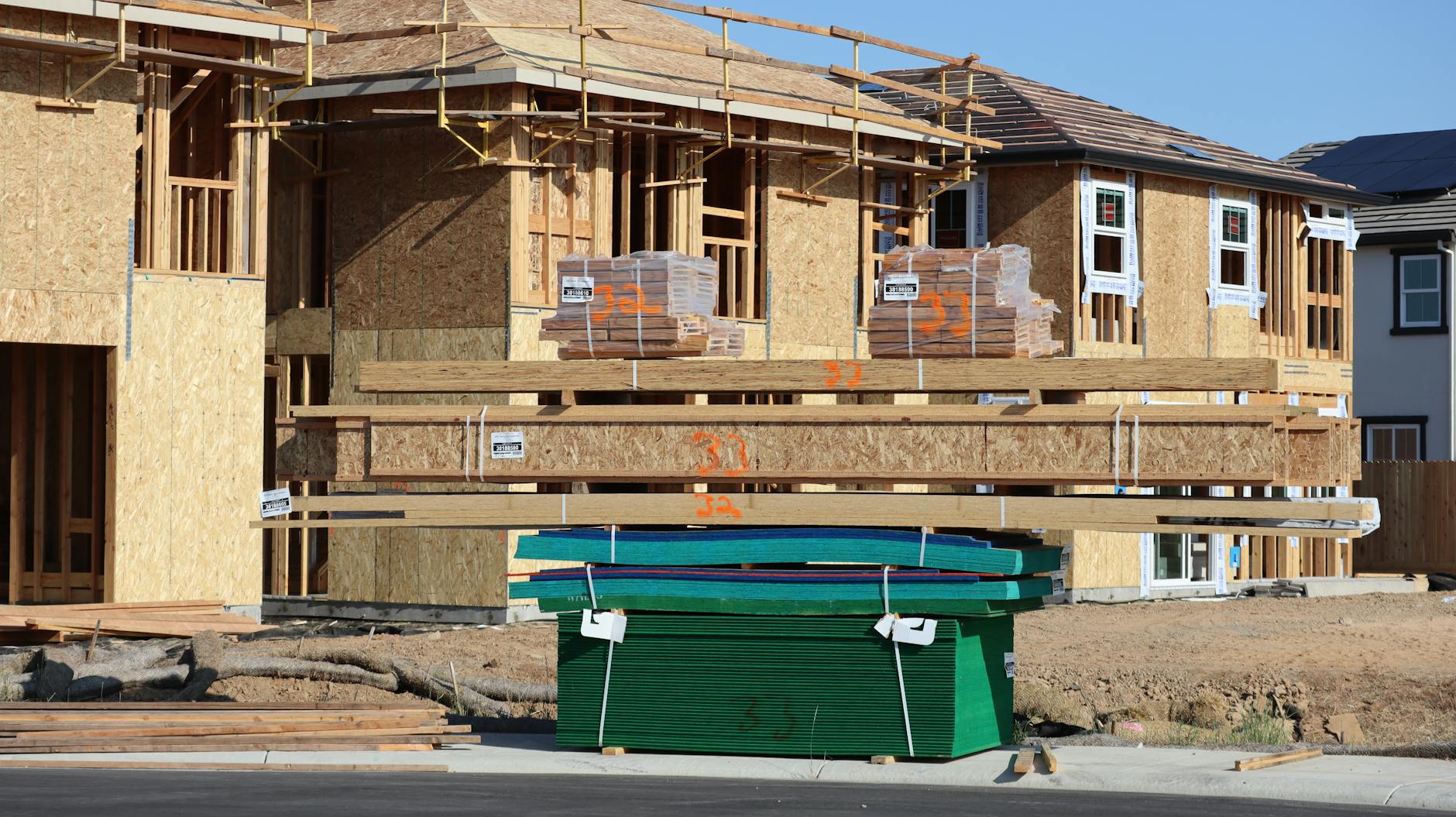
LGI Homes has been exceptionally active, launching multiple new communities in April and May 2026 across key states like Utah, Texas, South Carolina, Nevada, and North Carolina. This aggressive expansion, including Desert Edge (Utah), Sherman Heights (Texas), Waters Farm (South Carolina), Topaz at Skye Canyon (Nevada), and Willow Estates and Cider Hill (North Carolina), underscores the company's commitment to its Sun Belt and secondary market growth pipeline. These new developments offer a mix of single-family homes and townhomes, with prices starting from the $270,000s in some markets, specifically targeting the crucial entry-level buyer segment.
This strategy is designed to build a runway for steady revenue growth and backlog, leveraging demographic and migration trends. For instance, Willow Estates in Shelby, NC, alone plans for 246 homes, directly adding to LGIH's community count and affordable inventory in a key Southeast market. However, this rapid expansion comes against a backdrop of mixed share price performance, with a 20.12% 1-month return as of late April, but a 9.61% 3-month decline. The 1-year total shareholder return is down 23.46%, suggesting investors are reassessing growth prospects and risks.
The company's land pipeline is strategically positioned in these fast-growing regions, aiming to ensure a continuous stream of new community openings. This is critical for a builder like LGIH, which relies on a consistent flow of new projects to drive sales volumes. The broader mix of formats, including townhomes at Topaz at Skye Canyon and new floor plans in Greenville, may also broaden the potential buyer pool, giving LGIH more flexibility in balancing price points and amenities.
However, the reliance on entry-level and first-time buyers in several of these projects links back to the narrative risk that concentration in this segment can expose LGIH to affordability pressures and demand swings. The scale of Desert Edge, with 700 planned homes, also concentrates a significant amount of capital and selling effort into one Utah submarket, which could be challenging if buyer interest softens.
What Does the Current Housing Market Mean for Homebuilders?
The U.S. housing market in 2026 presents a complex picture of rebalancing and regional divergence, a critical backdrop for LGI Homes' expansion. Nationally, J.P. Morgan Global Research projects U.S. house prices to stall at 0% in 2026, with a slight improvement in demand offsetting increased supply. This comes after nearly doubling in the last decade, indicating a significant shift from the rapid appreciation seen in prior years. Housing starts, a key indicator for builders, stood at 1,502,000 units as of March 2026, reflecting ongoing new construction activity.
Affordability remains a major hurdle, particularly for first-time buyers, despite some improvements. The National Association of Realtors' affordability index was still 35% below its pre-COVID level in November. While mortgage rates are projected to stay elevated at 6%+ (averaging 6.3% for 30-year fixed in 2026), a slight tick downward in adjustable-rate mortgage (ARM) rates could occur if the Fed eases policy. Homebuilders, including LGIH, are actively offering rate buydowns to help lower buyers' mortgage rates and clear inventory, a necessary tactic in this environment.
A significant geographic shift is underway, with new-home markets slowing down in previously hot Sun Belt areas like Texas and Florida due to limited cyclical overbuilding and persistent mortgage rates above 6%. Conversely, pockets of strength are emerging in the Midwest, including markets like Columbus, Ohio, Indianapolis, and Kansas City, which have long been more affordable and are near major universities. This "affordability economy" has led to a situation where prices are collapsing in parts of the Sun Belt while soaring in the Rust Belt, a dynamic captured by the Spring 2026 WSJ/Realtor.com Housing Market Ranking, which saw 11 of the bottom 25 markets in Florida and nine in Texas.
Despite increased inventory (up 20% year-over-year nationally in Q1 2026), a structural housing deficit persists, meaning the housing stock is not large enough for the population. This deficit remains a major constraint on affordability, with experts emphasizing the need to "build our way out of it." This fundamental undersupply provides a long-term tailwind for homebuilders, even as short-term market dynamics fluctuate.
How Do LGIH's Financials Stack Up Against Market Headwinds?
LGI Homes' financial performance in the trailing twelve months (TTM) reflects the challenging housing market, with some key metrics signaling caution. The company reported softer first-quarter net income of $2.16 million and diluted EPS of $0.09, a notable decrease from the prior year. This translates to TTM Net Income growth of -63.0% and EPS growth of -62.4% year-over-year for FY2025, indicating significant pressure on profitability. Revenue also saw a -22.6% decline over the same period, highlighting reduced sales volumes.
Despite these declines, LGIH maintains a relatively healthy balance sheet, with a current ratio of 94.55, suggesting strong liquidity to cover short-term obligations. However, its debt-to-equity (D/E) ratio stands at 0.81, which is manageable but indicates a reliance on debt financing. Net Debt/EBITDA is high at 17.24, raising concerns about the company's ability to service its debt from operating earnings in a downturn.
From a valuation perspective, LGIH's current P/E ratio is 13.23, which is slightly higher than the U.S. Consumer Durables industry average of 12.2x as of April 2026. This suggests the market is already paying a premium for LGIH's earnings, potentially limiting room for multiple expansion. The P/B ratio of 0.44 is notably low, indicating the stock is trading significantly below its book value per share of $90.82. This could be seen as a value signal, but also reflects investor skepticism about the company's asset utilization or future profitability.
Gross margins are at 20.3%, operating margins at 4.7%, and net margins at 4.2%, indicating a relatively thin profitability profile, especially when compared to the broader industry. Returns on equity (ROE) at 3.4%, return on assets (ROA) at 1.8%, and return on invested capital (ROIC) at 1.5% are all quite low, suggesting inefficient capital deployment or the impact of reduced earnings. The negative P/FCF of -13.57 and FCF Yield of -7.4% further highlight that the company is not generating positive free cash flow, which is a concern for long-term investors.
What Are the Key Risks and Opportunities for LGIH Investors?
Investing in LGI Homes at this juncture involves weighing significant risks against potential rewards, particularly given the current market dynamics and the company's strategic direction. The most prominent risk is LGIH's heavy exposure to entry-level buyers in the Sun Belt. While this segment offers a large addressable market, it is highly sensitive to mortgage rates and local employment trends. The recent cooling in Sun Belt markets, with prices falling in areas like Florida and Texas due to oversupply, directly impacts LGIH's core geographic focus.
Another concern is the company's profitability. The narrative leans on steady top-line expansion but with thinner profitability and a much richer earnings multiple than today to justify a higher valuation. With TTM net income down 63.0% and EPS down 62.4%, the challenge is to translate new community openings into steadier closings and improved earnings, especially against a backdrop of elevated cancellation rates. The negative free cash flow and low returns on capital also signal operational inefficiencies or the high capital intensity of the homebuilding business in a challenging environment.
However, the opportunities are equally compelling. LGIH's strategic land pipeline in fast-growing Sun Belt and secondary markets provides a clear runway for future community openings, which is crucial for revenue growth. The company's focus on affordable, amenity-rich housing in growing regional hubs could resonate with buyers priced out of more expensive markets. The bundled CompleteHome and CompleteHome Plus upgrade packages may help LGIH differentiate itself and stand out on value against larger builders.
Furthermore, the structural housing deficit in the U.S. provides a long-term demand floor. Even with short-term fluctuations, the need for more single-family and multi-family homes to meet population growth remains a powerful tailwind. If mortgage rates stabilize or tick down, and affordability improves as incomes grow, the pent-up demand from renters eager to become homeowners could unlock significant sales volume for LGIH. The company's diversified product mix, including townhomes, also offers flexibility to adapt to changing buyer preferences and market conditions.
Is LGI Homes (LGIH) a "Hold" or a Hidden Gem?
LGI Homes' current stock price of $40.41 sits well below the average analyst price target of $74.40, implying a substantial upside of 84.11%. This significant gap, alongside a narrative fair value of $65.50 (suggesting the stock is 30.8% undervalued), might tempt investors looking for a deep value play. However, the consensus rating from six Wall Street analysts is a "Hold," with an even split of two "Sell," two "Hold," and two "Buy" ratings, reflecting the mixed signals and inherent uncertainties surrounding the stock.
The "Hold" consensus indicates that analysts believe LGIH is likely to perform similarly to the overall market, suggesting investors should maintain existing positions but not necessarily rush to buy or sell. This cautious stance is understandable given the conflicting data points: aggressive expansion plans and a long-term housing deficit on one hand, versus recent share price declines, softer earnings, and affordability headwinds on the other. The current P/E ratio of 13.23 is slightly above the industry average, which could limit multiple expansion, even if earnings stabilize.
For investors, the key will be to monitor LGIH's ability to convert interest into signed contracts and closings at its new communities, especially as initial incentives roll off. Tracking management's comments on sales pace, cancellation trends, and buyer income profiles will be crucial indicators of how well the company navigates the current affordability challenges. If LGIH can demonstrate improved absorption rates and a return to consistent profitability, the significant upside potential highlighted by analysts could materialize, transforming it from a "Hold" into a more compelling investment.
LGI Homes presents a nuanced investment case, balancing ambitious growth with market realities. The significant analyst price target suggests a belief in the company's long-term potential, but current financial performance and housing market shifts demand a cautious approach. For now, LGIH remains a stock to watch closely, with its ability to execute on its expansion strategy in a rebalancing housing market being the ultimate determinant of its future trajectory.
Want deeper research on any stock? Try Kavout Pro for AI-powered analysis, smart signals, and more. Already a member? Add credits to run more research.
Related Articles
Category
You may also like


Is Most-Watched Stock PulteGroup, Inc. (PHM) Worth Betting on Now?

Manufactured Housing: The Wide Moat Hidden In Plain Sight

LGI Homes, Inc. (LGIH) Q1 2026 Earnings Call Transcript
Breaking News
View All →Featured Articles
What's Driving Classover's Radical AI & Robotics Pivot
Has DynaResource Turned a Corner with Q1 2026 Results
Top Headlines

S&P 500 Snapshot: Seven-Week Win Streak Survives Friday Slump

How NVDA, TSM & AVGO Continue Adding AI Muscle as IGV Recovers

Berkshire Boosted Stake in Alphabet in First Quarter, Bought Delta Air, Sold Visa, Mastercard

Stock Market Dives, Yields Soar As Trump Says This On Taiwan; Microsoft Pops On Ackman Move