Key Takeaways
- Europe has faced three significant energy crises in four years, exposing persistent vulnerabilities despite efforts to diversify away from Russian fossil fuels.
- While wind and solar surpassed fossil fuels in the EU's electricity mix in 2025, the continent's slow pace of electrification and grid vulnerabilities continue to create systemic risks.
- The pivot back to nuclear energy, alongside accelerated investment in grid modernization and distributed renewables, represents Europe's most credible path to long-term energy security and a fertile ground for investors.
Has Europe Learned Anything from Its Repeated Energy Crises?
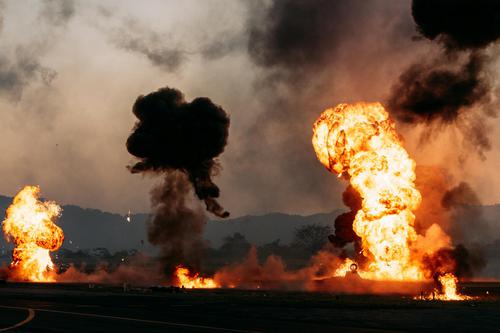
Europe finds itself once again grappling with an acute energy crisis, marking the third such episode in just four years. This latest shock, triggered by strikes on energy facilities in Qatar and Iran and the effective closure of the Strait of Hormuz, has sent gas prices soaring across the UK and Europe. It’s a stark reminder that despite ambitious pledges and significant policy shifts, the continent remains deeply vulnerable to geopolitical instability and its reliance on imported fossil fuels. The narrative of "sleepwalking into yet another energy crisis" resonates deeply, highlighting a recurring pattern of short-term fixes over fundamental, long-term strategic planning.
The current predicament echoes the immediate aftermath of Russia's full-scale invasion of Ukraine in 2022, which exposed Europe's dangerous dependence on Russian gas. Then came the Red Sea conflict in 2023-2024, disrupting critical shipping lanes and underscoring the fragility of global supply chains. Now, the Middle East conflict amplifies these concerns, forcing European leaders into a familiar scramble for solutions amidst angry voters and soaring energy bills. This cycle of panic and reactive measures suggests that while the sources of disruption may change, Europe's underlying energy dilemmas persist, prompting a frustrated European diplomat to lament, "We swore we'd learn. We promised things would change but here we are."
This recurring vulnerability isn't just about the source of imports; it's about the fundamental architecture of Europe's energy system and its slow adaptation to a volatile world. While the EU has made "staggering" clean power gains, adding substantial solar panels and wind turbines, the sluggish pace of electrification means households and industries remain exposed. The continent's reliance on fuel-burning machines, from petrol cars to gas boilers, keeps it hooked on foreign fuels, even as renewable generation capacity expands. This creates a complex trade-off: the desire for self-reliance and energy security clashes with the time and cost required for a truly transformative shift.
How Effective Have Europe's Policy Responses Been Since 2022?
Following Russia's invasion of Ukraine in 2022, the European Union moved with uncharacteristic speed to decouple from Russian energy, a dependency Ursula von der Leyen rightly called market manipulation. The REPowerEU plan, unveiled in May 2022, became the overarching framework, aiming to phase out Russian energy imports as quickly as possible. This initiative saw significant success in reducing oil imports from Russia to just 2% of the EU's total, primarily flowing to Hungary and Slovakia. The bloc also committed to ending all Russian gas imports, including LNG, by next year, a truly ambitious target given its historical reliance.
To manage the immediate crisis, the EU implemented several critical measures. Minimum gas storage obligations were introduced, requiring member states to fill aggregate storage capacity to at least 80% before the winter of 2022/23 and 90% for subsequent winters. These targets were successfully met, providing a crucial buffer against supply shocks. Furthermore, a voluntary 15% reduction in natural gas demand was adopted in July 2022, which was later extended. While some member states received derogations, these collective efforts helped stabilize the market and prevent widespread shortages during the initial crisis period.
However, the effectiveness of these policies has been mixed. While the EU successfully diversified its suppliers, largely replacing Russian pipeline gas with liquefied natural gas (LNG) from the US and Norway, this merely shifted dependency rather than eliminated it. Europe is now the world's largest LNG importer, with the US supplying a significant 57% of the EU's total LNG imports. This new reliance introduces its own set of geopolitical risks, especially with a potentially destabilizing Trump administration. Moreover, while national-level measures like subsidies and price caps shielded consumers from the worst of the price surges, they came with significant fiscal costs and often prioritized short-term relief over long-term structural change.
Despite strengthening its legislative framework around cross-border solidarity and transparency, progress on bilateral solidarity agreements between member states has been slow. This exposes individual countries to supply shocks, particularly landlocked and import-dependent regions. The "market correction mechanism" introduced in late 2022 to curb excessive price spikes at the Title Transfer Facility (TTF) was designed as a temporary tool, highlighting the reactive nature of many interventions. While these policies reinforced the foundational strengths of the EU gas market, security of supply remains a key concern, suggesting that deeper, more systemic changes are still needed.
Is Europe's Green Energy Transition Delivering True Security?
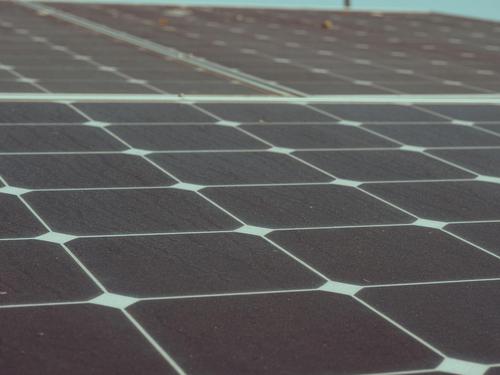
Europe's commitment to clean energy has yielded "staggering" gains, with wind and solar power collectively surpassing fossil fuels as the leading sources of electricity in the EU for the first time in 2025. This watershed moment saw the share of electricity from fossil fuels drop below 29%, while wind and solar jumped above 30%. The growth of solar, in particular, has been blistering, increasing by 20% in 2025 and contributing to seven EU nations being among the global leaders in solar dependency. This rapid expansion of renewable generation capacity is a testament to Europe's policy drive and investment in green technologies.
However, these impressive gains in generation capacity are being undermined by a "sluggish pace of electrification" and a failure to phase out fuel-burning machines. The EU's reluctance to replace petrol cars and gas boilers keeps it hooked on foreign fuels, even as clean electricity becomes more abundant. This creates a paradox: while the power grid is getting greener, the broader economy's energy consumption remains heavily reliant on fossil fuels, leaving households exposed to higher bills and the continent vulnerable to global price shocks. Georg Zachmann of Bruegel aptly calls it "madness" that sun-drenched southern Italy isn't deploying more solar panels, highlighting a disconnect between potential and reality.
The EU has set ambitious, legally binding targets to reduce net greenhouse gas emissions by 90% by 2040 compared to 1990 levels. While commendable, the credibility of these targets is questioned by experts, given the current pace of structural change. The transition to greater self-reliance and energy security through renewables and nuclear will take time, and policy makers are sensitive to the cost implications and potential voter reactions. This political sensitivity often leads to compromises that slow down the necessary deep-seated transformation, perpetuating the cycle of vulnerability.
Ultimately, while the clean energy transition is making significant strides in electricity generation, it has not yet translated into true energy independence or security for Europe. The continent has merely shifted its dependencies, from Russian gas to US LNG, and its infrastructure remains susceptible to both geopolitical events and internal vulnerabilities. The challenge lies not just in building more wind turbines and solar panels, but in a comprehensive overhaul of energy consumption patterns, grid infrastructure, and political will to accelerate electrification and phase out fossil fuel-burning machines across all sectors.
What Does the Berlin Blackout Reveal About Europe's Grid Vulnerabilities?
The power outage that struck southwest Berlin on January 3, 2026, serves as a chilling case study, exposing critical vulnerabilities in Europe's energy infrastructure that extend beyond mere supply diversification. This incident, caused by an act of sabotage targeting high-voltage cables near a combined heat and power plant, left around 100,000 people without electricity and heating for up to five days. It was not a technical malfunction or weather-related event, but a deliberate attack on critical infrastructure, escalating the case to federal authorities and highlighting a new dimension of energy insecurity.
The Berlin blackout revealed that traditional grid design, prioritizing economic efficiency and operational convenience, often overlooks the prospect of deliberate attacks. In mature urban grids, redundancy is a fundamental principle, with multiple supply routes and protection systems. However, the Berlin case exposed a critical flaw: conceptual redundancy does not always equate to effective redundancy. Several circuits, theoretically independent, were routed along the same infrastructure corridor, crossing the same technical bridge. This shared physical route meant a single intentional act could simultaneously affect multiple grid layers, including 110 kV high-voltage lines and 10 kV medium-voltage distribution networks.
This incident underscores that energy security is not solely about generation capacity or supply sources; it's equally about the physical architecture and resilience of the power grid itself. Europe's networks, often designed for less dense cities and stable demand, are now under immense pressure from accelerated electrification, higher urban density, electric vehicles, heat pumps, and widespread photovoltaic installations. These factors generate peak loads and bidirectional power flows that grids were not initially dimensioned to manage. The Berlin outage acted as an "extreme stress test," revealing structural vulnerabilities and the need for enhanced physical protection for substations, which are often minimally staffed and lack robust security.
The lessons from Berlin are profound: critical vulnerabilities are not always obvious, historical efficiency can come with structural trade-offs, and true resilience requires physically independent redundancy. This incident, alongside other acts of sabotage across Europe, signals a new security landscape where the threat of attacks on critical infrastructure is no longer unthinkable. It demands a fundamental shift in mindset, moving beyond an "old logic" that assumed such attacks wouldn't happen, and investing in grid modernization, distributed renewables, and robust physical and cyber defenses to prepare for increasingly frequent and complex threats.
Is Nuclear Energy Europe's Unlikely Savior?
In a remarkable strategic reversal, European leaders are now pivoting hard toward next-generation nuclear technologies, including small modular reactors (SMRs) and the research and development of nuclear fusion. This marks a complete turnaround from the EU's previous push to phase out nuclear power across the majority of the continent. The shift is driven by a growing realization that to truly insulate European energy markets from global shocks and internal volatility, nuclear energy must provide a critical, carbon-free, and round-the-clock backstop.
The appeal of nuclear is multifaceted. Unlike intermittent renewables, nuclear power provides stable, baseload electricity, essential for balancing a grid increasingly reliant on wind and solar. It offers energy independence, reducing reliance on volatile fossil fuel imports and their geopolitical entanglements. The advancements in SMR technology promise safer, more flexible, and potentially more cost-effective deployment, making nuclear a more viable option for a diverse range of European countries. This renewed focus on nuclear is a pragmatic acknowledgment that a robust, diversified energy mix is paramount for security.
Beyond nuclear, Europe is also exploring other avenues for enhancing resilience. The concept of "clean flexibility" is gaining traction, emphasizing storage solutions, smart grids, and distributed renewables like balcony power plants and mini solar PV systems. These decentralized solutions can make outages shorter and less disruptive, strengthening local resilience when crises hit. Ukraine's wartime experience, particularly its lessons on protecting critical infrastructure from mass attacks, is also offering invaluable insights for Europe. Joint exercises and shared equipment reserves are being considered to bolster the continent's preparedness for prolonged energy shortages and combined physical and cyberattacks.
The policy choice ahead for Europe is clear: invest in clean flexibility and robust infrastructure today to reduce long-term system costs and enhance security. This includes not only large-scale renewable projects but also smaller, localized solutions that empower households and communities. The combination of a renewed commitment to nuclear, alongside accelerated deployment of diverse renewables and smart grid technologies, represents a comprehensive approach to building a truly resilient and independent European energy system. This integrated strategy is crucial for navigating the complex geopolitical landscape and ensuring a stable energy future.
What Does This Mean for Investors in Europe's Energy Market?
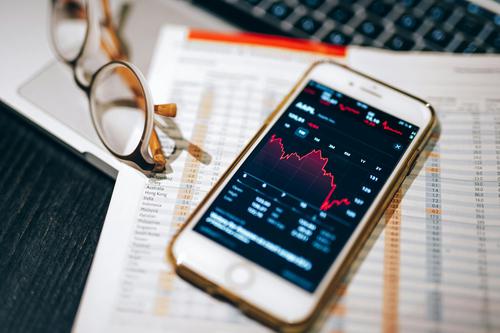
For investors, Europe's ongoing energy saga presents a complex but compelling landscape, ripe with both opportunities and risks. The continent's urgent need for energy security, coupled with its ambitious decarbonization targets, is funneling massive investment into specific sectors. Companies involved in renewable energy generation, particularly solar and wind, remain a strong play. Despite the sector's recent daily decline of -3.10% and an average P/E of 26.4, the long-term structural tailwinds are undeniable, especially given the EU's commitment to further expand these sources. Investors should look for companies with strong project pipelines, innovative technologies, and robust balance sheets capable of navigating policy shifts.
The renewed emphasis on nuclear power, particularly SMRs, opens up a new frontier for investment. Companies specializing in nuclear technology, uranium mining, and related engineering and construction services could see significant growth. This is a dramatic reversal from previous decades, and early movers in this space could capture substantial market share as Europe rebuilds its nuclear capacity. Furthermore, the critical need for grid modernization and resilience, highlighted by events like the Berlin blackout, creates opportunities in smart grid technologies, energy storage solutions, and cybersecurity for critical infrastructure. Companies offering advanced grid management systems, battery storage, and distributed energy resources will be essential to Europe's future.
However, investors must also be mindful of the inherent risks. Geopolitical instability remains a primary concern, capable of triggering sudden price spikes and supply disruptions. Policy uncertainty, particularly regarding the pace of electrification and the implementation of ambitious 2030 and 2040 targets, could impact investment timelines and returns. Traditional fossil fuel companies, while still playing a role in the transition, face increasing regulatory pressure and the long-term threat of declining demand. The "Oil & Gas Energy" industry, for instance, was the worst performing today at -9.34%, reflecting the broader shift.
Ultimately, the European energy market is undergoing a profound transformation. Investors who focus on companies enabling this transition – from renewable energy developers and nuclear technology providers to grid infrastructure specialists and energy efficiency solutions – are best positioned to capitalize on Europe's determined, albeit sometimes reactive, journey towards energy independence and sustainability. This isn't just about green energy; it's about national security and economic stability, making the investment case even more robust.
Europe's energy future hinges on decisive action and sustained investment, moving beyond reactive crisis management to proactive, long-term strategic planning. The path ahead demands a blend of accelerated renewable deployment, a pragmatic embrace of nuclear power, and a comprehensive overhaul of grid infrastructure to build true resilience. For investors, the opportunity lies in backing the innovators and infrastructure builders who will power this essential transformation.
Want deeper research on any stock? Try Kavout Pro for AI-powered analysis, smart signals, and more. Already a member? Add credits to run more research.