MarketLens
Has Target Finally Turned the Corner with Digital Sales Growth

Key Takeaways
- Target has achieved a significant milestone, with digital sales now exceeding 20% of total annual merchandise, underscoring its successful omnichannel strategy.
- Despite recent revenue and earnings declines in fiscal 2025, Target's strong Q4 2025 performance and positive fiscal 2026 outlook suggest a potential turnaround.
- The stock's current valuation, including a P/E of 13.96 and a robust 3.7% dividend yield, presents an attractive entry point for long-term investors, even with analyst consensus leaning towards a "Hold."
Has Target Finally Turned the Corner with Digital Sales Growth?
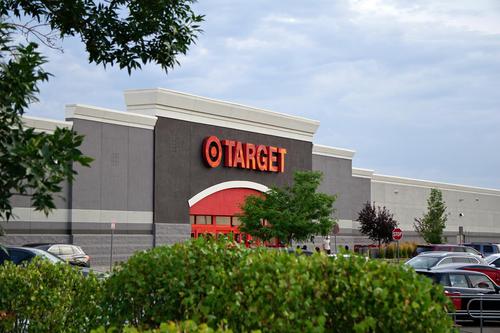
Target Corporation (NYSE: TGT) recently hit a pivotal milestone, with digital sales crossing 20% of its total annual merchandise in fiscal 2025. This achievement is far more than just a number; it signals the maturation of Target's "stores-as-hubs" strategy, where its extensive physical footprint seamlessly integrates with its digital channels. This integrated approach is crucial for a retailer navigating the competitive landscape dominated by e-commerce giants and discount behemoths.
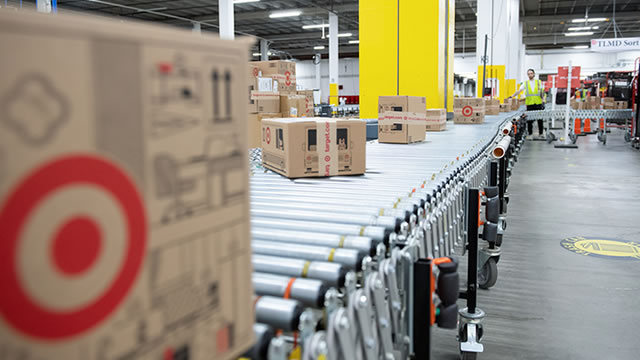
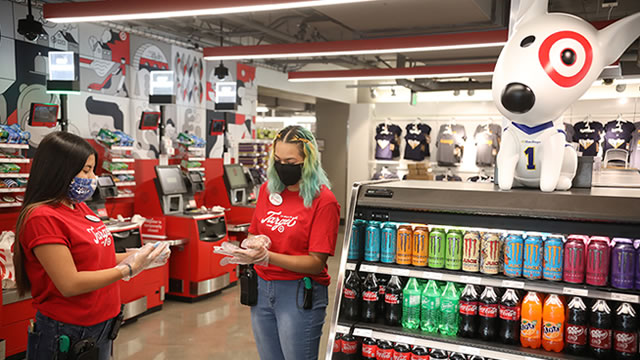
The company's ability to leverage its nearly 1,950 stores for over 95% of its digital fulfillment significantly reduces last-mile costs and enhances customer convenience through services like Drive Up and Shipt same-day delivery. This operational efficiency is a key differentiator, allowing Target to offer rapid fulfillment that rivals pure-play e-commerce players while maintaining a strong physical presence. The Target Circle loyalty program, which surpassed 100 million members in 2025, further solidifies this ecosystem, providing valuable first-party data for personalized offers and inventory optimization.
This digital acceleration comes at a critical time, as Target has faced a challenging period marked by uneven discretionary demand and inventory management issues. The recent Q4 2025 earnings report, released on March 3, 2026, offered a glimmer of hope, with adjusted EPS of $2.44 beating analyst expectations, despite a year-over-year revenue decline to approximately $30.5 billion. The market reacted positively, with shares climbing 3.6% on the news, suggesting investors are beginning to see the potential for a rebound.
Target's strategic pivot towards a more robust digital presence, combined with its established brand equity and private-label strength, positions it uniquely in the retail sector. The company's "cheap-chic" value proposition, curated assortments, and growing grocery business continue to attract shoppers with a median household income of roughly $83,000, distinguishing it from primary discount competitors. This blend of digital prowess and in-store experience is vital for sustaining growth and fending off intense competition.
What Do Target's Latest Financials Reveal About Its Health?
Target's recent financial performance presents a mixed but cautiously optimistic picture, reflecting both past headwinds and signs of a potential recovery. For the trailing twelve months (TTM), the company reported a gross margin of 27.3%, an operating margin of 5.3%, and a net margin of 3.8%. These margins, while respectable for a retailer, indicate the persistent pressure on profitability from factors like wage inflation, supply chain disruptions, and increased investments in loss prevention due to organized retail crime.
Looking at returns, Target demonstrates strong capital efficiency with a Return on Equity (ROE) of 26.1%, Return on Assets (ROA) of 6.8%, and Return on Invested Capital (ROIC) of 10.7%. An ROE exceeding 20% is generally considered excellent, showcasing the company's ability to generate profits from shareholder capital. The ROIC of 10.7% also suggests that Target is effectively deploying its capital to create value, a crucial metric for long-term investor confidence.
However, the growth figures for fiscal year 2025 (YoY) highlight the challenges the company has faced. Revenue declined by -1.7%, net income by -9.4%, and EPS by -8.2%. Free Cash Flow (FCF) saw a significant drop of -36.7%, indicating a period of reduced cash generation. This slowdown was largely attributed to uneven discretionary demand and a promotional environment that weighed on earnings.
Despite these declines, the outlook for fiscal 2026 provides a more positive trajectory. Management guided for an EPS between $7.50 and $8.50 and anticipates a net sales increase of approximately 2%. This forward guidance, coupled with improving demand signals observed late in Q4 2025, suggests that Target may be emerging from its cyclical trough. The stock's current price of $122.21 reflects some of this optimism, having risen +23.2% year-to-date and +25.8% over the past year, though it remains below its 52-week high of $126.00.
Is Target's Valuation Attractive for Investors Right Now?
Target's current valuation metrics suggest the stock could be an attractive proposition for value-oriented investors, especially when considering its long-term potential and dividend stability. Trading at a P/E ratio of 13.96, Target appears undervalued compared to the broader U.S. Consumer Retailing industry average of 18.4x and its estimated "Fair P/E Ratio" of 22x, according to Simply Wall St. This discount indicates that the market might not be fully pricing in Target's turnaround efforts or its inherent competitive strengths.
The Price-to-Sales (P/S) ratio of 0.52 further reinforces this view, suggesting that investors are paying a relatively low price for each dollar of Target's revenue. While the Price-to-Free Cash Flow (P/FCF) of 18.89 is higher than its P/E, it's still reasonable, especially given the significant FCF decline in fiscal 2025 which is expected to normalize with improving operations. The Enterprise Value to EBITDA (EV/EBITDA) of 6.33 also points to a healthy valuation, indicating the company's operational earnings are not overly burdened by debt.
Analyst sentiment, however, remains somewhat cautious. The consensus rating for TGT is a "Hold," with 27 "Buy" ratings, 28 "Hold" ratings, and 4 "Sell" ratings among 59 analysts. The average price target stands at $114.06, with a median of $117.50, implying a slight downside from the current price of $122.21. This discrepancy between the current trading price and the consensus target suggests that while some analysts see upside, many are waiting for more definitive proof of a sustained recovery before upgrading their recommendations.
Despite the "Hold" consensus, it's worth noting that the highest price target is $145.00, indicating significant upside potential if Target successfully executes its strategic plans. The stock's current dividend yield of 3.7% is also a compelling factor, especially for income-focused investors. With a dividend payout ratio of 50.8% and a history of 53 consecutive years of dividend increases, Target is a Dividend King, offering both income and a margin of safety. This combination of a reasonable valuation, strong dividend, and potential for operational improvement makes Target a stock worth a closer look.
How Does Target Stack Up Against Its Key Competitors?
Target operates in a fiercely competitive retail landscape, constantly battling against a diverse array of players, each with distinct strengths. Its primary rival, Walmart, dominates with annual revenues exceeding $650 billion and roughly a 25% share of the U.S. grocery market. Walmart's sheer scale and price leadership exert constant pressure on Target, forcing it to balance price competitiveness with its curated, "cheap-chic" brand image.
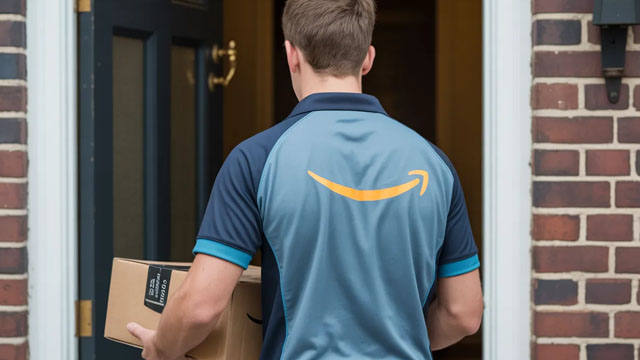
Amazon, the e-commerce giant, poses a significant threat with its digital fulfillment capabilities and Prime membership advantages. Target counters this by leveraging its "stores-as-hubs" model, fulfilling over 95% of sales from its physical locations, which enables rapid omnichannel services like Shipt and Drive Up. The Target Circle 360 program, rolled out in 2024-2025, is another direct response, aiming to enhance rapid fulfillment and loyalty to compete with Amazon's ecosystem.
In the warehouse club segment, Costco and BJ’s attract higher-income suburban shoppers with bulk consumables and electronics, directly competing on price per unit and membership value. Target differentiates itself with a more curated assortment and a focus on design-led private labels like Cat & Jack, which contribute over $30 billion annually and drive higher margins. These exclusive brands, along with strategic partnerships like Ulta Beauty shop-in-shops, increase dwell time and average basket size, creating a multi-purpose destination that rivals the warehouse model.
The rise of off-price chains like TJX Companies and Ross, alongside ultra-low-cost discretionary imports from Temu and Shein, further intensifies competition in apparel and home decor. These players erode Target’s margins by offering rapidly rotating inventory at lower price points. Target's response includes expanding its value membership programs and introducing budget brands like Dealworthy in early 2025 to appeal to cost-conscious shoppers, while maintaining its "Expect More. Pay Less." brand equity.
Ultimately, Target's competitive moat is built on a blend of strong brand equity, high-margin private labels, efficient store-based fulfillment, and a robust loyalty program. While facing formidable opponents, its strategic investments in omnichannel integration and data monetization, such as its Roundel retail media network, are crucial for diversifying income and sustaining its market position.
What Are the Key Risks and Opportunities for Target's Future?
Target's path forward is lined with both significant opportunities and persistent risks that investors should closely monitor. On the opportunity front, the company's accelerated digital penetration, now exceeding 20% of total annual merchandise, provides a strong foundation for future growth. Further scaling high-margin services like Shipt and expanding its retail media partnerships through Roundel can capture incremental ad revenue and improve vendor return on ad spend, diversifying income beyond traditional merchandise sales.
The continued success of Target's private labels, which contributed over $30 billion annually by early 2025, offers a substantial margin advantage over national brands. Investing in new, innovative private labels and expanding existing popular lines can further boost profitability and differentiate Target from competitors. Additionally, the company's commitment to sustainability and brand trust, exemplified by its Target Forward initiatives, aligns with rising consumer preference for ESG-aligned retailers, potentially attracting a loyal customer base.
However, Target faces several material challenges. Wage and benefits inflation is a constant pressure, increasing operating expense ratios and necessitating continuous productivity improvements. Supply-chain shocks, as seen in recent years, can raise inventory carrying costs and lead to stockout risks, impacting sales and customer satisfaction. Perhaps most concerning is the issue of "shrink," primarily driven by organized retail crime, which has contributed to notable losses industry-wide and requires significant investments in store security and loss prevention analytics, increasing operating expenses and capital intensity.
The broader economic environment also presents a risk. While Target's Q4 2025 earnings beat and positive FY 2026 outlook signal improving momentum, a prolonged period of uneven discretionary demand or a consumer spending slowdown could dampen sales growth. The ongoing consolidation in the grocery sector, such as the Kroger-Albertsons deal, also forces Target to remain aggressive on grocery pricing and fresh food quality, potentially squeezing margins in a key traffic-driving category. Navigating these challenges while capitalizing on its digital and private-label strengths will be crucial for Target's long-term success.
Is Target a Buy, Hold, or Sell for Your Portfolio?
Target's recent performance and strategic initiatives paint a picture of a company actively working to regain its footing in a dynamic retail environment. While the stock has seen a significant rebound, trading at $122.21 and up over 23% year-to-date, the consensus analyst rating remains a cautious "Hold" with a median price target slightly below current levels. This suggests that while the immediate downside may be limited, a substantial upside might require more sustained evidence of operational improvement.
For investors seeking a blend of value, income, and potential turnaround growth, Target presents a compelling case. Its P/E ratio of 13.96 is attractive relative to the industry, and its robust 3.7% dividend yield, backed by a 53-year history of increases, offers a reliable income stream. The company's successful digital transformation and "stores-as-hubs" strategy are strong competitive advantages that should continue to drive efficiency and customer loyalty.
However, the lingering risks of margin compression from inflation, supply chain volatility, and retail shrink cannot be ignored. While management's fiscal 2026 guidance is optimistic, execution will be key. Investors should closely monitor upcoming earnings reports for consistent revenue growth, margin expansion, and effective management of operational costs.
Ultimately, Target appears to be a Hold for most investors, with a leaning towards Buy for those with a longer-term horizon and a higher conviction in management's ability to execute its turnaround strategy. The stock offers a solid dividend and a reasonable valuation, but a significant re-rating will depend on sustained improvements in profitability and a clear path to consistent top-line growth.
Target's journey back to consistent growth is underway, marked by its digital prowess and a commitment to its unique retail model. While the road ahead has challenges, the company's strong fundamentals and attractive dividend offer a compelling proposition for patient investors. Keep a close eye on its operational execution and margin trends in the coming quarters.
Want deeper research on any stock? Try Kavout Pro for AI-powered analysis, smart signals, and more. Already a member? Add credits to run more research.
Related Articles
Has COMPASS Pathways Finally Turned the Corner
Category
You may also like


Carter's Retail Momentum Builds: Can Comparable Sales Stay Strong?

Does BOOT's Digital Growth Signal a Scalable Omnichannel Model?

Are Home Depot's Digital Platforms Emerging as Its Next Growth Engine?
Breaking News
View All →Featured Articles
Top Headlines

Meta Removes Law-Firm Ads Recruiting Clients to Sue Them

Amazon CEO Dismisses AI Bubble in Shareholder Letter

‘Not on a hunch': Andy Jassy defends Amazon's $200B spending spree

Crude Rises Near $100 as Iran Questions Ceasefire, CRWV Expands META Deal