MarketLens

Log in

Is HydroPure Water (HPWT) a True Game-Changer in the Global Water Crisis

1 hour ago
SHARE THIS ON:

Is HydroPure Water (HPWT) a True Game-Changer in the Global Water Crisis

Key Takeaways

  • HydroPure Water (HPWT) offers a multi-stage purification system uniquely positioned to tackle the escalating global water crisis across industrial and municipal sectors.
  • The company’s technology stands out for its comprehensive contaminant removal, including 81 chemicals and 12 pesticides, coupled with significant sustainability advantages over traditional methods.
  • While HPWT operates in a fundamentally growing market with undeniable demand, investors must weigh its innovative edge against the competitive landscape and the need for strategic partnerships to scale effectively.

Is HydroPure Water (HPWT) a True Game-Changer in the Global Water Crisis?

Yes, HydroPure Water (HPWT) appears to be developing and deploying technology that directly addresses the most pressing challenges of global water scarcity and contamination, positioning it as a potentially significant player in a critical market. The world faces an unprecedented water crisis, with over 2 billion people lacking access to safe drinking water and projections indicating 1.8 billion will live in regions of absolute water scarcity by 2025. This isn't merely a humanitarian concern; it's an economic and industrial imperative, as agriculture alone accounts for nearly 70% of global water withdrawals, and industries demand increasingly stringent water quality.

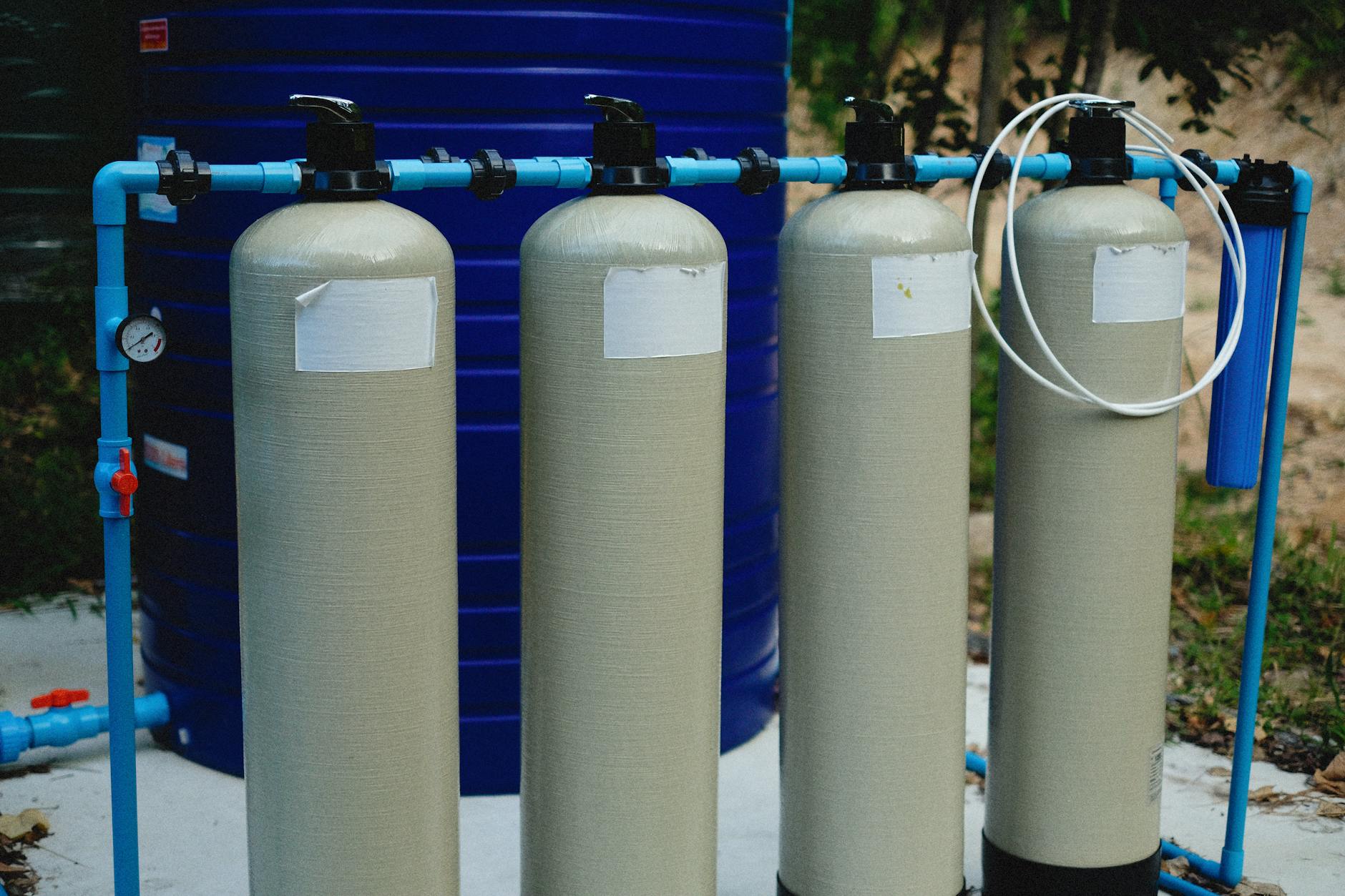
HPWT’s innovation, exemplified by its multi-stage purification system, offers a compelling solution to these dire statistics. This system is engineered to achieve an exceptionally high level of purity, capable of removing physical impurities, organic and non-organic contaminants, pathogens, and a staggering 81 different chemicals, alongside all 12 known pesticides and herbicides. Such comprehensive contaminant removal is crucial in an era where water sources are increasingly polluted by industrial runoff, agricultural chemicals, and microplastics. The ability to tackle such a wide array of pollutants positions HPWT's technology as a versatile and robust answer to complex water quality challenges.

The intensifying global water crisis, driven by climate change, population growth, and industrial expansion, places immense pressure on existing supplies. By 2030, nearly half the world's population will reside in areas of high water stress, and water scarcity could displace over 700 million people. HPWT's technology offers a tangible pathway to mitigate these dire predictions by making previously unusable water sources, such as greywater and industrial wastewater, safe for various applications. This capability is not just about providing clean water; it's about creating new, resilient water supplies where none existed before, fundamentally altering the calculus of water security.

For industries, the demand for ultrapure water is particularly acute and growing. The semiconductor industry, for instance, is the largest application segment, consuming 40-45% of the ultrapure water market. HPWT's focus on delivering this ultra-high purity water, essential for manufacturing complex chips used in automotive, AI, and IoT devices, places it at the nexus of critical industrial supply chains. This strategic alignment with high-value, high-demand sectors underscores the potential for HPWT to capture significant market share by providing indispensable solutions to industries where water quality is paramount.

What is HydroPure Water's Core Technological Innovation?

HydroPure Water's core technological innovation lies in its advanced, multi-stage purification system, which offers superior contaminant removal and sustainable operational advantages over conventional water treatment methods. The system’s ability to remove 81 different chemicals and all 12 known pesticides and herbicides highlights its comprehensive purification capabilities. This broad-spectrum efficacy is critical in addressing the diverse and evolving threats to water quality, from industrial pollutants to agricultural runoff, ensuring that treated water meets the most stringent purity standards required by both municipalities and high-tech industries.

What truly sets HPWT apart is its commitment to sustainability, a non-negotiable imperative for future water solutions. Unlike energy-intensive methods such as desalination, HPWT's system achieves its high purification standards without the associated environmental costs. This focus on lower energy consumption, reduced wastewater generation, and thoughtful material use, such as UV LEDs and membranes with lower water rejection, not only shrinks the carbon footprint but also significantly lowers operating costs. This dual benefit of environmental responsibility and economic efficiency makes HPWT's offering highly attractive to both municipalities and industries grappling with rising energy prices and stricter environmental regulations.

The technology’s multi-stage approach begins with coarse panel microfiber pre-filtration, followed by subsequent stages designed to target a broad spectrum of pollutants. This layered defense ensures that water is progressively cleaned, removing everything from physical impurities to organic and non-organic contaminants and pathogens. The result is water of exceptional purity, suitable for applications ranging from potable water supplies to highly sensitive industrial processes. This robust and adaptable system positions HPWT as a leader in high-purity water solutions, capable of addressing complex water quality challenges across various sectors.

Furthermore, the extended operational life of HPWT’s systems and their modular deployment capabilities enhance their appeal. Longer operational life translates to reduced maintenance costs and less frequent equipment replacement, offering significant long-term savings for clients. The modular nature of the systems allows for flexible scaling, meaning solutions can be tailored to specific needs and expanded as demand grows, making them suitable for diverse applications from small-scale industrial facilities to large municipal treatment plants. This blend of high performance, extended operational life, and environmental consciousness positions HPWT's technology as a forward-thinking solution for a world in urgent need of clean water.

What are the Market Opportunities and Competitive Landscape for HPWT?

The market opportunities for HydroPure Water (HPWT) are substantial, driven by the convergence of a worsening global water crisis, stringent regulatory environments, and rapid technological advancements. The global ultrapure water market alone is projected to see significant growth, fueled by sectors like semiconductors, pharmaceuticals, and power generation. HPWT's comprehensive purification capabilities, particularly its ability to remove a broad spectrum of contaminants including 81 chemicals and 12 pesticides, position it strongly within these high-value segments where water quality is paramount. The increasing complexity of chips in automotive, AI, and IoT devices further reinforces the need for the ultra-high purity water that HPWT can deliver.

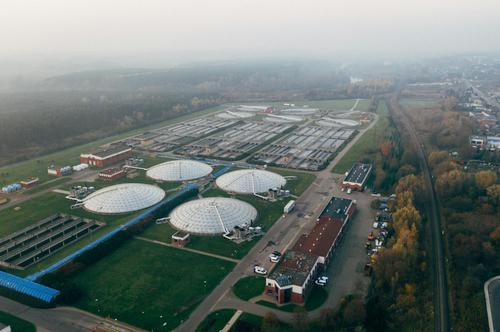
Beyond industrial applications, the potential for greywater reuse and municipal water treatment presents another massive opportunity. As freshwater resources dwindle, cities are increasingly turning to advanced wastewater treatment and recycling programs. Southern California, for example, is building the largest purified recycled water program on the planet, aiming to produce 350 million gallons a day of sustainable supply. The U.S. Bureau of Reclamation is investing nearly $200 million in water reuse projects in the Colorado River Basin, with an additional $130 million soon available. These initiatives underscore a growing global trend towards water reuse, a market where HPWT's efficient and sustainable technology could play a pivotal role.

The competitive landscape in water purification is moderately concentrated, with the top five players holding 40-50% of the market. Established players possess deep pockets, extensive distribution networks, and long-standing relationships with industrial and municipal clients. HPWT will need to demonstrate not only technological superiority but also robust manufacturing capabilities, efficient supply chains, and effective sales and marketing strategies to gain significant market share. Intellectual property protection will be critical to safeguard its innovations against larger, entrenched competitors who may seek to replicate or acquire similar technologies.

To navigate this competitive environment, HPWT's success hinges on strategic market penetration and robust scaling of its technology. Forging key partnerships, particularly public-private partnerships (PPPs), will be crucial for accelerating innovation, scaling adoption, and ensuring affordability and accessibility of new water technologies. For instance, the UK’s Thames Water successfully partnered with technology firms to develop smart metering systems, driving down water wastage. Such collaborations can provide HPWT with access to capital, distribution channels, and regulatory expertise, helping it overcome barriers to entry and expand its footprint in a market that desperately needs its solutions.

What are the Investment Implications and Risks for HPWT?

Investing in HydroPure Water (HPWT) presents a compelling opportunity rooted in a fundamentally growing market, but it also carries inherent risks typical of innovative technology companies. The bull case for HPWT is strong: it operates in a sector with undeniable long-term demand, driven by an intensifying global water crisis and non-negotiable industrial requirements. Its innovative technology, capable of removing a vast array of contaminants sustainably, positions it as a leader in high-purity water solutions. The potential for recurring revenue through service contracts and modular system deployments further enhances its financial outlook, offering stability in a volatile market.

However, the bear case highlights several challenges. The water purification market, while growing, is moderately concentrated, with established players like Suez, Veolia, Xylem, and Pentair holding significant market share. These incumbents have deep pockets, extensive R&D capabilities, and global distribution networks. HPWT will need to differentiate itself not just on technology, but also on cost-effectiveness, scalability, and customer service to compete effectively. Furthermore, the capital-intensive nature of water infrastructure projects and the long sales cycles, particularly with municipal clients, could impact HPWT's revenue growth and cash flow in the short to medium term.

Regulatory hurdles pose another significant risk. New water technologies must meet strict safety and quality standards, which can be complex and vary by region. Harmonizing global standards can accelerate adoption, but navigating these diverse regulatory landscapes requires substantial investment and expertise. HPWT will need to ensure its systems comply with, and ideally exceed, evolving environmental regulations and health standards worldwide. This includes managing potential environmental concerns related to by-products, such as brine disposal from certain treatment processes, even if HPWT's technology aims for reduced wastewater generation.

Finally, the ability to secure strategic partnerships, particularly public-private partnerships, is crucial for HPWT's long-term success. While these partnerships can accelerate innovation and scale adoption, they also introduce complexities in terms of governance, financing, and shared objectives. Investors should monitor HPWT's ability to forge and maintain these critical alliances, as well as its capacity to protect its intellectual property in a competitive environment. The company's success will ultimately hinge on its execution capabilities – transforming technological superiority into market leadership through effective commercialization and strategic alliances.

How Does HPWT's Sustainability Edge Compare to Other Solutions?

HPWT's sustainability edge is a significant differentiator, particularly when compared to energy-intensive conventional methods like desalination and even some emerging technologies. Desalination, while a cornerstone solution for arid coastal regions with global capacity surpassing 100 million cubic meters per day in 2023, often comes with a high energy footprint. Large-scale seawater reverse osmosis (SWRO) plants can cost $0.40–$0.80 per cubic meter, with smaller plants reaching $1.00–$3.00 per cubic meter, largely due to energy consumption. While solar-powered desalination is advancing, HPWT's system inherently operates with lower energy demands, reducing both operational costs and carbon emissions from the outset.

The company's focus on lower energy consumption, reduced wastewater generation, and thoughtful material use, such as UV LEDs and membranes with lower water rejection, directly addresses the environmental drawbacks of many traditional purification processes. This contrasts sharply with older filtration media that might contain harmful microplastics, which HPWT aims to replace. By minimizing its environmental footprint, HPWT not only aligns with global sustainability goals but also offers a compelling economic advantage to clients facing rising energy prices and stricter environmental regulations. This dual benefit of ecological responsibility and economic efficiency makes HPWT's offering highly attractive.

Consider other innovative solutions in the market. Glanris, for instance, manufactures patented, eco-friendly filtration media from rice hulls, which is net CO2 negative and removes both metal and organic contaminants. This biochar-based approach offers a sustainable intervention for agricultural waste and carbon sequestration. While Glanris focuses on a specific type of media, HPWT's multi-stage system provides a broader, comprehensive purification capability that targets a wider array of contaminants, including 81 chemicals and 12 pesticides, making it suitable for more complex water quality challenges across diverse industrial and municipal applications.

HPWT's technology also contributes to a circular water economy by enabling water reuse and reducing reliance on finite freshwater resources. This aligns with global initiatives like the U.S. EPA's National Water Reuse Action Plan, which aims to improve the resiliency and sustainability of the nation’s water resources through collaborative partnerships. By making previously unusable water sources, such as greywater and industrial wastewater, safe for various applications, HPWT directly supports the transition towards more sustainable water management practices. This proactive approach to resource conservation positions HPWT as a forward-thinking solution in the evolving landscape of water technology.

What Does This Mean for Investors?

For investors, HydroPure Water (HPWT) represents a high-growth opportunity in a sector that is both essential and increasingly under pressure. The undeniable long-term demand for clean water, coupled with HPWT’s innovative and sustainable technology, paints a compelling picture for patient capital. However, the journey will likely involve navigating a competitive landscape and the inherent complexities of scaling a cutting-edge solution in a highly regulated industry.

Success for HPWT hinges on strategic market penetration, robust scaling of its technology, and continuous innovation to stay ahead of evolving water challenges. Investors should closely monitor the company's ability to forge key partnerships, particularly public-private collaborations, which are crucial for accelerating adoption and ensuring its cutting-edge solutions reach those who need them most. The future of water security may well flow through companies like HydroPure Water, making it a compelling, albeit potentially volatile, long-term play.

HydroPure Water (HPWT) stands at the precipice of a transformative era for water technology, with its innovative purification system offering a beacon of hope in a water-stressed world. The company's unique blend of high-purity output, sustainable operation, and extended system longevity positions it to capture significant value in critical industrial and municipal markets. As global demand for clean water intensifies, HPWT's solutions will become increasingly indispensable.


Want deeper research on any stock? Try Kavout Pro for AI-powered analysis, smart signals, and more. Already a member? Add credits to run more research.

SHARE THIS ON:

Related Articles

Category

You may also like

Stock News1 months ago

Aqua Vital Filter and Aqua Vital Bottle Claims Evaluated: 2026 Report on Water Filtration, Hydrogen Infusion Technology, Skin Health Research Context, and What Consumers Should Verify

A March 6, 2026, informational overview addresses claims for Aqua Vital Filter and Aqua Vital Bottle, covering water filtration and hydrogen infusion technology.
Stock News1 months ago

Are You Looking for a High-Growth Dividend Stock?

The analysis questions whether American Water Works (AWK) qualifies as a high-growth dividend stock, noting that finding such investments is difficult for shareholders.
Stock News2 months ago

Did Amazon Just Crack the Code on One of AI's Biggest Bottlenecks?

The artificial intelligence revolution is advancing rapidly, but companies currently struggle to match the necessary pace of development.
Stock News3 months ago

Will NVO's Wegovy Pill Approval for Obesity be a Game Changer in 2026?

Novo Nordisk's FDA-approved Wegovy pill is the first oral GLP-1 weight loss therapy, expected to revive momentum and reshape competition starting in 2026.

Breaking News

View All →

Top Headlines

View More →
Stock News1 hour ago

The Market Just Gave You a Rare Chance to Buy These 3 AI Stocks at a Discount

Stock News4 hours ago

Think Nvidia is the Best Artificial Intelligence (AI) Stock to Buy? Think Again.

Stock News5 hours ago

My Dividend Growth Income: March 2026 Update

Stock News5 hours ago

Tesla Stock's Rough Year Continues. Time to Buy the Stock?

Stock News5 hours ago

Why Amazon Stock Jumped Today