MarketLens

Log in

Has the Market Shrugged Off the US-Iran Conflict, or is Deeper Volatility Ahead

1 day ago
SHARE THIS ON:

Has the Market Shrugged Off the US-Iran Conflict, or is Deeper Volatility Ahead

Key Takeaways

  • The initial market reaction to the US-Iran conflict saw a "buy the dip" mentality emerge, with major indices recovering early losses despite escalating geopolitical tensions.
  • While historical data suggests geopolitical shocks often lead to short-lived market pullbacks, the current conflict introduces unique risks, particularly around energy prices and inflation.
  • Disciplined investors should focus on sectors historically resilient to conflict, such as defense and energy, while closely monitoring oil price stability and central bank policy responses.

Has the Market Shrugged Off the US-Iran Conflict, or is Deeper Volatility Ahead?

The global financial markets, particularly in the U.S., demonstrated a remarkable resilience on Monday, March 2, 2026, initially shrugging off the severe escalation of the US-Iran conflict that unfolded over the weekend. Despite opening sharply lower, with the S&P 500 dipping as much as 1.2% and the Dow Jones Industrial Average losing nearly 600 points, a strong "buy the dip" sentiment quickly took hold. This swift recovery saw the S&P 500 close just above the flatline, while the Nasdaq Composite gained nearly 0.4%, a stark contrast to the initial fear.

This immediate rebound, however, masks a complex underlying narrative. The conflict, marked by joint US-Israeli strikes on Iranian military targets and the confirmed death of Iran’s Supreme Leader Ayatollah Ali Khamenei, represents a significant shift from deterrence to open warfare. While past geopolitical events have often seen markets recover quickly, the current situation introduces unique variables, including the potential for prolonged instability and substantial energy market disruption. Investors are now grappling with whether this initial resilience is a sign of underlying strength or merely a temporary reprieve before deeper volatility sets in.

The market's ability to pare losses was partly attributed to a historical pattern where equities tend to shake off geopolitical conflicts over time. Strategists at Morgan Stanley, for instance, noted that the S&P 500 has climbed an average of 2%, 6%, and 8% in the one, six, and twelve months following "geopolitical risk events" since the Korean War. This historical perspective, combined with a belief that the market had already begun pricing in conflict possibilities, contributed to the rapid reversal. Yet, the critical question remains: is this historical playbook sufficient for a conflict of this magnitude, or are we facing an unprecedented scenario that could challenge conventional wisdom?

Indeed, the immediate market action saw a flight to certain assets, highlighting investor concerns. Defense stocks like Northrop Grumman and Palantir Technologies surged by 6% and 5.8% respectively, while energy companies such as Exxon Mobil and Chevron also saw gains as oil prices leaped. Conversely, sectors highly sensitive to fuel costs and travel, such as airlines and cruise lines, experienced significant losses, with American Airlines falling 4.2% and Norwegian Cruise Line Holdings dropping 10.6%. This divergence underscores that while the broader indices recovered, underlying sector-specific anxieties are very much alive, suggesting a cautious optimism rather than a full-blown return to normalcy.

What Are the Key Drivers Behind the Market's Initial Resilience?

The market's surprising bounce-back on Monday, despite the dramatic escalation in the Middle East, can be attributed to several intertwined factors. Firstly, a deeply ingrained "buy the dip" mentality, honed over years of market recoveries from various shocks, played a significant role. Investors, conditioned to view pullbacks as opportunities, quickly stepped in, especially for tech leaders like Nvidia, which jumped nearly 3%, and Microsoft, up over 1%. These cash-rich companies are perceived as more resilient to geopolitical impacts, offering a safe harbor within the broader equity market.

Secondly, the historical precedent of markets quickly recovering from geopolitical events provided a psychological anchor. As noted by Carson Group chief market strategist Ryan Detrick, "Historically, what in the near term seems like a geopolitical crisis tends to be largely resolved from a market perspective over the ensuing six months." This perspective suggests that unless the conflict triggers a severe economic downturn, which it hasn't yet, the market tends to normalize. This narrative helped temper the initial panic, encouraging investors to look beyond the immediate headlines.

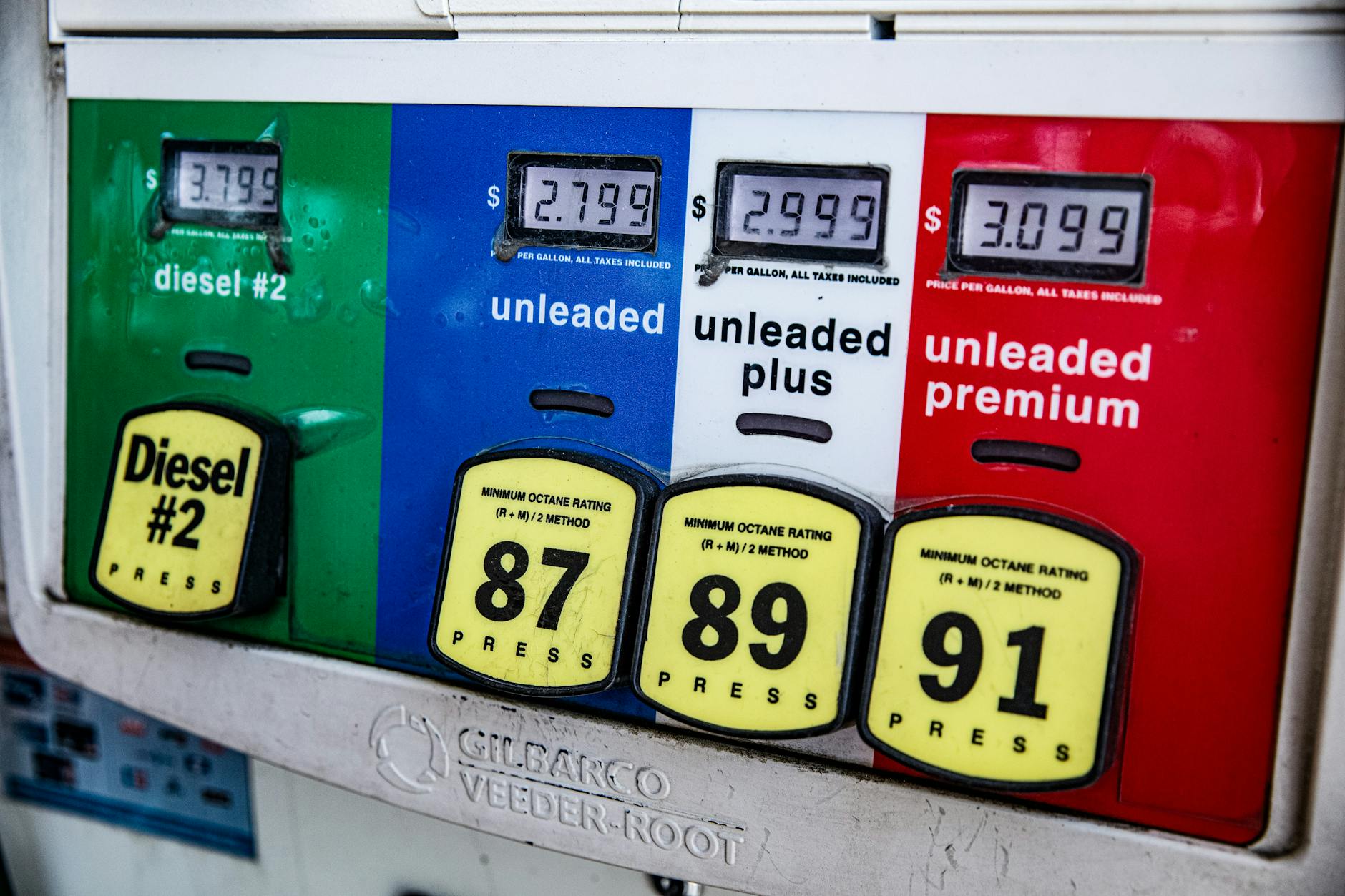
A crucial element in this resilience was the behavior of oil prices. While crude oil initially surged, with U.S. benchmark crude rising 6.3% to settle at $71.23 per barrel and Brent crude climbing 6.7% to $77.74, these prices remained well below the $100 per barrel threshold that Morgan Stanley strategists believe would be necessary to cause a significant and sustained drop in U.S. stocks. The fact that oil prices came off their highest levels of the session eased some concerns about an immediate, crippling energy shock to the U.S. economy, allowing broader market sentiment to improve.

Finally, the market's forward-looking nature meant that some of the conflict's potential impact was already being "priced in." Barclays analysts noted that geopolitical risk premia "had already started to build," with oil up 20% year-to-date even before the latest escalation. This pre-emptive adjustment meant that the market was not entirely caught off guard, limiting the size of the initial drop and potentially paving the way for a quicker rebound as investors sought a clearer path to resolution. The combination of these factors created a powerful counter-narrative to the initial fear, driving the market's impressive recovery.

What Are the Primary Risks and Opportunities for Investors Now?

The current geopolitical landscape, while showing initial market resilience, presents a dual-edged sword of significant risks and emerging opportunities for investors. The most immediate and potent risk remains an energy shock. While the Strait of Hormuz, a critical chokepoint for global oil and LNG flows, has not seen a sustained closure, any partial disruption, harassment of shipping, or attacks on energy facilities could lead to substantial oil price volatility. Barclays analysts warn that Brent crude "could approach $100/b" if material supply disruption is priced in, which would have severe inflationary consequences globally.

Such an energy-driven inflation impulse would directly complicate the monetary policy outlook. A 5%–10% rise in oil prices typically adds 0.1–0.3 percentage points to headline inflation in the US and Europe almost immediately. This would reinforce central bank caution, potentially tying the Federal Reserve's hands and preventing interest rate cuts, even if growth softens. The current Treasury yield curve, with a 2s/10s spread of +0.58%, indicates a normal yield curve, but persistent inflation could quickly invert this, signaling economic distress and increasing bond market volatility.

On the opportunity side, certain sectors are poised to benefit from heightened geopolitical tensions. Defense and aerospace stocks, as seen with Northrop Grumman and Palantir's rallies, are clear beneficiaries of increased defense spending and national security priorities. This trend is expected to continue, with a structural shift towards greater investment in defense technology, AI, space, and cyber capabilities. Investors looking for long-term themes should consider these areas, as geopolitical cycles are long, often lasting decades.

Furthermore, energy security and critical minerals also emerge as key investment themes. While a sustained oil price spike is a risk, the underlying need for energy security will drive investment in both traditional and renewable energy sources. Countries reliant on Middle Eastern oil, particularly in Asia, will seek to diversify, creating opportunities in alternative energy and domestic production. The conflict also underscores the importance of critical minerals and rare earth elements, essential for advanced technologies and defense, making companies involved in their extraction and processing attractive long-term plays.

How Do Historical Precedents Inform Our Current Outlook?

History offers a nuanced perspective on market reactions to military conflicts, suggesting that while initial shocks can be sharp, they are often short-lived. Data going back to the Korean War in 1950 and the 1956 Suez crisis shows that the S&P 500 has historically recovered and even gained in the months following "geopolitical risk events." This pattern was evident on Monday, March 2, 2026, as U.S. stocks erased steep early losses, finishing the day with a slight gain despite the escalating US-Iran conflict.

However, it's crucial to differentiate between various types of conflicts and their market impacts. Past military actions, particularly those that did not significantly disrupt global energy flows or lead to prolonged regional instability, tended to have minimal long-term effects on markets. The current situation, with its direct strikes on Iran and the death of its Supreme Leader, introduces a higher degree of uncertainty and a greater risk of a sustained regional conflict, unlike many previous episodes. This is not merely a "geopolitical risk event" but a direct military engagement with a major oil-producing nation.

The key variable, as highlighted by strategists, is the price of oil. Historically, for a conflict to cause a significant and sustained drop in U.S. stocks, oil prices would likely need to jump above $100 per barrel. While Brent crude climbed to $77.74 and U.S. crude to $71.23 on Monday, these levels are still below the critical threshold. The market's ability to absorb these price increases without a deeper sell-off suggests that investors are currently betting against a prolonged, severe disruption to the Strait of Hormuz, which handles approximately 20% of global oil shipments.

Yet, the "buy the dip" narrative, while historically robust, faces unique challenges in this environment. The conflict's duration, the scope of Iranian retaliation, and the potential for domestic instability within Iran are all critical variables that could deviate from historical patterns. Unlike the "12-Day War" in 2025, this conflict is described as "larger, more intense, and likely to last one to three weeks, at most two months." A prolonged campaign would deepen risk premia and could lead to a more sustained market impact, particularly if it triggers broader supply chain stress beyond energy. Therefore, while history provides comfort, investors must remain vigilant for signs that this conflict could break the mold.

What Economic Indicators and Events Should Investors Monitor Closely?

As the US-Iran conflict unfolds, investors must keep a keen eye on several economic indicators and upcoming events that could significantly influence market direction. The most critical data point to watch is the evolution of energy prices. Any sustained spike in crude oil, particularly Brent crude nearing or exceeding $100 per barrel, would signal a severe inflationary shock. This would not only hurt consumer spending but also complicate the Federal Reserve's monetary policy decisions, potentially forcing them to maintain higher interest rates for longer, even in the face of slowing growth.

Beyond energy, the upcoming U.S. economic calendar holds significant weight. The Non Farm Payrolls (Feb) report, due on March 6, 2026, is a high-impact event. With an estimated 70,000 new jobs, down from a previous 130,000, a weaker-than-expected print could signal a softening labor market, which, combined with higher energy prices, could heighten stagflation fears. Similarly, the Average Hourly Earnings YoY (Feb), estimated at 3.6% (down from 3.7%), will offer crucial insights into wage inflation and its potential to fuel broader price pressures.

The behavior of the U.S. Treasury yield curve will also be a key barometer of market sentiment and inflation expectations. While the 2s/10s spread of +0.58% currently indicates a normal yield curve, a significant flattening or inversion could signal growing recessionary fears or a loss of confidence in the Fed's ability to manage inflation. Investors should monitor the 10-Year Treasury yield, currently at 4.05%, for any sharp movements, as these directly impact borrowing costs across the economy, including mortgage rates.

Finally, the market will be closely watching corporate earnings reports, particularly from bellwether companies. Upcoming reports from cybersecurity firm CrowdStrike, retailer Target, chipmaker Broadcom, and Costco later this week will provide insights into how businesses are navigating the current economic environment. Strong earnings from tech leaders like Nvidia and Microsoft helped lift the market on Monday, but any signs of weakness or cautious outlooks could quickly dampen the "buy the dip" enthusiasm and expose underlying vulnerabilities in the broader economy.

Is This a "Buy the Dip" Opportunity or a Trap?

The market's initial "buy the dip" reaction to the US-Iran conflict, while historically consistent, presents a complex calculus for investors. On one hand, the swift recovery of major indices and the historical precedent of short-lived geopolitical shocks suggest that disciplined investors might find opportunities to acquire high-quality assets at a discount. The underlying strength of the U.S. economy and robust corporate earnings, particularly in the tech sector, provide a fundamental underpinning that could support a continued rally once geopolitical tensions ease.

However, this "buy the dip" narrative is not without significant caveats. The current conflict is more intense and potentially longer-lasting than many previous episodes, and the risk of a sustained energy shock remains elevated. If crude oil prices were to surge significantly higher and remain elevated, it would undoubtedly reignite inflation, complicate central bank policy, and weigh heavily on consumer spending, potentially leading to a more prolonged market downturn. The death of Iran's Supreme Leader also introduces an unpredictable element of succession and potential internal instability that could spill over regionally.

For investors, the prudent approach involves a highly selective strategy rather than a broad-based "buy everything" mentality. Focusing on sectors that historically perform well during periods of geopolitical uncertainty, such as defense and energy, could offer some protection and upside. Furthermore, high-quality companies with strong balance sheets and pricing power are better positioned to weather inflationary pressures and supply chain disruptions. Conversely, highly cyclical sectors or those heavily reliant on stable fuel prices and international travel may continue to face headwinds.

Ultimately, whether this is a genuine opportunity or a trap hinges on the conflict's trajectory and its impact on global energy markets and inflation. While the market has shown remarkable resilience, the "unclear endgame" of the conflict, as Barclays analysts put it, demands caution. Investors should prioritize risk management, maintain diversification, and closely monitor geopolitical developments and key economic indicators. The current environment calls for nimble, active management, ready to adapt to rapidly changing circumstances rather than blindly following historical averages.

The market's initial resilience is a testament to its adaptive nature, but the path ahead is fraught with uncertainty. Investors must remain vigilant, focusing on robust fundamentals and strategic positioning, rather than assuming a quick return to normalcy. The true test of this "buy the dip" moment will be determined by the duration and scope of the conflict, and its ultimate impact on global energy prices and the broader economic landscape.


Want deeper research on any stock? Try Kavout Pro for AI-powered analysis, smart signals, and more. Already a member? Add credits to run more research.

SHARE THIS ON:

Related Articles

Category

You may also like

News10 hours ago

Is The Iran War Sell-Off Overdone?

Equities are experiencing a volatility-driven sell-off due to the Iran conflict, but structural fundamentals remain intact. Historical data suggests equities typically recover as uncertainty fades.
News1 day ago

Iran Conflict And Potential Equity Market Impact

U.S. and Israel initiated strikes on Iran following a nuclear negotiation impasse Saturday morning, raising investor questions about the resulting impact on equity markets and the broader economy.
Crypto News3 days ago

Bitcoin Price Prediction: $65K Level Wobbles After US–Iran Escalation

Bitcoin's price wobbled near the $65K support level following US-Iran escalation, causing analysts to debate whether the cryptocurrency will bounce or slide toward lower zones.
News2 weeks ago

Market Volatility: Theme of the Week?

Market volatility remains a focus this week as developments in U.S./Iran talks continue, potentially impacting the energy commodity space.

Breaking News

View All →

Top Headlines

View More →
Stock News1 hour ago

IP Group portfolio company Oxa raises $103 million in Series D backed by National Wealth Fund and Nvidia

Stock News1 hour ago

Physical AI Is Less Than 3% of Nvidia's Revenue. Here's How It Could Transform Nvidia By 2035.

Stock News7 hours ago

Prediction: Nvidia (NVDA) Will Be Worth More Than Alphabet, Apple, Amazon, Tesla, Meta, and Microsoft Combined by 2030

Stock News7 hours ago

Meta Creates New AI Unit to Accelerate Model Development

Stock News9 hours ago

Nvidia Expands Telecom Push With AI-Native 6G Initiative