MarketLens
Is Amazon's New Credit Card Deal a Game Changer for Small Business Finance

Key Takeaways
- Amazon's new small business credit card partnership with U.S. Bank and Mastercard marks a strategic pivot to deepen its financial services footprint, moving away from American Express.
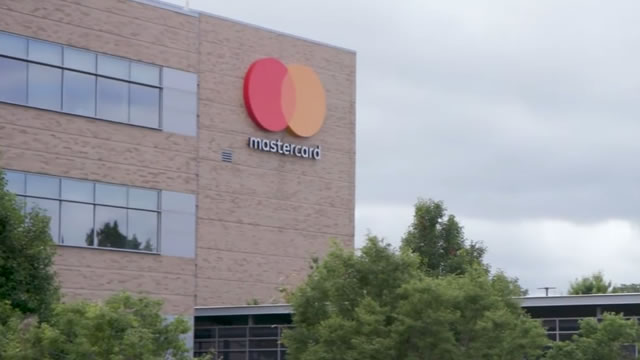
- This collaboration offers U.S. Bank a significant cross-selling opportunity to Amazon's vast network of 1.9 million U.S. small-to-midsize business sellers, while Mastercard gains a crucial foothold in "agentic commerce."
- The enhanced reward structure, including up to 5% cash back on Amazon purchases and an increased spending cap, directly addresses small business needs for better cash flow and rewards.
Is Amazon's New Credit Card Deal a Game Changer for Small Business Finance?
Amazon.com, Inc. (NASDAQ: AMZN) is making a calculated move to significantly expand its reach into the small business financial services sector, announcing a new partnership with U.S. Bancorp (NYSE: USB) and Mastercard Incorporated (NYSE: MA) for its co-branded business credit cards. This isn't just a routine issuer change; it's a strategic realignment that promises to reshape how small businesses interact with Amazon and access critical financial tools. The transition, which sees the portfolio shift from American Express, is set to begin on August 14, 2026, with new cards launching in late spring or early summer.
This shift is a direct response to the expressed needs of small businesses, which often grapple with undercapitalization and difficulty securing traditional loans. Tai Koottatep, Amazon's Director of Worldwide B2B Payments & Lending, highlighted that businesses wanted more ways to earn rewards and better tools for cash flow management. The new cards, including the Prime Business Card offering 5% back for Prime members and the Amazon Business Card providing 3% back for non-members on Amazon purchases, are designed to meet these demands. The annual cap for 5% earnings has also been raised from $120,000 to $150,000, a tangible benefit for high-volume Amazon sellers.
For Amazon, this partnership isn't merely about payment processing; it's about embedding itself deeper into the operational fabric of its small business ecosystem. By offering enhanced financial products, Amazon strengthens its competitive position and fosters greater loyalty among its sellers. The e-commerce giant, currently boasting approximately 42% of the U.S. e-commerce market share, is leveraging its platform dominance to drive financial innovation. This move underscores Amazon's long-term vision to be an indispensable partner for small businesses, not just a marketplace.
What Does U.S. Bank Gain from This Coveted Portfolio Acquisition?
U.S. Bank's acquisition of Amazon's small business credit card portfolio is a monumental win, providing an unparalleled gateway to a massive, engaged customer base. The Minneapolis-based bank, which currently serves just under 1.5 million small-business customers with its own suite of credit cards and banking services, now gains direct access to Amazon's approximately 1.9 million active small-to-midsize business sellers in the U.S. This isn't just about cardholders; it's about a strategic cross-sell opportunity that could significantly boost U.S. Bank's market share in the lucrative small business banking segment.
Richard Crone, CEO of Crone Consulting, aptly described this as a "coveted portfolio," emphasizing its role as a "linchpin for capital management" for small businesses. These cards represent the credit lines Amazon offers its merchants, providing crucial working capital. For U.S. Bank, this means the potential to introduce a wide array of additional services, from core banking and financing to merchant services and spend management tools, to a new cohort of businesses that are already digitally native and actively transacting. The bank plans to announce additional rewards and features for the cards in late spring or early summer, further enhancing their appeal.
The timing of this acquisition is also noteworthy, coming roughly three months after JPMorgan Chase secured Apple's credit card portfolio from Goldman Sachs. This signals a broader trend in the financial industry where major banks are aggressively pursuing co-branded card programs with tech giants to expand their customer base and data insights. U.S. Bank's current offerings, like the Business Shield™ Visa® Card with its 0% introductory APR and the Triple Cash Rewards Visa® Business Card, demonstrate its commitment to the small business segment. Integrating Amazon's cardholders into this ecosystem could create powerful synergies, driving both card usage and broader banking relationships.
How Does Mastercard Benefit from Powering Amazon's Business Cards?
Mastercard's role as the network provider for Amazon's new small business credit cards is far more than a standard processing agreement; it's a strategic alignment with the future of digital commerce, particularly in the burgeoning field of "agentic commerce." Eimear Creaven, president of global partnerships at Mastercard, highlighted that these cards are "built for the digital-first economy and agentic commerce." This partnership positions Mastercard at the forefront of integrating AI-driven purchasing decisions with payment solutions, a critical area given Amazon's leadership in AI with features like Rufus and Buy for Me.
Mastercard has been proactively building out its agentic commerce capabilities, notably rolling out "Verifiable Intent" earlier this month. This trust framework creates a tamper-resistant record of user authorizations when an AI agent acts on their behalf, addressing a key concern in AI-driven transactions. By partnering with Amazon, a company "so embedded in the AI world," Mastercard gains an invaluable testing ground and a direct channel to develop tools that support small businesses in this evolving space. The real upside, as Crone noted, is using the payment credential to "track intent and business buyer reasoning and the deliberations that they go through in what they acquire for their business."
This collaboration allows Mastercard to deepen its data insights into small business spending patterns, particularly within the Amazon ecosystem. These insights are crucial for developing more tailored financial products, fraud prevention tools, and value-added services. For a company with a market capitalization of $446.19 billion, currently trading at $499.96, securing this partnership with Amazon reinforces its position as a leading innovator in payment technology. It's a clear signal that Mastercard is investing in the next generation of commerce, ensuring its network remains central to how businesses transact in an increasingly automated and AI-driven world.
What Are the Competitive Implications for American Express?
The departure of Amazon's small business credit card portfolio from American Express (Amex) is a notable blow, underscoring the intense competition in the co-branded card market. Amex had previously managed Amazon's Business and Business Prime cards, offering benefits like 3% or 5% back on Amazon purchases (up to $120,000 annually) or a 60-day interest-free period. The email sent by American Express to existing cardholders, informing them of the transition to U.S. Bank starting August 14, 2026, marks the end of a significant relationship for the issuer.
While Amex is a powerhouse in the premium card segment and has a strong small business presence, losing a partner with Amazon's scale and reach is undoubtedly a setback. Amazon's vast network of 1.9 million U.S. small business sellers represented a substantial pool of cardholders and transaction volume for Amex. The competitive landscape for co-branded cards is fierce, with major banks like JPMorgan Chase and U.S. Bank actively vying for partnerships with leading brands. This shift highlights the dynamic nature of these agreements, where issuers must continuously demonstrate value and innovation to retain coveted portfolios.
However, Amex is not without its strengths. The company offers a robust suite of business credit cards, including the American Express Blue Business Cash™ Card and the Business Gold Card, which cater to diverse small business needs with competitive rewards and benefits. Its strong brand recognition, customer service, and proprietary network continue to attract and retain a loyal customer base. The challenge for Amex now is to mitigate the impact of losing the Amazon portfolio by strengthening its existing offerings and pursuing new strategic partnerships that align with its core strengths and target demographics.
What Does This Mean for Investors in AMZN, USB, and MA?
For investors, this tripartite partnership presents a compelling narrative of strategic growth and synergistic value creation across three major players. Amazon (AMZN), currently trading at $208.72 with a market capitalization of $2.24 trillion, solidifies its financial services arm, further integrating its vast e-commerce ecosystem with essential business financing. This move enhances customer stickiness for its small business sellers, potentially driving higher transaction volumes and deeper engagement with Amazon's platform, including AWS. The increased rewards and spending limits directly address seller needs, fostering loyalty and making Amazon an even more indispensable partner.
U.S. Bancorp (USB), with its $80.73 billion market cap and shares at $51.96, gains immediate access to a massive, digitally-savvy small business customer base. This portfolio acquisition is a significant growth catalyst, offering unparalleled cross-selling opportunities for U.S. Bank's comprehensive suite of banking and payment services. The ability to convert Amazon's sellers into full-fledged U.S. Bank clients could substantially boost deposits, loan origination, and fee income, driving long-term revenue growth and strengthening its position in the competitive regional banking sector.
Mastercard (MA), trading at $499.96 with a market cap of $446.19 billion, secures a pivotal role in the future of agentic commerce. This partnership with Amazon, a leader in AI innovation, positions Mastercard at the forefront of developing payment solutions for AI-driven transactions. The insights gained from processing transactions within Amazon's ecosystem will be invaluable for developing next-generation payment technologies and security frameworks. This strategic alignment reinforces Mastercard's leadership in payment networks and its commitment to innovation, promising sustained relevance and growth in an evolving digital economy.
The Amazon-U.S. Bank-Mastercard partnership is a powerful testament to the evolving landscape of financial services, where tech giants, banks, and payment networks converge to create integrated solutions. For investors, this collaboration represents a strategic win, promising enhanced customer engagement, significant cross-selling opportunities, and a strong foothold in the future of digital commerce. This move could very well set a new benchmark for co-branded financial products, driving value for all three companies and their shareholders in the years to come.
Want deeper research on any stock? Try Kavout Pro for AI-powered analysis, smart signals, and more. Already a member? Add credits to run more research.
Related Articles
Category
You may also like


Is Amazon Actually a Once-in-a-Decade Bargain Stock Right Now?

Synchrony Financial: Trump's Credit Card Proposal Creates An Opportunity

Is Mastercard's Open Finance Push Redefining Cash Flow Tools for SMEs?
Breaking News
View All →Featured Articles
Top Headlines

Fired via email? Some of the 30,000 workers cut by Oracle woke up to a morning message saying they were laid off.

QQQI With JEPQ: Outperforming QQQ Amidst The 2026 Tech Correction

Meta Shares Rise Nearly 3% After Key Trading Signal

Oracle Corporation (ORCL) Shareholders Who Lost Money Have Opportunity to Lead Securities Fraud Lawsuit