MarketLens

Log in

Is Disney's Infinity Vision a Game Changer for Theatrical Experiences

3 days ago
SHARE THIS ON:

Is Disney's Infinity Vision a Game Changer for Theatrical Experiences

Key Takeaways

  • Disney's new Infinity Vision certification is a strategic move to control premium theatrical experiences, directly challenging IMAX after losing key screen exclusivity for Avengers: Doomsday.
  • While not a new technology, Infinity Vision standardizes high-end projection and sound in existing Premium Large Format (PLF) theaters, aiming to enhance Disney's film presentation and potentially drive higher ticket prices.
  • For investors, Infinity Vision could bolster Disney's theatrical segment, support its streaming content pipeline, and reinforce the value of its intellectual property, contributing to long-term revenue and EPS growth targets.

Is Disney's Infinity Vision a Game Changer for Theatrical Experiences?

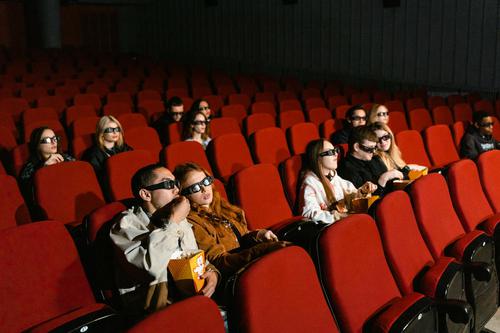
Disney's recent unveiling of Infinity Vision at CinemaCon marks a significant strategic pivot, positioning the entertainment giant to exert greater control over the premium cinematic experience. This isn't just about a new logo; it's a direct response to the escalating competition for high-end exhibition space, particularly after Disney's Avengers: Doomsday lost crucial IMAX exclusivity to Dune 3 for its December 2026 release. The initiative aims to standardize what "premium" truly means for Disney films, ensuring that audiences can consistently find the best possible viewing environments for their blockbusters, starting with the September re-release of Avengers: Endgame and the highly anticipated Avengers: Doomsday.

This move underscores Disney's unwavering commitment to the theatrical model, even as streaming continues its ascent. By establishing its own certification, Disney seeks to mitigate future scheduling conflicts and guarantee that its tentpole releases receive the grand presentation they are designed for. It’s a bold statement in an evolving industry, signaling that the studio is not content to merely adapt but intends to shape the future of moviegoing. The goal is to eliminate guesswork for consumers and provide a clear brand identifier for auditoriums that meet Disney's exacting standards for scale, clarity, and sound.

The timing is particularly interesting, given the current market dynamics. The Walt Disney Company (NYSE: DIS) is trading at $106.28 as of April 17, 2026, with a market capitalization of $188.48 billion. The stock has seen its 52-week range fluctuate between $82.98 and $124.69, suggesting investor sensitivity to strategic moves that could impact future revenue streams. Infinity Vision, therefore, is not just a creative endeavor but a calculated business decision designed to protect and enhance Disney's substantial investment in its cinematic content.

Ultimately, Infinity Vision is Disney's answer to a fragmented premium cinema landscape, a move to unify the experience under its own banner. It's about brand control, audience expectation, and securing the optimal showcase for its most valuable intellectual property. Whether it truly revolutionizes the industry or merely solidifies Disney's position within it remains to be seen, but the intent is clear: Disney wants its films to be seen exactly as intended, on the grandest possible scale, without compromise.

What Exactly is Infinity Vision, and How Does it Stack Up Against IMAX?

Infinity Vision is Disney's new certification program for Premium Large Format (PLF) theaters, not a proprietary new projection technology or screen format. It sets rigorous technical benchmarks for existing auditoriums, focusing on three core pillars: the largest screens for maximum scale, laser projection for superior brightness and clarity, and premium audio formats for fully immersive sound. This means theaters must meet specific criteria to earn the Infinity Vision stamp, ensuring a consistent, high-quality viewing experience for Disney's content.

The key distinction from IMAX lies in its nature as a certification rather than a proprietary system. While IMAX often involves custom-built theaters and cameras designed specifically for its format, Infinity Vision leverages and standardizes the best existing PLF technologies. Disney is not requiring cutting-edge LED cinema displays from companies like Samsung (Onyx) or Sony, which offer true HDR picture quality, but rather focusing on widely adopted laser projection and large screens. This approach allows for quicker scalability, with 75 certified PLF auditoriums already in the US and over 300 globally at launch.

The genesis of Infinity Vision directly relates to the "Dunesday" weekend clash, where Avengers: Doomsday lost out on US IMAX exclusivity to Dune 3. While Dune 3 was largely shot on native IMAX film cameras, Avengers: Doomsday utilized IMAX-certified digital cameras. This incident highlighted Disney's vulnerability to external scheduling decisions and the need for an alternative premium platform. Infinity Vision is designed to give Disney more leverage and control, ensuring its blockbusters can always access a top-tier exhibition environment.

Critics might argue that Infinity Vision is primarily a branding exercise, simply tagging pre-existing PLF theaters with a Disney-approved stamp. Some film fans have already mocked the move, expressing concerns about increased ticket prices based more on marketing hype than a truly revolutionary quality leap. However, Disney emphasizes that the initiative goes beyond mere certification, including additional special offerings for theaters, marketing support, and clear online and in-theater branding to help consumers identify certified auditoriums. It's about creating a unified, recognizable standard for Disney's premium theatrical presentations.

How Will Infinity Vision Impact Disney's Financials and Content Strategy?

Infinity Vision holds significant implications for Disney's financial performance, particularly within its Media and Entertainment Distribution segment. By standardizing a premium viewing experience, Disney aims to drive higher attendance for its theatrical releases, which directly translates to increased box office revenue. Premium formats typically command higher ticket prices, and with a clear "Infinity Vision" brand, Disney can justify these elevated costs, potentially boosting average revenue per attendee. This is crucial for a company that reported $26.0 billion in revenue in its last earnings report (February 2, 2026), beating expectations.

Beyond direct box office gains, Infinity Vision reinforces the value of Disney's vast content library and its commitment to theatrical storytelling. Strong theatrical performance often creates a halo effect, driving demand for subsequent streaming releases on Disney+ and other platforms. By ensuring its films are seen in the "grandest possible scale," Disney enhances the perceived quality and event status of its content, which can attract and retain subscribers in a highly competitive streaming market. This synergy between theatrical and streaming is vital for Disney's long-term growth, with analysts projecting revenue of $114.3 billion for FY 2029-09 and $115.9 billion for FY 2030-09.

The initiative also provides Disney with greater leverage in negotiations with exhibition partners. By offering marketing support and a clear certification program, Disney can foster stronger relationships with theaters willing to invest in and maintain high-quality projection and sound systems. This collaborative approach, as highlighted by Andrew Cripps, Head of Theatrical Distribution for The Walt Disney Studios, ensures that the exhibition community is aligned with Disney's vision for premium content delivery. Such partnerships can lead to more favorable terms for Disney, further bolstering its profitability.

However, the financial impact isn't without potential pitfalls. If consumers perceive Infinity Vision as merely a rebranding without a substantial improvement in quality, the premium pricing strategy could backfire, leading to audience skepticism and resistance. Furthermore, the investment in marketing and supporting this new certification will incur costs, which must be offset by increased revenue and enhanced brand equity. Ultimately, the success of Infinity Vision will depend on its ability to genuinely elevate the moviegoing experience and convince audiences that it's worth the premium, contributing positively to Disney's projected EPS of $9.01 for FY 2029-09 and $9.96 for FY 2030-09.

What Does Infinity Vision Mean for Theme Parks and Consumer Experience?

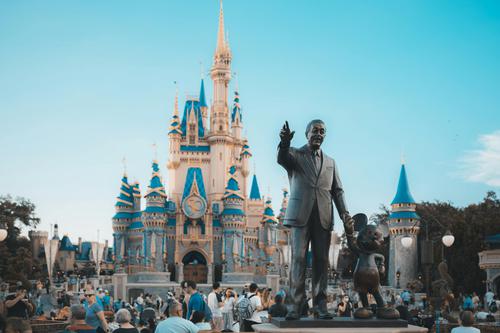
While Infinity Vision primarily targets the theatrical experience, its ripple effects could extend to Disney's Parks, Experiences, and Products segment, reinforcing the company's holistic approach to entertainment. The initiative is fundamentally about enhancing the "magic" of Disney storytelling, a core tenet that drives visitation to its theme parks and resorts. By elevating the cinematic presentation of its tentpole franchises like Marvel's Avengers, Disney deepens audience engagement and passion for these characters and worlds, which are heavily integrated into park attractions and merchandise.

Consider this: a truly immersive Infinity Vision experience for Avengers: Doomsday can reignite fan excitement and encourage them to seek out related experiences at Disney theme parks. The emotional connection forged in a premium cinema environment translates into a desire to "live" that story, whether through riding the latest Marvel-themed attraction or purchasing merchandise. This symbiotic relationship between film and parks is a cornerstone of Disney's business model, and Infinity Vision serves as another powerful touchpoint to strengthen that bond.

Moreover, the emphasis on "the biggest, brightest, and most immersive cinematic experiences" aligns perfectly with Disney's brand promise of unparalleled quality and escapism. This commitment to premium experiences, whether in a movie theater or a theme park, reinforces Disney's position as a leader in entertainment. It helps differentiate Disney's offerings from competitors and justifies the premium pricing often associated with its products and services. The Infinity Vision logo, appearing online and in theaters, becomes another visual cue for consumers seeking top-tier entertainment, much like the Disney castle logo itself.

However, the success of this cross-segment synergy hinges on the actual quality delivered by Infinity Vision. If the experience falls short of expectations, or if the perceived value doesn't match potential price increases, it could inadvertently dilute the premium brand image Disney strives to maintain across all its ventures. For a company with a Beta of 1.44, indicating higher volatility than the broader market, maintaining consumer trust and perceived value is paramount. Infinity Vision, therefore, is not just about movie screens; it's about reinforcing the entire Disney ecosystem and ensuring that every touchpoint delivers on the promise of an extraordinary experience.

What Are the Potential Risks and Challenges for Disney's New Initiative?

Despite its strategic intent, Disney's Infinity Vision faces several potential risks and challenges that could temper its impact. The most immediate concern is consumer perception. Many film fans have already expressed skepticism, viewing Infinity Vision as a mere branding exercise rather than a genuine technological leap. If audiences don't perceive a significant difference in quality compared to existing PLF options or even standard digital presentations, the initiative could be dismissed as marketing hype, making it difficult to justify premium ticket prices. This could lead to a backlash, eroding goodwill rather than building it.

Another challenge lies in the fragmented nature of the exhibition market. While Disney has identified 75 US and 300 global PLF auditoriums for certification, this still represents a fraction of total screens. Ensuring consistent quality control across various theater chains and independent venues will be complex. Disney's standards for "largest screens" and "premium audio" are subjective to a degree, and maintaining uniformity in the actual viewing experience across different locations will be critical. Any inconsistency could undermine the brand promise of Infinity Vision and confuse consumers.

Furthermore, the competitive landscape for premium formats is already crowded, with established players like IMAX, Dolby Cinema, and other regional PLF brands. Infinity Vision enters a market where consumers already have choices and may be loyal to existing formats. Disney will need to invest heavily in marketing and education to differentiate Infinity Vision and convince audiences that it offers a superior or at least distinct experience worthy of their attention and money. This marketing spend adds to operational costs, which must be justified by increased revenue.

Finally, the long-term success of Infinity Vision is tied to Disney's content pipeline. While Avengers: Doomsday and Avengers: Endgame re-release provide strong launch vehicles, the initiative needs a consistent stream of high-quality, visually spectacular films that genuinely benefit from the premium presentation. If future Disney releases don't fully leverage Infinity Vision's capabilities, or if the content itself fails to draw audiences, the investment in this certification program could yield diminishing returns. The company's ability to consistently deliver blockbusters that demand a premium theatrical experience will be paramount.

What's the Investor Outlook for Disney with Infinity Vision?

For investors, Disney's Infinity Vision initiative presents a nuanced but generally positive long-term outlook, reinforcing the company's commitment to its core entertainment assets. The move signals Disney's proactive stance in controlling its content's presentation, a critical factor in maximizing the value of its intellectual property. Analysts currently hold a "Buy" consensus rating for DIS, with a median price target of $137.00 and a high of $151.00, suggesting significant upside from the current $106.28 share price. Infinity Vision, if successful, could contribute to achieving these targets by bolstering theatrical revenue and enhancing brand equity.

The initiative's potential to drive higher average ticket prices and increased attendance for premium screenings could provide a tangible boost to Disney's Media and Entertainment Distribution segment. This, combined with the halo effect on streaming subscriptions and theme park visitation, paints a picture of a company leveraging its integrated ecosystem more effectively. Disney's ability to beat its last EPS estimate with $1.63 on $26.0 billion revenue demonstrates its operational strength, and Infinity Vision is another lever to pull for continued growth.

However, investors should also monitor the execution and market reception. The success hinges on consumer adoption and the perceived value of the Infinity Vision experience. If it fails to resonate with audiences or if the premium pricing is rejected, the financial benefits could be limited. Furthermore, the competitive response from IMAX and other PLF providers will be a factor to watch, as they are unlikely to cede market share without a fight.

Ultimately, Infinity Vision is a strategic investment in Disney's future theatrical experience, designed to protect and enhance its most valuable content. While not without risks, it aligns with Disney's long-standing strategy of delivering premium, immersive entertainment. For investors, it reinforces the bull case for Disney as a diversified entertainment powerhouse capable of adapting to and shaping industry trends, supporting the projected revenue of $115.9 billion and EPS of $9.96 by FY 2030-09.

Disney's Infinity Vision is a bold declaration of its intent to dominate the premium cinematic landscape, ensuring its blockbusters are seen as intended. While challenges remain, this strategic move could significantly bolster its theatrical segment and reinforce the value of its content across its vast entertainment empire. Investors should watch closely for consumer adoption and the initiative's impact on upcoming earnings, as Disney continues to innovate in the evolving world of entertainment.


Want deeper research on any stock? Try Kavout Pro for AI-powered analysis, smart signals, and more. Already a member? Add credits to run more research.

SHARE THIS ON:

Related Articles

Category

You may also like

Stock News6 days ago

Sharp Highlights Cinema Portfolio and Future Roadmap at CinemaCon 2026

Sharp Imaging and Information Company of America is showcasing its latest cinema portfolio and future technology roadmap at CinemaCon 2026. The presentation highlights new visual and audio-technology ...
Stock News1 months ago

Disney Bull vs Bear: What Big Changes at the Entertainment Giant Really Mean for Investors

Walt Disney (NYSE: DIS) stock is at an inflection point as the entertainment giant faces significant strategic changes.
Stock News2 months ago

Ikea is testing a digital Roblox experience

Ikea is testing a new digital experience within the Roblox gaming platform, signaling an expansion beyond its traditional physical store model.
Stock News3 months ago

Can Cloudflare's Edge AI Inference Reshape Cost Economics?

Cloudflare's Edge AI inference leverages custom Rust-based Infire to improve GPU utilization and reduce latency, potentially reshaping current inference cost economics.

Breaking News

View All →

Top Headlines

View More →
Stock News57 minutes ago

Stock Market Today: Dow Jones, S&P 500 Futures Edge Higher With Eyes On Iran Talks—Apple, UnitedHealth, 3M In Focus

Stock News1 hour ago

Wall Street analyst updates Apple (AAPL) stock price target

Stock News1 hour ago

Why Nvidia Is the Most Important Quantum Computing Stock of All

Stock News1 hour ago

The Zacks Analyst Blog Microsoft, Alphabet, International Business Machines, Amazon and NVIDIA

Stock News2 hours ago

This "Magnificent Seven" Stock Will Be a Big Winner from the SpaceX IPO (Hint: It's Not Tesla)