MarketLens

Log in

Is Kaiser Aluminum's Earnings Surge Sustainable, or Just a One-Off

2 days ago
SHARE THIS ON:

Is Kaiser Aluminum's Earnings Surge Sustainable, or Just a One-Off

Key Takeaways

  • Kaiser Aluminum (KALU) is poised for a significant earnings rebound in 2026, driven by the culmination of strategic capital investments and a shift towards higher-margin products.
  • The company's focus on aerospace, packaging, and specialty automotive segments, coupled with operational efficiencies, is expected to fuel 140.4% net income growth and 135.9% EPS growth in FY2025.
  • Despite recent Q4 2025 EPS miss, KALU's robust sales growth and strong 2026 outlook, including 5%-15% EBITDA growth, suggest a compelling narrative for investors looking beyond short-term fluctuations.

Is Kaiser Aluminum's Earnings Surge Sustainable, or Just a One-Off?

Kaiser Aluminum (KALU) is signaling a potential step-change in profitability, with analysts projecting a remarkable 142.6% earnings growth for the current year. This isn't merely a cyclical bounce; it's the anticipated payoff from a multi-year investment push that has positioned the company for a "harvest year" in 2026. After a period of heavy capital expenditure, KALU is now exiting this phase with enhanced capabilities, particularly in high-value segments like aerospace and specialized packaging. The market's initial reaction to the Q4 2025 earnings, which saw a slight EPS miss despite strong sales, might obscure the underlying operational improvements that are set to drive future performance.

Management's recent earnings call struck a distinctly upbeat tone, highlighting record adjusted EBITDA of $310 million for 2025, a substantial $69 million increase year-over-year. This was achieved even amidst softer volumes and start-up costs from new facilities. The adjusted EBITDA margin on conversion revenue jumped to 21.3% in 2025, a 470-basis-point improvement from 16.6% in 2024, with expectations for second-half 2025 margins to approach a robust 24%. This margin expansion is critical, as it underscores a fundamental shift in the company's earnings power, moving beyond reliance on metal price tailwinds to focus on operational execution and product mix.

The company's outlook for 2026 reinforces this narrative, guiding to record conversion revenue and EBITDA. Company-wide conversion revenue is expected to rise 5%–10%, and EBITDA is projected to grow 5%–15%, primarily supported by margin expansion rather than metal price fluctuations. This guidance, coupled with a focus on debt reduction and improved cash generation, paints a picture of a company transitioning from investment mode to a period of sustained returns. While the $1.53 EPS for Q4 2025 missed consensus estimates of $1.56, the company's net sales of $929 million for the quarter, a 21.4% year-over-year increase, actually surpassed market expectations by $19 million, demonstrating strong underlying demand.

What Strategic Investments Are Driving This Growth?

Kaiser Aluminum's projected earnings surge is directly linked to several key strategic investments that are now coming online and ramping up production. The company has diligently poured capital into modernizing and expanding its facilities, specifically targeting higher-margin products and technically challenging applications. These investments are designed to strengthen KALU's foothold in critical end markets and capitalize on long-term demand trends. The completion of these major growth projects marks a pivotal shift, moving the company from a heavy spending phase to one focused on harvesting returns.

Two significant projects, the Warwick coating line and the Trentwood Phase V and VII expansions, were commissioned in 2025 and are actively ramping into full production. The Warwick facility's new fourth coating line is expected to approach 80% utilization, converting approximately 25% of its capacity to coated products. This move is crucial for the packaging segment, where higher-value coated products and long-term customer agreements are expected to drive a 15%-20% increase in conversion revenue for 2026. Similarly, the Trentwood Phase VII expansion adds approximately 5%-6% plate capacity, strategically timed to support the anticipated recovery in aerospace and high-strength (Aero/HS) plate demand.

These investments are not just about increasing capacity; they are about enhancing product quality and manufacturing efficiency for demanding applications. Kaiser's "Kaiser Select" products and highly-engineered aluminum mill facilities differentiate it in markets with high barriers to entry. The company's long-term target of total capital expenditures in the $125 million area, funded by operations and a strong balance sheet, indicates a disciplined approach to future growth. This strategic foresight in capital allocation is now translating into meaningful margin expansion, with management expecting operational gains and cost efficiencies to be the primary drivers of profitability in 2026, rather than external metal price tailwinds.

How Are Key End Markets Shaping Kaiser Aluminum's Outlook?

Kaiser Aluminum's diversified exposure across several key end markets provides a robust foundation for its anticipated growth, though each segment presents its own unique dynamics. The company's strategy involves leveraging its strong market positions and specialized product offerings to capture demand tailwinds and mitigate sector-specific headwinds. The mix of these markets, particularly the shift towards higher-value applications, is central to KALU's margin expansion story.

The Aerospace and High-Strength (Aero/HS) segment, which contributed 32% of LTM conversion revenue, is positioned for a significant recovery. While revenue declined in 2025, Kaiser believes the cycle is turning as OEM production normalizes and destocking subsides. For 2026, the company forecasts aerospace shipments to increase 10%–15% and conversion revenue to rise 5%–10%, supported by additional plate capacity from the Trentwood Phase VII installation. This segment benefits from secular growth in global commercial air travel, business jets, defense, and space, with a long-term CAGR of 3-4%.

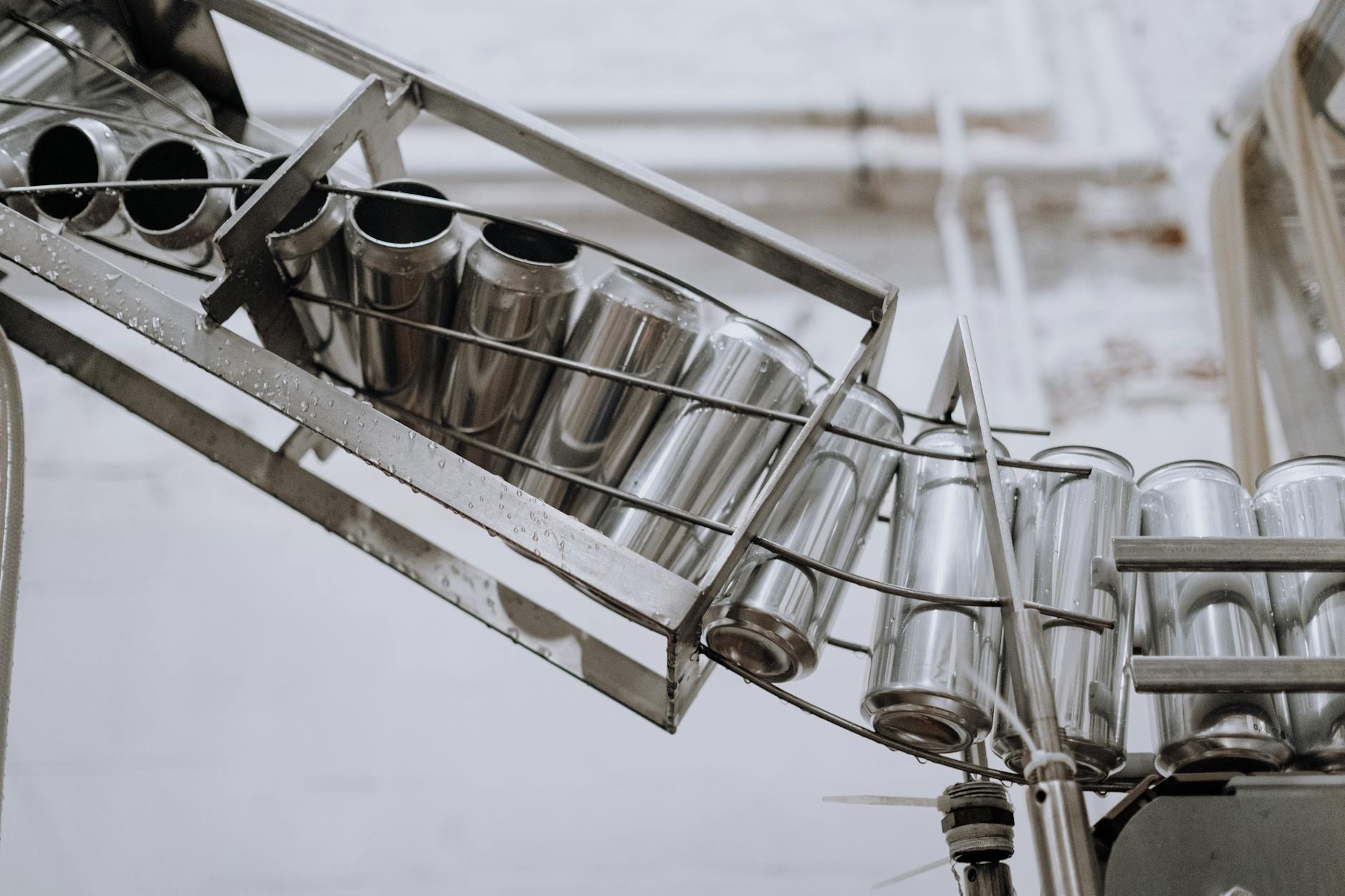
Packaging, representing 37% of LTM conversion revenue, is another strong growth driver, fueled by sustainability-driven conversion from plastic to aluminum in beverage and food cans. Shipments are guided to grow 5%-10% in 2026, with conversion revenue expected to increase a substantial 15%-20%, benefiting from higher-value coated products and long-term customer agreements. This segment's long-term demand growth rate is projected at 3-5% in North America over the next five years.

Conversely, the Automotive Extrusions segment (8% of LTM conversion revenue) is expected to see shipments and conversion revenue decline 5%-10% in 2026. This is primarily due to planned outages at the Bellwood facility for retooling to produce specialty products for the truck and SUV market, rather than a decline in underlying demand. Management emphasizes these are high-margin, specialty products where Kaiser holds a near 100% supply position, positioning them for multi-year growth once retooling is complete. Meanwhile, General Engineering (23% of LTM conversion revenue) is forecast to grow 3%-5% in shipments and conversion revenue, supported by improving GDP and strengthening demand in the semiconductor market.

What Are the Financial Health and Valuation Implications?

Kaiser Aluminum's financial health appears to be solidifying as it moves past its heavy investment phase, with management prioritizing debt reduction and improved cash generation. The company's balance sheet actions, including a $500 million senior notes refinancing and extension of its revolving credit facility to 2030, have enhanced its liquidity position and financial flexibility. This focus on strengthening the balance sheet is crucial as the company aims to translate its operational gains into sustainable shareholder value.

At year-end 2025, liquidity stood at approximately $547 million, comprising $7 million in cash and $540 million of revolver availability. While cash on hand was low, the ample revolver availability underscores the company's ability to manage working capital and metal price swings. For 2026, Kaiser projects free cash flow of $120 million–$140 million, a significant improvement, and expects cash tax payments of only $5 million–$7 million due to a mid-20% effective tax rate. These figures highlight the anticipated cash flow generation as new projects fully ramp up.

From a valuation perspective, KALU currently trades at $130.14 with a market cap of $2.11 billion. Its TTM P/E ratio stands at 18.75, which is reasonable given the projected earnings growth. The P/B ratio is 2.55, and P/S is 0.63. While the TTM P/FCF is negative at -82.71 due to the investment phase, the strong free cash flow guidance for 2026 suggests this metric will improve significantly. The dividend yield of 2.4% with a payout ratio of 57.1% demonstrates a commitment to shareholder returns, marking its 19th consecutive year of payouts.

Analyst consensus for KALU is a "Hold," with a median price target of $120.00. This suggests that while the market acknowledges the company's potential, there's a degree of caution. However, the wide range of fair value estimates, from $106.50 to roughly $344 per share, indicates diverse views on the stock's intrinsic value and the impact of its growth projects. Investors should consider the company's net debt/EBITDA of 3.46, which is expected to improve as EBITDA grows and debt is reduced.

What Are the Bull and Bear Cases for KALU Investors?

The investment narrative for Kaiser Aluminum presents a clear bull case centered on its strategic transformation and a bear case highlighting execution risks and market sensitivities. Understanding both sides is crucial for investors weighing KALU's potential.

The bull case hinges on Kaiser's successful transition from a heavy investment cycle to a period of harvesting returns. Management's guidance for record conversion revenue and EBITDA in 2026, driven by operational execution and margin expansion, is a powerful catalyst. The ramp-up of the Warwick coating line and Trentwood expansions positions KALU to capitalize on robust demand in high-value aerospace and packaging segments, which are expected to see significant conversion revenue growth (5%-10% and 15%-20% respectively). The company's focus on specialty products, like those for the automotive segment post-retooling, offers higher margins and defensible market positions. Furthermore, the strengthening industrials sector, with Basic Materials up 1.84% and Industrials up 0.84% recently, provides a favorable macroeconomic backdrop. The commitment to debt reduction and strong free cash flow generation in 2026 also enhances financial stability and shareholder returns, underscored by its 19th consecutive year of dividends.

On the flip side, the bear case points to several potential headwinds. Despite the optimistic outlook, the Q4 2025 EPS miss, even if slight, highlights the pressure on profitability. The automotive segment's projected 5%-10% decline in shipments and conversion revenue in 2026 due to planned retooling outages at Bellwood could create short-term volume challenges and impact overall revenue. While management attributes this to retooling, any delays or unexpected costs could weigh on performance. Metal price volatility, though not a primary driver of 2026 guidance, remains a persistent risk for aluminum producers. Competition in aerospace and packaging, along with qualification hurdles, could also impact market share and pricing power. Finally, the relatively low cash on hand ($7 million) at year-end, despite ample revolver availability, underscores a reliance on credit facilities, which could become a concern if market conditions deteriorate or liquidity tightens.

What Does This Mean for Investors Looking Ahead?

For investors, Kaiser Aluminum presents a compelling opportunity rooted in a strategic pivot towards higher-margin, specialized products and operational efficiency. The company is transitioning from a period of significant capital expenditure to one focused on realizing returns, making 2026 a pivotal year. The projected 140.4% net income growth and 135.9% EPS growth for FY2025 are not just numbers; they reflect a fundamental shift in the company's earnings power, driven by the successful commissioning of key growth projects.

The market's current "Hold" consensus and median price target of $120.00 might not fully capture the upside potential if Kaiser executes flawlessly on its 2026 guidance. Investors should closely monitor the ramp-up of the Warwick coating line and Trentwood expansions, as well as the successful retooling of the Bellwood automotive facility. The company's ability to consistently generate the projected $120 million–$140 million in free cash flow will be a critical indicator of its financial health and capacity for future shareholder returns, including its consistent dividend payouts.

Kaiser Aluminum's strong foothold in demanding applications like aerospace, defense, and specialty packaging, coupled with its commitment to sustainability, positions it well for long-term secular growth trends. While short-term volume fluctuations and retooling challenges in automotive warrant attention, the overall narrative suggests a company poised for a significant operational and financial uplift. For those with a longer investment horizon, KALU's transformation into a more profitable, higher-margin business within a strengthening industrials sector could offer substantial rewards.

Kaiser Aluminum is at an inflection point, with its strategic investments now poised to deliver substantial returns. The focus on high-value products and operational efficiency, coupled with a strengthening balance sheet, positions KALU for a potentially record-breaking 2026. Investors should closely watch execution on new assets and the realization of projected free cash flow as key indicators of sustained growth.


Want deeper research on any stock? Try Kavout Pro for AI-powered analysis, smart signals, and more. Already a member? Add credits to run more research.

SHARE THIS ON:

Related Articles

Category

You may also like

Stock News9 hours ago

First Solar's $2 Billion Problem

First Solar's current profitability relies heavily on subsidies, raising questions about the sustainability of its earnings for investors.
Stock News5 days ago

After A Recent Growth Spurt, This 4.9%-Yielding Dividend Stock is Slowing to A Crawl in 2026. Is a Reacceleration Coming?

Oneok's earnings growth rate will slow significantly this year after delivering double-digit earnings growth last year, raising questions about future reacceleration.
Stock News1 week ago

Are You Looking for a Top Momentum Pick? Why Kaiser Aluminum (KALU) is a Great Choice

The article questions whether Kaiser Aluminum (KALU) possesses the necessary characteristics to be considered a top stock pick for momentum investors.
Stock News1 months ago

Super Micro Jumps 11%: Turnaround Begins or a Dead Cat Bounce?

Super Micro Computer shares jumped 11% following prior AI-driven surges, prompting investor debate over whether the rally signals a sustained turnaround or a temporary bounce.

Breaking News

View All →

Top Headlines

View More →
Stock News24 minutes ago

The Strait of Hormuz is facing a blockade. These countries will be most impacted

Stock News2 hours ago

Amazon Web Services Confirms Drone Strikes Caused Structural Damage In UAE And Bahrain, Warns Operating Environment 'Remains Unpredictable'

Stock News2 hours ago

Why Amazon Stock Lost 12% in February

Stock News4 hours ago

Amazon says drone strikes damaged 3 facilities in UAE and Bahrain

Stock News4 hours ago

This AI Stock Is Up 11% in Just 1 Week. Time to Buy?