MarketLens
What Sparked the Aluminum Rally in Alcoa and Century Aluminum

Key Takeaways
- Iranian missile strikes on major Gulf aluminum smelters have triggered a significant supply shock, propelling US aluminum producers Alcoa and Century Aluminum shares sharply higher.
- The Middle East, accounting for roughly 9% of global output, faces prolonged disruption, amplifying an already tight market with critically low LME inventories.
- While US producers stand to benefit from higher aluminum prices, the sustainability of these gains hinges on the conflict's duration and potential for global economic slowdown.
What Sparked the Aluminum Rally in Alcoa and Century Aluminum?
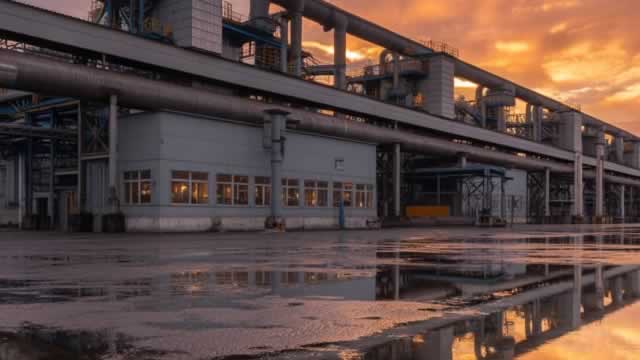
Recent Iranian missile strikes on major Middle East aluminum smelters have ignited a dramatic rally in US aluminum stocks, including Alcoa (NYSE: AA) and Century Aluminum (NASDAQ: CENX). These attacks, occurring over the weekend, targeted critical infrastructure at Emirates Global Aluminium (EGA) in Abu Dhabi and Aluminium Bahrain (Alba), two of the region's largest producers. EGA has reported "significant damage" to its facilities, while Alba is still assessing the full extent of the disruption.
The immediate market reaction was swift and decisive. London Metal Exchange (LME) aluminum futures surged as much as 6% on Monday, reaching $3,492 per ton and approaching a four-year high. This commodity price spike directly translated into substantial gains for North American producers. Alcoa shares (AA) jumped +8.22% to close at $63.21, while Century Aluminum (CENX) soared +7.25% to $53.25. Other US-listed aluminum stocks like Kaiser Aluminum (KALU) and Constellium (CSTM) also saw healthy gains, albeit less dramatic.
This sudden escalation shifts the nature of risk from mere shipping disruptions through the Strait of Hormuz to direct production losses. The Middle East accounts for approximately 9% of global aluminum output, and with these facilities sustaining damage, the market is now grappling with the reality of immediate and potentially prolonged supply cuts. This comes at a time when global aluminum inventories were already at multi-decade lows, leaving little buffer to absorb such a significant shock.
The strikes were claimed by Iran’s Islamic Revolutionary Guard Corps (IRGC) as retaliation for US-Israeli actions, with the IRGC asserting that the targeted companies were suppliers to the US military. While analysts like Wood Mackenzie's Uday Patel express skepticism about a direct link to US military industries, the geopolitical implications are undeniable. The market is now pricing in a sustained period of elevated aluminum prices, a stark reversal from earlier concerns that higher energy costs might dampen industrial demand.
How Significant is This Supply Shock for the Global Aluminum Market?
The recent Iranian strikes on Gulf aluminum plants threaten to unleash one of the most significant supply shocks in the history of the aluminum market, potentially driving prices to record highs. Before these direct attacks, the ongoing conflict had already complicated shipping through the Strait of Hormuz, leading to initial production curtailments. Qatar’s Qatalum had reduced output by 40%, and Aluminium Bahrain (Alba) had already shut down 19% of its capacity due to these logistical challenges.
The two facilities directly struck by Iran, EGA and Alba, have a combined annual production capacity of 3.1 million metric tons. This represents a substantial portion of the Middle East's total output, which exceeds 6 million tons annually. To put this into perspective, the mere threat of an interruption to supplies from Russia’s United Co. Rusal PJSC, which produces about 4 million tons a year, was enough to send aluminum prices up 30% in just three weeks in 2022. The current situation involves actual physical damage and confirmed production losses, making the impact potentially far more severe.
The market context further amplifies the severity of this shock. Unlike oil and gas, where traders had been warning of potential gluts, aluminum traders were already bracing for a bull market. Available stocks on the LME have been hovering around their lowest levels in over two decades for the past three years. Since the war began, these inventories have dropped sharply as traders rushed to withdraw metal in anticipation of a supply squeeze. This pre-existing tightness means the market has virtually no buffer to absorb the sudden loss of millions of tons of production capacity.
Moreover, restarting cold smelters is not a quick process; it can take months, if not longer, to bring them back online. This means that even if geopolitical tensions were to ease quickly, the physical supply constraints would likely persist for an extended period. The Middle East's reliance on uninterrupted shipping for raw materials and its limited regional inventories further exacerbate the vulnerability of its aluminum production, reinforcing the upside risks to global aluminum prices.
What's the Bull Case for US Aluminum Producers Like Alcoa and Century Aluminum?
The bull case for US aluminum producers like Alcoa and Century Aluminum is compelling, rooted in their geographic insulation from the conflict and the inherent tightness of the global market. As major North American producers, both companies operate far from the volatile Middle East, positioning them to directly benefit from sustained higher aluminum prices and potential market share gains. This is particularly relevant given the US domestically produces only about a third of its aluminum needs, relying heavily on imports, with the UAE and Bahrain historically supplying 21% of that imported metal.
Alcoa (AA) and Century Aluminum (CENX) have seen their stocks surge, with Alcoa up 111.5% and Century Aluminum up 194.3% over the past 12 months, even before the latest attacks. This performance has been buoyed by factors like tariffs on imported aluminum and robust demand from sectors like packaging and electrical. The recent strikes only amplify this trend, as the market shifts from concerns about demand to overwhelming worries about supply. Alcoa, for instance, recently reported strong Q4 results, highlighting improved operational performance, and management had already noted robust fundamentals for 2026 with constrained global supply.
The current forward P/E for Alcoa, at 10.3x based on a Monday morning price of $65.30 and a consensus 12-month EPS estimate of $6.32, appears attractive when compared to its five-year average forward P/E of 27.4x and ten-year average of 23.6x. This suggests that even after the recent rally, the stock might still be trading at a discount relative to its historical valuation, especially if the new price environment for aluminum proves sustainable. Analysts like JPMorgan and UBS have already raised price targets for Alcoa to $68 and $70, respectively, with some suggesting these forecasts might become "quaint" if the war continues.
For investors, the key takeaway is that Alcoa and Century Aluminum are well-positioned to capitalize on a market where supply disruptions are becoming the norm rather than the exception. With major production facilities damaged and regional instability threatening further output, the market is pricing in sustained pressure on aluminum supply chains. These companies, operating outside the conflict zone, offer a relatively safer haven for investors looking to gain exposure to the surging commodity.
What Are the Key Risks and Bearish Considerations for Aluminum Stocks?
While the immediate outlook for US aluminum producers appears bright, significant risks and bearish considerations loom, primarily centered on geopolitical uncertainty and potential demand destruction. The current rally is heavily predicated on the assumption of prolonged supply disruptions, but the conflict's duration and scope remain highly unpredictable. Prediction markets, for instance, give less than 50% odds that the Strait of Hormuz reopens before June 1st, and only 47% odds of a ceasefire between Iran and the US before May 31st. A swift de-escalation, while seemingly unlikely given recent events, could quickly reverse the commodity price gains.
A major concern is the potential for a global economic slowdown or recession triggered by the broader conflict. An extended closure of the Strait of Hormuz, for example, could cause a significant energy price spike, which would inevitably knock global growth and hurt demand for aluminum and other industrial metals. Aluminum production is highly energy-intensive, and while Gulf smelters benefit from cheap regional energy, a global energy crisis would increase operational costs for all producers, potentially eroding margins even with higher metal prices.
Furthermore, the US military's primary aluminum sources are believed to be from Canada, not directly from the Gulf smelters. While the broader US economy would certainly feel the pinch of supply chain disruptions, the direct impact on critical defense industries might be less severe than initially perceived. This could temper the urgency for a swift resolution that prioritizes aluminum supply, potentially prolonging the uncertainty.
Finally, while US producers are geographically insulated, they are not entirely immune to global market dynamics. Alcoa, for example, has roughly a third of its alumina capacity contracted to "key players" in the Middle East, including EGA and Alba. While this could be a source of demand if those facilities recover, it also represents a potential exposure if the damage is permanent or if contractual obligations are impacted. The market's current pricing reflects a strong belief in sustained supply constraints, but any shift in this narrative, whether from geopolitical resolution or a sharp drop in global demand, could quickly deflate the rally.
What Does This Mean for Investors in Alcoa and Century Aluminum?
For investors in Alcoa and Century Aluminum, the current environment presents a complex mix of opportunity and elevated risk, demanding a vigilant and nuanced approach. The immediate surge in stock prices reflects a market pricing in significant, albeit uncertain, supply constraints. The key question now is whether these gains are sustainable, and that hinges on the duration of the Middle East conflict and its broader economic repercussions. Investors should recognize that while the short-term catalysts are strong, the long-term outlook remains highly speculative.
One critical factor to watch is the ongoing assessment of damage to the Middle Eastern smelters. Emirates Global Aluminium (EGA) has confirmed "significant damage," but the full extent and timeline for recovery are still unclear. Any updates suggesting quicker-than-expected repairs or less severe damage could temper the rally. Conversely, prolonged outages or further escalations would likely reinforce the bullish sentiment for US producers. Keep an eye on reports from the affected companies and commodity market analysts for these crucial details.
Investors should also monitor global economic indicators, particularly those related to industrial activity and energy prices. While higher aluminum prices benefit producers, a severe global recession or an uncontrolled spike in energy costs could ultimately dampen demand for aluminum, offsetting the gains from supply shortages. The interplay between supply-side shocks and demand-side pressures will dictate the sustainability of the current rally. This is not just an aluminum story; it's a macro story.
Finally, consider the valuation metrics for Alcoa and Century Aluminum. While Alcoa's forward P/E of 10.3x appears attractive compared to historical averages, this is based on current earnings estimates that may or may not fully reflect the long-term impact of the conflict. Century Aluminum (CENX), with its smaller market cap of $5.27 billion compared to Alcoa's $16.68 billion, might offer higher beta exposure to aluminum price movements, but also carries potentially greater volatility. Both companies offer exposure to a tightening aluminum market, but investors must weigh the speculative nature of geopolitical events against fundamental improvements.
The recent surge in Alcoa and Century Aluminum stocks underscores the dramatic impact of geopolitical events on commodity markets. While the immediate outlook for US aluminum producers is buoyed by significant supply disruptions, the sustainability of these gains remains tied to the unpredictable trajectory of the Middle East conflict. Investors should remain highly vigilant, balancing the compelling bull case with the inherent risks of a volatile global landscape.
Want deeper research on any stock? Try Kavout Pro for AI-powered analysis, smart signals, and more. Already a member? Add credits to run more research.
Related Articles
Category
You may also like


What Makes Century Aluminum (CENX) a Strong Momentum Stock: Buy Now?

Gold (XAUUSD) & Silver Price Forecast: 1,000 Tonnes Bought, Demand Surges – Rally Sustainable?

What Changed At Rio Tinto? The 47% Rally Explained
Breaking News
View All →Featured Articles
Top Headlines

Finally, Tesla Is Said to Be Developing an All-New SUV -- but That's Not the Biggest Surprise

Billionaire Bill Ackman Is Planning to Invest $10 Billion in New Stocks This Summer. Here's Why He Thinks It's a Great Time to Buy.

Tesla brings its robotaxi service to Dallas and Houston

Tesla Robotaxi Service Expands To Dallas And Houston