MarketLens

Log in

Is OceanHarvest Aquaculture (OCNH) a Game Changer in Sustainable Seafood

1 hour ago
SHARE THIS ON:

Is OceanHarvest Aquaculture (OCNH) a Game Changer in Sustainable Seafood

Key Takeaways

  • OceanHarvest Aquaculture (OCNH) is a pioneering land-based aquaculture startup in Abu Dhabi, aiming to disrupt the seafood market with locally-sourced, sustainably farmed Atlantic salmon.
  • The company’s proprietary Recirculating Aquaculture Systems (RAS) technology promises significant environmental benefits, including minimal water use, zero microplastic discharge, and no fish escapes, aligning perfectly with growing ESG investment mandates.
  • Despite a challenging funding landscape for aquaculture, OCNH's strong ESG narrative, strategic partnerships, and focus on a high-value product in an import-dependent market position it for substantial growth and investor interest.

Is OceanHarvest Aquaculture (OCNH) a Game Changer in Sustainable Seafood?

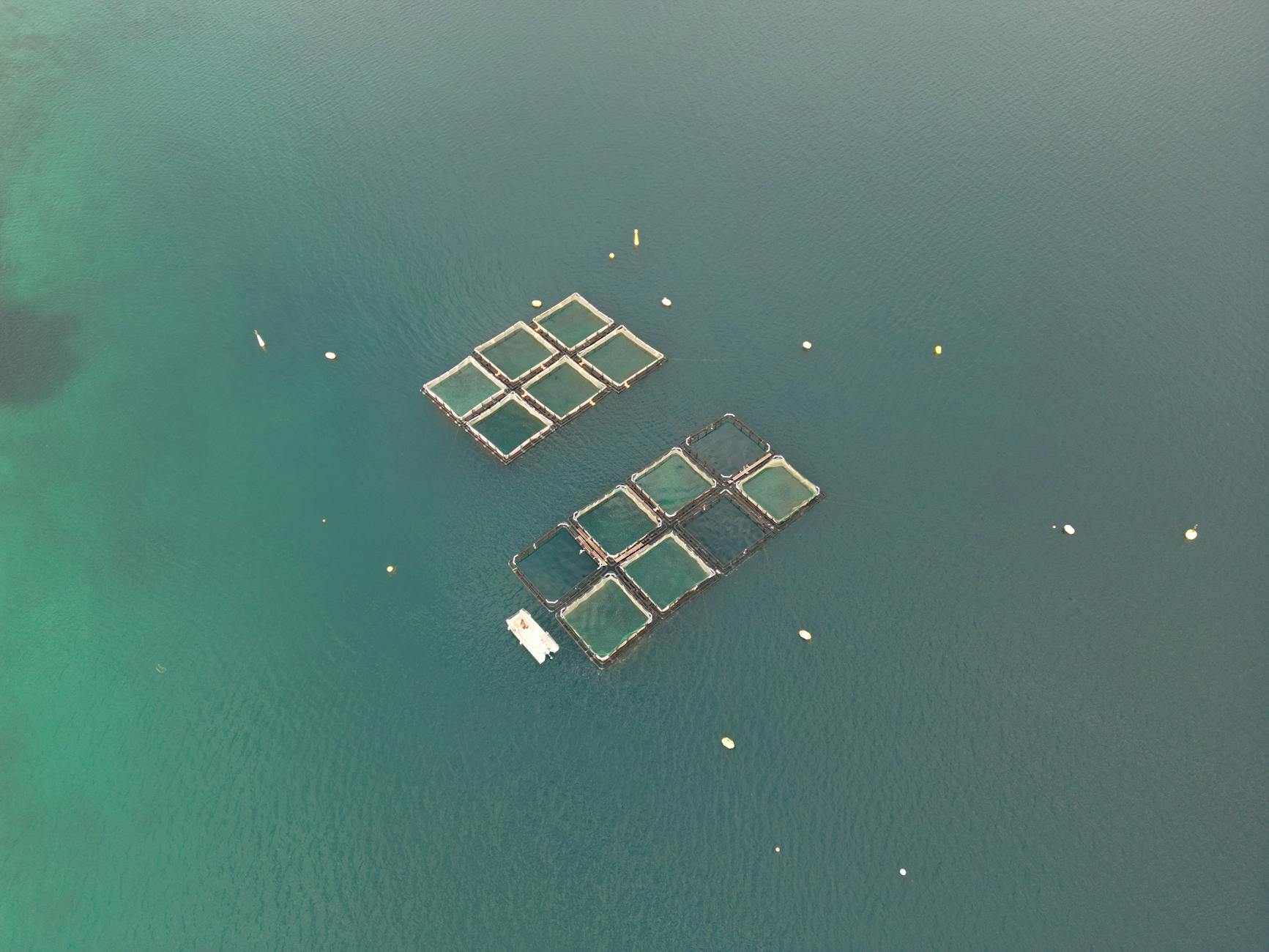
OceanHarvest Aquaculture (OCNH) is positioning itself as a transformative force in the global seafood industry, specifically targeting the high-demand Atlantic salmon market from its land-based facilities in Abu Dhabi. This isn't just another fish farm; it's a strategic play to localize premium seafood production in import-dependent regions, leveraging advanced Recirculating Aquaculture Systems (RAS) technology to deliver a product with a significantly reduced environmental footprint. The company's vision aligns squarely with the surging demand for sustainable protein and the "blue economy" narrative, which seeks to balance economic growth with ocean health.

The global aquaculture market is projected to expand from an estimated $326 billion in 2025 to over $500 billion by 2034, driven by rising seafood demand and population growth. OCNH aims to capture a slice of this burgeoning market by offering a compelling alternative to traditional, often environmentally contentious, open-net salmon farming. Their model emphasizes self-contained production, eliminating many of the ecological risks associated with conventional methods, such as sea lice infestations and nutrient pollution. This approach is not merely a marketing angle; it's fundamental to their operational strategy and investor appeal.

By focusing on land-based aquaculture, OCNH addresses critical sustainability concerns head-on. Their facilities are designed to prevent over 53 tonnes of microplastics annually from entering the environment and divert over 8 tonnes of fish waste from sensitive ecological systems through circular economy principles. Furthermore, the controlled indoor environment ensures zero fish escapes, a major issue for marine biodiversity in traditional farming. These tangible environmental benefits are key differentiators in a market increasingly scrutinized by consumers and regulators alike, offering a premium product that resonates with eco-conscious buyers.

The company's commitment to animal welfare, avoiding pesticides and antibiotics, further enhances its appeal. This holistic approach to sustainability, from environmental impact to product quality, positions OCNH not just as a producer, but as a leader in the next generation of food systems. Their participation in events like COP28 underscores this commitment, signaling a proactive engagement with global sustainability dialogues. For investors, this translates into a business model built for the future, resilient against evolving environmental regulations and consumer preferences.

What Makes OCNH's Technology and Operations Stand Out?

OceanHarvest Aquaculture's operational model is built on proprietary Recirculating Aquaculture Systems (RAS) technology, which is rapidly becoming the gold standard for sustainable, high-density fish farming. These advanced systems are designed to recycle up to 99% of water, drastically reducing freshwater consumption compared to traditional methods. This efficiency is particularly critical in regions like the UAE, where water scarcity is a significant concern, making OCNH's approach not just eco-friendly but also economically viable and resilient.

Beyond water conservation, OCNH's RAS technology offers a host of environmental advantages. The self-contained nature of their farms means there are no discharges of microplastics or untreated waste into marine ecosystems, directly addressing major pollution concerns. This closed-loop system also completely eliminates the risk of fish escapes, preventing potential genetic mixing with wild populations and minimizing disease transmission, a common criticism leveled against open-net aquaculture. These features are not just buzzwords; they represent fundamental shifts in how seafood can be produced responsibly.

The company's production facility in Abu Dhabi is strategically located to serve import-dependent markets, significantly shortening supply chains. Traditionally, fresh Atlantic salmon is air-freighted, incurring substantial carbon emissions. By localizing production, OCNH aims to eliminate middlemen and reduce transport distances, leading to a more efficient and lower-carbon supply chain. This geographical advantage not only enhances sustainability but also promises fresher products for consumers and potentially better margins for the company.

OCNH's commitment to quality extends to its product, with a strict "no pesticides or antibiotics" policy. This focus on clean, healthy fish, raised in pristine, controlled environments, appeals to a growing segment of consumers willing to pay a premium for ethically and sustainably produced food. The company's emphasis on modular, low-discharge production systems also enables faster project delivery and scalability, suggesting a robust framework for future expansion. This blend of technological innovation, environmental responsibility, and market-driven efficiency forms the core of OCNH's competitive edge.

How Does OCNH Align with the ESG Investment Landscape?

The rules of capital allocation have fundamentally changed, with Environmental, Social, and Governance (ESG) criteria moving from a niche concern to a mainstream investment driver. Global ESG assets are projected to exceed $50 trillion by 2025, and OceanHarvest Aquaculture is strategically positioned to attract a significant portion of this "conscious capital." Investors now view strong ESG performance as a proxy for well-managed, forward-thinking, and lower-risk businesses, and OCNH's model inherently embodies these principles.

OCNH's environmental credentials are particularly strong. By employing land-based RAS technology, the company achieves a low carbon footprint, minimal water usage, and prevents marine pollution from microplastics and fish waste. This directly addresses key environmental concerns for investors, such as climate risk and biodiversity protection. The company's sustainable sourcing of feed, which includes avoiding carbon-intensive ingredients and improving feed efficiency, further bolsters its environmental profile, aligning with frameworks like the FAO Pathways to Lower Emissions.

On the social front, OCNH emphasizes animal welfare by raising fish in pristine, controlled environments free from pesticides and antibiotics. While specific details on labor practices and community engagement are less prominent in the provided context, the inherent benefits of localizing food production can contribute to food security and economic development in the UAE. For ESG investors, demonstrating fair labor practices and community support will be crucial for a holistic social score.

Governance is also a critical component of ESG. OCNH's leadership team, including CEO Jawad Jamil and Founder Robert Kupstas (co-founder of Pure Harvest Smart Farms), brings significant entrepreneurial and financial experience. A transparent, ethical approach to business, coupled with a clear long-term strategy, will be vital for attracting and retaining ESG-aligned capital. Companies with strong ESG profiles typically benefit from a lower cost of capital, premium valuations, and reduced regulatory risk, making OCNH's inherent sustainability a strategic advantage in the funding race.

What are the Funding Challenges and Opportunities for OCNH?

OceanHarvest Aquaculture is currently in the crucial phase of securing significant funding, reportedly aiming to raise $200 million to finance its ambitious Atlantic salmon production plans in the UAE. This capital raise comes at a challenging time for the broader aquaculture sector, as ESG funding, once a strong tailwind, has become more selective following high-profile failures and a global pullback in sustainable investing. The industry is facing a "harsher, more selective reality," as noted by IntraFish, demanding robust business models and clear pathways to profitability alongside sustainability claims.

Despite this tougher environment, OCNH possesses several attributes that could make it an attractive proposition for impact funds, ESG-focused asset managers, and development banks. Its focus on land-based RAS technology directly addresses many of the environmental criticisms leveled against traditional aquaculture, offering a compelling narrative of genuine sustainability. This strong alignment with UN Sustainable Development Goals (SDGs) 12 (Responsible Consumption and Production) and 14 (Life Below Water) can resonate deeply with investors seeking measurable impact.

The company's strategy to localize Atlantic salmon production in an import-dependent market like the UAE presents a clear commercial opportunity. By reducing reliance on long, carbon-intensive supply chains, OCNH can offer a fresher, higher-quality product while potentially benefiting from reduced logistics costs and increased food security mandates from local governments. This combination of environmental benefit and market efficiency is a powerful draw for investors looking for both impact and financial returns.

However, the scale of the $200 million funding target is substantial for a startup. OCNH will need to clearly articulate its financial projections, demonstrate a strong return on investment (ROI), and provide a detailed roadmap for scaling operations. Engaging the right investors through sustainability investor conferences and exploring innovative financing structures like green bonds or sustainability-linked loans will be crucial. The ability to communicate continuously, publishing sustainability reports and being transparent about challenges, will build investor confidence in this capital-intensive venture.

What are the Risks and Competitive Landscape for OceanHarvest?

While OceanHarvest Aquaculture presents a compelling vision, the path to market dominance is fraught with risks, particularly in the competitive and capital-intensive aquaculture sector. One primary challenge is the significant upfront investment required for advanced RAS facilities. Building and scaling these sophisticated systems demands substantial capital, and any delays or cost overruns could severely impact the company's financial viability, especially given its current funding needs.

The competitive landscape for sustainable seafood is also intensifying. While OCNH focuses on Atlantic salmon in the UAE, other players globally are investing heavily in RAS technology for various species. Companies like Atlantic Sapphire, for instance, have pioneered large-scale land-based salmon farming, demonstrating both the potential and the operational complexities involved. OCNH will need to prove its operational efficiency and cost-effectiveness against these established and emerging competitors to secure market share and achieve profitability.

Market adoption and consumer perception also pose risks. While demand for sustainable seafood is growing, premium pricing for land-farmed salmon might face resistance in some segments. OCNH will need robust marketing and distribution strategies to educate consumers and justify its value proposition. Furthermore, the "newness" of large-scale land-based salmon farming still carries an element of technological risk, as unforeseen operational challenges or disease outbreaks, though mitigated by RAS, could still occur.

Finally, the broader economic environment and investor sentiment for aquaculture remain volatile. As noted earlier, ESG funding has become more discerning. OCNH must not only demonstrate its environmental bona fides but also a clear, compelling path to financial returns. The ability to secure the $200 million in funding will be the first major hurdle, and failure to do so could significantly impede its growth trajectory. Success will hinge on meticulous execution, strong financial management, and continuous innovation in a dynamic market.

OceanHarvest Aquaculture stands at an exciting, yet critical, juncture. Its innovative land-based RAS technology and strong ESG alignment offer a compelling investment thesis for the future of sustainable seafood. Success hinges on securing substantial funding, flawless operational execution, and effectively navigating a competitive market. Investors should watch for concrete progress on its funding rounds and initial production milestones as indicators of its long-term potential.


Want deeper research on any stock? Try Kavout Pro for AI-powered analysis, smart signals, and more. Already a member? Add credits to run more research.

SHARE THIS ON:

Related Articles

Category

You may also like

Stock News1 months ago

Should You Invest $500 in TMC The Metals Company Right Now?

TMC The Metals Company plans to mine polymetallic nodules from the Pacific Ocean, which contain viable quantities of cobalt, nickel, copper, and manganese.
Stock News1 months ago

Are You Looking for a High-Growth Dividend Stock?

The analysis questions whether ACNB (ACNB) qualifies as a high-growth dividend stock, noting that identifying strong dividend payers remains a difficult task for shareholders.
Stock News1 months ago

Fish Farming Industry Report 2025: Market to Reach $479.5 Billion by 2033, Driven by Rising Seafood Demand, Sustainable Aquaculture Practices and RAS Technology Adoption Drive

The Fish Farming Market is projected to reach $479.5 billion by 2033, up from $334.09 billion in 2025. Growth is driven by rising seafood demand and adoption of sustainable aquaculture and RAS technol...
Stock News3 months ago

Will NVO's Wegovy Pill Approval for Obesity be a Game Changer in 2026?

Novo Nordisk's FDA-approved Wegovy pill is the first oral GLP-1 weight loss therapy, expected to revive momentum and reshape competition starting in 2026.

Breaking News

View All →

Top Headlines

View More →
Stock News2 hours ago

Forget Timing the Market: Just Buy These 3 Growth Stocks and Hold Forever

Stock News2 hours ago

Apple Among 15 Companies To Announce Dividend Increases In The Second Half Of April

Stock News6 hours ago

Finally, Tesla Is Said to Be Developing an All-New SUV -- but That's Not the Biggest Surprise

Stock News6 hours ago

Billionaire Bill Ackman Is Planning to Invest $10 Billion in New Stocks This Summer. Here's Why He Thinks It's a Great Time to Buy.

Stock News9 hours ago

Tesla brings its robotaxi service to Dallas and Houston