MarketLens
Is Ørsted (DOGEF) Positioned for Growth in the Global Offshore Wind Market

Key Takeaways
- Ørsted (DOGEF) is a global leader in offshore wind, transforming from a fossil fuel utility to a green energy powerhouse, with over 95% of its generation now from renewables.
- The company is navigating a complex landscape of aggressive policy support, declining project costs, and increasing competition, while executing a $60 billion rights issue and strategic divestments to strengthen its balance sheet.
- Key project milestones in Europe, North America, and Asia-Pacific, alongside a strategic focus on capital discipline and integrated energy solutions, are critical for Ørsted's path to sustained profitability.
Is Ørsted (DOGEF) Positioned for Growth in the Global Offshore Wind Market?
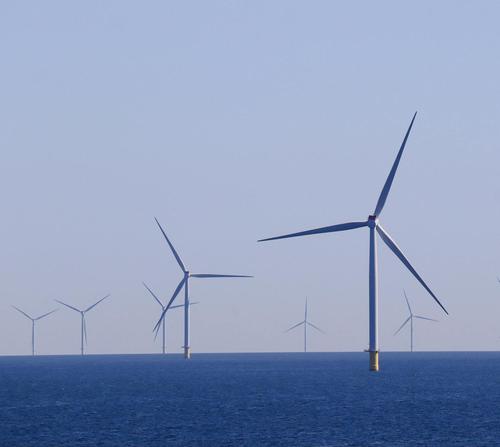
Ørsted (DOGEF) is undeniably a dominant force in the global offshore wind market, having successfully transitioned from a legacy fossil fuel utility to a renewable energy leader. The company now sources over 95% of its generation from renewables, controlling approximately 22% of global offshore capacity outside of China. This strategic pivot, initiated decades ago with the world's first offshore wind farm, Vindeby, in 1991, has positioned Ørsted to capitalize on the accelerating global push for decarbonization and energy independence.
The company's operational excellence is evident in its portfolio of 30 offshore wind farms worldwide, backed by over three decades of experience. As of mid-2025, Ørsted boasted an installed base of 10.2 GW, with an additional 8.1 GW under construction and slated for completion by 2027. This robust pipeline, coupled with its integrated engineering, procurement, and construction (EPC) capabilities, allows Ørsted to manage projects from concept to completion, ensuring efficiency and long-term performance. The market is clearly recognizing this leadership, with DOGEF shares trading at $27.67, up 9.60% today, reflecting renewed investor confidence.
However, the path forward is not without its complexities. Ørsted's strategic reset to 35-38 GW by 2030 emphasizes capital discipline, a direct response to high interest rates and intensifying competition. The company's revenue mix, still tilting heavily towards offshore wind project sales and contracted revenues (about 75%), faces evolving market dynamics as it shifts from subsidy-backed Feed-in-Tariffs (FiTs) towards merchant and Contract for Difference (CfD) models. This transition introduces greater revenue volatility and discount-rate sensitivity for projects, demanding sophisticated risk management and market access strategies.
The company's recent financial maneuvers highlight this strategic recalibration. Ørsted strengthened its balance sheet with a substantial DKK 60 billion rights issue and completed its 2025-26 divestment program ahead of schedule, raising approximately DKK 46 billion by selling stakes in projects like Hornsea 3 and Greater Changhua 2. These actions underscore a commitment to financial optimization and a sharper capital allocation focus on core offshore projects in Europe and select APAC markets, even as it navigates regulatory and legal complexities, particularly in the US.
What Policy Support and Cost Trends are Driving Offshore Wind Development?
Aggressive policy support and declining costs are indeed powerful tailwinds for the offshore wind sector, creating a fertile ground for companies like Ørsted. Governments worldwide are increasingly incentivizing renewable energy production, driven by climate goals, energy security concerns, and the industrialization of green hydrogen. This manifests in various forms, from direct subsidies and tax credits to ambitious national offshore wind targets, such as New York's plan to build a carbon-free grid by 2040 and reach 9 GW of offshore wind capacity by 2035.
The cost trajectory for offshore wind has been a game-changer. Innovations in turbine technology, installation methods, and supply chain efficiencies have significantly reduced the Levelized Cost of Energy (LCOE) over the past decade. Ørsted, with its pioneering spirit and in-house EPC capabilities, has been at the forefront of these advancements, developing new technologies like low-noise Osonic monopile installation and high-efficiency transmission systems. These innovations not only reduce costs but also mitigate environmental impacts, enhancing project viability and public acceptance.
However, the shift from legacy FiTs to merchant and CfD models introduces a new layer of financial risk. While CfDs offer some price stability, they still expose developers to market fluctuations and require more sophisticated hedging strategies. The increasing demand for corporate Power Purchase Agreements (PPAs), especially from hyperscalers seeking renewable power for AI data centers, presents a significant opportunity for Ørsted to secure long-term, stable revenue streams. For instance, the Greater Changhua 2b and 4 projects in Taiwan secured a 20-year corporate PPA, demonstrating the potential for robust, non-subsidy-backed contracts.
Despite the positive cost trends, protectionism and trade barriers on turbine components are increasing procurement costs and lead times, posing a challenge to maintaining unit-cost advantages. Grid constraints and curtailment risk also necessitate integrated solutions like energy storage or Power-to-X (P2X) technologies, adding complexity and cost to projects. Ørsted's strategy to scale integrated solutions, including energy storage and green hydrogen, is a proactive response to these challenges, aiming to capture higher-margin adjacent markets and meet evolving demand.
What are Ørsted's Key Project Milestones and Pipeline for Future Growth?
Ørsted's project pipeline is a testament to its global ambition and strategic focus, with significant milestones across Europe, North America, and Asia-Pacific. The company has approximately 20 GW in development, with 8.1 GW currently under construction and expected to be completed by 2027. This robust pipeline is crucial for achieving its 35-38 GW installed capacity target by 2030, solidifying its leadership in the offshore wind sector.
In Europe, the 2.9 GW Hornsea 3 project in the UK is set to become one of the world's largest offshore wind farms, powering over three million UK homes. Construction began in 2023, with completion targeted for the end of 2027. Ørsted will manage the project from its Grimsby operations hub and will also run an associated 300 MW battery storage facility. The company recently divested a 50% stake to Apollo Global Management in November 2025, demonstrating its capital recycling strategy while retaining EPC and long-term O&M responsibilities. Germany's 913 MW Borkum Riffgrund 3, with its final turbine installed in January 2025, is expected to be fully commissioned in H2 2027, sharing infrastructure with the nearby Gode Wind 3.
Across the Atlantic, the US market is a key growth area, despite recent political headwinds. The 704 MW Revolution Wind project, a partnership with Skyborn Renewables, is approximately 80% complete as of mid-2025, with 45 of 65 turbines installed. It is expected to enter service in H2 2026, powering over 350,000 homes in Rhode Island and Connecticut. This project faced a temporary stop-work order in August 2025 due to unspecified "national security risks" from the Trump administration, which was later lifted by a court injunction, allowing construction to resume. The 924 MW Sunrise Wind project in New York, which secured its Final Investment Decision (FID) in March 2024 and an offtake agreement with NYSERDA, is also targeting completion in 2027.
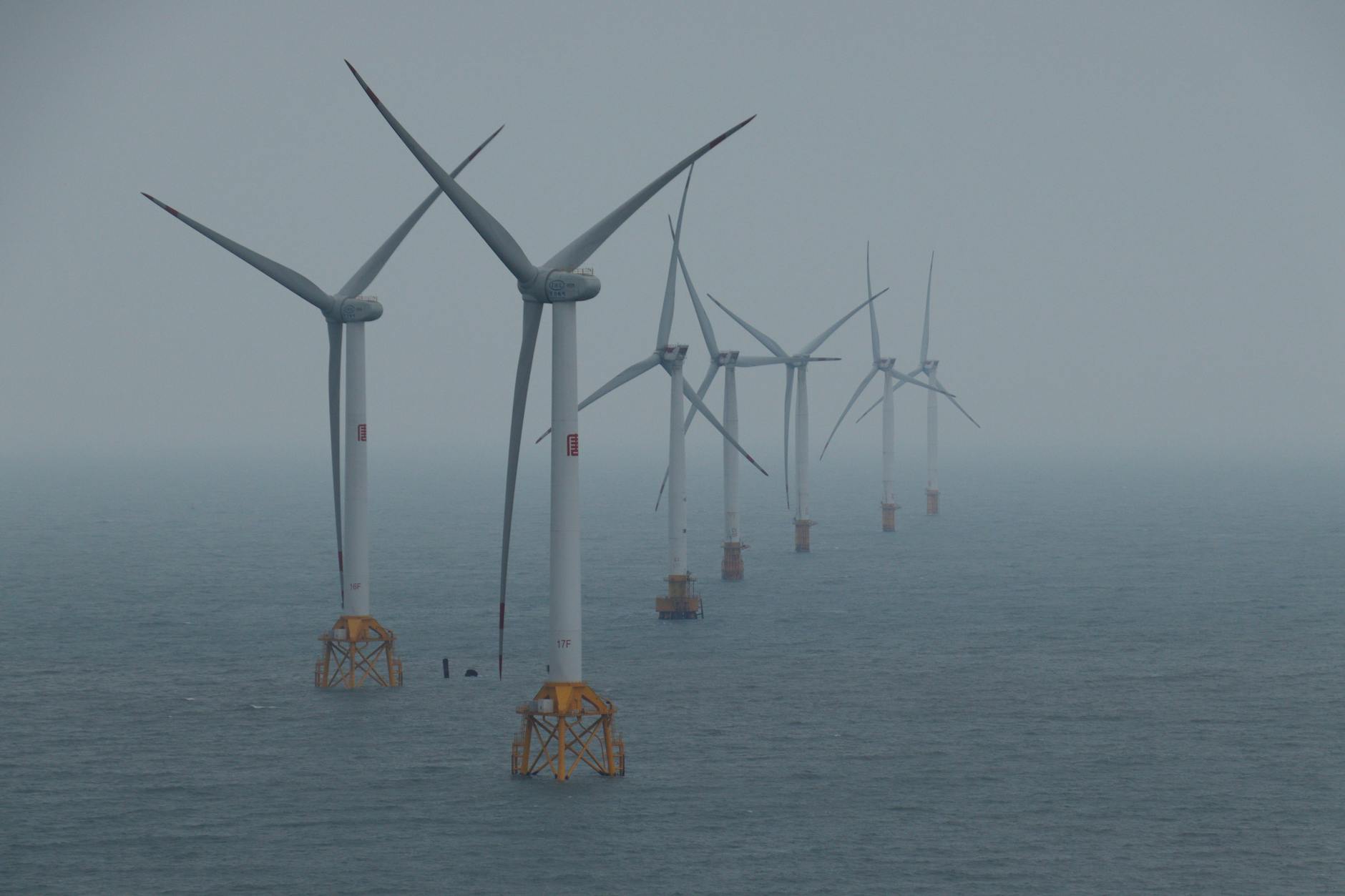
In the Asia-Pacific region, Taiwan remains a critical market. The Greater Changhua 2b and 4 projects, totaling 920 MW, are well underway, with offshore installation progressing and the first units generating power in mid-2025. These projects, featuring 66 Siemens Gamesa 14 MW turbines, are scheduled for full commissioning by the end of 2026. This regional expansion, alongside projects like Baltica 2 (1498 MW) and Baltica 3 (1045 MW) in Poland, underscores Ørsted's diversified geographical strategy to mitigate market-specific risks and leverage global demand for green energy.
How is Ørsted Managing Competition and Market Dynamics?
Ørsted operates in a highly dynamic and competitive global energy sector, where its market position is constantly being shaped by rivals and evolving industry trends. The company faces direct competition from other major utility companies and dedicated renewable energy developers, including established players like Iberdrola, NextEra Energy, and Brookfield Renewable Partners. These competitors vie for project opportunities and market share, often engaging in aggressive bidding during auction processes, which can lead to increased cost pressures across the value chain.
Beyond direct developers, the competitive landscape includes major wind turbine manufacturers such as Vestas Wind Systems and Siemens Gamesa, who drive technological advancements and influence the supply chain. Emerging Chinese state-owned enterprises like State Power Investment Corporation (SPIC), with its 94 GW of renewable capacity, are also rapidly expanding their global presence, intensifying competition. Furthermore, deep-pocketed oil and gas majors, including Equinor and TotalEnergies, are increasingly entering the offshore wind and green hydrogen markets, leveraging their extensive project management expertise and financial resources to undercut bids and push innovation, particularly in floating offshore wind technology.
Ørsted's strategic response to this intense competition focuses on scale, technology leadership (both fixed-bottom and floating wind), and financial optimization. The company's ambition to reach 35-38 GW of installed capacity by 2030 is a clear signal of its commitment to maintaining its leadership through sheer scale. Its integrated EPC capabilities provide a competitive edge by reducing complexity and ensuring quality from development to operation. Moreover, Ørsted's emphasis on capital discipline, as evidenced by its DKK 60 billion rights issue and strategic divestments, allows it to allocate resources more efficiently to high-potential projects and markets.
The market dynamics are also shifting towards integrated energy solutions. The rising demand for corporate PPAs, especially from hyperscalers, creates opportunities for Ørsted to secure long-term contracts and diversify its revenue streams beyond traditional utility off-takers. The company is actively investing in innovation around energy storage, Power-to-X, and green hydrogen to capture higher-margin adjacent markets. This forward-looking strategy not only enhances its competitive positioning but also addresses future challenges such as grid constraints and the increasing need for flexible energy solutions.
What Are the Financial Implications and Risks for Investors?
Ørsted's financial performance and outlook present a mixed picture for investors, reflecting both its strong market position and the inherent risks of a capital-intensive industry. The company reported DKK 25.1 billion in EBITDA for 2025 (excluding new partnership agreements and cancellation fees), landing within guidance, and a net profit of DKK 3.2 billion. This indicates a year of financial restructuring and strategic refocusing on offshore wind, with management guiding for EBITDA above DKK 28 billion in 2026 and gross investments of DKK 50-55 billion.
However, the company's TTM financials reveal some areas of concern. A P/E ratio of 117.40 suggests a high valuation relative to current earnings, while a negative P/FCF of -2.25 and an FCF Yield of -44.4% highlight significant cash burn, typical for a company in a heavy investment phase. The Net Debt/EBITDA of 5.03 indicates a leveraged balance sheet, though the recent DKK 60 billion rights issue and divestments are aimed at strengthening its capital structure. The dividend payout was paused for 2023-2025, with reinstatement targeted from 2026, which could impact income-focused investors.
One of the primary risks for investors is the political and regulatory environment, particularly in key markets like the US. The Trump administration's "stop-work order" on Revolution Wind in August 2025 and subsequent legal challenges underscore the vulnerability of large-scale projects to political shifts. While Ørsted successfully navigated this specific challenge, future policy uncertainty, including potential trade barriers and protectionist measures, could impact project timelines and costs. The company's decision to cease development of the Ocean Wind 1 and 2 projects in New Jersey further illustrates the significant project risks and the need for rigorous capital allocation.
Another critical risk is the increasing merchant exposure as markets move away from fixed FiTs. This shift introduces revenue uncertainty and higher discount-rate sensitivity for projects, potentially eroding margins if power prices fluctuate unfavorably. While corporate PPAs offer some mitigation, securing them at attractive terms in a competitive environment is challenging. The company's plan to cut approximately 2,000 jobs by 2027 to improve competitiveness and reduce costs, while necessary, also signals the intense pressure on operational efficiency. Investors should closely monitor Ørsted's execution of its project pipeline, its ability to secure favorable PPAs, and its progress in integrating new technologies like green hydrogen to diversify revenue and manage risk.
What Does This Mean for Investors?
For investors, Ørsted (DOGEF) represents a high-growth, high-risk play in the essential green energy transition, offering exposure to the dominant player in offshore wind. The company's strategic transformation and robust project pipeline in key global markets position it well for long-term growth, supported by strong policy tailwinds and declining technology costs. However, its current valuation metrics and significant capital expenditure requirements demand careful consideration.
The recent share price surge to $27.67 reflects renewed optimism, but the stock's 52-week range of $16.34 to $51.15 highlights its volatility. Investors should focus on Ørsted's ability to execute its ambitious project pipeline on time and within budget, secure long-term PPAs, and effectively manage the transition to more merchant-exposed revenue models. The company's strategic investments in green hydrogen and energy storage could unlock new value streams, but these are still nascent markets with their own set of risks.
Ørsted's strong balance sheet after its rights issue and divestments provides a foundation for future growth, but its high debt levels and negative free cash flow require continued vigilance. The reinstatement of dividends from 2026 could signal a return to more stable financial footing. Ultimately, Ørsted is a compelling investment for those with a long-term horizon and a high tolerance for risk, betting on the continued global shift towards renewable energy and the company's proven leadership in offshore wind.
Ørsted is navigating a complex but promising future. Its ability to deliver on its ambitious targets, manage political and market risks, and innovate in integrated energy solutions will be key determinants of its long-term success and shareholder value.
Want deeper research on any stock? Try Kavout Pro for AI-powered analysis, smart signals, and more. Already a member? Add credits to run more research.
Related Articles
Category
You may also like


Here's Why Transocean (RIG) is a Strong Growth Stock

IXC: I'm Not Giving Up On My Energy Shares

Should You Buy OEC Stock at 19.84x P/E Amid a FY26 Earnings Reset?
Breaking News
View All →Featured Articles
Top Headlines

Apple shares pop 4% as shoppers race to buy updated iPhones, MacBooks

Nvidia stock is in the red back below the $200: can it rebound?

Tim Cook says the Mac Mini is getting snapped up for AI work 'faster than we predicted' — and supply is backed up

Pentagon inks deals with Nvidia, Microsoft and AWS to deploy AI on classified networks