MarketLens
Is Samsung Electronics on the Brink of a Production Crisis

Key Takeaways
- Samsung Electronics faces an unprecedented 18-day general strike threat from May 21 to June 7, demanding significant performance bonus reforms and risking up to ₩30 trillion in losses.
- The dispute threatens to disrupt the global semiconductor supply chain, particularly for critical High Bandwidth Memory (HBM) and advanced foundry processes, potentially impacting key partners like NVIDIA and AMD.
- Despite the labor unrest, Samsung's stock has surged, currently trading at ₩228,000, reflecting strong Q1 2026 earnings and analyst optimism for future AI-driven growth, but the strike introduces significant near-term volatility.
Is Samsung Electronics on the Brink of a Production Crisis?
Samsung Electronics (005930.KS), a titan of the global technology landscape, finds itself at a critical juncture. The company is grappling with escalating labor disputes that threaten to disrupt its highly sensitive semiconductor operations, a move that could send ripples across the entire global tech supply chain. The National Samsung Electronics Union, now representing a majority of Samsung's workforce with approximately 74,000 members, has announced plans for an 18-day general strike from May 21 to June 7, 2026. This comes after a large-scale rally at the crucial Pyeongtaek Campus on April 23, signaling a significant escalation in the standoff.
The union's demands center on a fundamental overhaul of the performance bonus system, including the abolition of bonus caps and a call for 15% of the company's annual operating profit to be distributed as employee bonuses. This could translate into a staggering ₩40 trillion to ₩45 trillion (approximately $28 billion to $31.5 billion) in payouts, far exceeding the company's annual R&D investment or shareholder dividends. Such a substantial distribution, the union argues, is necessary to ensure fair compensation, especially given Samsung's projected operating profit of around ₩300 trillion (approximately $202.4 billion) for this year.
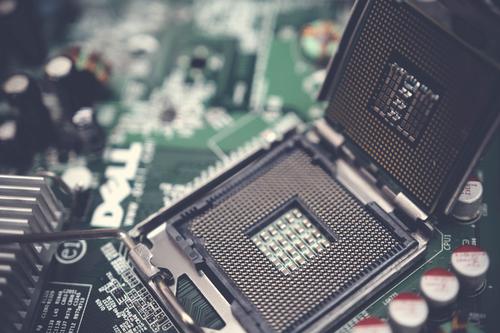
The stakes are incredibly high. Samsung is not just another tech company; it's the world's largest memory chip manufacturer, holding approximately 40% of the global DRAM market and about 30% of the NAND flash market. Its Pyeongtaek facilities are central to the production of advanced memory, including High Bandwidth Memory (HBM) crucial for AI data centers. Any significant disruption here could exacerbate an already tight memory market, impacting everything from smartphones to AI servers. Investors are closely watching how this internal struggle unfolds, as it could profoundly influence Samsung's operational stability and its competitive standing in the rapidly evolving AI era.
What Are the Union's Demands and the Potential Financial Fallout?
The core of the dispute lies in the union's demand for a radical restructuring of Samsung's performance bonus system. Following a record-breaking Q1 2026 operating profit of ₩57.2 trillion (approximately $40 billion), a staggering 755% year-on-year increase, the union is pushing for 15% of the company's annual operating profit to be allocated for employee bonuses. This proposal, if implemented, could lead to an average pre-tax bonus of approximately ₩6.2 billion (approximately $4.34 million) per employee in the highly profitable memory division. Management's counter-proposal, which included a 6.2% base wage increase and a choice between "20% of Economic Value Added" or "10% of operating profit" for bonuses, was rejected by the union, which insists on removing bonus caps entirely.
The financial implications of a strike are severe. Union Chairman Choi Seung-ho has warned that an 18-day walkout could result in losses ranging from a minimum of ₩20 trillion to a maximum of ₩30 trillion (approximately $13.6 billion to $20.4 billion). This estimate factors in not just lost production but also the significant costs associated with equipment recovery and potential market share erosion. While some analysts offer a more conservative estimate of ₩5 trillion to ₩9 trillion (approximately $3.3 billion to $6 billion) in direct operating losses, even the lower end represents a substantial hit to the company's bottom line.
Beyond direct losses, the union highlights a "brain drain" to competitors like SK Hynix, with over 200 employees reportedly transferring in just four months. This exodus underscores the compensation gap concerns and the competitive pressure Samsung faces in retaining top talent. The union argues that fair compensation is essential for securing talent and increasing corporate value, directly challenging the notion that their demands would hinder shareholder dividends or future investments. This internal conflict over profit distribution is now a pivotal strategic decision for Samsung, impacting its ability to fund massive M&A, capital expenditures, and next-generation R&D in the fiercely competitive AI landscape.
How Could a Strike Impact Samsung's Production and the Global Supply Chain?
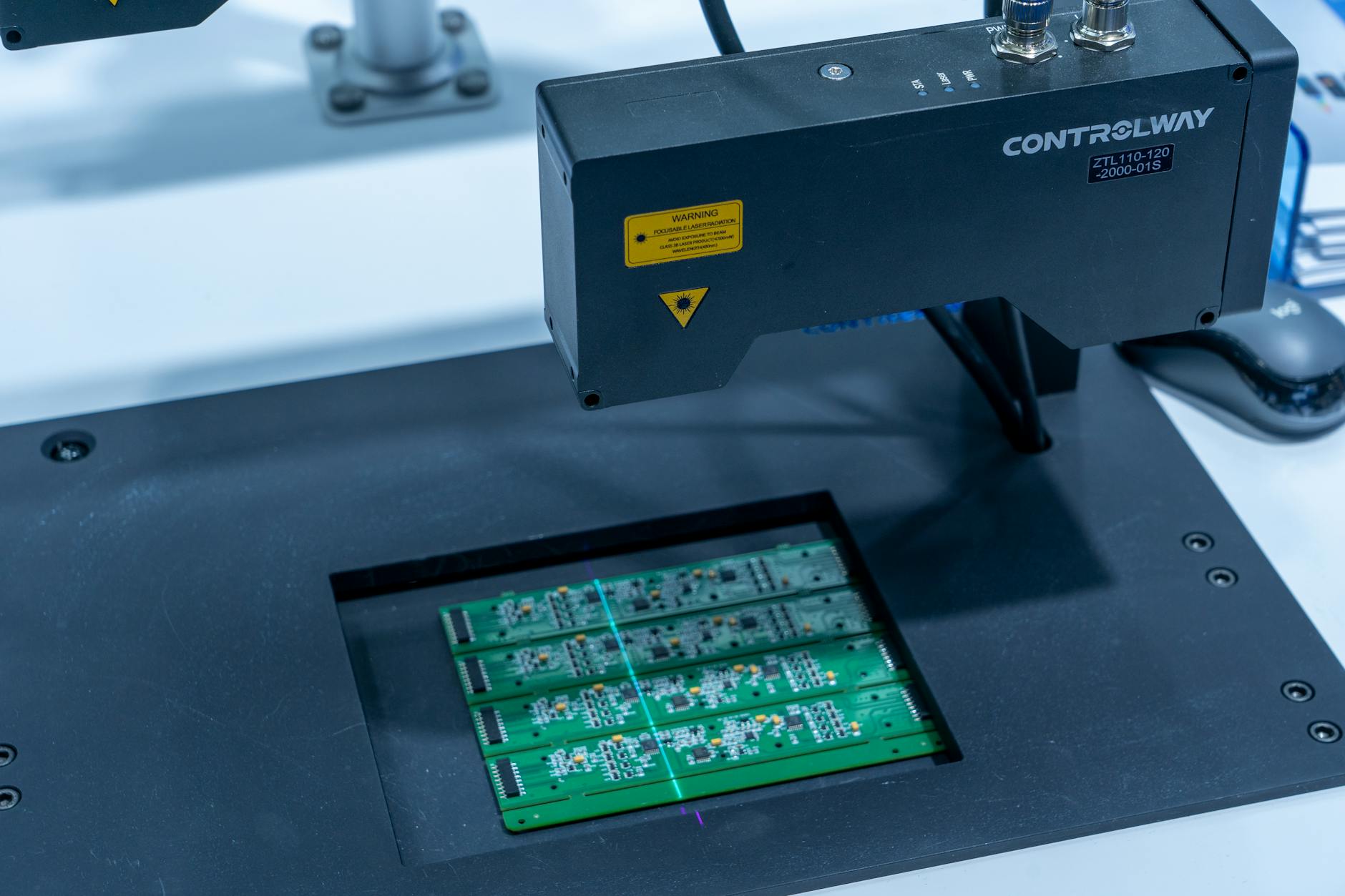
The planned strike at Samsung Electronics poses a unique and severe threat to global semiconductor production. Unlike many industries, chip manufacturing is a continuous, 24/7 operation. Even a brief shutdown, particularly in advanced fabrication facilities like those at Pyeongtaek, can have cascading effects. Production lines require constant monitoring and maintenance by precision engineering personnel. If these critical staff members participate in the strike, the subsequent recalibration and yield recovery after restarting could take months, leading to significant delays and wafer scrap. Samsung has already filed for a court injunction to prevent the union from occupying key semiconductor facilities, highlighting the company's deep concern over potential operational halts.
The timing of this potential disruption is particularly sensitive. Samsung is currently in a critical phase of ramping up its advanced memory and foundry technologies. The company recently cleared final qualification hurdles for its HBM4 modules with NVIDIA and AMD, a crucial step in regaining leadership in the high-demand AI chip market. Furthermore, Samsung's 2nm process yield is reportedly around 55%, inching towards the 60% minimum required for mass production. A strike could severely impede these advancements, jeopardizing key collaborations and potentially causing customers to reassess supply chain security.
The ripple effects would extend far beyond Samsung. As a dominant player in DRAM and NAND, any significant production cut would tighten an already constrained global memory market, potentially driving up prices for consumer electronics and enterprise hardware. Customers reliant on Samsung for customized products, especially HBM, could face breach-of-contract penalties and be forced to shift orders to competitors like SK Hynix and Micron. Samsung is also reportedly ramping up GDDR6 supply for Tesla while halting LPDDR4 production and channeling 1c DRAM capacity into HBM4. A strike could throw these strategic production adjustments into disarray, creating bottlenecks across various tech sectors and potentially boosting the performance growth of Samsung's rivals.
What Do Analysts Say: Bull Case vs. Bear Case?
Analyst sentiment on Samsung's outlook is currently a mixed bag, reflecting both the company's strong fundamentals and the looming strike uncertainty. The bull case largely hinges on Samsung's robust Q1 2026 performance and its strategic positioning in the burgeoning AI memory market. Analysts have increased price targets, with Simply Wall St noting a 15% increase to ₩268,657 as of April 15. The consensus price target from 37 analysts stands at ₩288,711.32, suggesting significant upside from the current ₩228,000. Earnings and revenue are forecast to grow by 40.6% and 18.1% per annum, respectively, with EPS expected to grow by 40.6% annually. This optimism is fueled by the "Great Recovery" narrative, especially Samsung's HBM4 breakthroughs and its role in the AI memory boom.
Many industry observers believe a negotiated settlement to the labor dispute is the most likely outcome. They argue that Samsung's strong Q1 profits provide ample room for compromise, and the immense stakes for both the company and the national economy will drive both sides to a resolution without affecting production. Some analysts point out that semiconductor memory production is highly automated, with fewer personnel directly involved in the core fabrication process, suggesting a limited impact on output. The company's stock has already surged by +4.83% today, trading at ₩228,000, and has seen an 81.40% increase year-to-date, indicating that the market is largely pricing in continued growth and a resolution to the labor issues.
However, the bear case presents a stark warning. The potential 18-day strike, if fully realized, could be Samsung's "worst own goal," as some foreign media have warned. The Pyeongtaek campus, a core hub for advanced semiconductor production, could see up to half its output affected, creating a critical bottleneck in the global supply chain. This disruption could cause Samsung to miss its "golden time" to regain HBM market leadership from SK Hynix. The Wall Street Journal has raised concerns that global big-tech firms like NVIDIA and Apple might actively seek alternative suppliers, threatening Samsung's long-term market position and potentially boosting competitors like TSMC, whose output value is projected to see a 32% increase in 2026. The estimated ₩20-30 trillion in losses, coupled with contractual penalties and reputational damage, represents a significant downside risk that could severely pressure margins and free cash flow, despite the strong growth forecasts.
What Does This Mean for Investors?
For investors eyeing Samsung Electronics, the current situation presents a complex risk-reward profile. On one hand, the company is riding the crest of the AI wave, with robust earnings growth forecasts and strategic advancements in HBM4 and 2nm process technology. The stock's impressive year-to-date performance, up 81.40%, and today's +4.83% surge to ₩228,000, underscore strong market confidence in its long-term trajectory. Analysts project a future return on equity of 26.5% in three years, further cementing the bull case for a company that is a cornerstone of the global tech ecosystem.
On the other hand, the looming 18-day general strike introduces significant near-term volatility and operational risk. While many analysts anticipate a negotiated settlement, the union's hardline stance and the potential for a partial shutdown of critical semiconductor facilities cannot be ignored. The estimated losses, ranging from ₩5 trillion to ₩30 trillion, could severely impact quarterly results and potentially delay key product deliveries, pushing customers towards competitors. The market's current optimism might be underestimating the potential for prolonged disruption, especially given the sensitivity of advanced chip manufacturing.
Investors should closely monitor the ongoing labor-management negotiations and any developments regarding the planned strike. While Samsung's long-term fundamentals remain compelling, the short-term risks associated with this dispute are substantial. A successful resolution could provide a clear path for continued growth, but a protracted conflict or actual production halts could trigger a significant re-evaluation of the stock. Diversification and a cautious approach are advisable, as the outcome of this internal struggle will undoubtedly shape Samsung's performance in the coming quarters and its competitive standing in the global AI chip race.
The Road Ahead: Navigating Uncertainty
Samsung Electronics stands at a pivotal moment, balancing the immense opportunities of the AI era with the immediate challenges of labor unrest. The company's ability to navigate this internal conflict will be as critical to its future success as its technological innovations. A swift and equitable resolution could solidify its market position, while a prolonged dispute risks derailing its momentum and ceding ground to rivals.
For investors, the coming weeks will be crucial. Watch for any signs of progress in negotiations or, conversely, any concrete steps towards the planned strike. The outcome will not only impact Samsung's bottom line but also send a powerful signal about labor relations in South Korea's tech giants and the resilience of the global semiconductor supply chain.
Want deeper research on any stock? Try Kavout Pro for AI-powered analysis, smart signals, and more. Already a member? Add credits to run more research.
Related Articles
Is the U.S. on the Brink of a NATO Exit
Is Europe on the Brink of Stagflation
Is QVC Group Inc. on the Brink of Bankruptcy
Category
You may also like


The Memory Supercycle Is Back in Motion — and Samsung and SK Hynix May Be the Stocks With the Most Torque

OpenAI + Qualcomm Tie-Up Signals AI Smartphone Revolution: Should Apple Be Worried?

LG Display: The Market Is Right To Be Nervous (Rating Downgrade)
Breaking News
View All →Featured Articles
Top Headlines

iShares IXUS ETF Outperforms the SPDR NZAC ETF in Yield and 1 Year Return
Data Center Expert Warns Gigawatt-Scale AI Buildouts Could Trigger Rolling Blackouts
3 Quantum Computing Stocks That Have Massive Upside in May