MarketLens
Is Southland Holdings Poised to Capitalize on the Data Center Boom

Key Takeaways
- Southland Holdings (NYSE American: SLND) recently secured $118 million in new projects, with a significant $48 million contract for a Southwest data center, signaling a strategic pivot towards critical digital infrastructure.
- The burgeoning demand for AI and cloud computing is fueling an unprecedented boom in data center construction, creating a robust, long-term tailwind for specialized infrastructure providers.
- Despite a strong market opportunity, Southland faces challenges including a small market cap of $71.4 million, a history of project losses, and a recent $57 million adverse legal judgment, which investors must weigh against growth prospects.
Is Southland Holdings Poised to Capitalize on the Data Center Boom?
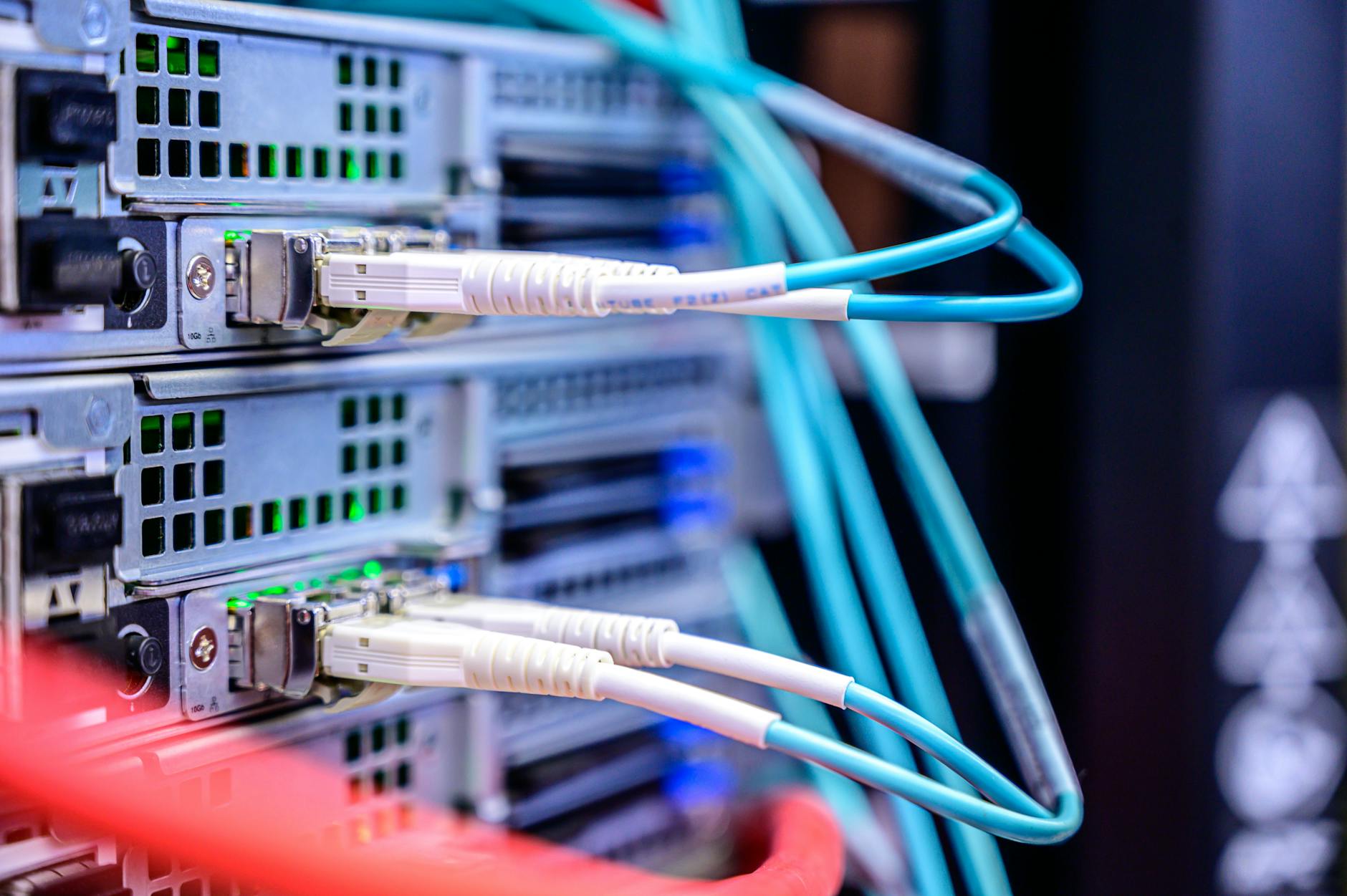
Southland Holdings (NYSE American: SLND) has just announced a substantial $118 million in new project awards, a move that could significantly reshape its trajectory. This isn't just another infrastructure win; a notable $48 million chunk of this backlog is dedicated to a mission-critical data center project in the Southwest, involving chilled water pipelines and essential site developments. This strategic focus on digital infrastructure positions Southland squarely in one of the most explosive growth sectors of the modern economy.
The company, through its Civil segment subsidiary Oscar Renda Contracting, is set to complete this data center project by 2026. This win follows a period where Southland has been navigating operational shifts, including winding down its Materials & Paving division to concentrate on core infrastructure. Such a substantial data center contract underscores management's commitment to leveraging federal infrastructure spending and tapping into high-demand areas. It also highlights the increasing complexity and specialization required for these projects, playing directly into Southland's long-standing expertise in large-scale civil engineering.
Beyond the data center, the $118 million total includes a $40 million expansion of the Capers Ridge Pump Station in Cleveland, Texas, and a $30 million NE Reservoir Pump Station & Transmission Main for the City of Cape Coral, Florida. These water infrastructure projects, expected to be completed by 2027, further diversify Southland's backlog while addressing critical needs like drought resilience and regional water supply reliability. While these are important, the data center component is the real eye-catcher, signaling a potential new growth pillar for the company.
For a company with a current market capitalization of just $71.4 million, adding $118 million to its backlog is a material event. It represents a significant boost to future revenue potential, especially considering the company's reported revenue of $215.4 million in Q2 2025. This influx of new business, particularly in the high-growth data center space, could be a catalyst for Southland, potentially drawing more investor attention to this specialized infrastructure player.
What's Driving the Data Center Infrastructure Gold Rush?
The insatiable demand for artificial intelligence (AI) and cloud computing is the primary engine behind the current data center infrastructure gold rush. These "AI factories," as some call them, are not merely warehouses for servers; they are complex, energy-intensive ecosystems requiring massive investments in specialized construction, power, and cooling infrastructure. Companies like Datagrid in New Zealand, for instance, are building 78,000 sq meter data centers that will consume 280 megawatts of power, making them the second-largest electricity users in the country. This scale of development is being replicated globally.
The U.S. alone already hosts approximately 5,000 data centers, with nearly 3,000 new ones reportedly under construction or planned. McKinsey & Company analysis suggests data center demand capacity could grow around 20% to 25% per year in the U.S. through 2030. This isn't just about housing data; it's about providing the computational muscle for everything from generative AI models to autonomous vehicles and the Internet of Things. Each new AI application, every new cloud service, translates directly into a need for more physical infrastructure.
However, this boom comes with significant challenges and considerations. Data centers are enormous consumers of electricity and water, generating substantial heat that requires sophisticated cooling systems. This puts immense pressure on local grids and water supplies, leading to increased scrutiny from communities and policymakers. For instance, states like Georgia, Virginia, and Texas are reportedly losing hundreds of millions to billions of dollars annually due to tax exemptions for data center sales and use taxes on building materials, equipment, and power. This highlights the complex interplay between economic opportunity and environmental/fiscal responsibility.
Despite these hurdles, the fundamental trend is undeniable: the digital economy requires a robust physical backbone, and that backbone is made of data centers. Companies that can design, build, and maintain these complex facilities, particularly those with expertise in power, cooling, and connectivity, are in a prime position. Southland's $48 million data center project, focused on chilled water pipelines, directly addresses one of the most critical aspects of these energy-hungry facilities, showcasing its relevance in this evolving landscape.
What are the Risks and Opportunities for Southland Holdings?
Southland Holdings operates in a high-stakes environment, balancing significant opportunities with inherent risks. On the opportunity side, the company's recent $118 million project awards, especially the $48 million data center contract, underscore its ability to secure substantial, specialized work. This positions Southland to benefit from the booming digital infrastructure market, a sector with strong secular tailwinds driven by AI and cloud computing. Its long history, dating back to 1900, and its status as one of North America's largest infrastructure construction companies, lend credibility to its capabilities in complex projects.
However, the risks are equally pronounced. Southland's stock, trading at $1.32 as of March 25, 2026, is near the lower end of its 52-week range of $0.65 to $5.34. This reflects underlying financial pressures. A major concern is the $57 million adverse legal judgment issued against its subsidiary, American Bridge Company, in January 2026, related to the Washington State Convention Center. This judgment, which the company plans to appeal, could have significant financial and balance sheet implications, potentially impacting its credit agreement and overall financial health.
Furthermore, Southland has faced challenges with profitability and cash flow. In Q2 2025, it reported a GAAP loss per share of (0.96) a year prior. Revenue of $215.4 million also fell short of analyst expectations and declined 14.4% year-over-year. While management is optimistic about new business opportunities from federal infrastructure spending, ongoing risks related to project timing, cost overruns, and the highly variable nature of earnings in the construction sector remain.
The company's small market cap of $71.4 million also makes it more susceptible to market fluctuations and specific project risks. While the new projects are a positive, the market's current sentiment, with analysts rating SLND as a "Hold" with a median price target of $5.50 (a 323.1% increase from current levels), suggests a cautious optimism. Investors must weigh the potential for significant upside from successful project execution in high-growth areas against the very real financial and operational challenges the company continues to navigate.
How Does Southland Holdings Compare to the Broader Industrials Sector?
Southland Holdings operates within the Industrials sector, specifically the Engineering & Construction industry, which provides a useful lens for comparative analysis. On March 25, 2026, the Industrials sector as a whole saw a slight decline of -0.19%, with an average P/E ratio of 46.8. However, the Construction industry, a more direct peer for Southland, was a top performer, rising +2.54% with a P/E of 61.1. This suggests a strong underlying demand for construction services, particularly in specialized areas.
Southland's recent project wins, especially the data center component, align well with the broader market's appetite for infrastructure development. The company's focus on complex civil engineering, water infrastructure, and now digital backbone projects positions it in segments that are likely to see sustained investment. This specialization differentiates it from more general construction firms and could command higher margins if executed efficiently. The company's beta of 0.46 also suggests it's less volatile than the broader market, which might appeal to certain investors seeking stability within the Industrials sector.
However, Southland's financial performance and valuation metrics present a mixed picture compared to its industry peers. While the Construction industry boasts a P/E of 61.1, Southland's history of losses and negative cash flow means its P/E ratio is not directly comparable or favorable. The company's relatively small market cap of $71.4 million also stands out in a sector that includes much larger, more established players. This size can be both an advantage, allowing for more agile responses to market shifts, and a disadvantage, limiting its ability to absorb large financial shocks.
The positive movement in the Construction industry on the day of Southland's announcement is a favorable backdrop. It indicates that capital is flowing into this space, driven by macro trends like infrastructure spending and the digital transformation. For Southland, the challenge will be to translate its project wins into consistent profitability and improved cash flow, thereby closing the gap between its current valuation and the more robust metrics seen in the broader Construction industry. Success in the data center segment could be a key differentiator in achieving this.
What are the Broader Implications for Infrastructure Investors?
The surge in data center construction, exemplified by Southland Holdings' recent $48 million project, signals a profound shift in infrastructure investment priorities. For years, "infrastructure" conjured images of roads, bridges, and utilities. While these remain critical, the digital backbone is rapidly ascending to paramount importance. Investors looking for long-term growth opportunities should recognize that the "picks and shovels" of the AI and cloud revolution are increasingly found in specialized construction, power generation, and cooling solutions for data centers.
This trend creates a fertile ground for a diverse set of companies. Beyond direct construction firms like Southland, the ecosystem includes electrical equipment manufacturers, HVAC system providers, specialized engineering consultants, and even real estate investment trusts (REITs) focused on data center properties. The demand for reliable, high-capacity power is also a boon for utility companies and renewable energy developers, as data centers increasingly seek green power sources to reduce their climate impact. Consider the Datagrid project in New Zealand, which explicitly leverages the country's hydroelectric stations and low temperatures for "green power" and reduced cooling needs.
However, investors must also be mindful of the emerging complexities. The sheer scale of these projects brings environmental and community concerns to the forefront. Issues like massive electricity and water consumption, potential air pollution from backup generators, and the limited number of permanent jobs created post-construction are becoming significant points of contention. This means that companies involved in data center development must increasingly navigate not just engineering challenges, but also regulatory hurdles, community engagement, and sustainability mandates.
For investors, this translates into a need for due diligence that extends beyond traditional financial metrics. Understanding a company's commitment to sustainable practices, its ability to manage community relations, and its expertise in energy-efficient designs will be crucial. The data center boom is not just a technological phenomenon; it's a societal one, and the companies that can successfully integrate these broader considerations into their business models will likely be the long-term winners in this evolving infrastructure landscape.
Southland Holdings' recent data center win is a clear signal of the massive infrastructure buildout underway to support the digital economy. While the company faces financial headwinds, its strategic pivot into this high-growth sector offers a compelling narrative for investors willing to navigate the risks. The broader market for digital infrastructure remains robust, presenting significant opportunities for specialized construction and engineering firms that can deliver the complex, energy-intensive facilities of tomorrow.
Want deeper research on any stock? Try Kavout Pro for AI-powered analysis, smart signals, and more. Already a member? Add credits to run more research.
Related Articles
Category
You may also like


1 Top Stock to Play the Data Center Boom

Is Comfort Systems Scaling Modular Capacity for the Data Center Boom?

Is It Too Late to Buy Bloom Energy Stock?
Breaking News
View All →Featured Articles
Top Headlines

Prediction: This Will Be Nvidia's Stock Price in One Year

Globalstar stock surges 15% on report Amazon is weighing an acquisition

Amazon in talks to buy $9 billion satellite group Globalstar, FT reports

Why Alphabet Inc. (GOOG) Outpaced the Stock Market Today