MarketLens
Is SpaceX's $1.75 Trillion IPO a Game-Changer for Public Markets

Key Takeaways
- SpaceX is preparing for a confidential IPO filing as early as March 2026, targeting an unprecedented valuation of $1.75 trillion and aiming to raise up to $50 billion.
- The astronomical valuation is primarily driven by Starlink's rapid subscriber growth and profitability, alongside the long-term potential of Starship and new ventures like Direct-to-Cell and space-based AI data centers.
- Investors should brace for significant volatility post-IPO, as the company's trajectory hinges on aggressive execution milestones and Elon Musk's ambitious, often unpredictable, vision.
Is SpaceX's $1.75 Trillion IPO a Game-Changer for Public Markets?
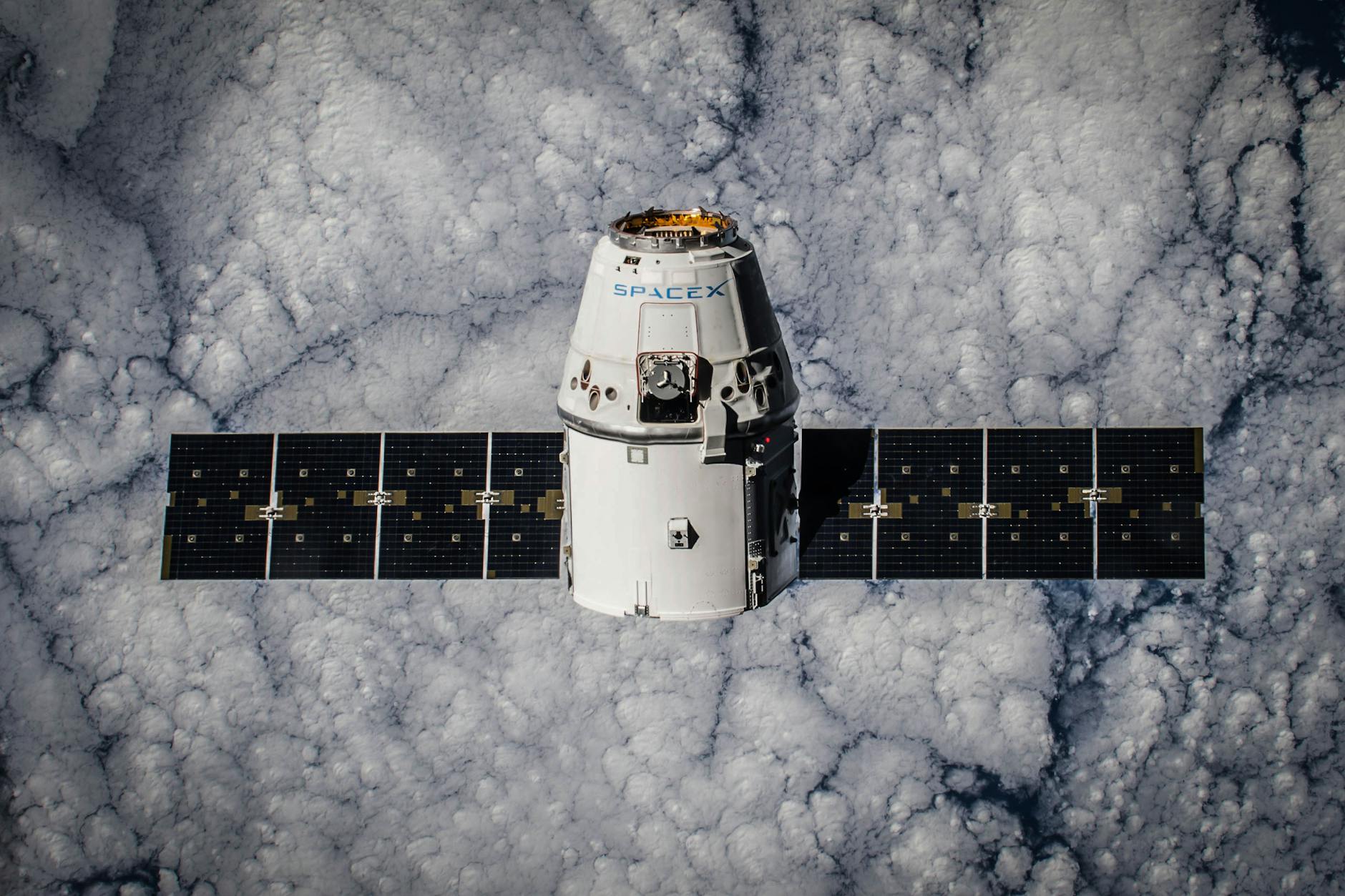
SpaceX, the private aerospace behemoth founded by Elon Musk, is poised to make history with a potential initial public offering (IPO) as early as June 2026, following a confidential filing with the U.S. Securities and Exchange Commission (SEC) this March. This isn't just another tech IPO; we're talking about a company targeting an eye-watering valuation of over $1.75 trillion, aiming to raise as much as $50 billion in primary capital. Such a debut would not only shatter Saudi Aramco's $29 billion record from 2019 but would immediately position SpaceX among the world's most valuable companies, rivaling tech giants like Apple, Microsoft, and Nvidia.
The sheer scale of this proposed listing is already sending ripples through the financial world, forcing other companies eyeing public debuts to reconsider their timelines. Private equity firms and smaller IPO candidates are concerned that SpaceX, along with other potential mega-IPOs like OpenAI and Anthropic, could monopolize investor attention and capital. This "sucking sound" effect could leave less room for mid-cap offerings, creating a challenging environment for firms not named Musk. However, some analysts suggest that successful blockbuster IPOs could also inject positive sentiment into the broader market, enticing more investors back into the public arena.
SpaceX's journey to this valuation has been nothing short of extraordinary, marked by a series of aggressive private funding rounds and strategic maneuvers. From a $210 billion valuation in July 2024, the company surged to $800 billion by December 2025, nearly quadrupling in just 18 months. The recent merger with Musk's AI startup, xAI, further propelled the combined entity to $1.25 trillion in February 2026, setting the stage for the current $1.75 trillion target. This rapid appreciation reflects a unique blend of operational dominance, ambitious future projects, and, undeniably, the "Musk premium" that often accompanies his ventures.
This IPO isn't merely about raising capital; it's about funding an "insane flight rate" for Starship, building AI data centers in space, and even establishing a moon base. These aspirational goals, while exciting, introduce a level of complexity and long-term vision that public market investors will need to digest. The confidential filing process allows SpaceX to iron out financial disclosures privately, a crucial step given the company's historically secretive nature. However, once public, the scrutiny will intensify, demanding transparency and consistent execution to justify its unprecedented valuation.
What's Driving SpaceX's Astronomical Valuation?
The primary engine behind SpaceX's staggering $1.75 trillion valuation isn't just its reusable rockets, but rather the explosive growth and profitability of its Starlink satellite internet service. Starlink has rapidly transformed SpaceX from a capital-intensive launch provider into a diversified space and telecommunications conglomerate. By the end of 2025, Starlink had amassed 9.2 million active subscribers, effectively doubling its user base in just 15 months, with over half of its customers now residing outside the United States.
This subscriber growth translates directly to a robust revenue stream. Starlink generated over $10 billion in revenue in 2025, with analysts projecting this figure could climb to between $15.9 billion and $24 billion in 2026. Crucially, Starlink achieved its first-ever profitability in 2024, reporting a $72.7 million net profit, a significant turnaround from a $30.7 million loss in 2023. Its high-margin, subscription-based business model is a key factor underpinning the company's financial strength and future growth projections.
Beyond consumer broadband, Starlink is aggressively expanding its capabilities and market reach. The September 2025 acquisition of $17 billion in EchoStar's wireless licenses was a pivotal move, positioning Starlink to launch its next-generation Direct-to-Cell satellites. This service, promising 100 times the capacity of first-generation Starlink, aims to compete directly with terrestrial mobile carriers, opening up a massive new revenue stream. PitchBook forecasts that Starlink's subscriber base could grow to 1.2 billion by 2040, driving overall SpaceX revenues to $150 billion and EBITDA to $95 billion.
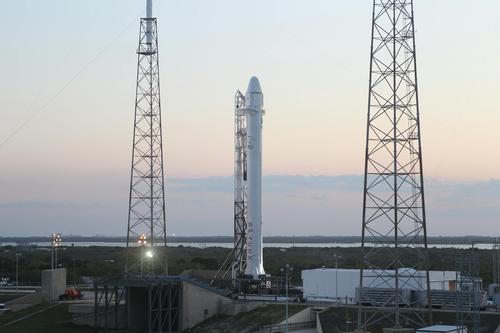
While Starlink dominates the near-term financial narrative, the long-term vision for Starship remains critical to the valuation. Starship, SpaceX's fully reusable heavy-lift rocket, is central to reducing the cost of deploying satellite capacity by roughly 70% at commercial scale. A successful orbital test flight, anticipated this month, is a crucial milestone that would provide technical validation and attract institutional investors. The ability of Starship to achieve a launch cadence of more than once per day, as projected by PitchBook, is essential for realizing ambitious projects like data centers in space and a self-sustaining lunar city, Moonbase Alpha.
How Has Elon Musk Engineered This Valuation?
Elon Musk's unique brand of showmanship and strategic financial maneuvering has been instrumental in engineering SpaceX's meteoric valuation climb. He has actively engaged in a vocal campaign, publicly highlighting the $1.5 trillion valuation target even when it seemed unrealistic, effectively normalizing the figure in the public's imagination. This psychological priming, combined with a series of non-arm's-length transactions and carefully managed share sales, has laid the groundwork for the current $1.75 trillion IPO target.
The company's valuation history reveals a deliberate, rapid ascent. In July 2024, SpaceX was valued at $210 billion. By December 2024, a tender offer for $1.25 billion in stock (with SpaceX buying $500 million) pushed the valuation to $350 billion. Another tender offer in July 2025, involving $1 billion in stock, saw the valuation rise to $400 billion. The most significant jump occurred in December 2025, with a tender offer where the company and other investors bought $2.56 billion in stock from insiders, valuing SpaceX at approximately $800 billion.
A critical recent development was the February 2026 merger with xAI, Musk's artificial intelligence startup, which itself acquired X.com (formerly Twitter) in March 2024. This all-stock deal valued the enlarged entity at $1.25 trillion, providing a substantial boost and broadening SpaceX's narrative as an "AI plus space infrastructure platform." This strategic acquisition, while adding business integration complexity, served to further justify a higher valuation ahead of the IPO, bridging the gap to the current $1.75 trillion target.
Unlike traditional private funding rounds where companies raise capital, many of SpaceX's recent valuation events have involved tender offers allowing insiders to cash out. This process, where the company and external investors buy shares from employees, has served to re-rate the company's value without necessarily injecting new primary capital for operations. Musk's ability to keep investors focused on "the next big thing," a tactic honed at Tesla, has been crucial in maintaining enthusiasm and demand for these limited share offerings, even at soaring multiples like 60 times 2026 projected sales of $22-$24 billion.
What's the Bull Case for SpaceX Investors?
The bull case for SpaceX hinges on its unparalleled market dominance, a diversified and rapidly growing revenue base, and a long-term vision that could redefine multiple industries. The company holds an astounding 95% market share of the domestic launch market and commands 97% of U.S. Space Force's Proliferated Low Earth Orbit program task orders. This operational supremacy, demonstrated by 170 launches in 2025 (more than all other providers combined), establishes a formidable competitive moat that is difficult for rivals to breach.
Starlink, the company's satellite internet service, is the immediate revenue driver and a key component of the bull thesis. With 9.2 million subscribers by the end of 2025 and projected revenues of $15.9 billion to $24 billion in 2026, Starlink's high-margin, recurring revenue model provides a stable financial foundation. The strategic acquisition of EchoStar's wireless licenses for $17 billion in September 2025 paves the way for the Direct-to-Cell service, a massive expansion into mobile telecommunications that could unlock billions in new revenue by competing directly with traditional carriers.
Looking further out, SpaceX's ambitious projects like Starship, AI data centers in space, and Moonbase Alpha represent significant "call options" on future growth. While these initiatives currently contribute zero revenue to PitchBook's models, their successful execution could lead to exponential value creation. Starship's ability to drastically reduce launch costs is a game-changer for space logistics, enabling a future where space-based infrastructure is economically viable. This long-term vision, reminiscent of Tesla's early trajectory, suggests that returns will be tied more to execution milestones than near-term earnings.
The broader space economy provides a substantial tailwind, projected to grow from $630 billion in 2023 to $1.8 trillion by 2035. SpaceX, with its integrated capabilities across launch, satellite internet, and now AI, is uniquely positioned to capture a significant portion of this growth. The company's ability to innovate, coupled with Musk's proven track record of disrupting industries, fuels the belief that SpaceX can justify its premium valuation over a five- to seven-year horizon, eventually becoming one of the world's most valuable companies.
What Are the Key Risks and Challenges Facing SpaceX?
Despite the bullish projections, SpaceX faces substantial risks that could challenge its ambitious $1.75 trillion valuation. The most immediate concern is the sheer valuation itself, which implies a price-to-sales ratio exceeding 73 times 2026 estimated revenues, or over 100 times on a trailing basis. This is significantly higher than the technology sector average and demands flawless execution and sustained hyper-growth for years to come. Investors will need to adopt a three- to five-year horizon and tolerate "Musk-amplified volatility," as the stock could swing 20% to 30% on any milestone delays.
Execution risk is paramount, particularly for Starship. While a test flight is imminent, the successful development and commercialization of Starship, including complex maneuvers like cryogenic fuel transfer in orbit, are "binary risks" for the entire moon/Mars thesis. Any significant stalls in Starship development or safety incidents could severely impact the company's valuation and public perception. Similarly, the ramp-up of Starlink's Direct-to-Cell service, a critical growth driver, requires overcoming significant technical and regulatory hurdles.
Regulatory bottlenecks pose another significant threat. The FAA's environmental review process for vehicle modifications remains slower than SpaceX's iteration cycle, despite an expanded license for 25 launches per year. This "regulatory drag" is viewed as the single highest risk to 2026 launch cadence and a likely source of timeline slippage that public market investors will need to price in. Furthermore, the company's historical secrecy regarding financials will end with the IPO, exposing its books to public scrutiny and potentially leading to a readjustment of valuations if actual ARPU or revenue trajectories fall short of analyst expectations.
Elon Musk's involvement, while a driver of enthusiasm, also presents risks. His track record includes overestimates and missed projections, such as the Cybertruck's sales figures. While investors have historically given him leeway, this patience may wear thin in a public company setting, especially if ambitious projects like "AI data centers in space" or "Moonbase Alpha" remain aspirational. The recent acquisition of xAI, while broadening the narrative, also adds business integration complexity that is difficult to underwrite, particularly given xAI's reported cash burn. Finally, Musk's desire for early index entry and a reduced lockout period for executives could be viewed negatively by retail investors, potentially rewarding marketing over operational success.
What Does This Mean for Investors?
For investors considering SpaceX, the impending IPO represents a unique, albeit high-stakes, opportunity to gain exposure to the burgeoning space economy and cutting-edge AI. However, this isn't a "set it and forget it" investment. Patience will be a virtue, as returns are likely tied to long-term execution milestones rather than immediate earnings growth, much like Tesla's early public trajectory. Expect significant volatility, with 20% to 30% swings on news related to Starship tests or Starlink expansion.
Current public space stocks like Virgin Galactic Holdings (NYSE: SPCE), trading at $2.54 with a market cap of $160.5 million, may experience a "knock-on effect." While SpaceX's mega-IPO will undoubtedly draw attention to the sector, it could also lead to investors selling smaller, less dominant players to make room for the new titan. This dynamic suggests a potential re-evaluation of the entire space industry landscape, with SpaceX likely becoming the benchmark against which all others are measured.
Investors should closely monitor key catalysts: successful Starship orbital flights, the commercial launch and ramp-up of Starlink's Direct-to-Cell service, and any progress on ambitious projects like space-based data centers. The company's first public financial statements will be critical, offering unprecedented insight into Starlink's true economics, including average revenue per user (ARPU) and profitability margins. These disclosures will either validate or challenge the current sky-high valuation.
Ultimately, investing in SpaceX will be a bet on Elon Musk's vision and the company's ability to execute on an unprecedented scale. The "platform premium" argument, based on the unique combination of launch dominance, Starlink's subscriber growth, and Direct-to-Cell buildout, is compelling but requires a long-term perspective. Be prepared for a wild ride, and focus on the fundamental operational milestones that will underpin the company's value over the next decade.
SpaceX's IPO is poised to be a landmark event, not just for the company but for the entire public market. Its success or struggle will shape investor appetite for future mega-listings and redefine what's possible in the realm of space and technology. For those with a high-risk tolerance and a long-term horizon, this could be a generational investment opportunity, but it demands a keen eye on execution and a steady hand through inevitable volatility.
Want deeper research on any stock? Try Kavout Pro for AI-powered analysis, smart signals, and more. Already a member? Add credits to run more research.
Related Articles
Category
You may also like


Could Investing $10,000 in IonQ Make You a Millionaire?

Chart Of The Day: With Past IPOs Slumping, Will Mega-Deals Proceed?

PatentVest Releases New Report on the IP Battle Shaping the $1.8 Trillion Space Economy
Breaking News
View All →Featured Articles
Top Headlines

Meta Creates New AI Unit to Accelerate Model Development

Nvidia Expands Telecom Push With AI-Native 6G Initiative

Nvidia, Amazon temporarily close Dubai offices, Google employees stranded amid U.S.-Iran war

Facebook Outage Reports Surge As Website Experiences Issues