MarketLens

Log in

Is Starbucks' "Back to Starbucks" Strategy Finally Paying Off

2 hours ago
SHARE THIS ON:

Is Starbucks' "Back to Starbucks" Strategy Finally Paying Off

Key Takeaways

  • Starbucks' "Back to Starbucks" strategy is showing early signs of success, with customer traffic and comparable store sales rebounding in Q1 FY26 after a challenging period.
  • The company is investing heavily in operational efficiency and customer experience, particularly in high-traffic licensed locations, through new ordering channels and store redesigns.
  • Physical store upgrades, including the return of iconic lounge chairs and redesigned mugs, aim to restore the "Third Place" ambiance and encourage longer, more frequent visits.

Is Starbucks' "Back to Starbucks" Strategy Finally Paying Off?

Starbucks appears to be turning a corner, with its ambitious "Back to Starbucks" strategy beginning to yield tangible results after several quarters of slowing traffic and declining sales. The company's focus on restoring its image as a "third place" between home and work, emphasizing a more personalized and welcoming coffeehouse experience, is resonating with customers. This strategic pivot, spearheaded by CEO Brian Niccol, aims to bring the brand back to its roots, and early indicators suggest it's working.

The first quarter of fiscal 2026 delivered encouraging news, with Starbucks reporting a global comparable store sales increase of 4% year over year. North America, a critical market, mirrored this performance with a 4% rise in comparable sales, driven by both higher transaction volumes and increased average ticket sizes. This marks a significant improvement from the first half of 2025, when monthly visits were down around 0.6%, before jumping to approximately 1.6% during the latter half of the year, according to Placer.ai data.

This turnaround comes at a substantial cost, with Starbucks committing approximately $1 billion to its multi-year strategy, with 90% of these expenses concentrated in North America. The investment signals a serious commitment to addressing past missteps, where some analysts argue the company lost focus on its core customer experience during rapid expansion. The initial results suggest that this significant capital allocation is starting to pay dividends, validating the strategic reset.

The "Back to Starbucks" initiative is not merely about new products; it's a holistic effort to re-engage customers by enhancing every touchpoint. From operational efficiencies to in-store ambiance, the company is meticulously rebuilding its foundation. This renewed emphasis on the core experience, rather than just rapid scale, is proving to be a crucial differentiator in a highly competitive market, setting the stage for potential sustained recovery.

How is Starbucks Enhancing the High-Traffic Customer Experience?

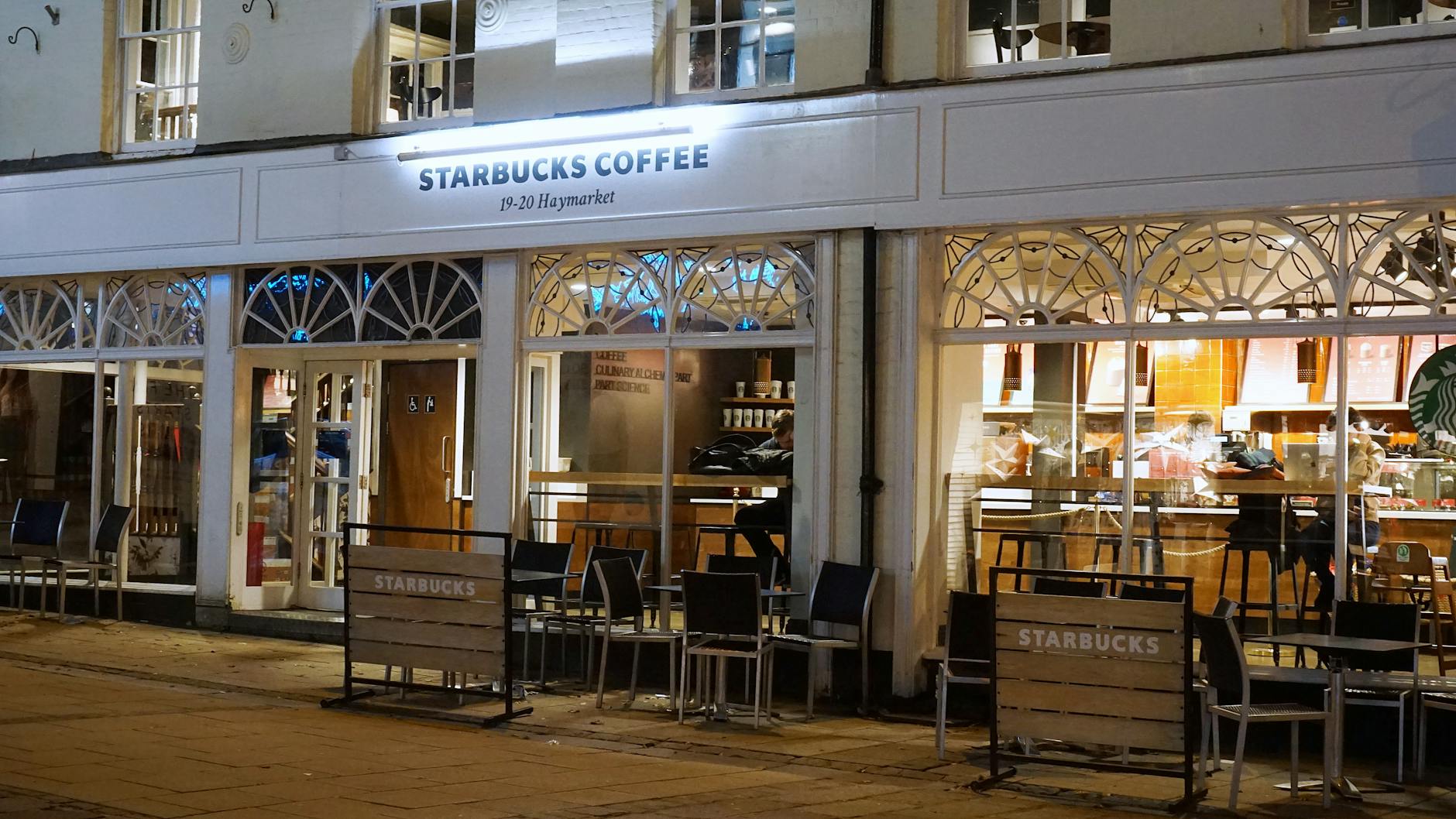
Starbucks is aggressively tackling one of its most persistent challenges: long lines and inconsistent service, particularly in high-traffic licensed locations such as airports, hospitals, and grocery stores. These environments, which account for roughly 40% of Starbucks' U.S. unit count, present unique operational realities. CEO Brian Niccol openly acknowledged the frustration of long queues at Investor Day, stating, "It’s great to have the lines, but I wish there was a way for us to make those lines move faster."

To address this, Starbucks is restructuring its licensed business operations, shifting from a regional management model to one focused on the specific environments where these stores are located. Aaron Koransky, SVP of the U.S. licensed coffeehouse business, emphasized the need for a consistent "Starbucks experience" regardless of location. This new structure aims to provide more relevant support, performance-based incentives, and shared investments in innovation for licensees, ultimately leading to better service and more ordering channels.

Technological innovations are at the forefront of this efficiency drive. Starbucks is actively testing new ordering channels in licensed stores, including self-service kiosks and app-scheduled orders. Imagine placing your coffee order at a grocery store kiosk, completing your shopping, and picking up your beverage when ready – this is the future Starbucks envisions. These initiatives are designed to reduce customer wait times, optimize order processes, and ensure a familiar, fast, and unmistakably Starbucks experience across all touchpoints.

Further streamlining operations is the "Siren Craft System," a process improvement focused on dynamic sequencing software to prevent "mosh pit" effects at pickup counters by better timing mobile versus in-store orders. Menu simplification, by culling underperforming SKUs, also reduces complexity for baristas, improving speed and accuracy. These measures, combined with the introduction of "coffeehouse coaches" to support new store openings and maintain stability, underscore Starbucks' commitment to operational excellence as a key driver of customer satisfaction and loyalty.

What New In-Store Innovations Are Driving Customer Loyalty?

Beyond operational efficiency, Starbucks is making significant investments in physical store upgrades and design elements to rekindle the "Third Place" ambiance that historically defined the brand. This commitment is part of a broader "Coffeehouse Uplift" initiative, which involves remodeling 1,000 stores by the end of 2026 at an estimated cost of $150,000 per store, contributing to the overall $1 billion strategic investment. The goal is to enhance the in-store experience and encourage longer, more frequent visits, which the company has identified as a crucial driver of traffic recovery.

A nostalgic yet strategic move is the reintroduction of new lounge chairs, inspired by the iconic purple seating first launched globally in 1987 and removed in 2008. These updated chairs are expected to appear in select renovated and new stores by the end of 2026, signaling a clear intent to invite customers to linger and enjoy their coffee. This return to comfortable seating directly supports the "Third Place" concept, aiming to create a welcoming environment where patrons feel encouraged to relax, work, or socialize.

Complementing the seating, Starbucks is rolling out redesigned porcelain mugs with a wider mouth and more comfortably shaped handles. Currently being tested in Los Angeles and New York City, these mugs are slated for a broader North American rollout later in 2026, with global expansion beginning in 2027. These seemingly small details contribute to the premium, tactile experience that differentiates Starbucks from competitors, reinforcing the brand's commitment to quality and comfort.

Furthermore, in a symbolic gesture to regain the "coffeehouse feel," the self-service condiment bar, largely removed during the pandemic, made its return in late 2025. This move, along with the decision to close all 90 roughly pickup-only locations in high-traffic areas, underscores a strategic shift away from purely transactional models. Starbucks is clearly prioritizing the holistic in-store experience, understanding that a comfortable, inviting atmosphere is just as crucial as a quick, efficient order for long-term customer loyalty.

What Are the Financial Implications of Starbucks' Strategic Reset?

Starbucks' strategic reset, while costly, is designed to deliver substantial financial returns by improving efficiency, driving traffic, and enhancing customer loyalty. The $1 billion investment in store upgrades and operational improvements is a significant capital outlay, but it's projected to yield a rebound in key financial metrics. For the fiscal year ending late 2025, Starbucks reported consolidated net revenues of approximately $37.1 billion, a modest 2.5% increase from 2024. However, the real story lies in the improving margins and future earnings projections.

Operating margins, which dipped in 2024 due to aggressive promotional spending and high turnover, have begun to recover, moving towards the 15.5% mark. This recovery is largely attributed to the company's $2 billion efficiency program and a strategic reduction in "waste" resulting from an over-complicated menu. By streamlining operations and optimizing product offerings, Starbucks is enhancing profitability, demonstrating that operational discipline can directly translate into margin expansion.

Earnings Per Share (EPS) stabilized at roughly $3.45 in 2025 after a sharp decline in 2024. For 2026, analysts are forecasting a robust 8-10% rebound, driven by the anticipated impact of the "Siren Craft System" and other efficiency gains. This projected growth in EPS, coupled with the company's consistent dividend yield (typically around ~2%), positions Starbucks as a defensive play with a credible turnaround story for investors.

Looking ahead, Starbucks plans to open 600 to 650 net new coffeehouses globally in fiscal 2026, including 150 to 175 company-operated stores in the U.S. and 450 to 500 internationally. This expansion, supported by new store formats like the flexible "Ristretto" design, is expected to drive long-term revenue growth. The company's capital allocation priorities balance new store development and remodels with shareholder returns through dividends and opportunistic share repurchases, all while maintaining investment-grade metrics.

What Are the Key Risks and Competitive Headwinds for Starbucks?

Despite the promising signs, Starbucks faces several significant risks and competitive headwinds that could challenge its turnaround efforts. The labor relations landscape remains a potent force, with Starbucks Workers United (SBWU) having unionized over 600 stores by early 2026. The ongoing pressure to finalize a national contract could lead to substantial increases in long-term labor costs, potentially squeezing operating margins even as efficiencies improve. This dynamic requires careful management to avoid disruptions and maintain partner morale.

The competitive environment has bifurcated, creating pressure from multiple angles. In the U.S., Starbucks faces intense competition from value and convenience-focused chains like Dutch Bros, which excels in drive-thru speed, and 7-Eleven, which has aggressively upgraded its coffee program. These rivals cater to different customer segments, forcing Starbucks to defend its premium positioning while also addressing the need for speed and accessibility, particularly during the crucial morning daypart.

Internationally, China presents a volatile and hyper-competitive landscape. The threat of a "strategic sale" of a 20-30% stake in Starbucks China to a local partner, or even licensing the brand entirely, looms if the company cannot regain market share against local rivals. While India offers explosive growth potential through its partnership with Tata Consumer Products, success in one market does not guarantee stability in another, and China remains Starbucks' second-largest market with unique challenges.

Commodity costs, particularly for Arabica coffee beans, remain sensitive to climate-driven supply shocks in key growing regions like Brazil and Vietnam. Such volatility could put renewed pressure on margins if Starbucks is unable to pass these increased costs on to consumers without impacting demand. Furthermore, while the "Functional Caffeine" trend (drinks with protein or energy supplements) is an opportunity, Starbucks must innovate quickly with its "Refreshers" line to capture this growing segment, especially among Gen Z consumers, against agile competitors.

What Does This Mean for Investors?

Starbucks (NASDAQ: SBUX), currently trading at $92.70 with a market capitalization of $105.61 billion, presents a compelling, albeit nuanced, investment case. The stock has climbed approximately 12% over the past 12 months, reflecting cautious optimism as the "Back to Starbucks" strategy gains traction. While shares remain below their 2021 all-time highs, the recent surge following strong Q1 FY26 earnings suggests that investors are rewarding the company for its renewed focus on operational simplicity and customer experience.

The company's beta of 0.93 indicates slightly lower volatility than the broader market, offering a degree of defensive stability. With a credible turnaround story and a consistent dividend yield, SBUX could appeal to investors seeking a blend of growth and income. However, the execution risks in the U.S. and the hyper-competitive landscape in China mean that Starbucks remains a "show-me" story, requiring careful monitoring of key metrics like U.S. traffic recovery, China comparable store sales re-acceleration, and margin improvements from labor productivity.

The next few quarters will be critical in determining whether CEO Brian Niccol can successfully blend the efficiency of a fast-food giant with the soul of a neighborhood cafe. Starbucks' ability to convert its significant investments in technology and store remodels into sustained incremental growth and enhanced customer loyalty will be paramount. For now, the momentum appears to be in Starbucks' favor, but continued vigilance on execution and competitive pressures is warranted.


Want deeper research on any stock? Try Kavout Pro for AI-powered analysis, smart signals, and more. Already a member? Add credits to run more research.

SHARE THIS ON:

Related Articles

Category

You may also like

Stock News1 day ago

Can Starbucks' $2B Cost-Savings Plan Reignite Margin Expansion?

Starbucks targets $2B in cost savings over two years to boost efficiency and support margin recovery amid ongoing investments.
Stock News3 weeks ago

Is Sprouts Farmers Market Stock Going to $100?

Sprouts Farmers Market stock is in comeback mode following better-than-expected results released last month, reversing a slide since August caused by slowing sales and squeezed margins.
Stock News1 months ago

Starbucks' turnaround is showing progress. I can see why after I visited.

Starbucks reported higher sales figures, indicating the firm's "Back to Starbucks" operational changes are showing initial traction with customers.
Stock News2 months ago

Is Trending Stock Starbucks Corporation (SBUX) a Buy Now?

Starbucks Corporation (SBUX) is seeing increased investor attention recently, based on activity among Zacks.com users. Determining the stock's near-term prospects requires evaluating current fundament...

Breaking News

View All →

Top Headlines

View More →
Stock News10 minutes ago

Oil Prices Rise +80% Since December - When Will It End?

Stock News24 minutes ago

Warren Buffett's Berkshire Faces The Dreaded Death Cross—Is Too Much Apple The Problem?

Stock News25 minutes ago

Nvidia vs Palantir: Which AI Stock is a Long-Term Buy?

Stock News49 minutes ago

Is NVDA's Networking Unit Becoming a Core Growth Engine Amid AI Boom?

Stock News1 hour ago

Waymo Is Scaling Faster Than Expected. Why It's Bullish for Alphabet Stock.