MarketLens
Did a Starbucks Line Really Delay a Flight

Key Takeaways
- A recent American Airlines flight delay, reportedly caused by a pilot stuck in a Starbucks line, highlights the critical issue of long wait times at airport locations.
- Starbucks CEO Brian Niccol is actively addressing these operational bottlenecks as part of a broader $1 billion turnaround strategy aimed at enhancing customer experience and reversing recent sales declines.
- While the incident itself is minor, it underscores persistent brand perception challenges and operational risks for Starbucks, impacting its financial recovery efforts.
Did a Starbucks Line Really Delay a Flight?
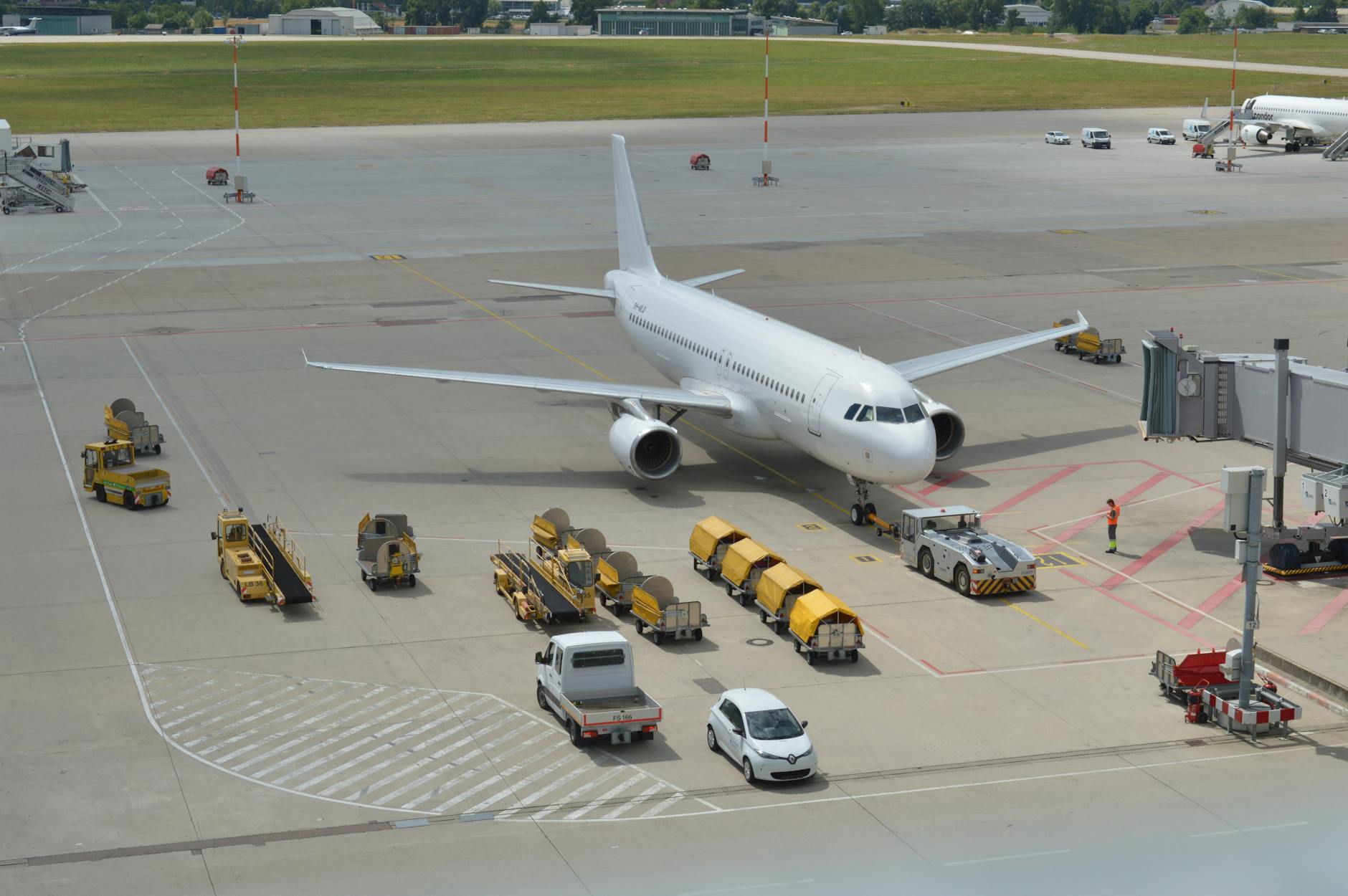
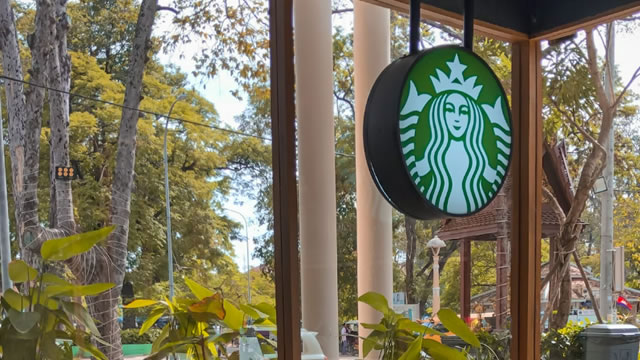
Yes, a recent incident on April 9, 2026, brought an unusual spotlight onto Starbucks' airport operations when an American Airlines flight from Charlotte (CLT) to Liberia, Costa Rica (LIB), was reportedly delayed because its pilot was held up in a long Starbucks line. Passengers heard repeated pages for "Captain DeWalt" before he eventually appeared, coffee in hand. This anecdote, while seemingly trivial, quickly became a viral talking point, illustrating a broader frustration many travelers share: the often-exorbitant wait times at airport Starbucks locations.
The incident at Charlotte Douglas International Airport, an American Airlines hub, wasn't just about a single pilot's caffeine craving. It immediately sparked a debate about pilot professionalism and, more significantly, the quality of onboard airline coffee, which often drives flight crews to seek better options in terminals. For Starbucks, it highlighted a persistent operational challenge in high-traffic environments. The perception that a coffee line could directly contribute to flight delays, however indirectly, casts a shadow on the brand's commitment to efficiency and customer experience, especially when travelers are already under stress.
This event, while not directly Starbucks' fault, serves as a potent symbol of the company's ongoing struggle with service speed in licensed airport locations. It underscores the disconnect between customer expectations for a quick, consistent Starbucks experience and the reality of often chaotic, understaffed airport counters. The incident, therefore, becomes a tangible example of how operational inefficiencies, even in third-party-operated stores, can ripple out to affect brand perception and, by extension, the company's broader market narrative.
Why Are Airport Starbucks Such a Bottleneck?
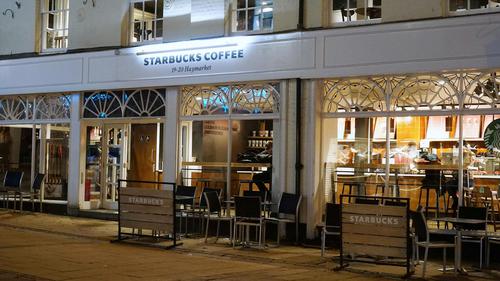
Airport Starbucks locations, often bustling hubs of activity, present a unique set of operational challenges that contribute to the notorious long lines. Unlike typical street-corner stores, these are predominantly licensed operations, accounting for roughly 40% of Starbucks' U.S. unit count. While customers don't differentiate between company-owned and licensed stores, expecting the same "unmistakably Starbucks" experience, the operational control and incentive structures can vary significantly, making consistent service delivery difficult.
The sheer volume of travelers, especially during peak morning hours and post-pandemic surges (U.S. airports saw a record 1.05 billion passengers in 2023), overwhelms existing infrastructure. Many airports are undergoing renovations, which can temporarily limit space, but even new terminals struggle with the demand for food and beverage options. This high-traffic environment, coupled with the unique stresses of air travel—tight connections, security lines, and the threat of delays—amplifies customer impatience, making a 10-minute wait for coffee feel like an eternity, as one LaGuardia patron noted.
Starbucks CEO Brian Niccol openly admits that these lines "kill" him, recognizing airport outposts as a "clearest opportunity" for improvement. The company has attempted solutions like mobile order and pay, rolled out to airport locations in 2022, but this can sometimes add to confusion rather than alleviate it, especially for infrequent customers without the app. Labor challenges within airports also exacerbate the problem, pushing some restaurants to adopt kiosks and tablets, a technological shift Starbucks is also exploring to streamline ordering and service.
How is Starbucks Addressing These Operational Headwinds?
Starbucks is not oblivious to the challenges posed by its airport locations and the broader operational issues impacting customer experience. New CEO Brian Niccol, who joined from Chipotle in September, has made "winning back customers" and reversing sales slumps a top priority, unveiling a $1 billion "Back to Starbucks" transformation plan. A core component of this strategy is a significant restructuring of its licensed business operations, specifically targeting high-traffic environments like airports and Target stores to enhance customer experience and reduce wait times.
The company's goal is ambitious: to trim service times down to four minutes across the board. This involves a multi-pronged approach, including leveraging technology to offer customers more ways to order. Niccol's vision includes deploying AI-driven inventory systems, an AI barista assistant, and a queuing algorithm to optimize workflow and predict demand. The aim is to ensure that whether customers order ahead, digitally, or at the counter, the result is consistently "familiar, fast, and unmistakably Starbucks," bridging the gap between licensed and company-owned store experiences.
Beyond technology, the turnaround narrative also focuses on fundamental improvements to the in-store experience. Initiatives include bringing back condiment bars, eliminating surcharges for dairy alternatives, and streamlining the menu. These changes are designed to address customer pain points and improve operational efficiency, which is crucial given that U.S. same-store sales declined by 6% year-over-year in the period ending September 30, marking the third straight quarter of sales decline. By focusing on these core operational improvements, Starbucks hopes to rebuild brand loyalty and drive traffic in a competitive market.
What Are the Broader Brand and Financial Implications?
The incident of a flight delay linked to a Starbucks line, while anecdotal, feeds into a larger narrative of operational challenges and brand perception issues that Starbucks is actively trying to overcome. The company's brand, built on a promise of a premium, consistent "third place" experience, is vulnerable when customers encounter long waits or perceived inefficiencies, especially in high-stress environments like airports. This erosion of brand trust can have tangible financial consequences, particularly as Starbucks navigates a period of sales slump and increased competition from rivals like McDonald's McCafé and Dunkin'.
Financially, Starbucks reported Q1 revenue of $9.92 billion, an increase from $9.40 billion a year earlier. However, net income saw a significant drop from $780.8 million to $293.3 million, with diluted EPS falling from $0.69 to $0.26. This decline in profitability, coupled with a 6% decrease in U.S. same-store sales, highlights the urgency of CEO Brian Niccol's turnaround plan. Any new questions about operational controls, store reliability, or customer experience, even if indirect, can exacerbate existing concerns about execution quality and margin pressure.
Moreover, Starbucks is concurrently facing other significant operational headwinds. A lawsuit alleging management pushed to understate equipment malfunctions and food safety incidents, alongside ongoing supply chain issues affecting staples like milk and pastries, further tests the company's resilience. These issues intersect with the core of Starbucks' business model, which relies heavily on high store reliability and strong brand trust. For investors, these combined factors present a complex risk-reward profile, with potential upside if the company can effectively resolve these challenges and convert its store expansion plans into more resilient earnings.
Is SBUX Stock a Buy, Hold, or Sell Amidst These Challenges?
Starbucks (NASDAQ: SBUX) is currently trading at $96.48, down 0.75% from its previous close of $97.21. The stock's 52-week range is between $75.50 and $104.82, placing it in the upper half of its annual trading range but below its peak. With a market capitalization of $109.92 billion, Starbucks remains a dominant player, yet its recent performance and the operational challenges discussed warrant a cautious assessment for investors. The stock's movement today, with a volume of 2,532,094, reflects ongoing market sentiment and investor activity.
The "Back to Starbucks" strategy, spearheaded by CEO Brian Niccol, represents a critical juncture for the company. While the vision to improve customer experience, streamline operations, and enhance brand loyalty is sound, execution will be key. The market is watching closely to see if initiatives like reducing airport wait times, addressing the Siren System lawsuit, and stabilizing supply chains can translate into improved comparable sales growth and stronger earnings. The recent news of Greenberg Financial Group acquiring new holdings suggests some institutional confidence, while Addenda Capital Inc. reducing its position indicates a more conservative stance.
For investors, the current environment suggests a "Hold" rating might be appropriate for those already invested, with a "Wait and See" approach for new capital. The stock is not at its 52-week low, indicating some resilience, but the operational and reputational risks are significant. The potential for upside exists if the turnaround plan gains traction and resolves current issues, but the path forward is fraught with execution risk. Monitoring Q1 2026 guidance, particularly for comparable sales growth (expected to be 3% or greater) and net new stores (projected at 600 to 650), will be crucial indicators of the strategy's effectiveness.
Starbucks is at a pivotal moment, balancing ambitious turnaround plans against persistent operational and reputational headwinds. The success of CEO Brian Niccol's strategy to enhance customer experience and streamline operations will be critical in determining whether the company can reignite sales growth and restore investor confidence. Investors should closely monitor the execution of these initiatives and the resolution of ongoing challenges to assess the long-term trajectory of this coffee giant.
Want deeper research on any stock? Try Kavout Pro for AI-powered analysis, smart signals, and more. Already a member? Add credits to run more research.
Related Articles
Category
You may also like


Starbucks CEO reacts to claims the bonus program is "impossible"

Jet fuel bidding war breaks out as airlines confront ‘global stress test' over shortages and cancellations

United's Card-Counting CEO Made a Huge Bet—and It's Paying Off
Breaking News
View All →Featured Articles
Has Dolby Laboratories Found Its Groove in Q2 2026
What's Driving Aimco's Liquidation Strategy
What's Driving Cue Biopharma's Recent Surge
Top Headlines

Apple Q2: Firing On All Cylinders

Stephen Sopko Explains AAPL "Edge AI" Thesis
Apple soars past Wall Street expectations as CEO Tim Cook prepares to step down

Apple's Results Top Estimates. CEO Tim Cook Says It Saw 'Extraordinary' iPhone 17 Demand