MarketLens

Log in

Is the Console Era Fading? Understanding the PC Gaming Shift.

2 hours ago
SHARE THIS ON:

Is the Console Era Fading? Understanding the PC Gaming Shift.

Key Takeaways

  • Newzoo projects PC gaming revenue to surpass consoles by 2028, growing at a 6.6% CAGR compared to 4.4% for consoles, posing a significant strategic challenge for Sony's PlayStation division.
  • Sony is reportedly recalibrating its PC strategy, scaling back day-and-date single-player releases to reinforce console exclusivity, while maintaining multi-platform support for live-service titles.
  • Despite these shifts, Sony's robust financial health, strong PlayStation 5 sales (82.53 million units by November 2025), and diversified entertainment portfolio provide a solid foundation for adapting to the evolving gaming landscape.

Is the Console Era Fading? Understanding the PC Gaming Shift.

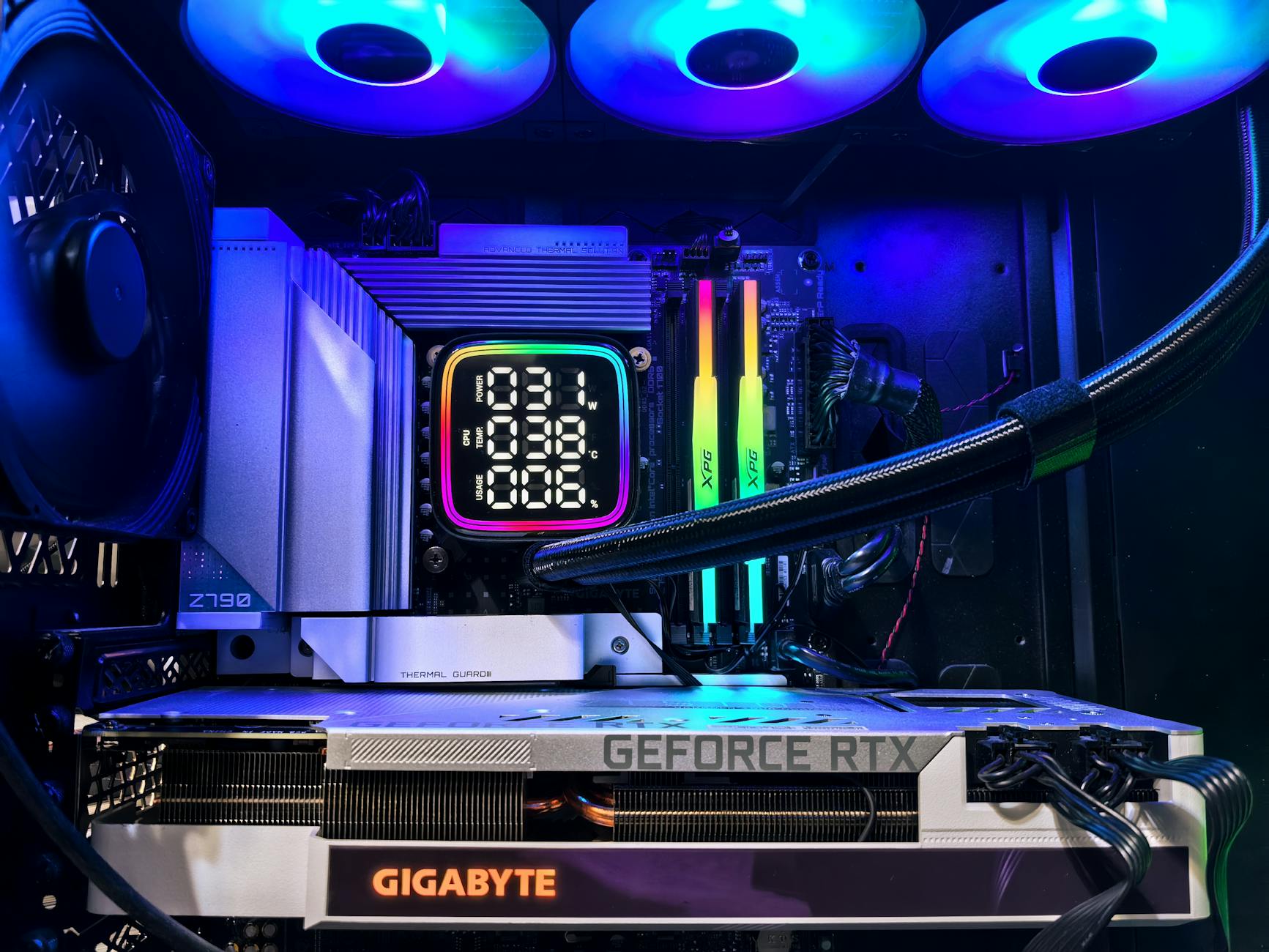
The console era isn't fading, but its revenue dominance is projected to end by 2028 as PC gaming accelerates its growth. This is the stark reality presented by Newzoo's latest report, which forecasts PC revenue to outstrip console revenue within the next two years. The report highlights a significant divergence in growth trajectories: PC gaming is expected to grow at a 6.6% compound annual growth rate (CAGR) from 2025 to 2028, significantly outpacing the 4.4% CAGR projected for consoles over the same period.

This shift isn't a sudden event but rather the culmination of steady, structural changes in the gaming market. The combined PC and console gaming market is projected to reach $103.7 billion by 2028, up from $88.3 billion in 2025. This growth is fueled by several factors on the PC side, including a rapidly expanding player base, particularly in East Asia, which is expected to exceed 1 billion players by 2028. Younger generations, Gen Z and Gen Alpha, are also increasingly gravitating towards PC platforms.

Premium games, defined as titles priced above $30, are a major growth driver for PC, representing 29% of total revenue and seeing an 11.8% increase across AAA, AA, and indie releases. Interestingly, the sub-$30 new release segment on PC saw dramatic growth of 156% in 2025, indicating a vibrant market for diverse pricing strategies. In contrast, console revenue remains heavily reliant on blockbuster hits and hardware cycles, with premium titles accounting for about half of revenues, but the $50+ segment is beginning to flatten on platforms like Xbox, partly due to the influence of subscription services like Game Pass.

For a company like Sony, deeply entrenched in the console ecosystem, these projections signal a fundamental recalibration of market dynamics. The traditional model of hardware sales driven by exclusive, cinematic single-player experiences now faces a structural headwind from a more dynamic, diverse, and rapidly expanding PC market. This isn't just about competition; it's about a shifting center of gravity in the gaming world, demanding strategic agility and a willingness to adapt core business models.

How Strong is Sony's PlayStation Division Today?

Sony's PlayStation division, despite the looming PC shift, remains a formidable force in the gaming industry, anchoring a significant portion of the company's overall revenue. As of fiscal year 2024, the Game & Network Services division generated a robust $31.7 billion in revenue, marking a 9% year-over-year increase and contributing 36% of Sony Group Corporation's total revenue. This makes it Sony's most profitable business segment, underscoring its critical importance to the conglomerate's financial health.

The PlayStation 5 has achieved impressive sales figures, reaching 82.53 million units sold globally by November 2025, establishing it as Sony’s fifth best-selling console to date. This strong hardware performance is complemented by a thriving digital ecosystem. PlayStation Network recorded 129 million monthly active users in December 2024, a 5% year-over-year increase, with approximately 50 million PlayStation Plus subscribers. Digital game sales have become the dominant revenue stream, accounting for 76% of total software purchases in fiscal year 2024, a figure that climbed to 83% by Q1 2025.

In the current console generation, PlayStation maintains a commanding market share. The PS5 holds 71% of the ninth-generation console segment, with a significant 2.7:1 sales ratio against Xbox Series X|S consoles. Regionally, PlayStation captures 49% of the console market share in the United States and 52% in Europe, demonstrating strong global penetration. This dominance is further evidenced by its performance during key retail periods, such as Black Friday 2025, where the PS5 accounted for 47% of console sales in the US and 62% in the UK.

However, even with these strong fundamentals, the division faces challenges. While overall playtime on PC increased by 3% between 2024 and 2025, PlayStation saw a 4% drop in playtime during the same period. This suggests that while Sony is selling consoles and games, user engagement might be shifting, a trend that could impact long-term monetization through subscriptions and in-game purchases. The division’s projected revenue for FY 2025 is $29 billion, an 8% year-over-year decrease, even as operating profit is expected to increase by 13% to $3.2 billion. This indicates a focus on profitability and efficiency, potentially through cost management or higher-margin sales, rather than pure top-line growth.

Is Sony Pulling Back from PC Gaming? A Strategic Reassessment.

Sony is reportedly reassessing its aggressive expansion into the PC gaming market, signaling a potential shift back towards a "console first" mentality. Recent reports from industry insiders and financial disclosures suggest that Sony Interactive Entertainment (SIE) is concerned that the widespread availability of PlayStation exclusives on PC could devalue the "must-have" nature of the PS5 and future hardware. This strategic pivot, if fully implemented, would primarily affect Sony’s prestige single-player titles, with the "window" between console and PC releases expected to widen significantly, potentially returning to a three-to-five-year gap.

This move comes after several years where Sony gradually expanded its first-party titles onto PC, including major hits like God of War and Horizon Zero Dawn. While these PC ports generated substantial revenue—approximately $2.37 billion from first-party titles earned outside the PlayStation ecosystem in FY2025 Q3—internal data allegedly shows they don’t drive "platform stickiness" in the same way that owning a console does. The success of simultaneous PC releases for live-service games like Helldivers 2 is an exception, as these titles require massive, unified player bases that a cross-play environment provides.

The rationale behind this reported pullback is multifaceted. By reinforcing the walls of its "garden," Sony aims to ensure that its next-generation hardware, presumably the PlayStation 6, has a library of games that cannot be played anywhere else. This strategy contrasts sharply with Microsoft's increasingly platform-agnostic approach, where Game Pass and multi-platform releases are central. For Sony, doubling down on the "Prestige Console" identity, which proved highly successful during the PS4 era, is seen as a defensive move to protect its core business and differentiate itself in a competitive landscape.

However, this reassessment carries risks. For PC gamers, it's a significant blow, potentially pushing anticipated ports like Ghost of Yotei much further into the future. It also raises questions about the future of studios like Nixxes, which Sony acquired specifically to handle PC ports. While Sony aims to force players back into the PlayStation ecosystem to capture 100% of digital sales and subscriptions, a prolonged delay in PC releases could alienate a growing segment of the gaming audience and limit the overall reach and long-tail monetization of its single-player blockbusters.

Can Sony Adapt? The Bull Case for PlayStation's Future.

The bull case for Sony's PlayStation division, even amidst the PC gaming surge and strategic recalibration, rests on its proven ability to adapt, its strong brand equity, and its diversified business model. Despite the reported pullback on PC for single-player titles, Sony isn't abandoning the PC market entirely; live-service games will continue to see multi-platform releases, acknowledging the necessity of large player bases for these titles. This nuanced approach allows Sony to capture revenue from the growing PC market where it makes strategic sense, without fully sacrificing the console's unique value proposition.

Sony's core strength remains its commitment to delivering blockbuster exclusives. Titles like Marvel's Wolverine in 2026 and The Last of Us Part III in 2027 are expected to headline its release timeline, ensuring a consistent flow of high-quality, narrative-driven experiences that define the PlayStation brand. These prestige exclusives, developed by studios that now fully understand the PS5's architecture, are designed to maximize the console's capabilities and drive hardware sales. The PS5 is in its mature phase, where developers push technical boundaries, and the large install base of 82.53 million units justifies ambitious, high-budget projects.

Furthermore, Sony's hybrid approach to subscriptions, enhancing PlayStation Plus without fully adopting a day-one AAA inclusion model, protects traditional sales revenue while offering compelling long-term value. With approximately 50 million PlayStation Plus subscribers, including 22% opting for the Premium tier, the service provides a stable recurring revenue stream. This strategy differentiates PlayStation from subscription-first competitors like Microsoft's Game Pass, allowing Sony to double down on prestige content and refined hardware, rather than racing to match every service feature.

Beyond gaming, Sony Group Corporation's diversified portfolio provides a crucial buffer and multiple avenues for growth. With a market capitalization of $128.25 billion, Sony is far more than just PlayStation. Its segments include Music, Pictures, Imaging & Sensing Solutions, and Entertainment Technology & Services. This diversification means that even if the gaming landscape shifts dramatically, Sony has other strong businesses to lean on. The company's overall financial health, with a current ratio of 1.22 and a low Debt/Equity of 0.27, indicates a solid balance sheet capable of weathering market changes and funding strategic investments in new technologies or content.

What Are the Risks? The Bear Case for Sony's Gaming Future.

While Sony's PlayStation division boasts impressive strengths, the bear case highlights significant risks that could impede its long-term growth and market position. The primary concern stems from the projected dominance of PC gaming revenue by 2028, a trend that directly challenges Sony's console-centric model. If PC continues to outgrow consoles at a 6.6% CAGR versus 4.4%, Sony's strategy of reinforcing console exclusivity for single-player titles could inadvertently limit the reach and revenue potential of its most acclaimed games. This risks alienating a growing segment of gamers who prefer the PC platform and could lead to missed opportunities in a rapidly expanding market.

The reported pullback on PC releases for single-player games, potentially widening the release window to three-to-five years, might not effectively drive "platform stickiness" back to the PS5. Instead, it could simply encourage PC gamers to wait longer or, worse, shift their attention to other platforms or games that are readily available. This could diminish the overall cultural impact and sales longevity of PlayStation's prestige titles, especially if competitors continue to embrace multi-platform strategies. The "must-have" nature of a console is increasingly challenged by the versatility and open ecosystem of PC, where a vast library of games, including many former console exclusives, is readily accessible.

Another significant risk lies in the competitive landscape and evolving consumer expectations. Microsoft's Game Pass ecosystem, offering expansive libraries and day-one access to new titles, has reshaped how players evaluate value. While Sony's hybrid PlayStation Plus model protects traditional sales, it requires consistent, visible value expansion to remain competitive. If PlayStation Plus fails to offer compelling reasons for subscription, especially without day-one AAA exclusives, it could struggle to retain and grow its subscriber base, impacting recurring revenue. The flattening of the $50+ segment on Xbox, partly due to Game Pass, serves as a cautionary tale for the premium console market.

Finally, the broader economic and technological environment presents additional headwinds. The "growing memory and storage supply crisis," driven by unprecedented AI investment, threatens the entire consumer electronics sector, including consoles. While not exclusive to PC, widespread shortages and skyrocketing prices for components could significantly impact console manufacturing costs and availability, potentially disrupting future hardware cycles. Furthermore, the "structural decline of AAA-driven genres" and the saturation of the live-service market mean that even Sony's carefully curated live-service efforts face an uphill battle for sustained engagement and profitability.

What Does This Mean for SONY Investors?

For investors in Sony Group Corporation (SONY),theevolvinggaminglandscapepresentsacomplexpictureofbothopportunityandstrategicchallenge.ThecompanyscurrentstockpriceofSONY), the evolving gaming landscape presents a complex picture of both opportunity and strategic challenge. The company's current stock price of **21.49** and market capitalization of $128.25 billion reflect a diversified global conglomerate, not just a gaming company. While the PlayStation division is a significant revenue driver, its strategic shifts within gaming must be viewed in the context of Sony's broader financial health and multi-segment operations.

Sony's TTM financials show a P/S ratio of 1.71 and an EV/EBITDA of 7.62, suggesting a reasonable valuation for a company with its scale and market position. The negative TTM P/E of -97.33 and EPS of -$35.53 are notable, indicating recent profitability challenges, but these are often influenced by one-off events or strategic investments rather than systemic issues across all segments. Crucially, the company's growth figures for FY2025 are positive: Net Income up 17.6% and EPS up 19.6%, with Free Cash Flow soaring 123.4%. This suggests a strong rebound in profitability and cash generation, providing flexibility for strategic maneuvers in gaming.

Investors should monitor Sony's execution of its refined PC strategy. The success of its live-service titles on PC, combined with the sustained appeal of its console exclusives, will be critical. The company's ability to maintain PlayStation Network's 129 million monthly active users and grow its 50 million PlayStation Plus subscribers will be key indicators of its ecosystem's health. While the gaming market is shifting, Sony's strong balance sheet, diversified revenue streams, and consistent innovation across its other segments (e.g., Imaging & Sensing Solutions, Music) provide a robust foundation.

The long-term investment thesis for SONY hinges on its capacity to adapt its gaming strategy without sacrificing its core strengths, while simultaneously leveraging growth in its other high-margin businesses. The current share price, trading near its 52-week low of $20.42, might present an entry point for investors who believe in Sony's ability to navigate these industry shifts and capitalize on its diversified portfolio.

Sony's strategic recalibration in gaming is a calculated risk, aiming to preserve its console identity while selectively engaging with the burgeoning PC market. Investors should watch for clear signals on how this balance impacts both PlayStation's profitability and its broader market share in the coming years. The company's diversified strengths offer resilience, but the gaming division's adaptation will be a key determinant of its future trajectory.


Want deeper research on any stock? Try Kavout Pro for AI-powered analysis, smart signals, and more. Already a member? Add credits to run more research.

SHARE THIS ON:

Related Articles

Category

You may also like

Stock News1 week ago

Logitech G Study shows Esports enters its prime: rising career aspirations and growing legitimacy worldwide

Logitech G research indicates esports is entering a transformative era, showing rising cultural acceptance and a significant increase in those viewing professional gaming as a legitimate career path.
Stock News2 weeks ago

Why Nvidia's earnings report isn't the market force it once was

Nvidia's stock may present a discount opportunity because analysts suggest investors are shifting focus to other AI opportunities, reducing the stock's market force.
Crypto News2 months ago

CZ's ‘super cycle' prediction – Is Bitcoin breaking its 4-year cycle?

Bitcoin's close in the red for 2025 leads to questions regarding the potential end of its established 14-year cycle. This scenario contrasts with previous 'super cycle' predictions.
Stock News2 months ago

‘YouTube Has Become Television': the Media Shake Up in 2026

The media landscape may experience significant change in 2026 because YouTube is outcompeting established streaming services, according to Stephen Kent. The Street currently appears to neglect this gr...

Breaking News

View All →

Top Headlines

View More →
Stock News36 minutes ago

1 Unbelievable Stat That Makes Me Bullish on AI Stocks

Stock News3 hours ago

Meta Stock Plummets As Massive 20% Layoffs Loom: What Investors Need To Know

Stock News3 hours ago

Meta Platforms Stock Dips on AI Model Worries. Time to Buy?

Stock News4 hours ago

The $700 Billion AI Spending Boom: 3 Tech Stocks Positioned to Win in 2026

Stock News5 hours ago

2 Artificial Intelligence (AI) Stocks With Average Upside of 47% and 54%, According to Wall Street